
Last updated October 17, 2026
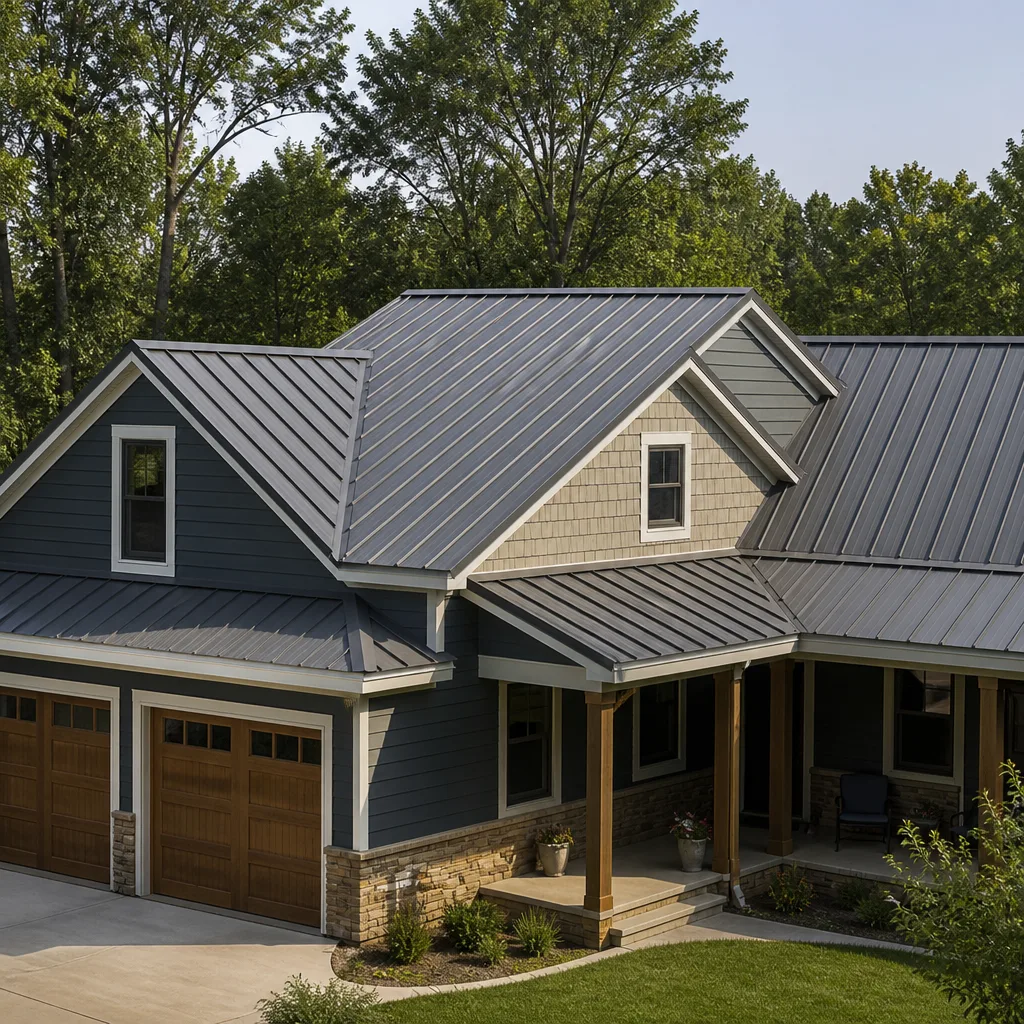 Metal roofing
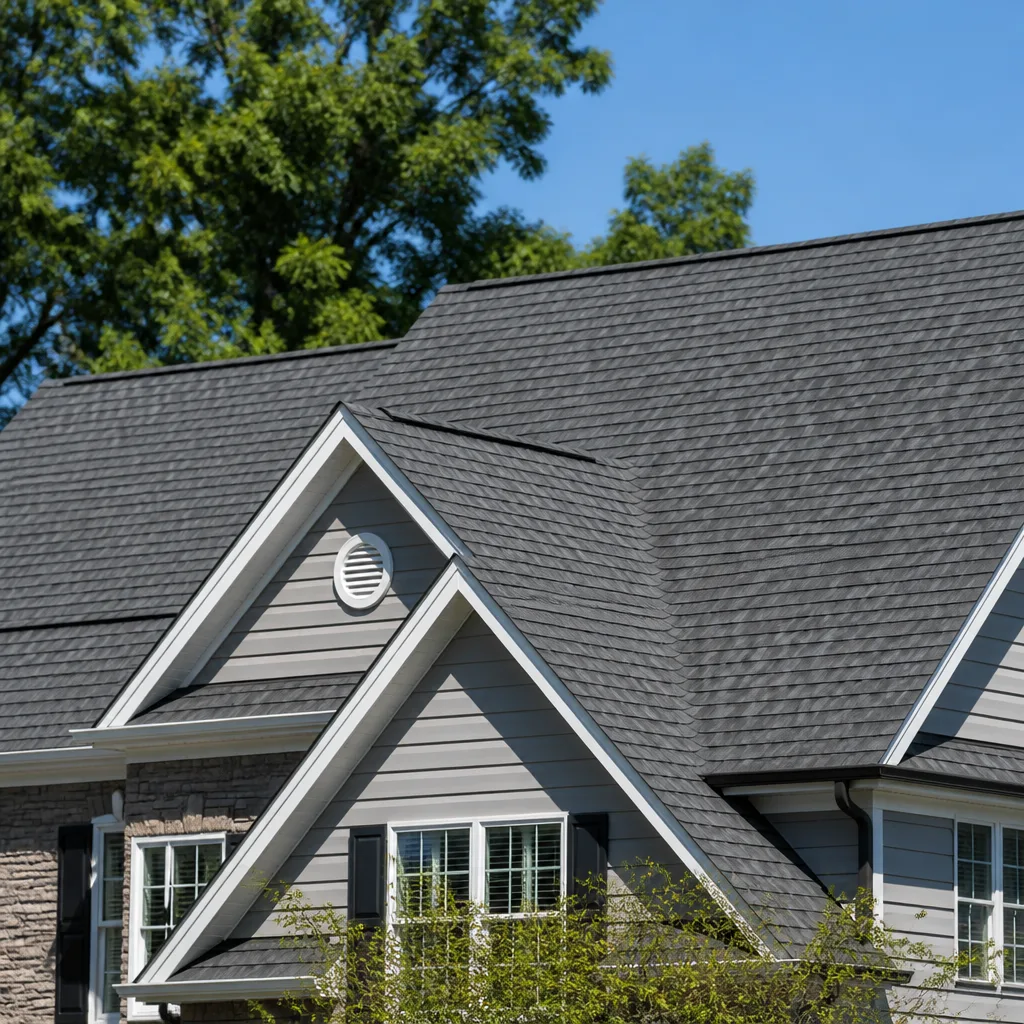 Architectural shingles
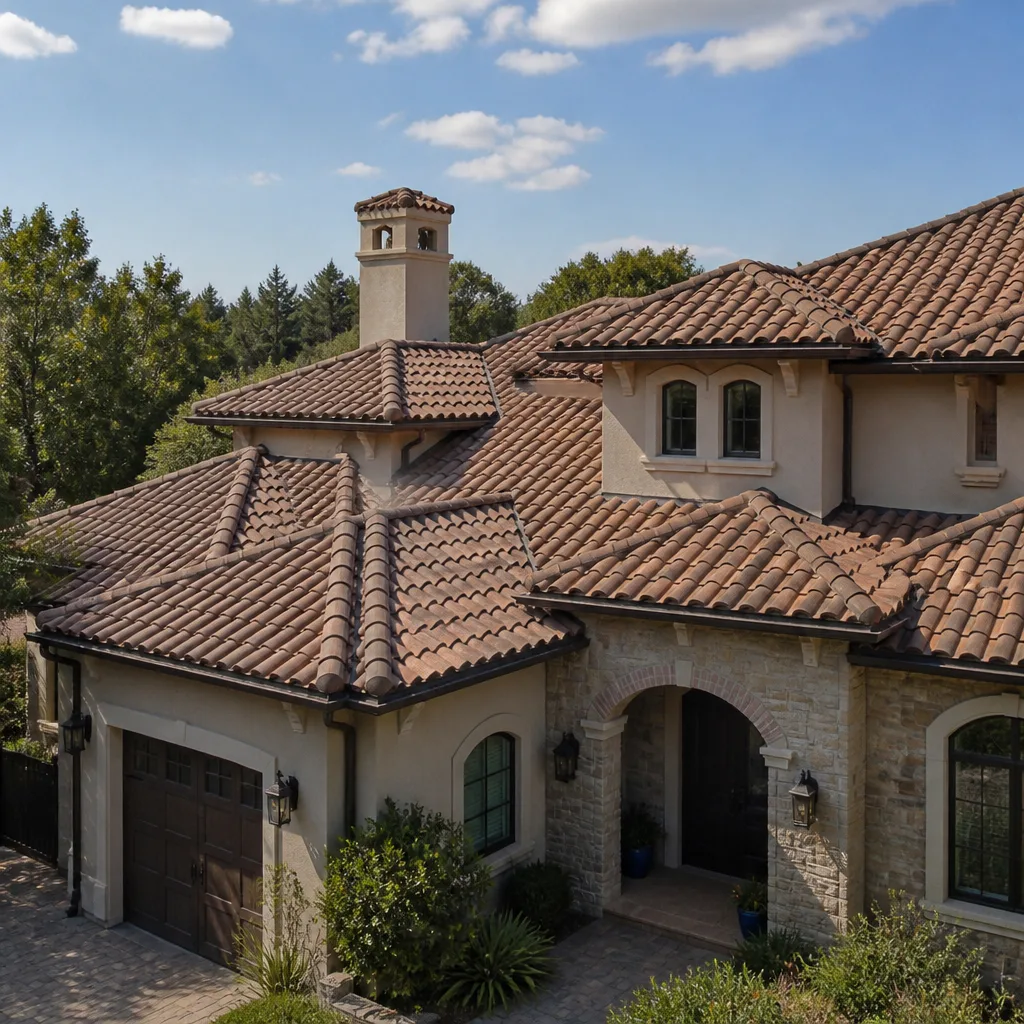 Tile roofing
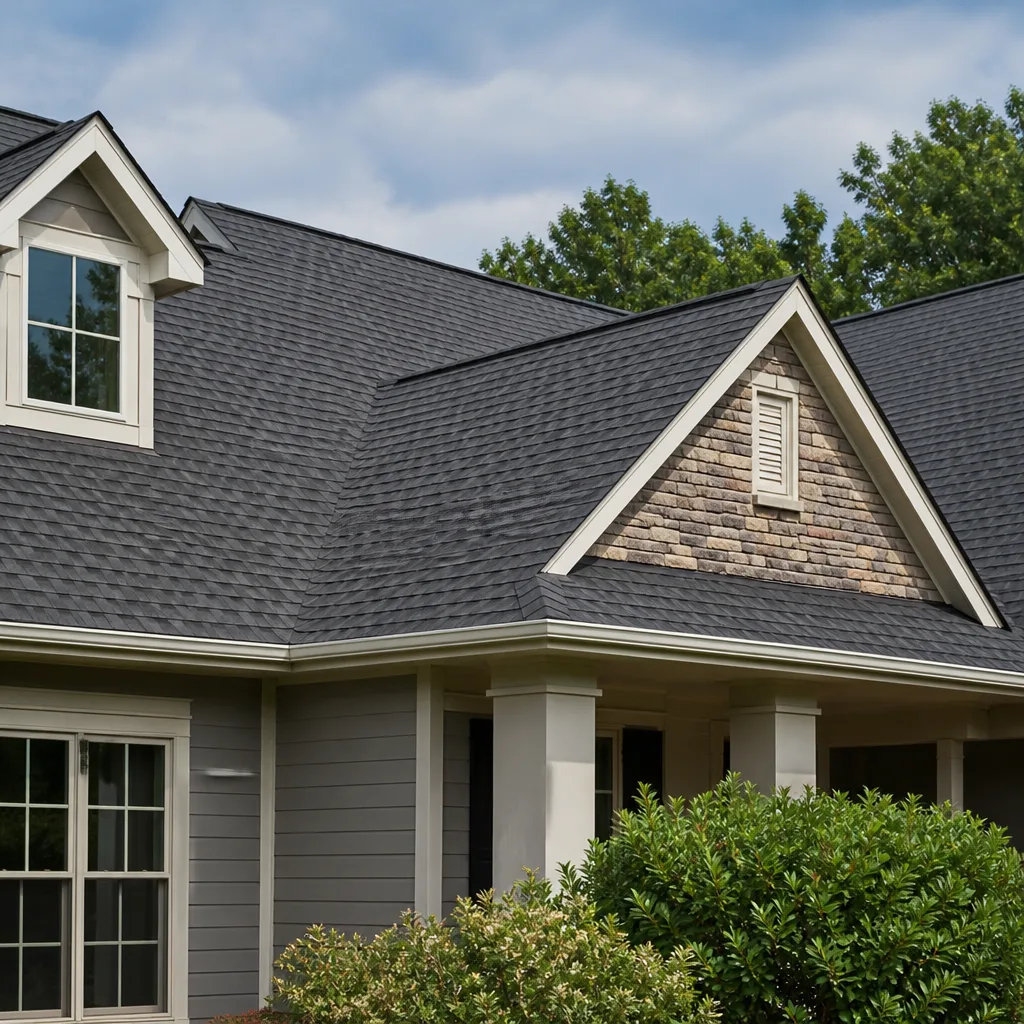 GAF
GAF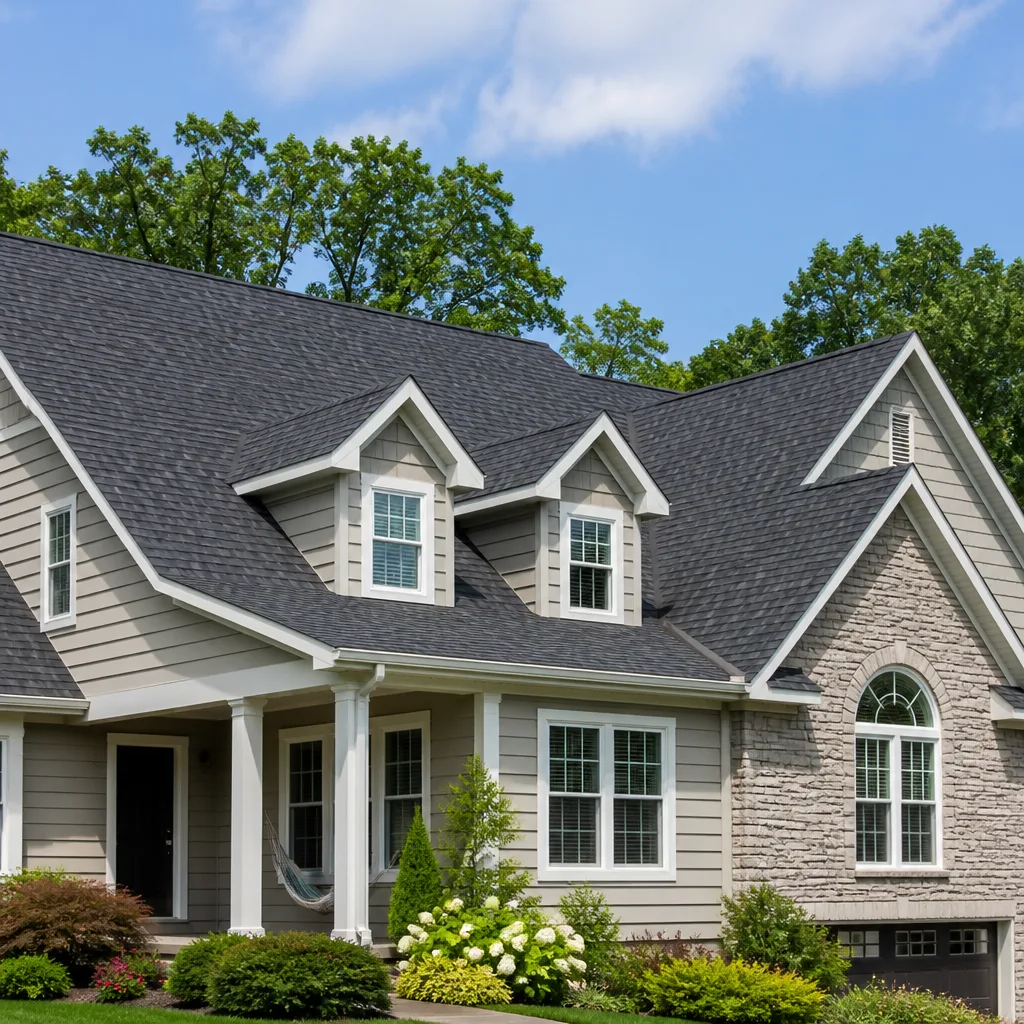 Owens Corning
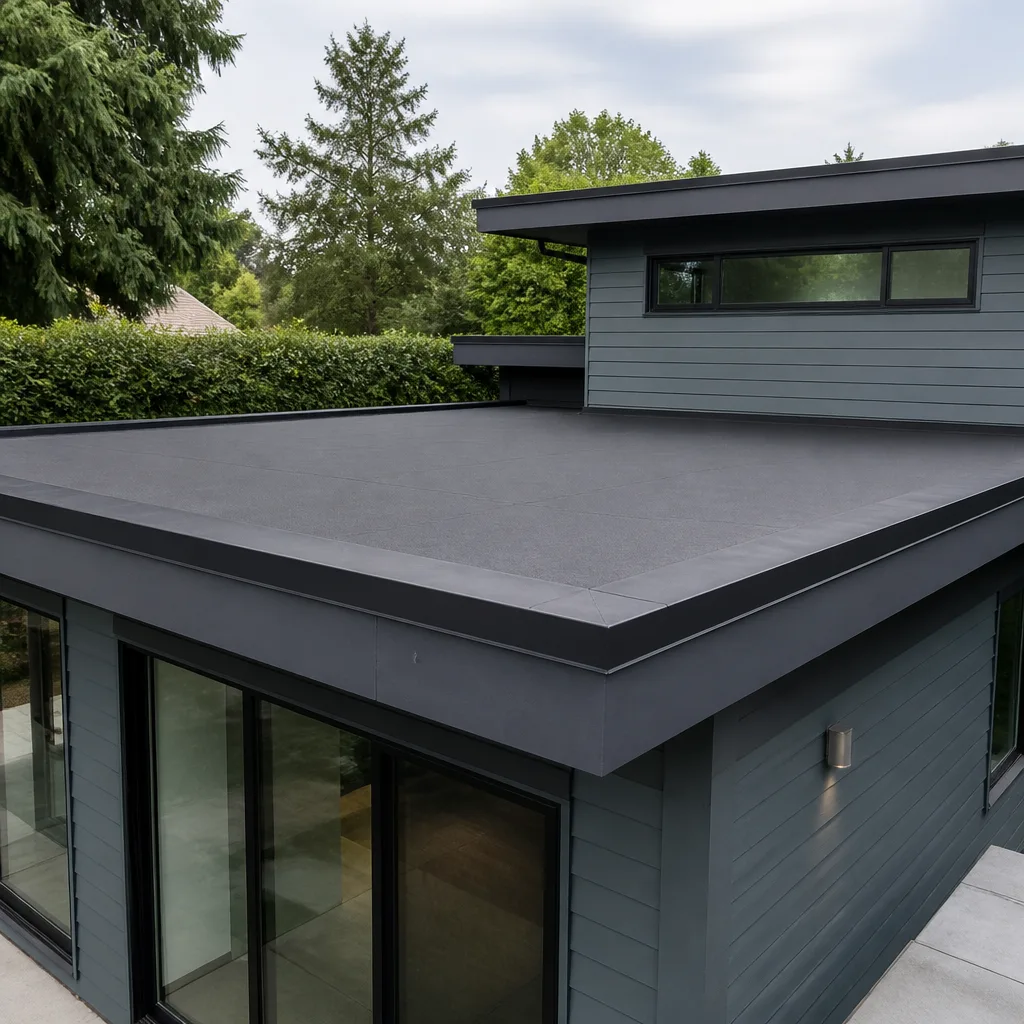 Flat & low-slope
Free roof inspection with deck photos before we talk money - GAF and Owens Corning certified installation
Roofing Permits, Codes & Inspections in CA: What You Need to Know
Most homeowners in San Francisco don’t realize that replacing more than 10% of a roof’s surface can trigger a full Title 24 energy compliance review under California code. That single threshold changes everything about project scope, material selection, and final cost. Our Complete Guide to Roofing in San Francisco explains what actually triggers a permit, what the process costs in time and money, and how to protect yourself when a contractor says “don’t worry about permits.” You’ll learn the square footage specifics, the inspection checkpoints, and the financial exposure waiting for anyone who skips the paperwork.
Styles & brands we work with
Quick Answer
In San Francisco, any roofing project that replaces more than 100 square feet of roof surface requires a permit from the San Francisco Department of Building Inspection (DBI), and full re-roofs typically trigger California Title 24 energy compliance requirements. Permit fees for a typical residential re-roof in San Francisco run between $300 and $1,200 depending on project valuation, with total permit and inspection costs often landing between $800 and $2,500. Skipping the permit creates legal and financial exposure during property sales and insurance claims, with corrective work frequently costing far more than the original permit would have. For related guidance, see our article on Roofing Warning Signs: A San Francisco Homeowner’s Reference Guide.
Table of Contents
- When a Roofing Permit Is Required in San Francisco: The Exact Threshold
- What Qualifies as Permit-Exempt Roof Repair in SF
- How Title 24 Energy Compliance Changes Re-Roofs in California
- The SF DBI Permit Process: Timeline, Fees, and Inspection Checkpoints
- “Over-the-Top” Re-Roofing: What California Code Allows and Prohibits
- What Happens When Roofing Work Has No Permit: Sales, Insurance, and Liability
- What a Permitted Re-Roof Actually Costs in San Francisco
- How to Verify a Roofing Contractor’s Permit and Code Compliance
- Common Mistakes to Avoid
- When to Call a Professional
- Frequently Asked Questions
- The Bottom Line
When a Roofing Permit Is Required in San Francisco: The Exact Threshold
Under the San Francisco Building Code, a roofing permit is required when the scope of work exceeds what the code defines as “ordinary repairs.” The practical threshold most homeowners need to know is the 10% rule: if your project involves replacing more than 10% of the roof’s surface area within any 12-month period, you need a permit. For a typical 1,500-square-foot San Francisco roof, that means anything beyond 150 square feet of replacement triggers the permitting requirement.
But here’s what most homeowners miss: San Francisco’s Department of Building Inspection (DBI) also uses a “100 square foot” rule of thumb for replacement scope. If you’re replacing 100 square feet or more of roofing material, you’re solidly in permit territory regardless of the percentage calculation. A patch job on a small section of a flat roof in the Richmond District might stay under the threshold. Re-sheathing and re-roofing half of a Sunset District home’s roof does not.
The code language is deliberately broad because the trigger is not just size. San Francisco’s building code requires permits whenever roofing work involves:
- Replacement of roof sheathing or decking beyond a single sheet
- Any modification to the roof structure, including rafters, trusses, or support framing
- Changes to roof slope or profile, even if the footprint stays the same
- Installation of a new roof covering over an existing roof covering (second layer)
- Any work that alters drainage patterns, scuppers, or roof penetrations
In our experience across San Francisco, the DBI’s intent is straightforward: if the work changes how the roof performs, it needs a permit. The confusion usually comes from contractors who frame a re-roof as “repair work” rather than “replacement work.” The word choice doesn’t matter to the inspector. The square footage does.
If you’re still uncertain where your project falls, the team at Brennan Roofing Co San Francisco includes a permit assessment with every estimate. We tell you before any work starts whether your project is permit-exempt or requires DBI review, and we put that determination in writing.
What Qualifies as Permit-Exempt Roof Repair in SF
The San Francisco Building Code does include a permit exemption for genuinely minor repairs. Understanding what qualifies matters because it protects you from overpaying for unnecessary permits while keeping you on the right side of the law for work that genuinely requires DBI oversight.
Permit-exempt roof repairs in San Francisco typically include:
- Replacing a single damaged shingle or a small cluster of shingles under 100 square feet total
- Sealing a small leak around a roof penetration, vent, or pipe flashing
- Re-caulking flashing joints where no roof covering is removed
- Clearing debris from gutters, downspouts, or roof drains
- Applying roof coating or sealant to a small area (under 100 square feet) without altering the roof structure
The key phrase in every one of these is “under 100 square feet” and “no structural change.” If the repair requires removing and replacing roof covering in an amount that exceeds that number, or if it touches the structural decking beneath, the exemption disappears.
San Francisco’s climate also influences how these exemptions play out in practice. The city’s marine layer produces persistent moisture between May and September. Small leaks that start as pinprick-sized gaps in flashing can spread rot through the sheathing beneath. What begins as a permit-exempt repair often becomes a permitted replacement once the roof is opened up and the damage is visible. A qualified roof inspection in San Francisco before the work begins can identify whether the repair will stay small or expand.
One more point: the permit exemption does not exempt you from building code compliance. Even a small repair must use code-approved materials and installation methods. The permit is what triggers the inspection. Without it, no third party verifies that the work was done correctly.
How Title 24 Energy Compliance Changes Re-Roofs in California
Title 24 is California’s energy efficiency code, and roofing projects fall under it more often than homeowners expect. The trigger is the same 10% rule: when you replace more than 10% of the roof surface, Title 24 compliance becomes mandatory. For most full re-roofs in San Francisco, that means choosing materials that meet the code’s “cool roof” requirements.
A cool roof reflects more sunlight and absorbs less heat than a standard roof. In technical terms, Title 24 requires low-slope roofs (which dominate San Francisco’s housing stock, especially in neighborhoods like the Mission, Noe Valley, and the Castro) to meet a minimum aged solar reflectance of 0.63 and a minimum thermal emittance of 0.75, or a minimum Solar Reflectance Index (SRI) of 75. Steep-slope roofs need to meet an aged solar reflectance of 0.20 and thermal emittance of 0.75, or an SRI of 16.
What does this mean in plain language? The roofing material you choose has to bounce back a measurable portion of the sun’s heat. Many standard dark asphalt shingles fall short of the cool roof standard. Lighter-colored shingles, certain reflective coatings, and specific manufacturer products are designed to comply. Manufacturers like GAF and Owens Corning produce cool-roof-rated product lines specifically for the California market.
The compliance path matters for your wallet. Under Title 24, there are two ways to demonstrate compliance when re-roofing:
- Prescriptive method: Install roofing products that are certified by the Cool Roof Rating Council (CRRC) and meet the reflectance and emittance values listed above. Keep the product certification labels and submit them with your permit application.
- Performance method: Use building energy modeling to demonstrate that the overall building envelope, including the roofing material chosen, meets the energy budget. This path is rarely used for residential re-roofs because it is more expensive and more complicated than choosing a compliant product.
For San Francisco homeowners, the practical advice is simple: before you fall in love with a particular shingle color or material, confirm that it carries a CRRC rating that meets Title 24 for your roof slope. A dark charcoal shingle that looks great on a Marina District home may fail compliance for a low-slope section of the same roof, forcing you into a different product.
If this feels overly technical, that’s because it is. Part of our job at Brennan Roofing Co San Francisco home is translating Title 24 requirements into plain options. We show homeowners which products from manufacturers like CertainTeed and Owens Corning meet the standard, and we handle the compliance documentation as part of the permit package.
The SF DBI Permit Process: Timeline, Fees, and Inspection Checkpoints
The San Francisco Department of Building Inspection handles all roofing permits within the city. The process is not fast, and homeowners who expect a same-week turnaround should plan for a longer timeline. Here’s what the process looks like for a typical residential re-roof.
Step 1: Prepare the permit application. Your contractor (or you, if self-filing) submits a permit application to the DBI. The application includes the project address, scope of work, roof square footage, material specifications, and estimated valuation. For Title 24 compliance, CRRC product documentation for the chosen roofing material is attached.
Step 2: Pay the permit fees. San Francisco calculates roofing permit fees based on project valuation. A typical residential re-roof with a valuation of $20,000 to $35,000 will generate permit fees between $300 and $1,200. Additional fees such as the DBI surcharge, records retention fee, and state-mandated fees typically add a few hundred dollars more.
Step 3: Plan review (if triggered). Not every roofing permit goes to plan review. Simple re-roofs with compliant materials often receive over-the-counter approval, which means same-day or next-day issuance. Projects that involve structural changes, roof slope modifications, or unusual conditions go to plan review, which adds one to three weeks to the timeline.
Step 4: Permit issuance. Once approved, the permit is issued. The permit card must be posted at the job site for the duration of the work. San Francisco requires the permit to be visible from the street.
Step 5: Inspections. Roofing work involves staged inspections. The first inspection happens after the old roofing is removed and before the new roofing is installed. The inspector checks the roof decking, verifies that any damaged sheathing is replaced, and confirms the underlayment is installed correctly. The second inspection happens after the final roof covering is in place. The inspector verifies the material matches the permit, checks flashing details, and confirms ventilation requirements are met.
Step 6: Final sign-off. After the final inspection passes, the DBI signs off on the permit. The permit file becomes part of your property’s permanent record with the city. That record is what protects you during a future sale or insurance claim.
The entire process, from application to final sign-off, typically takes two to four weeks for a straightforward re-roof. Inspections are scheduled through the DBI’s online system, and inspection times are typically within one to two business days of the request.
Homeowners who need roof repair in San Francisco that stays under the permit threshold can often proceed immediately. Anything at or above the threshold follows the timeline above.
“Over-the-Top” Re-Roofing: What California Code Allows and Prohibits
“Over-the-top” re-roofing means installing a new roof covering directly over the existing roof covering without removing it. It’s a less expensive approach because it eliminates tear-off labor and disposal costs. But California building code restricts when it’s allowed, and San Francisco’s DBI enforces those restrictions strictly.
Under the California Residential Code (CRC), a second layer of roof covering is permitted only in specific circumstances:
- The existing roof has no more than one layer of roofing material already installed
- The existing roof decking is structurally sound with no water damage or rot
- The new roofing material is compatible with the existing roofing material
- The roof structure is verified to support the additional dead load of the second layer
The code prohibits over-the-top installation entirely when the existing roof shows any sign of decking deterioration, when two layers already exist, or when the structural analysis shows the added weight exceeds the roof’s design capacity. In San Francisco, most homes built before 1980 were not designed for the added weight of a second roofing layer, and the DBI’s inspectors generally expect tear-off on older homes.
The practical result for San Francisco homeowners: over-the-top re-roofing is rare. It’s most viable on newer single-story homes with simple roof geometry and a single existing layer in good condition. For the majority of the city’s housing stock, including the wood-framed Victorians and Edwardians that define neighborhoods like the Haight, Glen Park, and Bernal Heights, tear-off is the realistic path.
One additional nuance: even when over-the-top is allowed, the new roof covering still must meet Title 24 cool roof requirements. A second layer of non-compliant asphalt shingles over a non-compliant first layer fails the energy standard, even if the structural conditions would otherwise permit it.
We tell homeowners at Brennan Roofing Co San Francisco the truth about over-the-top: the savings rarely survive contact with reality for older homes. Tear-off costs more up front, but it’s typically the only legal option and the only way to inspect and repair the decking beneath.
What Happens When Roofing Work Has No Permit: Sales, Insurance, and Liability
Unpermitted roofing work creates three distinct categories of exposure: real estate sales, insurance claims, and contractor liability. Each one is expensive enough to justify the permit on its own.
Real estate sales: When you sell a home in San Francisco, the buyer’s home inspector and the escrow process include a permit history review. Unpermitted roofing work is flagged during this review. The seller must then either obtain a retroactive permit (which requires an inspection of work that is already covered by new roofing material) or negotiate a price concession with the buyer. Retroactive permits for roofing work that has already been installed typically require partial removal of the roof covering so the inspector can verify what’s underneath. The cost of that removal, inspection, and re-installation frequently exceeds the original permit cost by a multiple of three to five.
Insurance claims: Homeowners insurance policies generally require that structural improvements be permitted. When you file a claim for roof damage and the insurer discovers that the current roof was installed without a permit, the insurer has grounds to deny the claim. This is not a hypothetical. Insurers in California have denied roof claims based on unpermitted work, and the homeowner’s legal recourse is limited because the policy terms are explicit.
Contractor liability: An unpermitted roof installation means no third-party inspector has verified the quality of the work. If the roof fails, the homeowner’s legal claim against the contractor is weakened because the homeowner cannot prove the installation met code. The contractor’s obligation to obtain permits is part of the implied contract, but enforcing that obligation after the fact is significantly harder than ensuring it before the work begins.
There’s also the safety dimension. A roofing installation that skipped the permit process also skipped the inspection that verifies nailing patterns, flashing details, and drainage. Failures in any of those areas cause water intrusion, and water intrusion in San Francisco’s damp climate becomes mold, rot, and structural damage faster than in drier regions.
We’ve seen the aftermath of unpermitted work up close. The pattern is consistent: the homeowner paid $15,000 to $20,000 for the original installation, then paid another $8,000 to $15,000 two to three years later to fix problems that a $500 permit and two inspections would have caught.
What a Permitted Re-Roof Actually Costs in San Francisco
Homeowners should know the real numbers before they start. Here’s a realistic breakdown of what a permitted re-roof costs in San Francisco for a typical 1,500-square-foot single-family home with a moderately pitched roof:
| Line Item | Cost Range |
|---|---|
| DBI permit fees (based on valuation) | $300 – $1,200 |
| Additional DBI surcharges and records fees | $150 – $400 |
| Tear-off and disposal of existing roof | $3,000 – $5,500 |
| Roof decking repair (partial replacement typical) | $800 – $2,500 |
| Underlayment and flashing replacement | $1,200 – $3,000 |
| New roof covering (architectural shingle, mid-range) | $6,000 – $10,000 |
| Cool-roof-compliant material upgrade (if needed) | $500 – $1,500 |
| Inspections and final sign-off coordination | $200 – $500 |
| Total typical range | $12,000 – $24,000 |
The range is wide because San Francisco’s housing stock varies dramatically. A flat-roofed mid-century home in the Sunset requires different materials and labor than a steep-sloped Victorian in Pacific Heights. Roof accessibility also matters: homes with limited street access or steep terrain add labor cost for material handling.
Manufacturer choice moves the price too. GAF and Owens Corning architectural shingles land at the mid-range. CertainTeed’s premium lines and certain Boral products (particularly for tile and composite applications) push toward the upper end. The brand choice matters for longevity and warranty terms, not just price. A 30-year shingle carrying a 50-year manufacturer warranty changes the value calculation even if the upfront cost is higher.
One number that should not surprise you: the permit itself. Homeowners sometimes expect the permit to cost thousands of dollars and are relieved when it does not. The permit fees are a small fraction of the project total. What the permit gives you in return, a DBI inspection record, is worth far more than its fee in resale protection alone.
How to Verify a Roofing Contractor’s Permit and Code Compliance
When you’re hiring a roofing contractor in San Francisco, the most important verification is straightforward: confirm the contractor pulls the permit themselves. You can also explore more guides & resources on our blog for additional homeowner protection strategies. Here’s a step-by-step approach to make sure you’re protected.
- Ask who is named on the permit. The permit should be in the contractor’s name, not yours. When a contractor insists the homeowner pull the permit as “owner-builder,” that’s a red flag. It usually means the contractor wants to avoid responsibility for code compliance and liability.
- Verify the contractor’s DBI registration and CSLB license. Roofing contractors in California must hold a C-39 roofing license from the Contractors State License Board. San Francisco additionally requires contractors doing permitted work to be registered with the DBI. Ask for both numbers and verify them online before signing.
- Require the permit card to be posted. A legitimate contractor posts the permit card at the job site before work begins. If the work starts and no card is visible, stop the job and ask why.
- Confirm the inspection schedule in writing. The contract should state when inspections will be requested and what happens if a final sign-off is delayed. In San Francisco, final inspection sign-off is the legal completion of the project. Without it, the permit remains open and your property record shows an unresolved permit.
- Get the written price before work starts. We hold to a specific standard: price goes on paper before any work begins, and it does not move at the door. Whatever contractor you choose, demand that same standard for yourself. A contractor who won’t put the price in writing is telling you something about how the rest of the project will go.
Here’s the practical difference with how our team at Brennan Roofing Co San Francisco operates. Every job begins with a written price. Every job includes the permit in that price. Every job ends with a DBI inspection and final sign-off. And every job is covered by our 365-Day Done Right Promise: a written guarantee in place for one full year, with a free return visit at no charge if the repair or installation fails during that period.
Common Mistakes to Avoid
- Believing “don’t worry about permits” saves money. It saves the permit fee on the front end and creates exposure worth five to ten times that amount on the back end. No exceptions.
- Miscalculating the 10% rule. Homeowners frequently underestimate the square footage being replaced. What feels like “a few patches” often exceeds 10% of the roof surface. Measure it and confirm before assuming you’re exempt.
- Choosing roofing material before checking Title 24 compliance. Falling in love with a particular color or product, then discovering it fails cool roof standards, delays the project and limits your choices. Check the CRRC rating first.
- Accepting over-the-top installation on an older home. San Francisco’s older housing stock was not engineered for the added weight of a second roofing layer. If a contractor suggests over-the-top on a pre-1980 home without a structural evaluation, get a second opinion.
- Failing to confirm the permit is closed. An issued permit is not a completed permit. The final inspection and sign-off are what close the permit on your property record. Unclosed permits become problems during sale.
- Paying full price before final inspection passes. Legitimate contractors expect payment upon completion, but “completion” means the final inspection has passed. Hold final payment until sign-off is confirmed.
- Hiring a contractor who won’t put the price in writing. Verbal estimates are not estimates. If the price is not on paper before work starts, you have no contract protection when the price changes.
When to Call a Professional
Any roofing project that reaches the permit threshold deserves professional handling, and in San Francisco that means most legitimate roof work. You can determine whether your project exceeds the threshold, but once it does, the permit process, Title 24 documentation, and DBI inspection coordination become project work that a qualified contractor should manage as part of the job.
This is particularly true for older San Francisco homes with unusual roof geometry, steep pitch, or evidence of water damage beneath the roof covering. A professional inspection before the work starts identifies what the permit application needs to show and prevents mid-project surprises that delay the inspection timeline.
Brennan Roofing Co San Francisco offers free estimates in San Francisco. Call (831) 318-8819 to schedule yours. We provide a written price before any work begins, and we handle the permit process from application to final sign-off.
Frequently Asked Questions
A roofing permit in San Francisco typically costs between $300 and $1,200 in DBI fees, with additional surcharges bringing the total to roughly $450 to $1,600. The exact fee depends on the stated valuation of the project. Call (831) 318-8819 for a free estimate that includes the projected permit cost for your specific roof.
You can replace a small section of roofing without a permit only if the work stays under 100 square feet and does not involve structural changes or a second layer of roofing. Any replacement exceeding that threshold requires a permit from the San Francisco DBI. Unpermitted work becomes a liability during property sales and insurance claims.
Title 24 requires re-roofs covering more than 10% of the roof surface to use roofing materials that meet cool roof standards set by the California Energy Commission. Low-slope roofs must meet higher reflectance requirements than steep-slope roofs. Most major manufacturers, including GAF and Owens Corning, produce Title 24-compliant product lines.
A straightforward re-roof permit in San Francisco typically takes two to four weeks from application to final sign-off. Simple projects with compliant materials often receive over-the-counter approval within one to two business days. Projects requiring plan review due to structural changes add one to three weeks.
If you sell a house with an unpermitted roof, the buyer’s escrow process will flag the missing permit, and you will face either a retroactive permit (which requires partial roof removal for inspection), a price concession, or a lost sale. Retroactive permitting for roofing work that is already installed frequently costs three to five times the original permit fee.
Homeowner’s insurance generally does not cover a roof installed without a permit. Insurers include permitted-work requirements in policy language, and a roof damage claim can be denied when the insurer discovers the roof was installed without required permits. The permit is your legal evidence that the work was done, and without it, the insurer has grounds to deny the claim.
Yes, in practice a legitimate roofing contractor in San Francisco pulls the permit in their own name as part of the project. A contractor who asks the homeowner to pull an owner-builder permit is usually avoiding liability. Verify the contractor’s C-39 CSLB license and DBI registration before signing a contract.
The 365-Day Done Right Promise is our written guarantee: every repair and installation is guaranteed for one full year. If the work fails within that period, we return at no charge to make it right. It’s part of the same written standard we apply to every job, including the written price before any work starts.
The Bottom Line
Roofing permits in San Francisco are not optional paperwork. The 10% replacement threshold triggers DBI oversight, the Title 24 energy requirement shapes your material choices, and the inspection record protects your property value and insurance coverage. Skipping the permit saves a few hundred dollars and creates exposure worth thousands. When a contractor says permits are unnecessary, that contractor is telling you they don’t want third-party verification of their work. In San Francisco’s damp climate, that verification is the difference between a roof that lasts 25 years and one that fails in five. Get the permit, get the inspection, and get the written guarantee. Your future sale depends on it.
Written by Travis Oakley, Owner at Brennan Roofing Co San Francisco, serving San Francisco since 2000.
See the difference
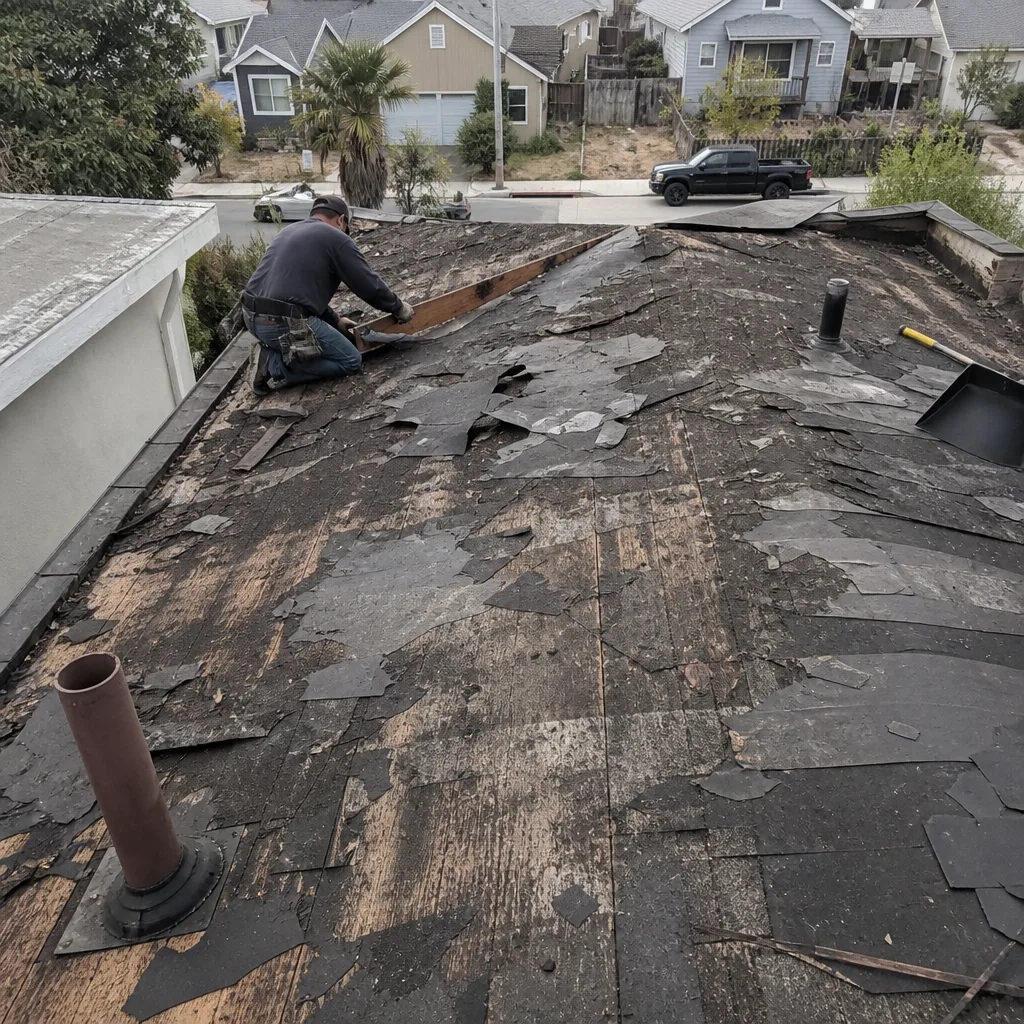 Before
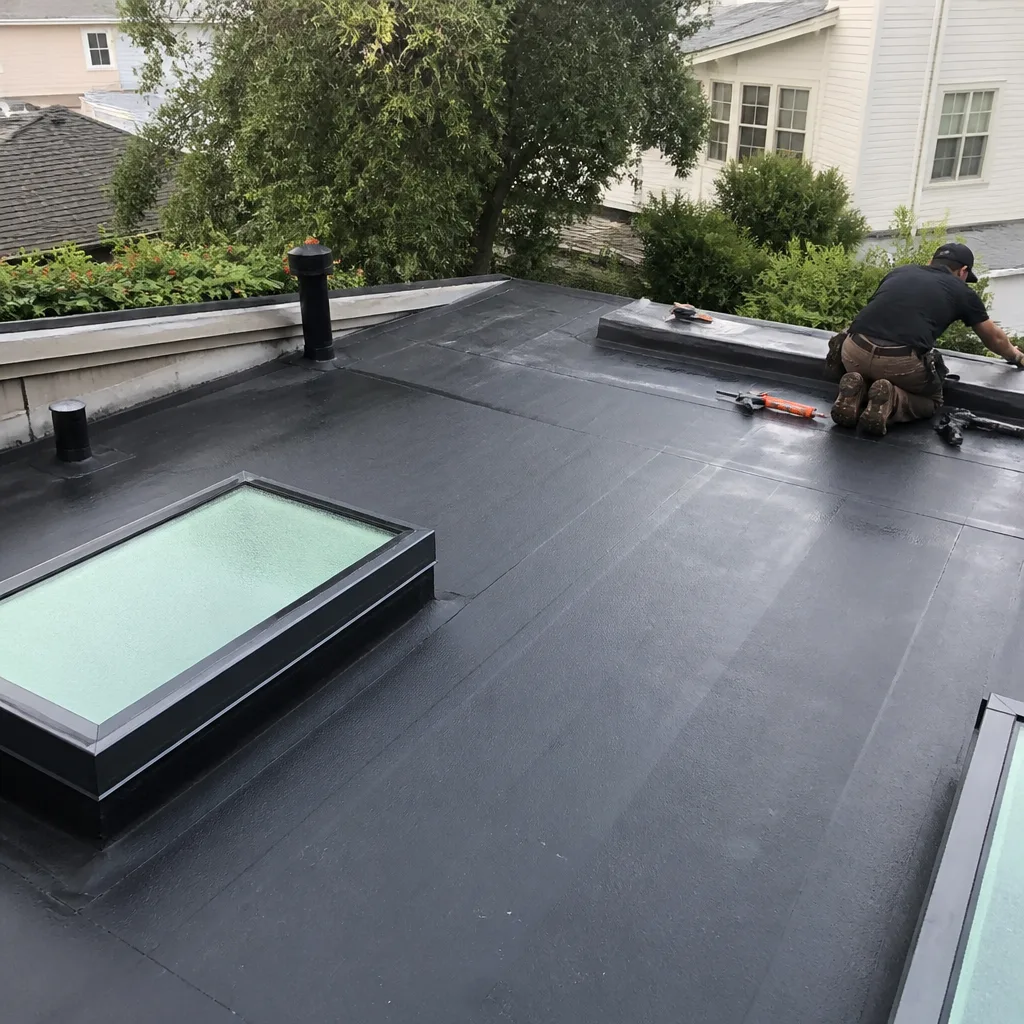 After
After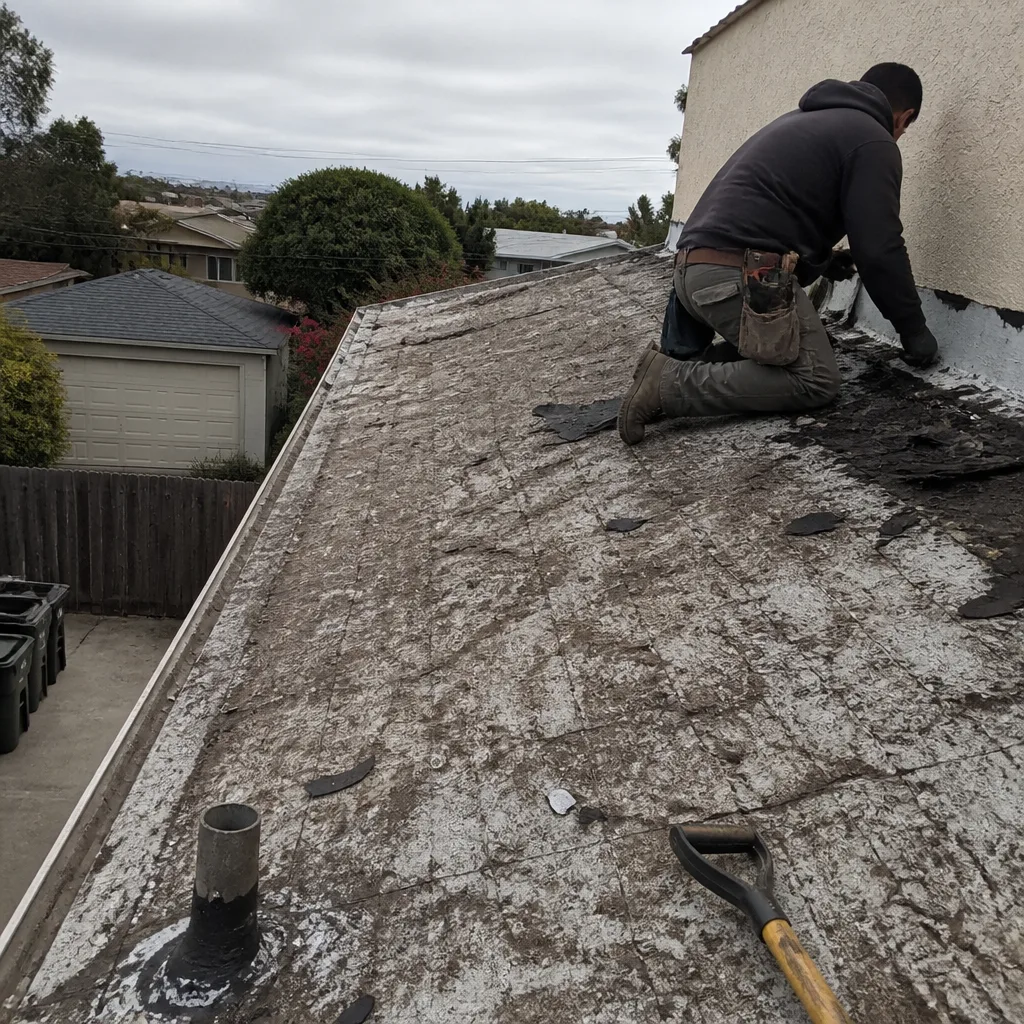 Before
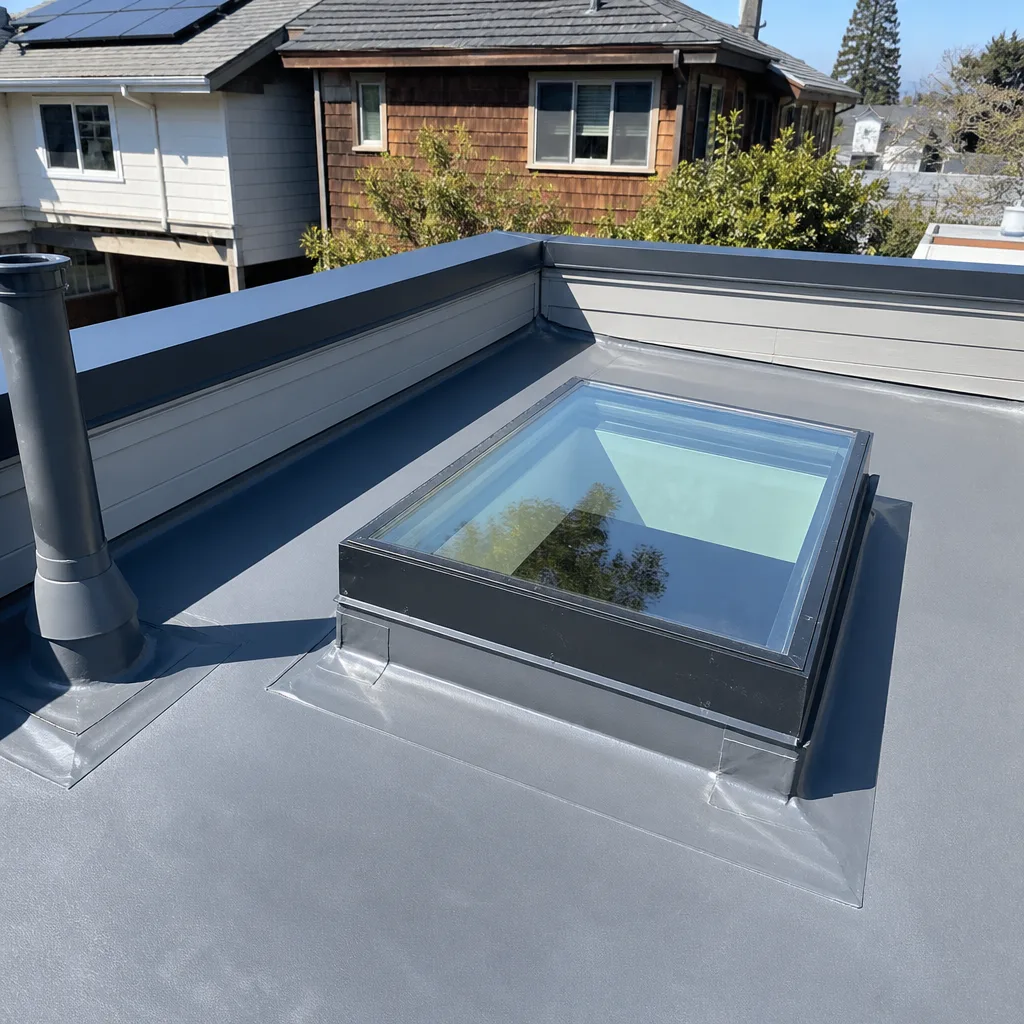 After
After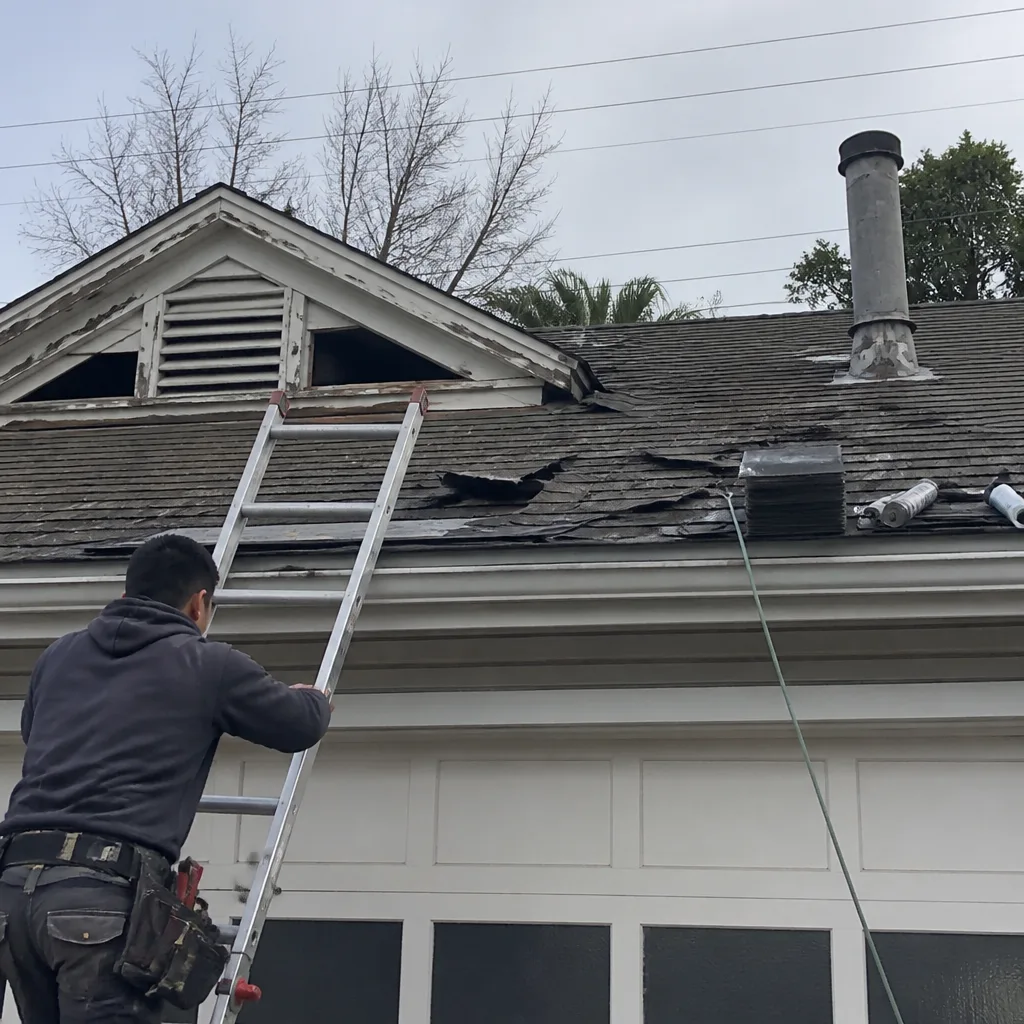 Before
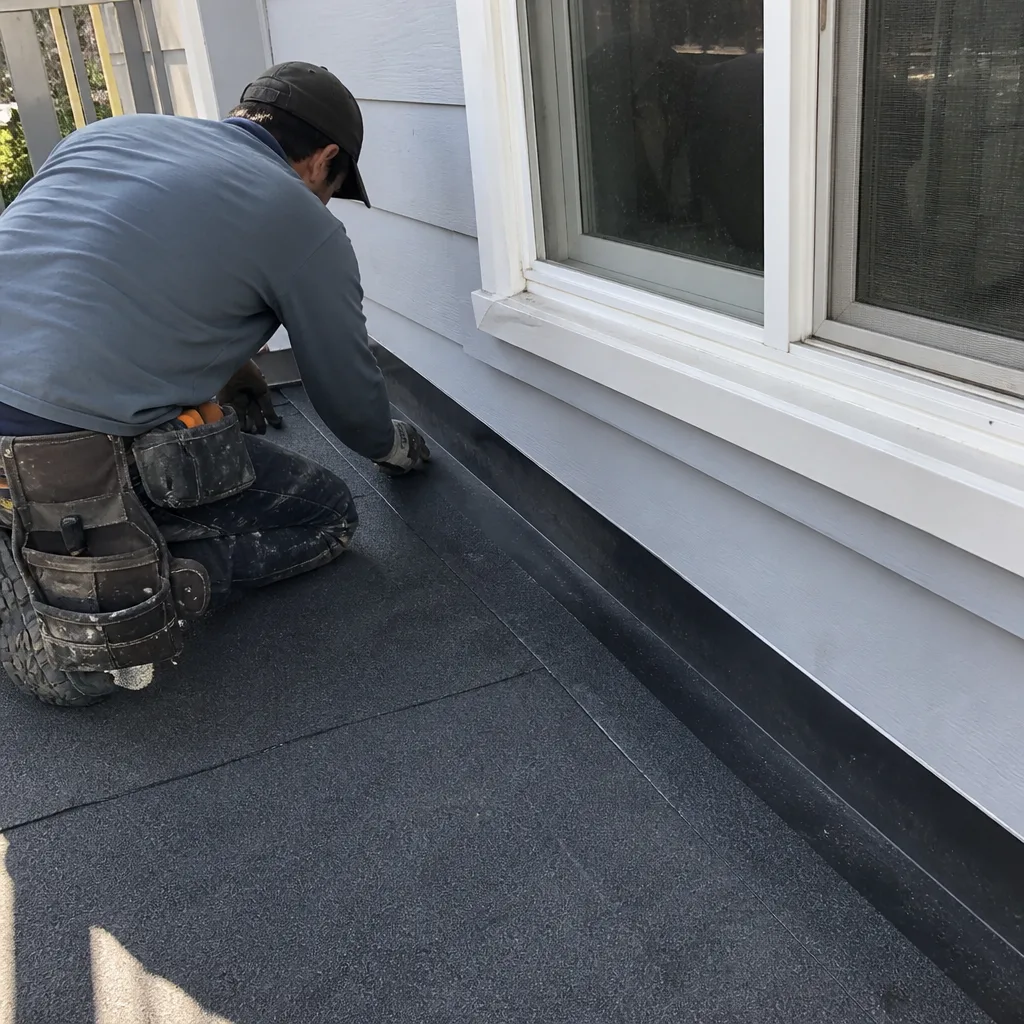 After
After