
Last updated October 17, 2026
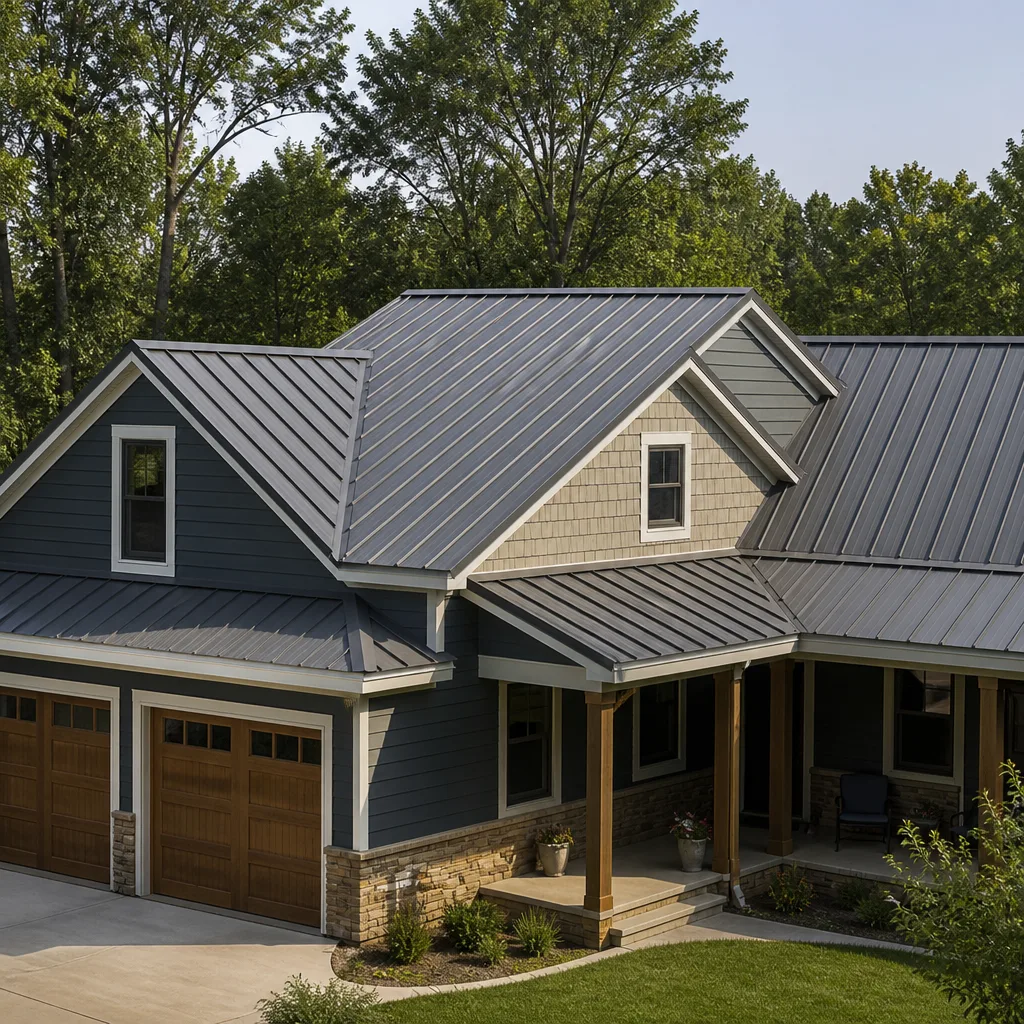 Metal roofing
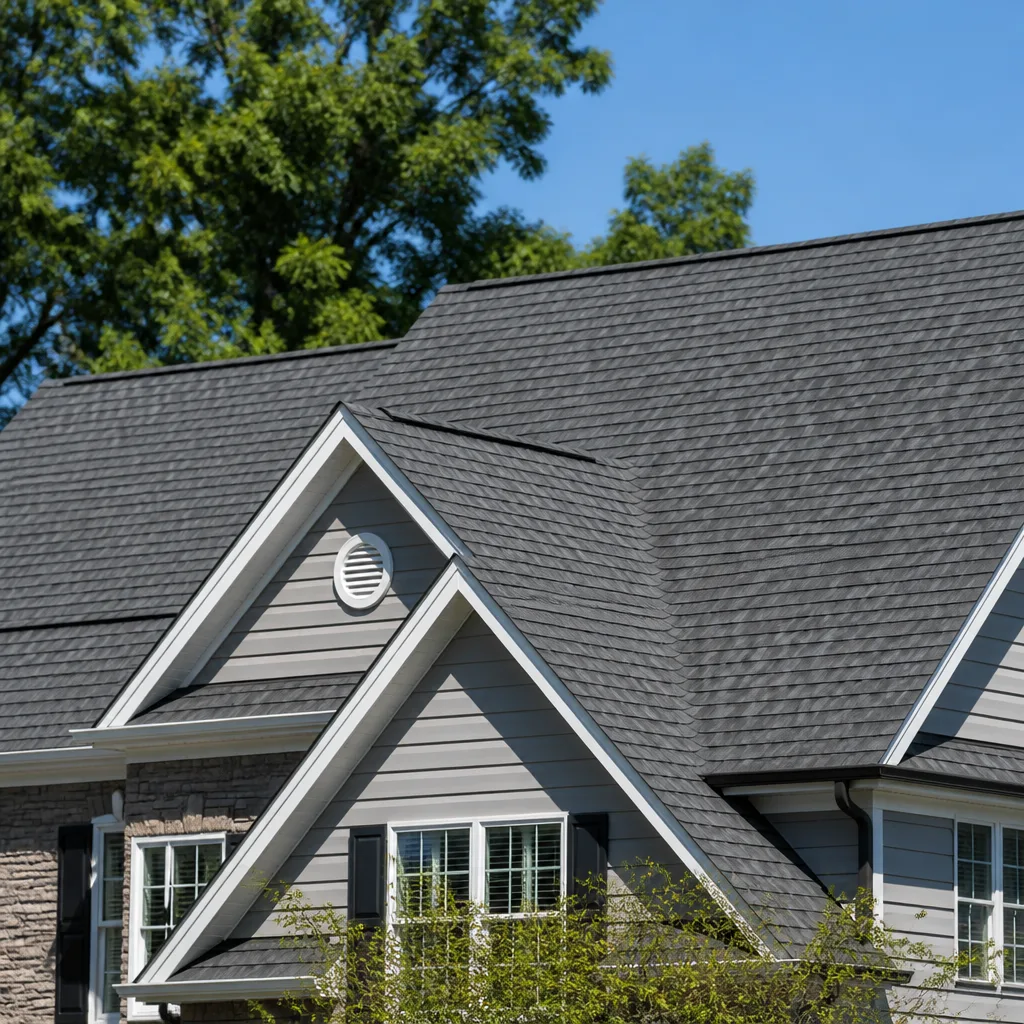 Architectural shingles
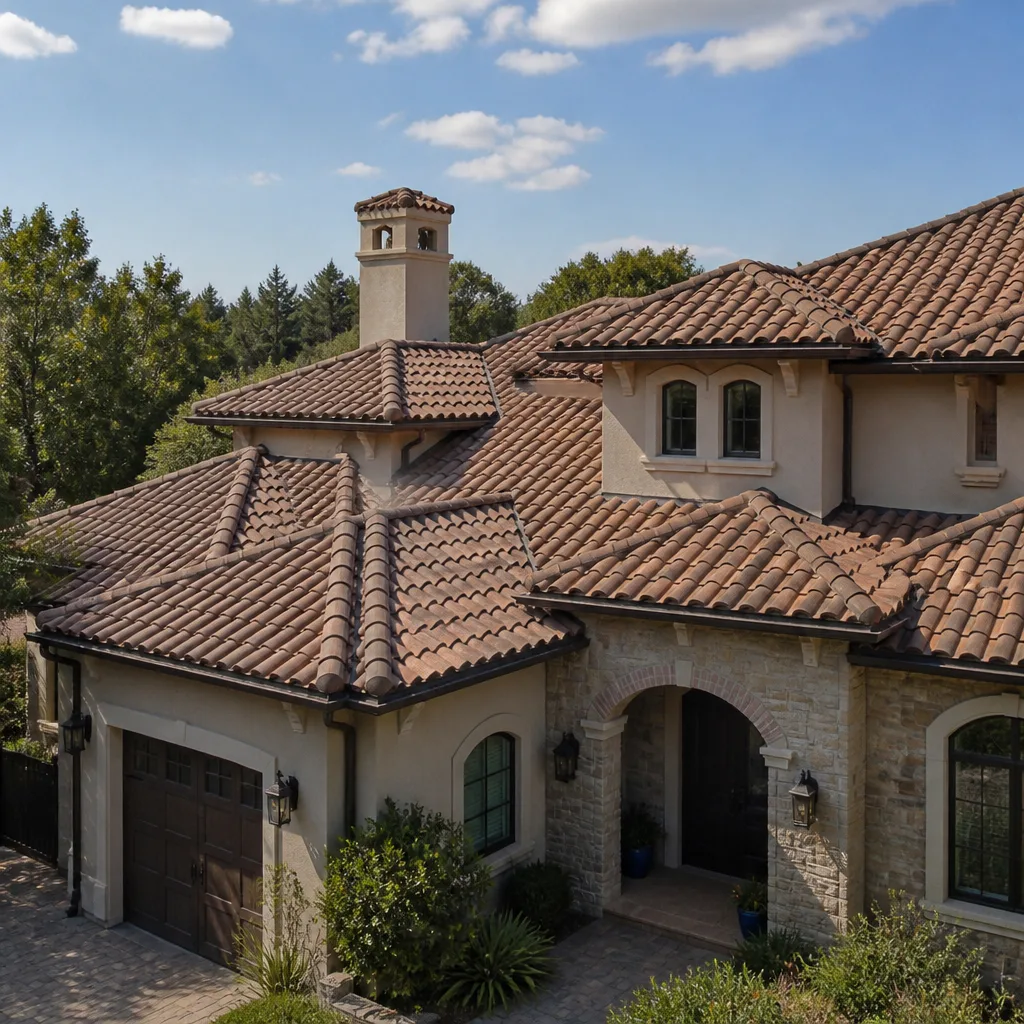 Tile roofing
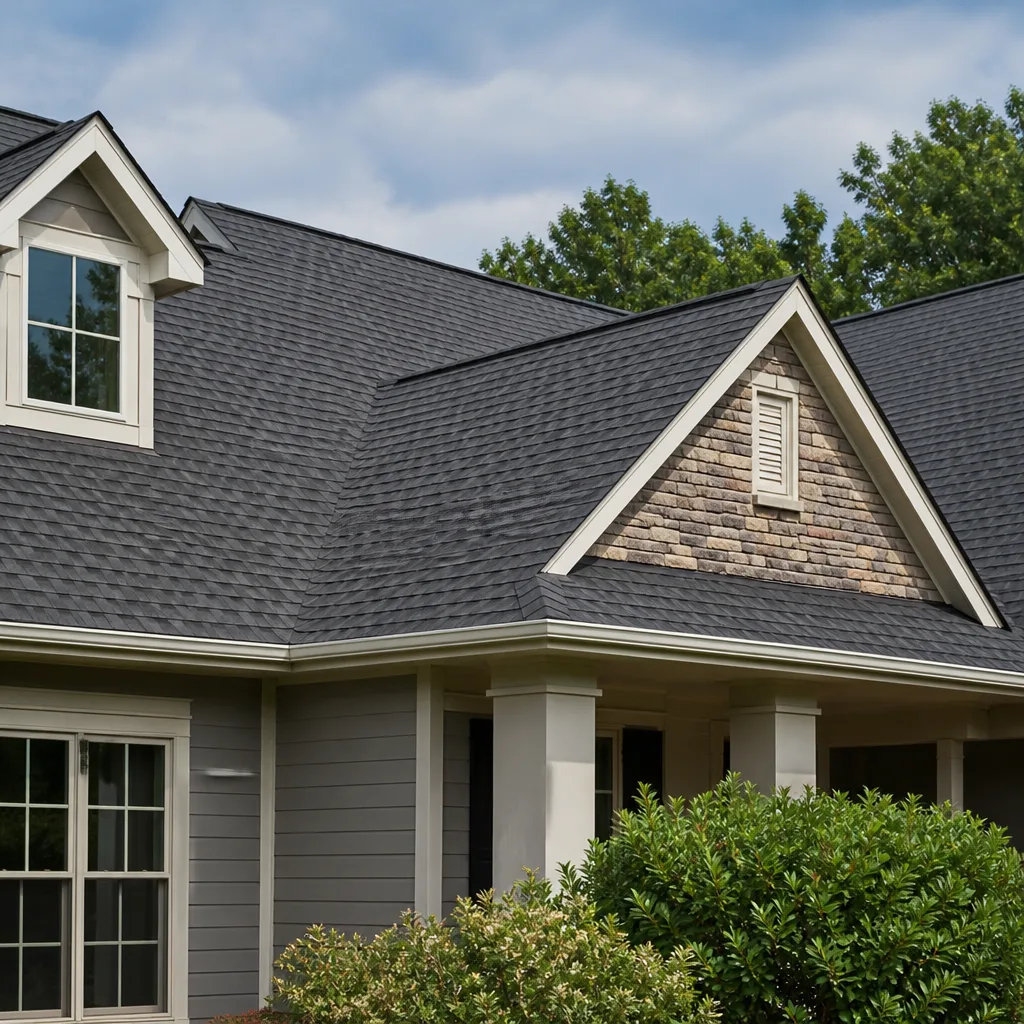 GAF
GAF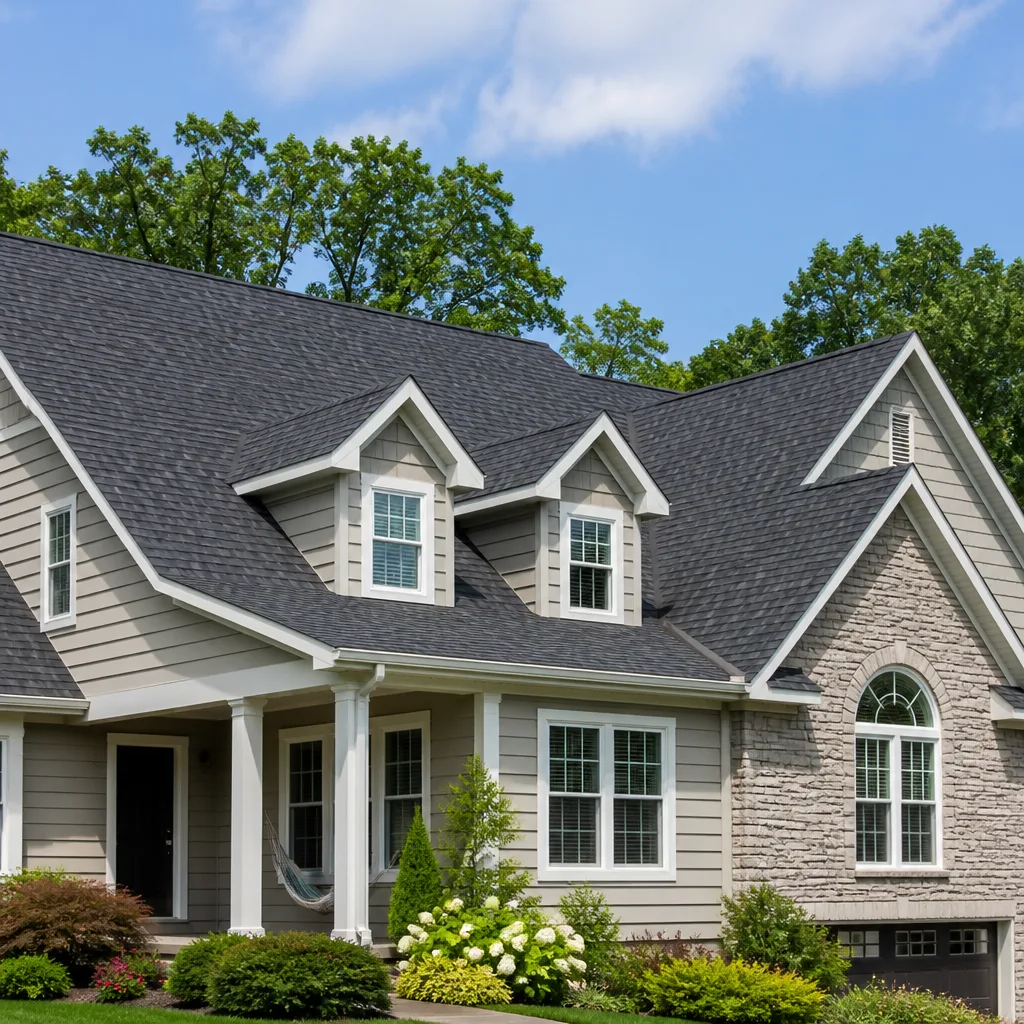 Owens Corning
 Flat & low-slope
Free roof inspection with deck photos before we talk money - GAF and Owens Corning certified installation
The Complete Guide to Roofing in San Francisco
San Francisco has more distinct micro-climates per square mile than almost any city in the country. The Sunset District gets roughly 30% more fog-hours annually than Noe Valley, just three miles away. That means your neighbor’s roofing choice may be the wrong one for your address. This guide explains how San Francisco’s Victorian-era housing stock, block-by-block weather patterns, and permit bureaucracy shape what a roof costs, how long it lasts, and why the cheapest bid in this city tends to fail in predictable ways.
Styles & brands we work with
Quick Answer
Roofing in San Francisco costs between $9,000 and $28,000 for a full replacement on a typical single-family home, depending on material, roof pitch, and whether the home falls under Victorian-era or hillside permitting rules. Repairs run $450 to $2,800 for most jobs. The right material for your roof depends more on your specific neighborhood’s fog, wind, and sun exposure than on national averages, and any project touching the roof deck or changing the roofing material typically requires a permit through the San Francisco Department of Building Inspection.
Table of Contents
- How San Francisco’s Micro-Climates Change Roofing Choices
- What Victorian and Edwardian Roof Decks Look Like When Opened Up
- San Francisco Permit Rules: Repair vs. Replacement
- Real Installed Roofing Costs by Material and Neighborhood
- Why the Lowest Bid Fails in San Francisco
- How to Read a Roofing Estimate in San Francisco
- Roof Maintenance for San Francisco Homes
- Common Mistakes to Avoid
- When to Call a Professional
- Frequently Asked Questions
- The Bottom Line
How San Francisco’s Micro-Climates Change Roofing Choices
San Francisco is not one climate. It is a collection of at least ten distinct micro-climates, and they shift the correct roofing answer from one block to the next. A material that works beautifully in the Mission can fail early in the Outer Sunset, and the reasons are specific and measurable.
The Sunset and Richmond districts sit in the fog belt. Roofs there spend long hours damp, even in summer when the rest of the city is dry. This sustained moisture promotes moss, algae, and organic growth on asphalt shingles, particularly on north-facing slopes that never fully dry. In our experience, composition shingle roofs in the Outer Sunset and Outer Richmond show visible organic staining within five to seven years if they are not treated or if the slope does not get direct afternoon sun. Homeowners in the fog belt should favor materials that resist moisture retention. Standing seam metal roofs perform well here because water sheets off quickly and the surface dries fast. If asphalt shingles are preferred, the algae-resistant lines from Owens Corning and CertainTeed hold up better in this environment than standard shingles, and we recommend them in the Sunset specifically for that reason.
Noe Valley, the Mission, and Potrero Hill sit in a warmer, drier pocket. These neighborhoods get more direct sun and less fog. Asphalt shingles last closer to their full rated lifespan here, while wood shakes and shingles, common on older Mission and Bernal Heights homes, dry out and crack over time. In the Mission heat pocket, we see wood shake roofs that have become brittle and cupped years earlier than identical installations in the fog belt. If you are replacing a wood roof in a sun-exposed neighborhood, the practical options are usually either a composite shake that mimics the look without the fire and drying issues, or a full switch to composition or metal.
Twin Peaks, Diamond Heights, and the upper slopes of Noe Valley face a different problem: wind. Exposed ridges and west-facing slopes get constant afternoon wind off the ocean. Wind-driven rain gets pushed under shingle edges and flashing, and poorly sealed roofs on exposed slopes leak in ways the same roof would not leak three blocks downhill. In high-wind zones, we specify extra fasteners, upgraded underlayment, and step flashing details that go beyond minimum code. A standard installation quote that does not account for wind exposure on a Twin Peaks ridge line is a quote that will produce a leak within a few years.
This is why the best starting point for any San Francisco homeowner is a roof inspection that accounts for the specific conditions of the address. The Roof Inspection in San Francisco process should include a walk of the roof surface, attic, and flashing points, with notes on fog, sun, and wind exposure for that specific block.
What Victorian and Edwardian Roof Decks Look Like When Opened Up
Most guides write about roofing as if every roof deck is a clean sheet of plywood. In San Francisco, that is rarely true. The city’s housing stock is dominated by Victorians built between roughly 1880 and 1910, and Edwardians built from about 1910 to 1925. When a roofer tears off shingles on one of these homes, what sits underneath is almost never a modern, uniform deck.
Here is what actually appears when the old roofing comes off a San Francisco Victorian or Edwardian:
- 1x skip sheathing with gaps. Original decks are often spaced boards, not plywood or OSB. The gaps between boards mean shingles are only partially supported. Building code requires a solid substrate for modern composition shingles, so the deck typically needs an overlay of plywood or OSB before new roofing goes on. This adds material cost and labor hours to the job.
- Redwood or Douglas fir boards in varying widths. Original sheathing is often old-growth lumber that has been in place for a century. Some boards will be sound. Others will have rot at the eaves or around old chimney flashing. Selective replacement is common.
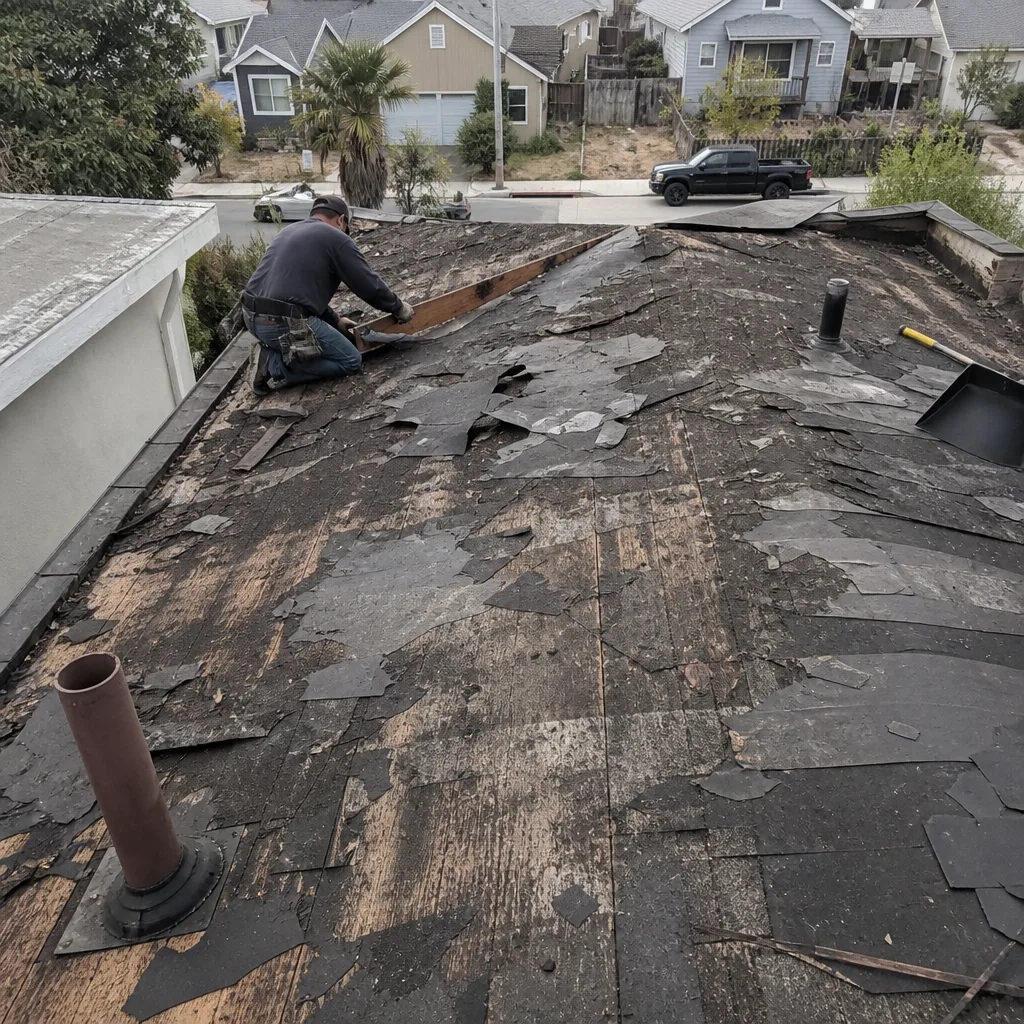
- Multiple layers of old roofing. It is common to find two, sometimes three layers of old shingles or rolled roofing on a San Francisco roof that has not been opened up in decades. Each layer adds tear-off labor and disposal cost. In some cases, the added weight has already caused visible sagging at the ridge or between rafters.
- Rot at the eaves and rafter tails. San Francisco’s damp winters concentrate moisture at the roof edges. On older homes, rafter tails under the eaves are frequently rotten and must be replaced or sistered before new drip edge and fascia go on.
- Chimney flashing failures at the brick. Victorian-era chimneys are often unlined brick that has been repointed several times. The flashing where the roof meets the chimney is a frequent leak source, and on older homes the brick itself may need repair before waterproofing can work.
This reality changes both cost and timeline. What looks like a straightforward shingle replacement can become a deck repair and rafter replacement job once the roof is opened. The honest way to handle this is to explain it before the tear-off starts. A roofer who has never opened a San Francisco Victorian cannot give you an accurate price. A roofer who has will tell you that the visible condition of the shingles is only half the story, and will build a written scope that accounts for the likely conditions underneath.
San Francisco Permit Rules: Repair vs. Replacement
San Francisco has some of the strictest building code enforcement in the state, and roofing work falls under the Department of Building Inspection (DBI). Understanding the line between repair and replacement matters because it determines whether you need a permit, and permits add cost and time to the project.
Here is a practical breakdown of how the rules apply to typical roofing work in San Francisco:
- Repair-only work generally does not require a permit. Under California Building Code and San Francisco amendments, replacing a limited area of shingles, repairing flashing, or sealing a small leak falls under maintenance and repair. The key is that the work does not touch the roof deck or alter the roofing system.
- Replacing the roof covering itself may not require a permit, subject to limits. San Francisco allows re-roofing of up to a certain area without a permit when the existing roof covering is removed and replaced with a comparable material and the underlying structure is not modified. This allowance is specific and limited. If the roof structure or sheathing is altered, the work moves into permit territory.
- Any structural modification triggers a DBI permit. If the tear-off exposes damaged decking that needs replacement, or if a roofer recommends adding a solid overlay because the deck is skip-sheathed, the scope now includes structural work. That requires a building permit, and the DBI will want to inspect the deck before it is covered.
- Changing materials on a hillside or in a historic district adds review. If you are in a designated historic district or your home is on the city’s historic resource list, changing the visible roofing material may require additional review. Hillside lots have stricter structural requirements because roof loads and wind forces are higher.
- Inspections happen in stages. When a permit is required, the DBI typically inspects after tear-off and before the new roofing goes on, and again at completion. The timeline depends on DBI scheduling, which has been a known bottleneck in San Francisco for years. A contractor who does not account for inspection scheduling in the project timeline is giving you an unrealistic completion date.
The practical takeaway: if your roofer says no permit is needed, ask why. If the answer is “it’s just a re-roof,” that may be correct. If the answer is vague or they change the subject, the job may not meet code. A Roofing Company in San Francisco that works here regularly should be able to explain, in writing, whether your specific scope requires a DBI permit, what the inspection timeline will be, and who pulls the permit.
Real Installed Roofing Costs by Material and Neighborhood
National roofing cost averages are not useful in San Francisco. Labor rates here are among the highest in the country, disposal fees are high, and the age of the housing stock adds deck work that newer suburbs never see. These ranges reflect what we see on actual San Francisco jobs, including a typical 1,200 to 1,800 square foot roof on a single-family home.
| Material | Typical Installed Cost Range | Notes for San Francisco Homes |
|---|---|---|
| Asphalt composition shingle (architectural) | $9,000 – $17,000 | Most common choice. Algae-resistant lines perform better in fog-belt neighborhoods. |
| Standing seam metal | $20,000 – $32,000 | Strong performer in the Sunset and Richmond fog belt. Higher upfront cost, long lifespan. |
| Composite shake or slate-look | $16,000 – $26,000 | Good compromise for Victorians where the owner wants a period look without wood shake fire issues. |
| Clay or concrete tile | $24,000 – $38,000 | Requires structural verification. Many San Francisco roof frames were not built for tile weight. |
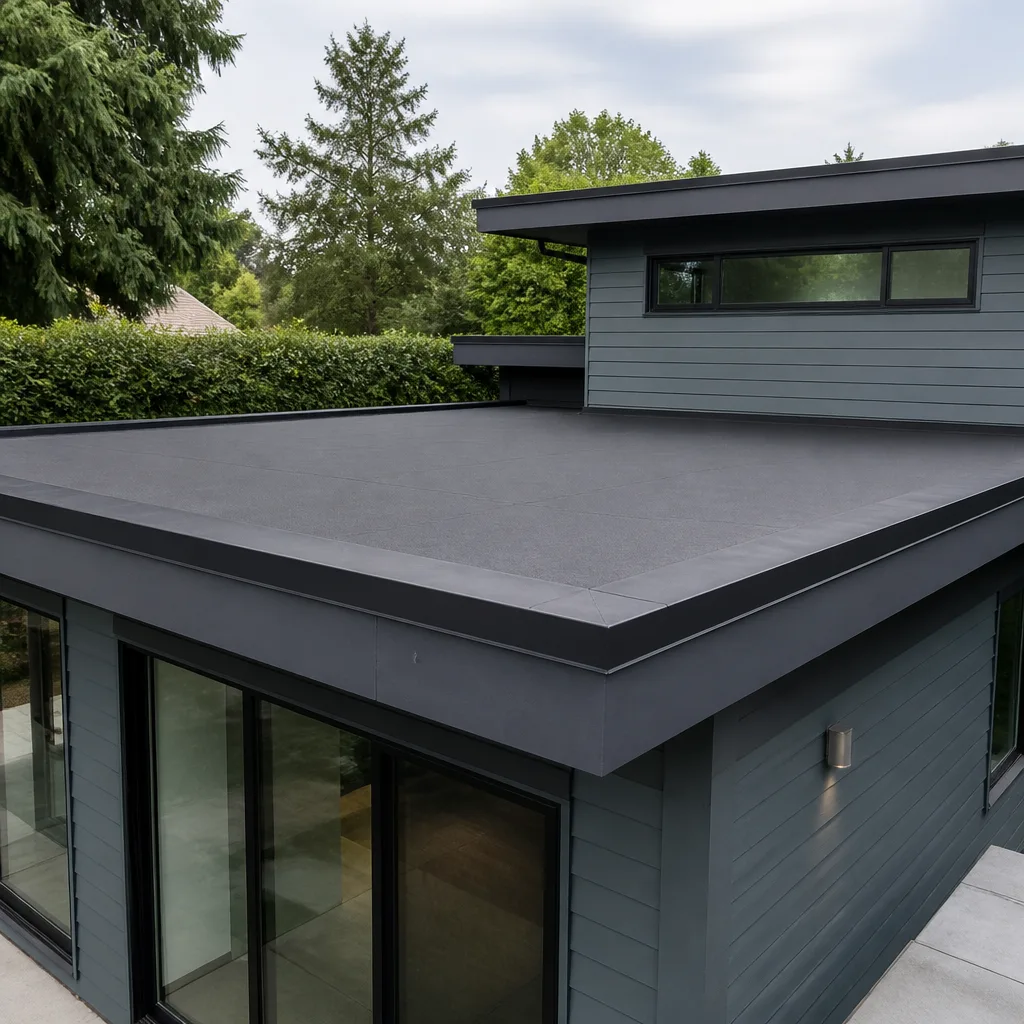
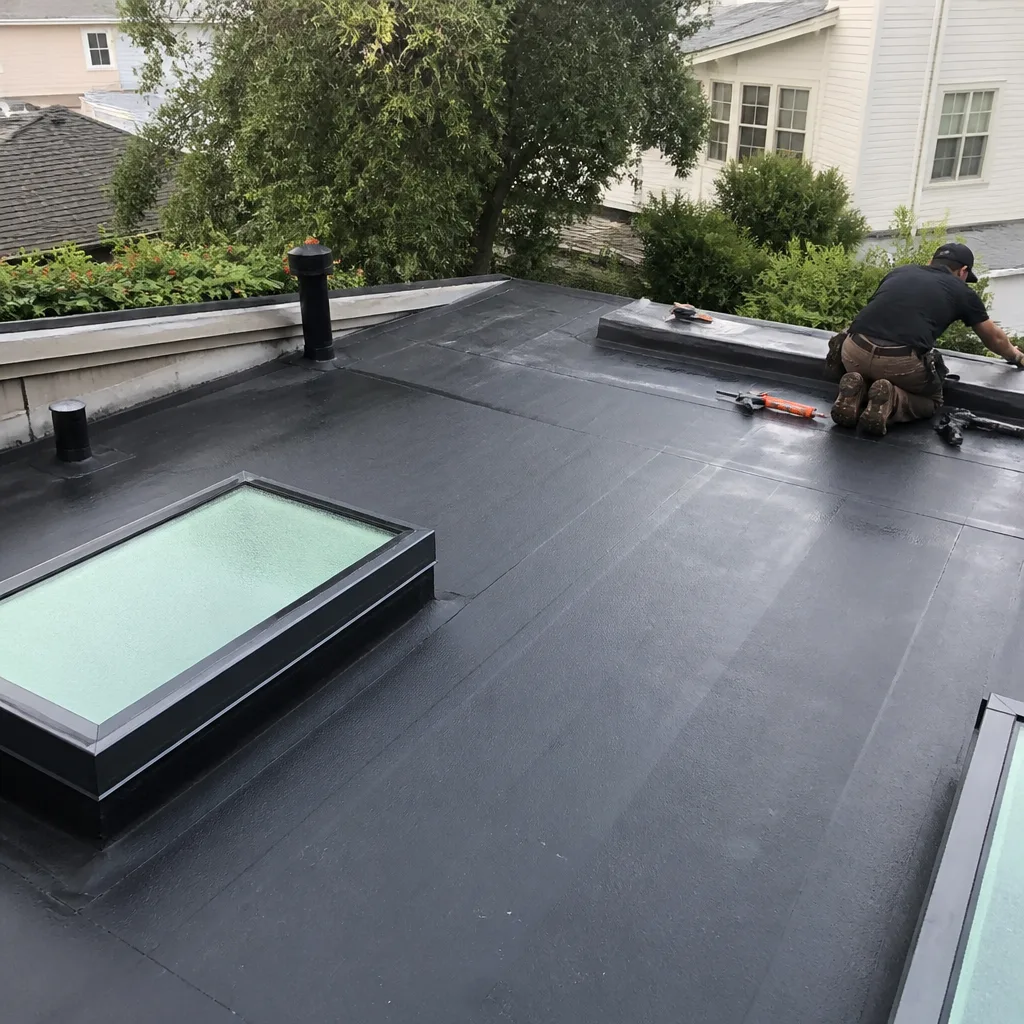
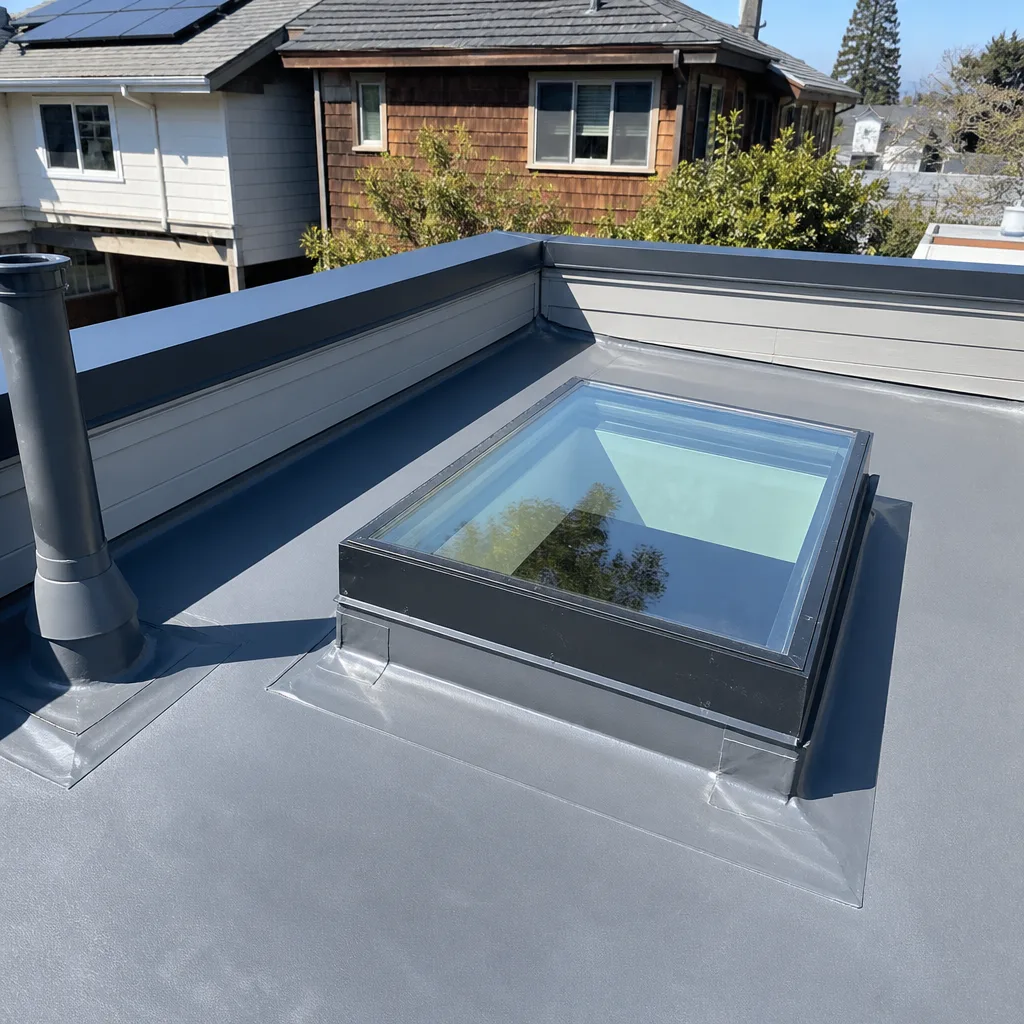
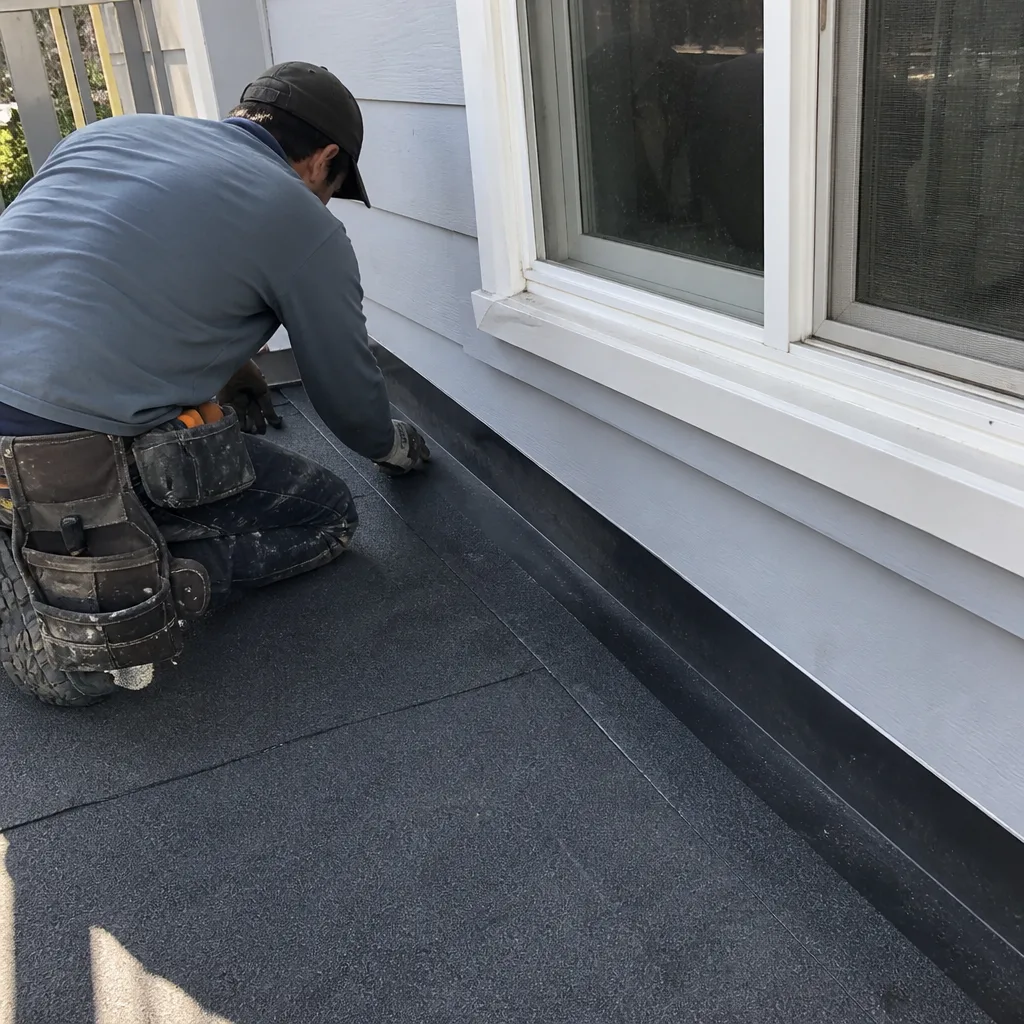
| Modified bitumen or TPO (flat or low-slope roofs) | $8,000 – $16,000 | Common on Edwardian-era additions, bay windows, and flats buildings. |
These ranges assume a straightforward re-roof with sound decking. Actual final price moves based on several neighborhood-specific factors:
- Roof access. Many San Francisco homes sit on tight lots with no side yard. Roof tear-off debris has to be carried through the house, down stairs, and out to a truck that may have to double-park. This adds labor hours, and labor is the single largest line item on any San Francisco roofing job.
- Pitch and height. Three-story Victorians with steep roof pitches cost more to roof than single-story Edwardians. Crews work slower on steep slopes, need more safety equipment, and staging is harder.
- Deck condition. If the tear-off reveals skip sheathing that needs an overlay, or rotted boards that need replacement, the job cost rises by $1,500 to $4,000 depending on the extent. This is the most common source of “the price changed once we opened it up” disputes in San Francisco, and the reason we insist on a written scope that anticipates it.
- Hillside lot requirements. Homes on hillsides often need additional fastening and sometimes engineering review, which adds cost before a single shingle goes down.
Repairs land in a tighter band: $450 to $900 for small flashing repairs or a few missing shingles, $1,200 to $2,800 for larger repair scopes involving multiple leak points, chimney flashing, or a section of underlayment replacement. The Roof Repair in San Francisco scope should always be in writing before work starts, with the exact repair areas and materials listed.
Why the Lowest Bid Fails in San Francisco
Every city has cheap roofers. San Francisco has specific incentives for corner-cutting because the cost drivers here are so high. When a bid comes in dramatically lower than the others, one of three things is usually happening:
- The deck work is not in the bid. A roofer can price a job assuming the deck is sound, knowing the crew will “discover” damage after tear-off. Then the change order comes. The homeowner already has a torn-off roof and no leverage. This is the single most common corner cut on San Francisco jobs, and it is the reason our written price includes the anticipated deck scope before any work starts, with the assumptions spelled out.
- Underlayment is being skipped or downgraded. On a steep Victorian roof in a wind-exposed neighborhood, underlayment quality matters as much as the shingle. Cheap synthetic underlayment or old-school felt with minimum fastening saves a few hundred dollars on materials and creates leaks that show up in the first winter storm. In the Sunset and Richmond, this failure shows up faster than anywhere else in the city.
- Flashing is being reused. Good flashing at chimneys, walls, and valleys is the difference between a roof that leaks in year five and a roof that does not. Some low bids assume the existing flashing will be “reconditioned” and reused. On a 100-year-old house, that flashing is often the original source of the leak. Reusing it is not a savings; it is a deferred repair with a bigger price tag later.
There is a fourth factor, not exactly a corner cut but a business model: some low bidders run multiple crews on volume and count on the fact that a percentage of customers will not call back when something goes wrong. The bid is low because the follow-up is expensive and the roofer does not intend to do it. A written guarantee that covers the work for a full year, with a free return visit if something fails, changes the economics for the roofer. It is easy to write a low bid when you never plan to come back. It is harder to write a low bid when a return visit is guaranteed in writing.
How to Read a Roofing Estimate in San Francisco
A roofing estimate is only as good as the detail it contains. In San Francisco, the estimate should answer three questions before you sign anything: what exactly is being done, what happens if the deck is bad, and who handles the permit. For help finding the right professional, see our guide on how to hire a roofing contractor in San Francisco.
Here is what a complete San Francisco roofing estimate should include, line by line:
- Scope of work. Every surface to be replaced or repaired, in plain language. “Re-roof main house” is not a scope. “Tear off two layers of existing asphalt shingle, inspect deck, replace rotted deck boards as needed, install new underlayment, new architectural shingle per manufacturer spec, new drip edge, new chimney step flashing” is a scope.
- Materials by brand and product line. The estimate should name the manufacturer and product line, not just say “30-year shingle.” GAF Timberline, CertainTeed Landmark, and Owens Corning Duration are different products with different warranties and different performance characteristics. The estimate should tell you which one you are paying for.
- Deck repair assumptions. The estimate should state exactly what is included for deck work: how much replacement lumber is anticipated, at what unit cost, and what happens if the damage is worse. Our written price says plainly: this price includes up to X boards of deck replacement at Y per board. Beyond that, we stop and show you the deck before any additional charge.
- Permit and inspection line items. If a permit is required, the estimate should say who pays for it, who schedules the inspection, and how inspection delays affect the timeline. A roofer who cannot answer these questions has not done enough San Francisco work.
- Warranty language. What is covered, for how long, and what happens if it fails. The 365-Day Done Right Promise at Brennan Roofing is specific: every repair and installation is guaranteed in writing for one full year, and if it fails within that period, we come back at no charge. That is the level of specificity you want in any roofer’s warranty language.
- Payment terms. A clear payment schedule tied to milestones, with no demand for full payment before work begins. A contractor who asks for 50% or more up front in San Francisco is financing your deposit instead of doing the work.
Read the estimate the way you would read a contract, because it is one. If a line item is vague, ask for it to be made specific. If the answer is resistance, that is information. The Brennan Roofing Co San Francisco home process is built around this: the price goes on paper before any work starts, and it does not move at the door. If you are comparing bids, put the three most detailed estimates side by side. The detail gap usually predicts the quality gap.
Roof Maintenance for San Francisco Homes
Roof maintenance in San Francisco is not optional, and the necessary rhythm depends on your neighborhood. Homes in the fog belt need more frequent attention than homes in the sun belt, and the failure patterns are different. Download our Roofing Company Maintenance Checklist for San Francisco Homeowners to stay on track.
For most San Francisco homes, a reasonable maintenance schedule looks like this:
- Annual visual inspection after the rainy season. Walk the perimeter, check the roof with binoculars or a ladder, and look for lifted shingles, rusted flashing, and accumulated debris. In the Sunset and Richmond, pay specific attention to north-facing slopes for moss and organic growth.
- Gutter and downspout cleaning twice a year. San Francisco’s eucalyptus, pine, and Monterey cypress drop more debris than most climates, and clogged gutters force water back into the eaves and fascia. On older homes, this is how rafter tails start to rot.
- Chimney and skylight flashing check every two years. These are the most common leak points on Victorian and Edwardian homes, and the seals degrade faster in wind-exposed areas like Twin Peaks and the upper Richmond.
- Moss treatment in fog-belt neighborhoods. If you live in the Outer Sunset, Outer Richmond, or near Golden Gate Park, moss will form on shaded slopes. Treat it before it lifts shingle edges and creates water channels.
- After every major storm. San Francisco gets real rain a handful of days a year, but those days test a roof. After a heavy storm, check ceilings, attic spaces, and the roof surface for any sign of water penetration.
A maintenance routine catches small problems before they become structural ones. A $600 flashing repair found in June is a different financial event than a $3,000 ceiling and insulation repair found in January after the leak has been running for weeks. This is the practical argument for an annual roof inspection, done by someone who knows what to look for on a San Francisco roof specifically.
Common Mistakes to Avoid
- Choosing materials based on national recommendations. A shingle rated for a dry, sunny climate is the wrong shingle for the Outer Sunset. Match the material to your block’s fog, wind, and sun exposure, not to a national best-seller list.
- Accepting a bid that does not mention deck repair. If the estimate does not spell out what happens when the deck is opened and found damaged, you are agreeing to an open-ended price. This is the most expensive omission in San Francisco roofing.
- Reusing old flashing to save money. Flashing is the weak point on most Victorian and Edwardian roofs in San Francisco. Reusing it is false economy.
- Putting clay or concrete tile on a roof without a structural check. Many older San Francisco roof frames were not engineered for tile weight. Verify before you buy.
- Ignoring the permit question. Some roofers say no permit is needed when one is. If the DBI catches unpermitted structural work, the homeowner is the one who pays to correct it.
- Skipping annual inspection because “the roof looks fine.” The damage that matters is usually not visible from the street. By the time you see it, the deck underneath is already compromised.
- Paying in full before work starts. A contractor who demands full payment up front has no incentive to finish the job correctly. Milestone-based payments tied to completed work are the norm for reputable San Francisco roofers.
When to Call a Professional
You should call a roofing professional when you see water stains on a ceiling or wall, when shingles are visibly lifting or missing, when the roof is older than 15 years and has never been formally inspected, or when you are buying a home and the disclosure report flags roof issues. Not sure whether to tackle it yourself? Read our DIY vs Professional Roofing: The San Francisco Homeowner’s Decision Guide. San Francisco’s combination of fog, wind, and century-old framing means small problems do not stay small. If a leak has reached the ceiling, the roof deck under the shingles has likely been wet for weeks or longer. Brennan Roofing Co San Francisco offers free estimates in San Francisco – call (831) 318-8819 and we will send a background-checked, uniformed technician to assess the roof and give you a written price before any work starts.
Frequently Asked Questions
A full roof replacement in San Francisco typically costs $9,000 to $28,000 for a single-family home, depending on material, size, roof pitch, and deck condition. Asphalt composition shingles run $9,000 to $17,000, standing seam metal runs $20,000 to $32,000, and composite shake runs $16,000 to $26,000. Call (831) 318-8819 for an exact quote on your specific roof.
It depends on the scope. Repair-only work generally does not require a permit, and a like-for-like re-roof may not require one. But any structural work on the deck, or any change to the roof structure, triggers a DBI permit with inspections. A qualified San Francisco roofer should be able to tell you in writing whether your project needs a permit.
A straightforward re-roof on a typical San Francisco single-family home usually takes 3 to 7 working days, not including inspection wait times when a permit is required. San Francisco DBI inspection scheduling can add days to the timeline, and steep roofs, tight access, and deck repairs extend the work. Any roofer who quotes one day for a full replacement is not accounting for a San Francisco job.
Standing seam metal or algae-resistant asphalt shingles perform best in fog-belt neighborhoods like the Outer Sunset and Outer Richmond. Moisture retention is the main failure driver there, so materials that dry quickly or resist organic growth hold up longer. CertainTeed and Owens Corning both make algae-resistant asphalt lines that work well in these conditions.
The spread in bids usually comes down to what is and is not included: deck repair scope, underlayment quality, flashing replacement, and permit handling. A low bid that omits these items will grow through change orders once the roof is opened. A higher bid that spells everything out is usually the more accurate price.
Look for a written price before any work starts, a specific warranty in writing, and a track record of work on San Francisco’s older housing stock. Ask what happens if the deck is damaged, who pulls the permit, and whether the flashing is being replaced or reused. At Brennan Roofing, every job operates under The Garrison Standard: written pricing, background-checked uniformed technicians, and a 365-day written guarantee on every repair and installation. Call (831) 318-8819 for a free estimate.
The Bottom Line
Roofing in San Francisco rewards homeowners who understand the city’s specifics. The microclimate on your block determines which materials will last and which will fail early. The age of your home determines what the deck looks like underneath the shingles, and that determines the honest cost of the job. The permit process adds time that a low bid may not account for. The cheapest bid in this city usually fails because it omits deck work, skips underlayment, or reuses old flashing. Get the price in writing, match the material to your address, and verify that the warranty is specific. That is how you roof a San Francisco home correctly. For more guides & resources, visit our blog.
Written by Travis Oakley, Owner at Brennan Roofing Co San Francisco, serving San Francisco since 2000.
See the difference
 Before
 After
After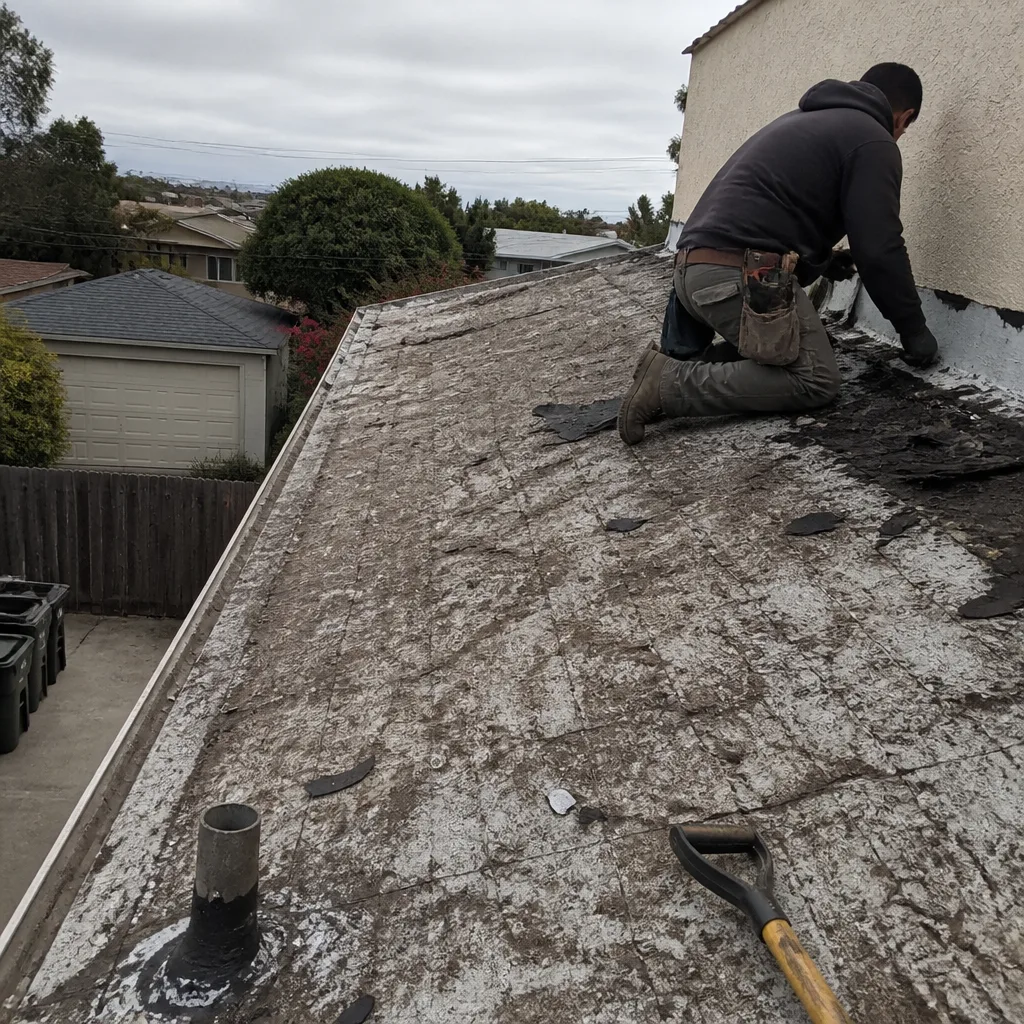 Before
 After
After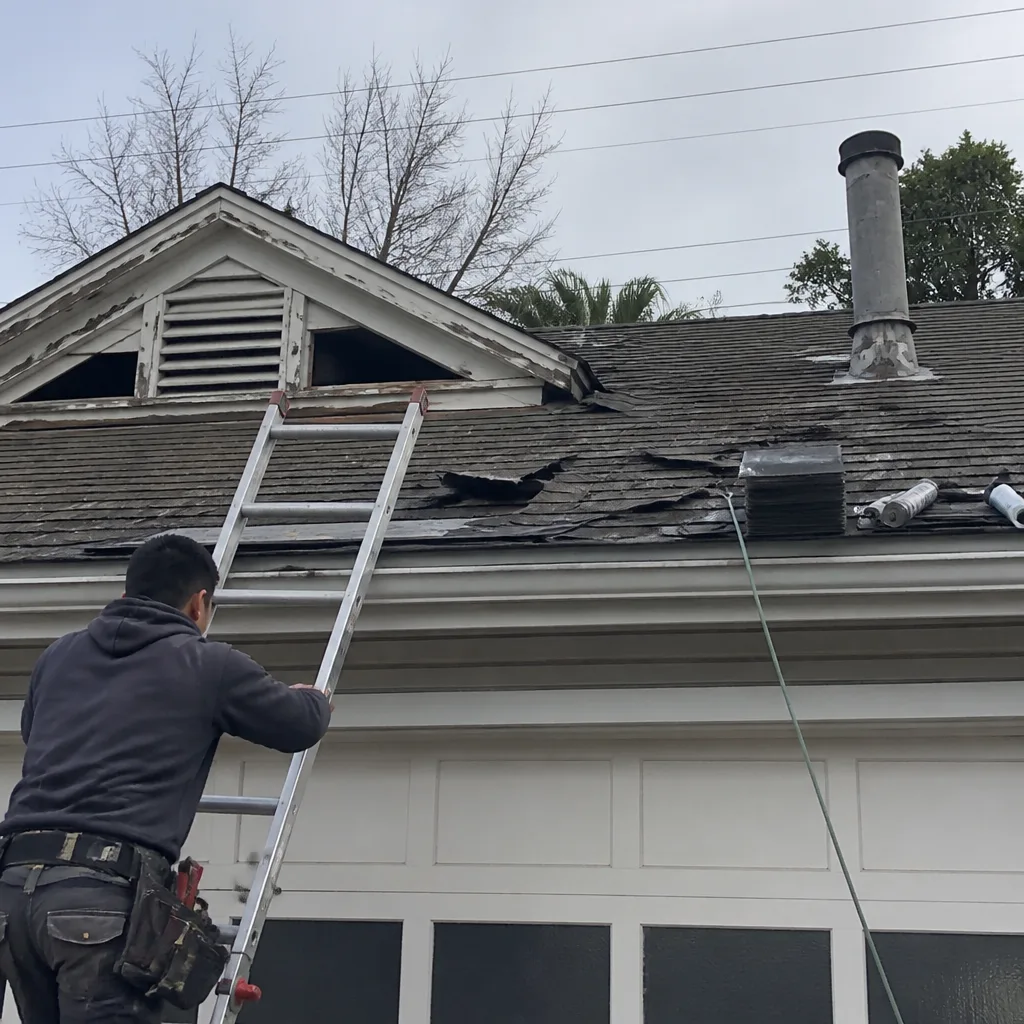 Before
 After
After