
Last updated October 17, 2026
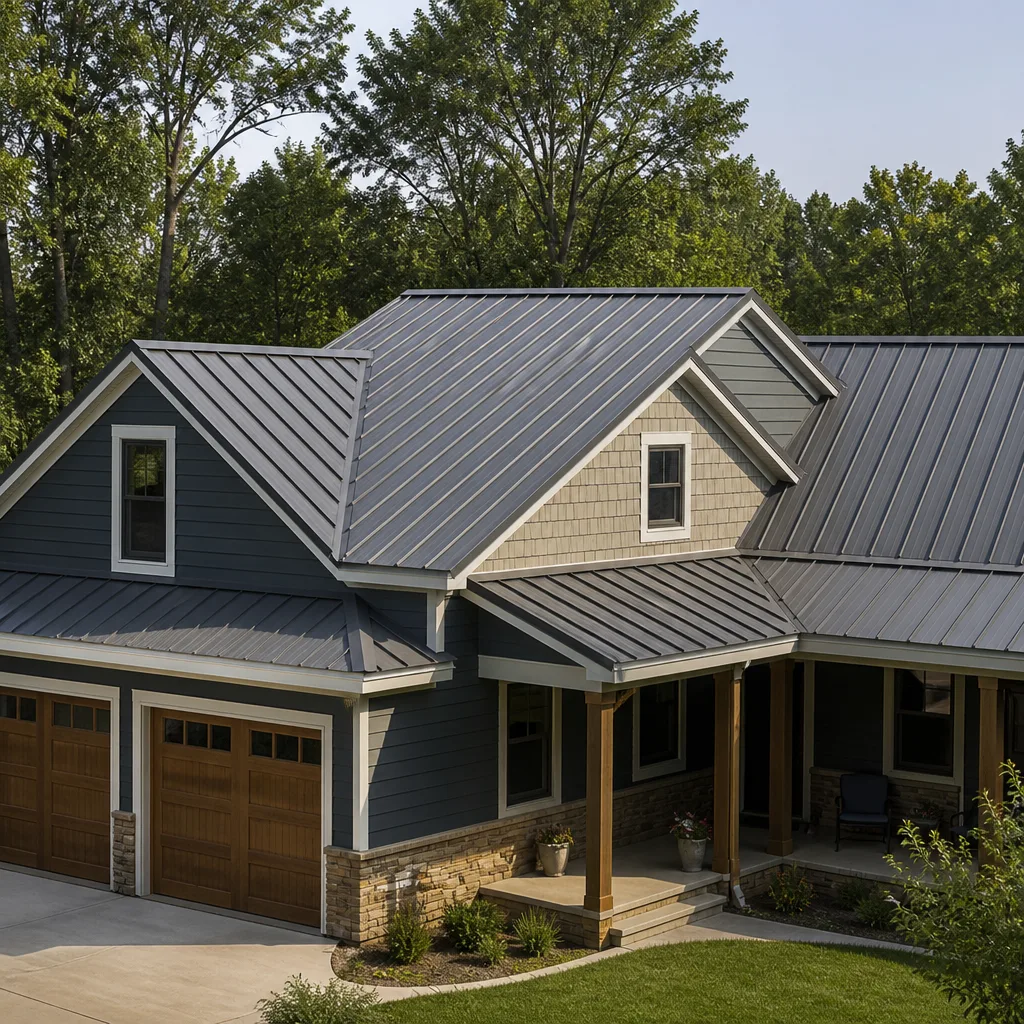 Metal roofing
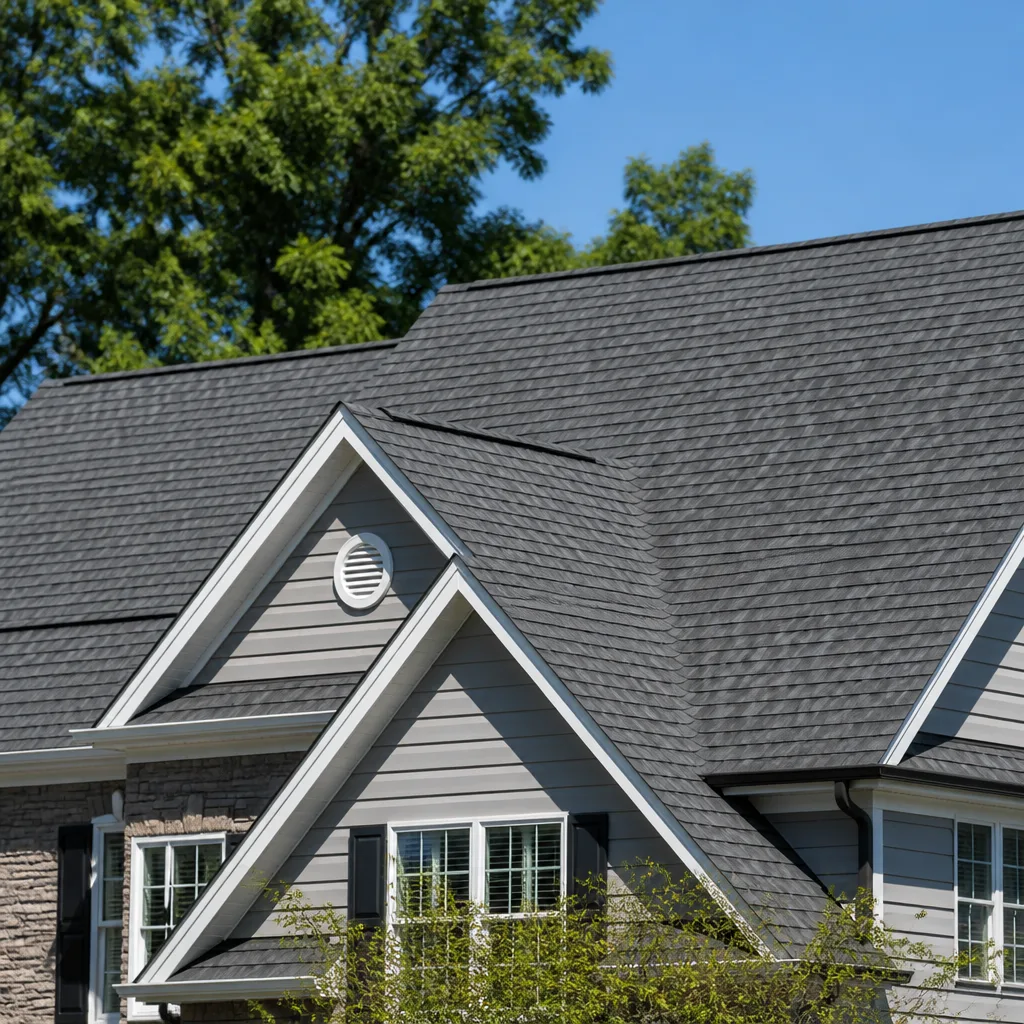 Architectural shingles
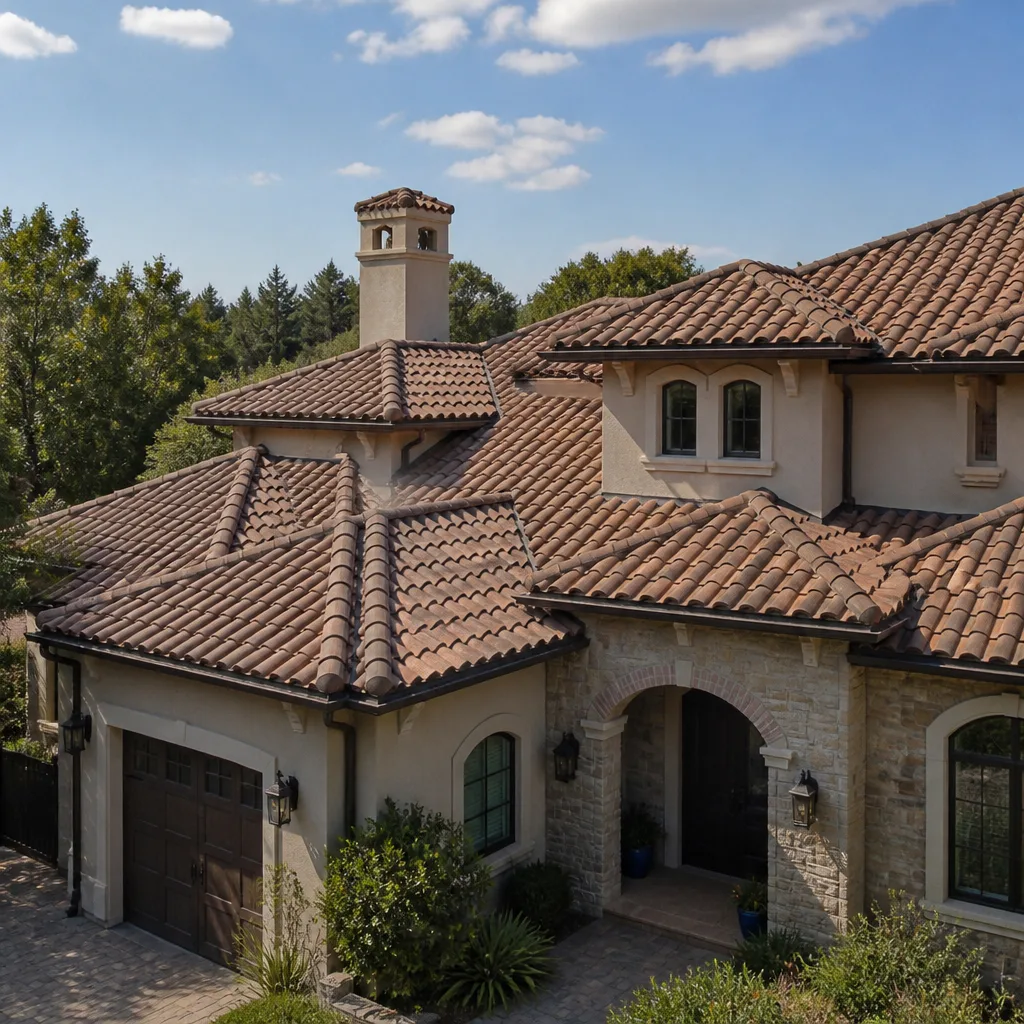 Tile roofing
 GAF
GAF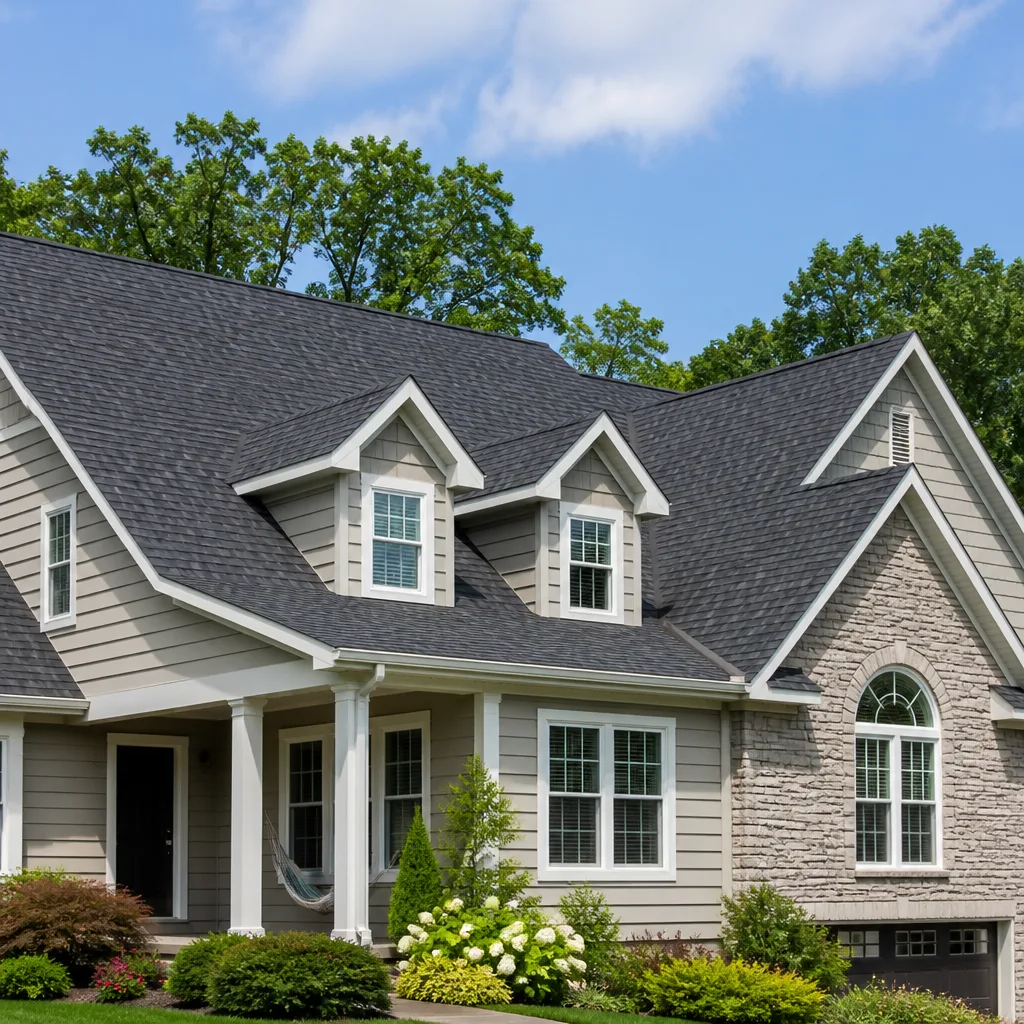 Owens Corning
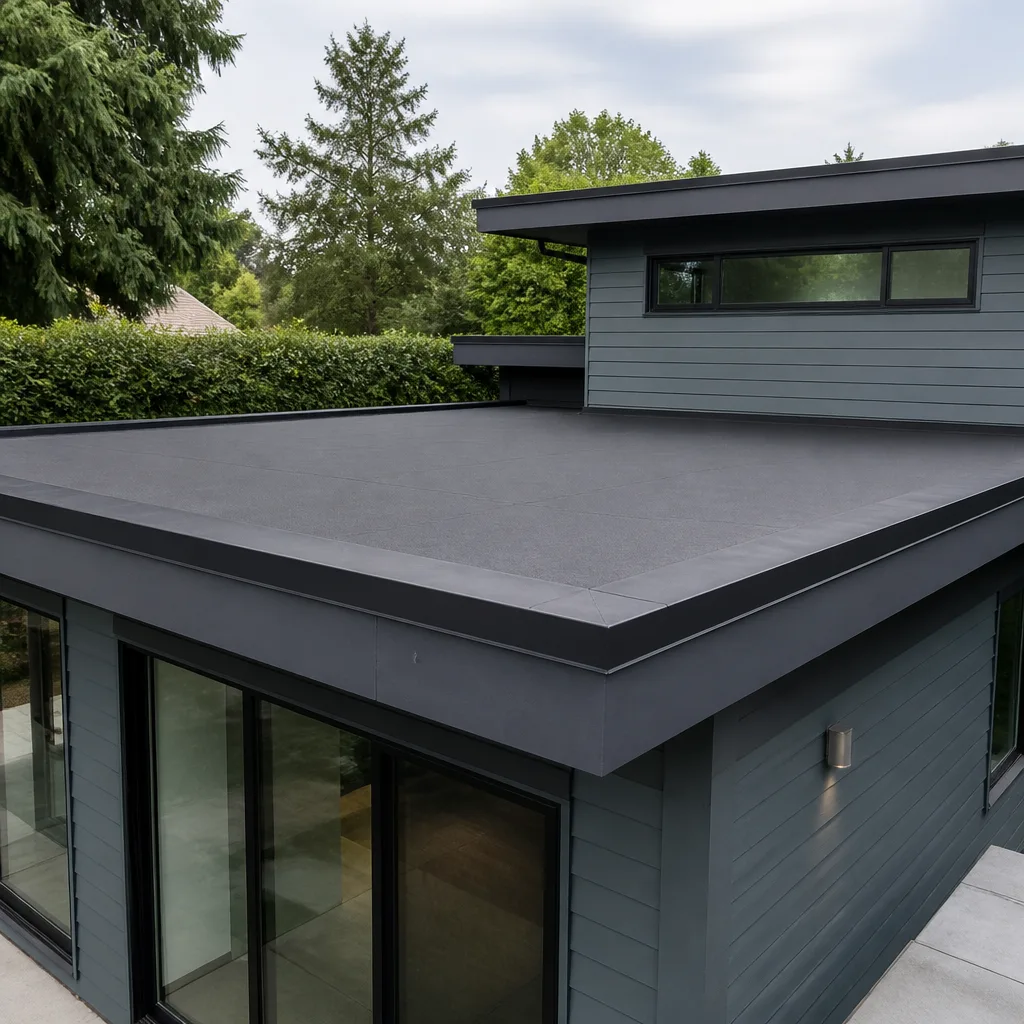 Flat & low-slope
Free roof inspection with deck photos before we talk money - GAF and Owens Corning certified installation
Roofing Cost Breakdown: The San Francisco Homeowner’s Reference for 2026
The national average for a full composition shingle re-roof lands somewhere around $9,000 to $12,000. In San Francisco, that same job routinely runs $18,000 to $28,000, and sometimes more. That gap is not contractor gouging, and it is not just “California prices.” It is the result of four specific, verifiable cost drivers that exist in San Francisco and almost nowhere else in the country. This guide puts real numbers on the page for San Francisco in 2026, so you can read a roofing bid line by line and know whether you are looking at a fair price or a number someone made up in a truck. For more guides & resources, see our blog.
Quick Answer
Roofing costs in San Francisco run 40 – 60% above the national average in 2026 due to four specific local factors: SFDBI permit fees and inspections, mandatory debris hauling (no curb pickup in San Francisco), vehicle parking and access fees for equipment, and a labor market where union-scale wages set the floor. A typical 1,500 to 1,800 square foot tear-off and re-roof in San Francisco ranges from $18,000 to $28,000 for composition shingle, $22,000 to $34,000 for torch-down, $25,000 to $38,000 for TPO, and $35,000 to $55,000 for standing seam metal, depending on deck condition and access.
Styles & brands we work with
Table of Contents
- Why San Francisco Roofing Costs More: The Four Local Drivers
- 2026 San Francisco Roofing Costs by Material
- What Deck Replacement Adds to the Job
- How to Read a San Francisco Roofing Bid Line by Line
- The Real Cost of Waiting: A Fog-Belt Repair Deferred
- Permits, Inspections, and the San Francisco Code
- How to Choose a Roofer in San Francisco Without Getting Burned
Why San Francisco Roofing Costs More: The Four Local Drivers
Before you can evaluate any roofing bid in San Francisco, you need to understand what is pushing the number up. National cost calculators are useless here because they do not account for four local realities that every legitimate contractor in this city has to deal with. We will walk through each one with real dollar ranges so you can see where your money goes.
1. SFDBI Permit Fees and Inspection Costs
San Francisco is one of the only cities in the country that requires a permit for a reroof, and the Department of Building Inspection (SFDBI) does not make it cheap. Permit fees for a typical single-family reroof in San Francisco run between $800 and $2,500 depending on the roof size and scope. That number includes the building permit itself, plan review time, and the mandatory field inspection. On top of that, a roofer has to schedule and sit through inspections, and if the inspector wants a correction, that is another trip. A contractor who quotes you a price without a permit line item is either eating the cost (unlikely) or planning to work without one, which puts the liability on you if something goes wrong. For more on what an inspection covers on the front end, see our page on roof inspection in San Francisco.
2. Debris Hauling: No Curb Pickup in San Francisco
In most of the country, a roofer can load old shingles and underlayment into a truck, drive to the local landfill, and pay a moderate tipping fee. In San Francisco, that old roof is classified as construction debris, and San Francisco does not allow construction debris in curbside bins. The material has to go to a certified transfer station, and Recology and the city both enforce this. A typical tear-off generates between 3 and 6 tons of debris. Disposal costs in San Francisco run $150 to $400 per ton, and most roofers add a hauling line item of $800 to $2,500 per job. Any bid that does not include disposal is a bid where the number will move later. That is a red flag, not a bargain.
3. Parking, Access, and Equipment Logistics
San Francisco streets are narrow. Parking a roofing truck, a debris trailer, and a material drop in front of a Sunset District row house or a Noe Valley hillside home is not the same as parking in a cul-de-sac in Walnut Creek. On many jobs, the crew needs a temporary no-parking permit from SFMTA, which runs $50 to $200 per day, plus the time to post signage. If the roof is on a steep street, materials may need to be hand-carried or walked up stairs rather than dropped from a truck. Some crews rent a lift or a conveyor for flat roofs in the Richmond or Marina districts where truck access is tight, adding $300 to $800 per day. These costs are real, they are specific to San Francisco, and they show up in every honest bid.
4. Union Labor and the Wage Floor
San Francisco has one of the highest prevailing wage standards for construction labor in the United States. A non-union residential crew in, say, Sacramento might pay a roofer $25 to $35 an hour. In San Francisco, that same roofer is making $40 to $65 an hour, and a journeyman with a commercial certification commands more. That labor rate difference alone adds $3,000 to $7,000 to a full reroof. We are not complaining about this. Skilled labor deserves to be paid. But you should know that when a bid from San Francisco is 50% higher than a bid from the East Bay, a large share of that difference is labor cost, not profit margin.
2026 San Francisco Roofing Costs by Material
The numbers below are installed cost ranges for a typical San Francisco single-family home with a roof area between 1,500 and 1,800 square feet. They assume a full tear-off, permit, debris hauling, and standard access. They are accurate for 2026 San Francisco market conditions and should be used as a reference point when comparing bids, not as a fixed quote.
| Material | Installed Cost Range (1,500 – 1,800 sq ft) | Cost per Square (100 sq ft) | Typical Lifespan in SF Climate |
|---|---|---|---|
| Composition shingle (architectural) | $18,000 – $28,000 | $1,100 – $1,550 | 18 – 25 years |
| Torch-down modified bitumen (2-ply) | $22,000 – $34,000 | $1,300 – $1,900 | 12 – 18 years |
| TPO (single-ply membrane) | $25,000 – $38,000 | $1,400 – $2,100 | 15 – 20 years |
| Standing seam metal | $35,000 – $55,000 | $2,000 – $3,100 | 40 – 60 years |
Composition shingle is the default choice for most pitched roofs in the Sunset, Richmond, Glen Park, and West Portal. It is the most affordable material that still performs well in fog and wind. We install IKO, Atlas, and Tamko architectural shingles regularly, and the differences between them come down to weight, color availability, and wind warranty rating, not dramatic price. Expect a $200 to $600 price difference between comparable architectural shingle lines, not thousands.
Torch-down is the workhorse for San Francisco flat and low-slope roofs, which make up a large share of the housing stock in the Mission, Noe Valley, Bernal Heights, and the Marina. It is installed with heat, which means it requires an open-flame permit and a crew that knows the fire watch rules. That permit adds $100 to $300 to the job. The material itself is affordable; the labor and access are what drive the cost in San Francisco.
TPO is gaining ground on torch-down for flat roofs because it is white and reflective, which keeps the top floor cooler during the heat waves San Francisco increasingly sees in September and October. The membrane is welded at the seams, not torched, which some homeowners prefer. It is not a budget option, but the energy savings on a south-facing flat roof in the Mission can be measurable over a decade.
Standing seam metal is the most expensive common residential roofing material in San Francisco, and it is also the longest lasting. On a steep roof in Twin Peaks or Diamond Heights, where wind-driven fog tests every fastener, a properly installed standing seam roof can outlast two composition shingle roofs. The cost is driven by the metal itself and by the skill required to fabricate and seam panels on an irregular San Francisco roof plane. We install Boral steel and other standing seam systems when the budget and the architecture call for it.
What Deck Replacement Adds to the Job
Decking is the plywood or solid board layer beneath the shingles or membrane. In most of the country, roofers assume the decking is fine and only replace sections that are visibly rotten. In San Francisco, that assumption does not hold. A very large share of the city’s housing stock was built between 1900 and 1945, which means the original decking is often dimensional lumber boards, not plywood sheets. After 80 to 100 years of fog, rain, and roof leaks that previous owners ignored, those boards are often soft, split, or full of old nail holes.
What Deck Replacement Costs in San Francisco
If a roofer finds that the decking needs to be replaced, you are looking at an additional $3 to $6 per square foot of roof area on top of the base bid. For a 1,600 square foot roof, that is $4,800 to $9,600 extra. Some contractors will also recommend installing a new solid plywood layer over the old boards rather than tearing them out, which can add $2 to $4 per square foot. Neither number is small, and both are sometimes unavoidable.
Here is the practical reality: most roofers will not know whether the deck needs full replacement until the old roof comes off. A responsible contractor will write the deck replacement price per sheet or per square foot into the contract before any work starts, so there is no surprise negotiation on the second day of the job. Brennan Roofing operates under The Garrison Standard, which means the written price includes a stated cost per unit for any deck replacement, in writing, before the tear-off begins. The price for contingency work is on paper. It does not move at the door.
Older Homes: What to Expect
- Homes built before 1945: expect a 50 – 70% chance that at least some decking needs replacement, and a 20 – 30% chance the whole deck needs it.
- Homes built between 1945 and 1980: expect a 20 – 40% chance of partial deck replacement, usually around roof penetrations, chimneys, and areas where old leaks soaked the wood.
- Homes built after 1980: expect deck replacement only if there is visible water damage or the original installation was poor. Most of these roofs have plywood decking in good condition.
How to Read a San Francisco Roofing Bid Line by Line
A properly written San Francisco roofing bid has seven to ten line items. If a bid is just a single number on a business card, that is not a bid. That is a guess, and the number will change when the work starts. Here is what each line item means and what it should cost in San Francisco in 2026.
Tear-off and Disposal
This is the removal of the existing roof, loaded onto a truck, and hauled to a certified transfer station. In San Francisco, this line item should be $3,000 to $7,000 depending on roof size, number of layers being removed, and accessibility. If a roof has two or three layers of old shingles, the tear-off cost goes up because the crew is hauling double or triple the weight. If the bid also includes removing an old torch-down roof, expect the higher end of that range. A bid that lists tear-off without disposal is incomplete. Ask where the debris goes and whether the transfer station fee is included.
Underlayment
This is the water-resistant barrier between the decking and the finished roof. In San Francisco’s fog and wind-driven rain, underlayment matters more than it does in a dry climate. For a composition shingle roof, expect $1,500 to $3,000 for a full synthetic underlayment on a typical house. A single layer of 30-pound felt is cheaper but does not perform as well. For torch-down and TPO roofs, the underlayment line item is lower because the membrane system includes its own base layer.
Flashing
Flashing is metal material installed at every place the roof changes plane or meets something: valleys, chimneys, skylights, vents, and side walls. A San Francisco roof with three or four penetrations and one valley should have a flashing line item of $800 to $2,500. This includes the material and the labor to fabricate and install it. If a bid does not mention flashing at all, ask whether it is included. Cheap roofers skip flashing replacement, and bad flashing is the number one cause of roof leaks in San Francisco within the first five years.
Deck Repair/Replacement Contingency
As covered above, this line item should state a specific price per sheet or per square foot for deck replacement. The best San Francisco roofers write a number like “$110 per 4×8 sheet of 1/2 CDX plywood, installed and disposed” into the contract. That way, if 8 sheets need replacing, you know it adds $880 before any work starts, not after.
Permits and Inspections
A legitimate San Francisco roofing bid will list the permit and inspection line item separately, and it should be in the $800 to $2,500 range for a single-family home. For details, see Roofing Permits, Codes & Inspections in CA: What You Need to Know. This covers the SFDBI permit, the plan review if required, and the final inspection. A contractor who folds the permit into the price without stating it is probably not pulling one. Confirm before signing.
Material (Shingle, Membrane, Metal)
The finished roofing material itself should be its own line item, and the bid should state the manufacturer and product line. “Architectural shingle” is not specific enough. We quote IKO, Atlas, Tamko, and Boral product lines by name so the homeowner knows exactly what is going on the roof. The material cost for a 1,600 square foot composition roof in San Francisco is $4,000 to $9,000 depending on the manufacturer and grade.
Labor
Labor should be the largest single line item on any San Francisco bid, typically $8,000 to $16,000 for a full tear-off and reroof on a standard house. This reflects the wage rates described in the cost driver section above. A labor number that looks suspiciously low usually means the crew is underpaid, uninsured, or the bid will be inflated elsewhere.
The Real Cost of Waiting: A Fog-Belt Repair Deferred
San Francisco has a unique climate pattern that accelerates roof damage. The west side of the city, the Sunset and the Richmond, sits in a fog belt where roofs are damp for a large part of the year, even in summer. Water that would evaporate quickly in a dry climate sits on the roof surface, finds its way under loose flashing, and soaks into the decking over time. A small leak that starts as a $1,200 repair in the Sunset rarely stays a $1,200 repair.
A Typical Sequence, Reconstructed from Jobs We Have Seen
- Month 1 – 3: A loose piece of flashing lifts during a wind storm in January. Water begins to seep under the corner of the shingle. Homeowner notices a faint water stain on the ceiling. Repair cost now: $1,200.
- Month 6: Fog season begins. The leak persists, and the damp spot spreads across the plywood decking. The stained drywall is soft. Repair cost now: $3,500 to $5,000, including decking replacement and drywall repair.
- Month 18: The original flashing has allowed water into the roof structure for a full winter and summer. The decking around the leak is rotted, the insulation above the ceiling is moldy, and the roof underlayment has begun to wick water horizontally. The roofer now recommends a full section replacement. Repair cost now: $12,000 to $18,000, and some of that is interior work that a roofer will not do.
The lesson is simple and specific to San Francisco: in this climate, a deferred roof repair does not age. It compounds. The difference between a $1,200 flashing repair caught in month two and a $15,000 structural repair caught in month eighteen is about 16 months of damp fog and one decision to put off a call. For a deeper look at repair scopes, see our page on roof repair in San Francisco.
Permits, Inspections, and the San Francisco Code
San Francisco requires a building permit for any roof replacement that includes a full tear-off. Repairs under a certain square footage may be exempt, but the threshold is low, and the SFDBI is strict about it. When a roofer pulls a permit, the city wants to see the underlayment and the finished roof, and sometimes the nailing pattern on a composition roof. The inspection is not a rubber stamp. We have seen inspectors require corrections on jobs that look fine to the untrained eye.
Here is what a permit does for the homeowner that no home warranty can:
- It puts the job on record with the city, which matters when you sell the house. An unpermitted roof is a disclosure problem and a negotiation liability.
- It requires a final inspection by a city inspector who has no financial stake in the job passing or failing. That is the closest thing a homeowner gets to an independent third-party review.
- It verifies that the materials installed match the materials specified. SFDBI wants to see underlayment and flashing, not just shingles.
Any San Francisco roofing contractor who suggests skipping the permit is asking you to take on risk in exchange for saving $1,000 to $2,500. That math is bad for the homeowner almost every time.
How to Choose a Roofer in San Francisco Without Getting Burned
We have been in this trade long enough to know what a bad roofing experience looks like, and San Francisco has its share of bad actors. The city’s high prices attract out-of-area crews who underbid local contractors, do the work without permits, and disappear when the first winter leak appears. Here are the specific practices we recommend checking before you sign anything.
The Written Price Standard
The single most important protection is a written price before any work starts. Not a verbal estimate. Not a handshake number. A line-item price on paper, signed by the contractor, that states what the job includes and what any contingency work will cost. This is exactly what our operation means when we say we work under The Garrison Standard: the price goes on paper before the tear-off begins, and the price for contingency decking is written as a per-unit cost, not an open number.
Background Checks and Uniforms
You are going to let people onto your roof and, in most cases, into your house to access the attic or the roof hatch. You should know who they are. Every technician we dispatch to a San Francisco job is background-checked and arrives in uniform. That is not theater. It is so you can identify exactly who is on your property, and so any issue can be traced to a specific person with a record of the visit.
The Guarantee in Writing
A guarantee is only as good as the paper it is written on. We back every repair and installation with the 365-Day Done Right Promise: it is guaranteed in writing for one full year, and if a repair fails within that period, we come back for a second visit at no charge. That is the specific, stated guarantee. Not “we stand by our work.” Those four words mean nothing. A written one-year guarantee with a free return visit means something.
For more on what separates a disciplined roofing operation from the rest, see our main page on roofing company in San Francisco, or start at our Brennan Roofing Co San Francisco home page.
Common Mistakes to Avoid
- Comparing San Francisco bids to national averages. A $24,000 bid in San Francisco is not the same as a $24,000 bid in Phoenix. The four cost drivers in this guide are real, and any honest local bid has to account for them. Use San Francisco-specific reference numbers, not national calculators.
- Accepting a one-line bid. A number scrawled on a business card is not a contract. If the bid does not break out tear-off, material, flashing, permit, and disposal, the price will change once the roof comes off.
- Skipping the permit to save money. Unpermitted work saves $1,000 to $2,500 up front and creates a disclosure problem, a resale problem, and potentially an insurance problem later. The SFDBI permit is the cheapest insurance you will ever buy on a roofing project.
- Ignoring deck condition on pre-war homes. If your house was built before 1945 and the roofer does not mention deck replacement contingency, ask why. The odds that at least some decking needs work are better than even, and that cost should be written into the contract before the tear-off.
- Choosing a roofer based on a 30-minute sales pitch. A flashy presentation does not tell you whether the crew will show up, whether the flashing will be installed correctly, or whether the warranty will be honored. Look for a written price, a background-checked crew, and a guarantee that is in writing.
- Deferring a small repair in the fog belt. The Sunset, Richmond, and other west-side neighborhoods have a damp climate that turns small leaks into structural problems within a year. A $1,200 repair deferred for 18 months can become a $15,000 problem. The fog does not wait.
See the difference
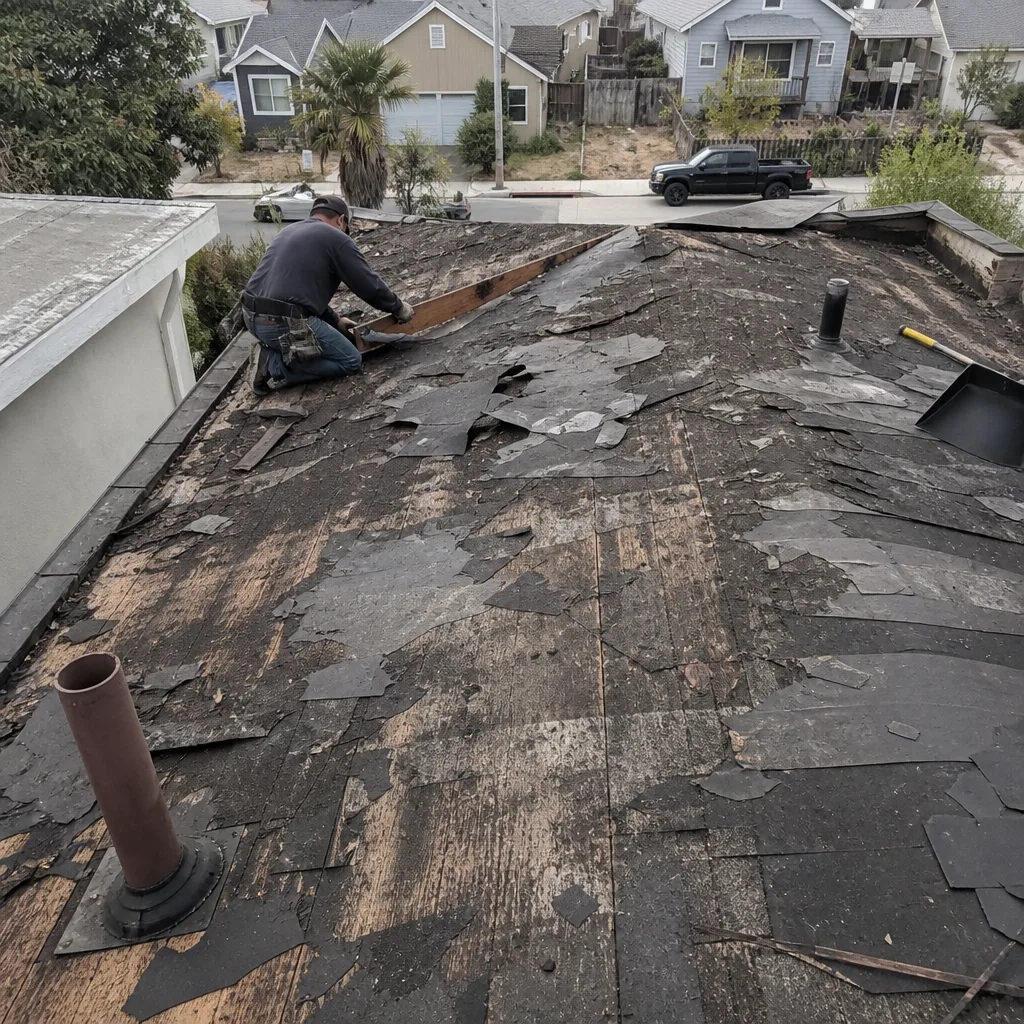 Before
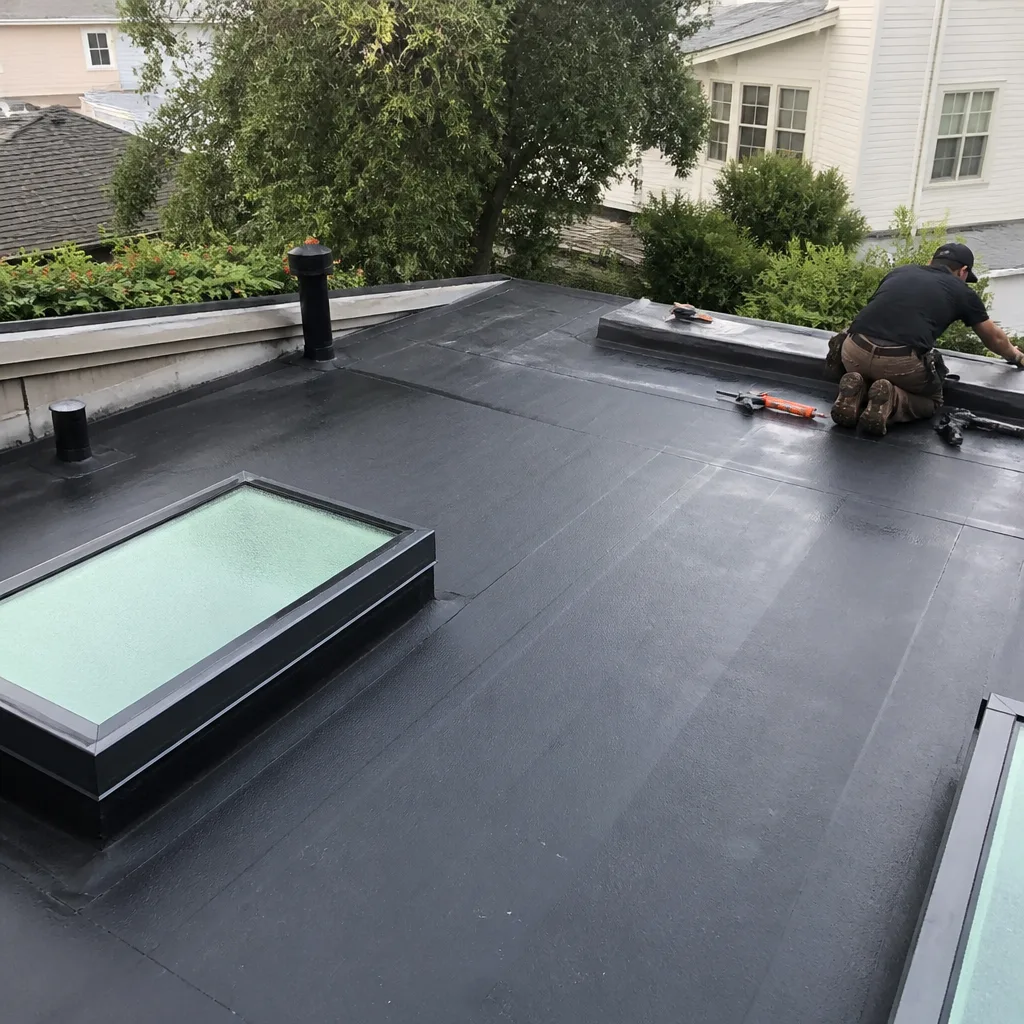 After
After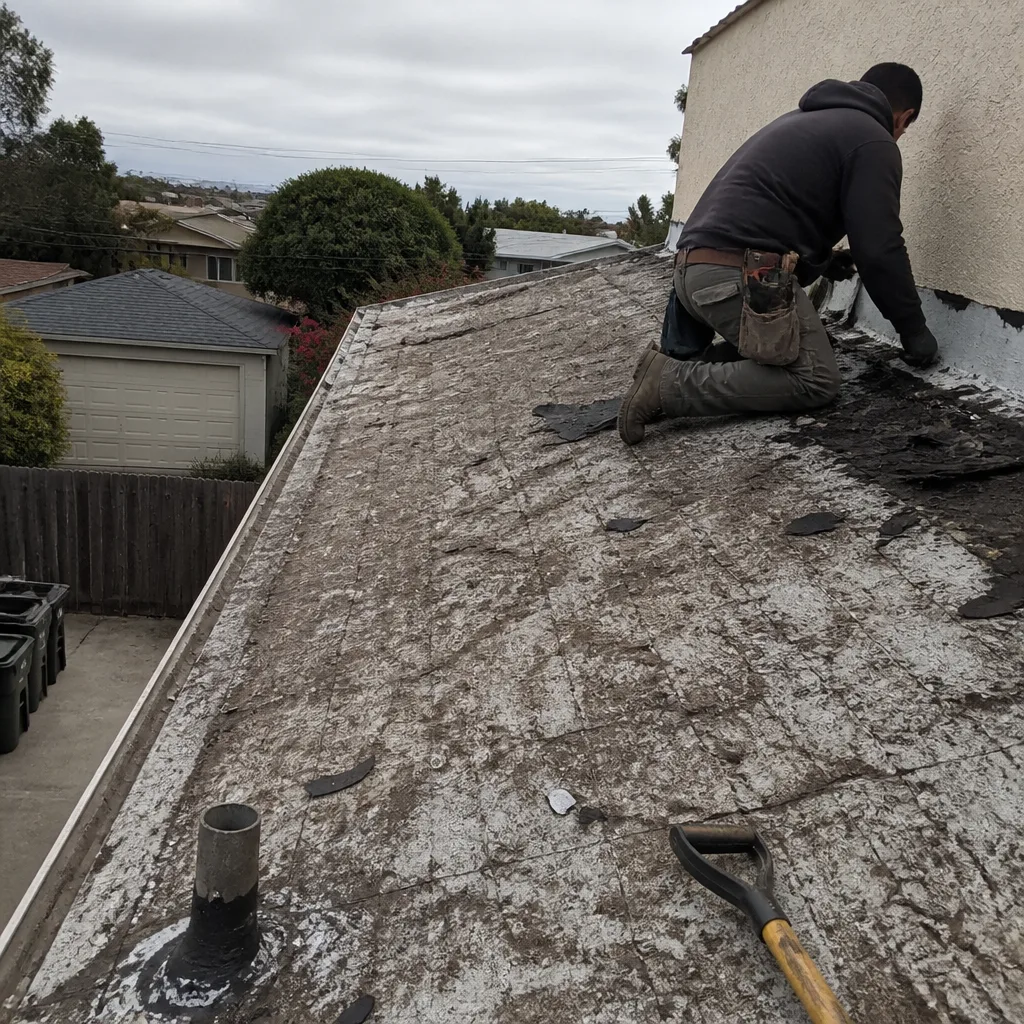 Before
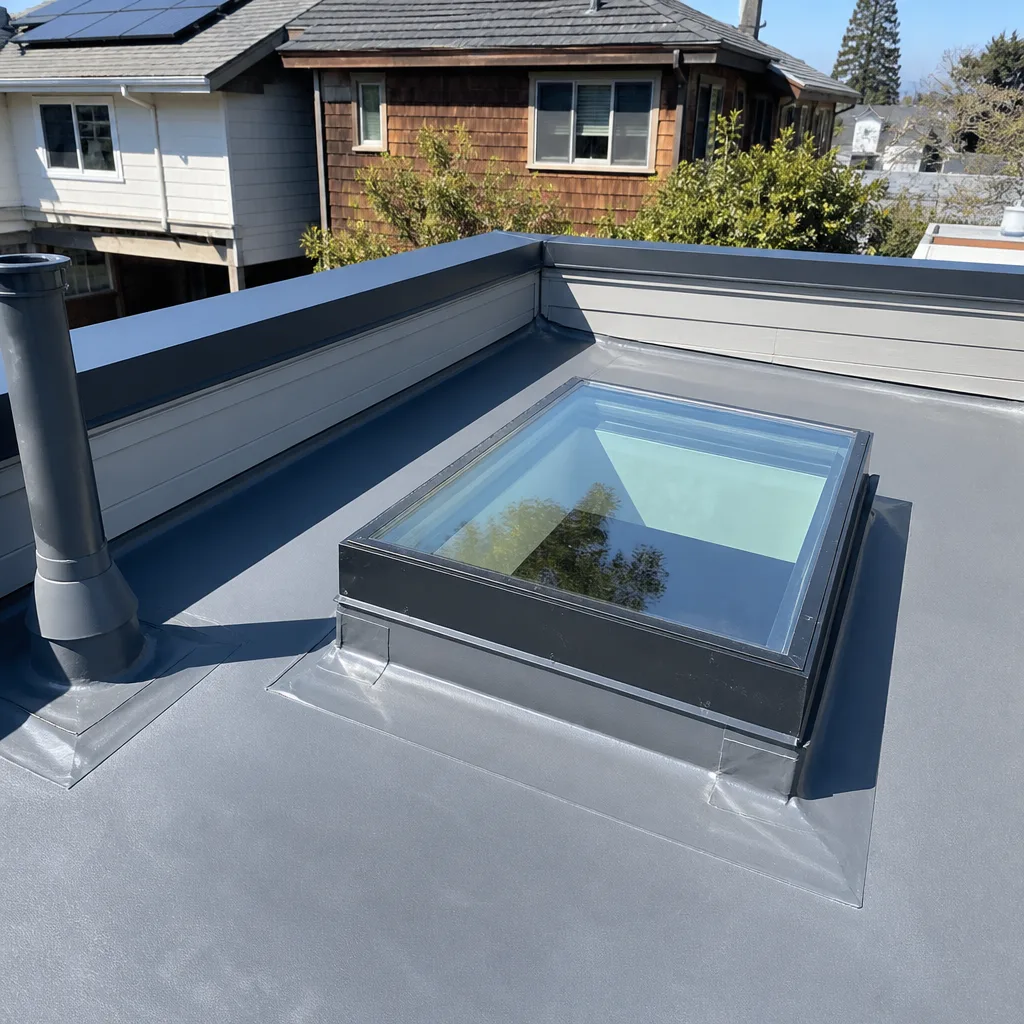 After
After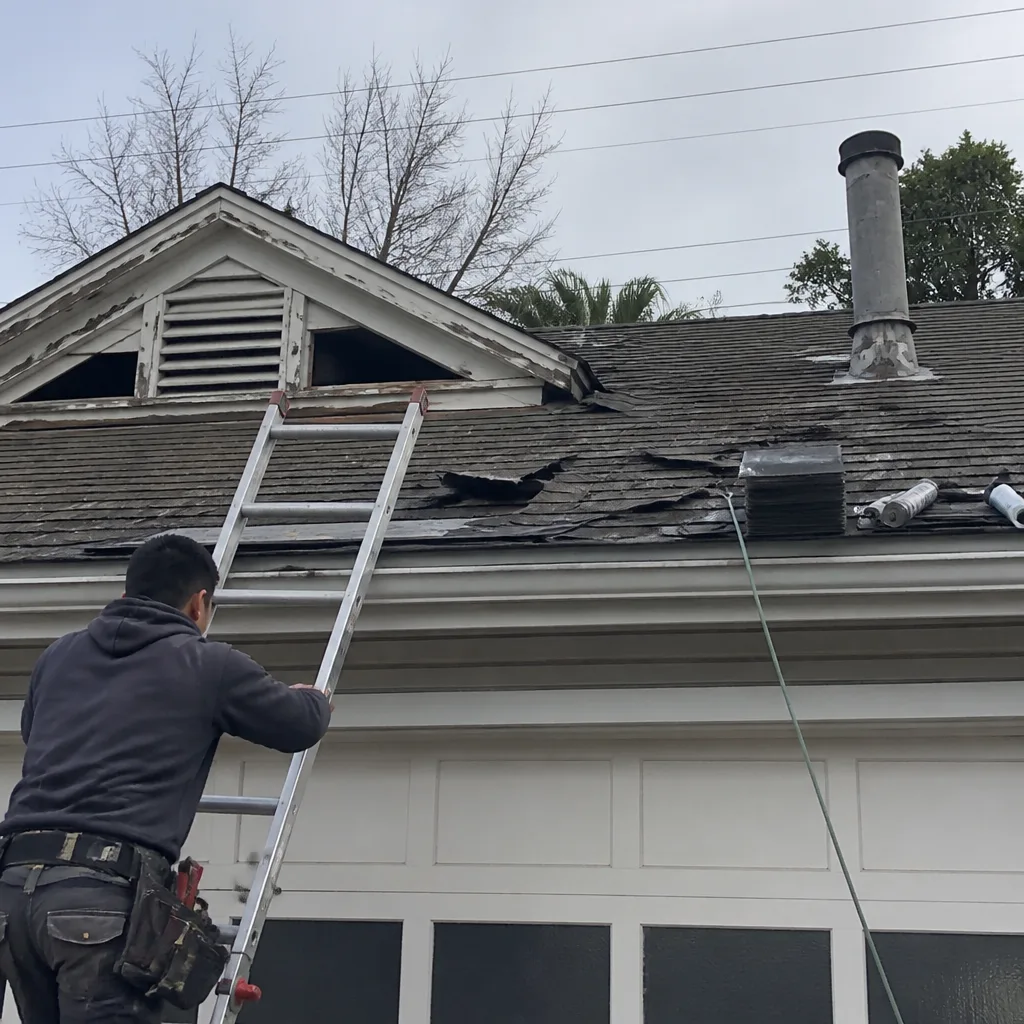 Before
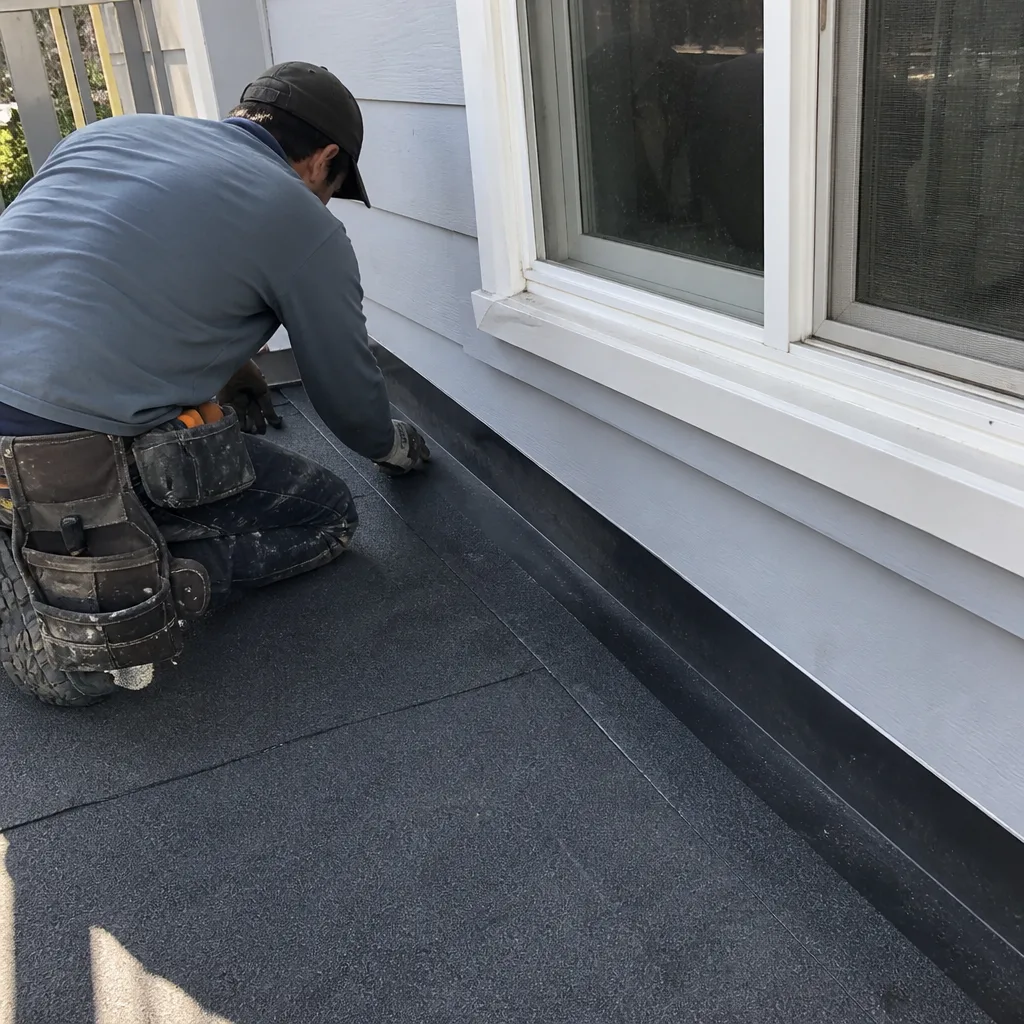 After
AfterWhen to Call a Professional
Some roofing questions can be answered with a ladder and a careful look. Most cannot. If you see missing shingles after a windstorm, if you find a water stain on a ceiling that was not there last winter, if your roof is over 20 years old and you are starting to wonder, or if you are buying or selling a home and need a documented condition report, that is the time to call. San Francisco’s steep roofs, tight access, and permit requirements make DIY repairs and even DIY inspections genuinely risky. A professional walking your roof will see things you cannot see from the ground, and their report is what you need whether you choose to act now or next year. Brennan Roofing Co San Francisco offers free estimates in San Francisco. Call (831) 318-8819. A live person answers the phone, not a voicemail, and the estimate comes in writing before any work starts.
Frequently Asked Questions
A full tear-off and re-roof on a typical 1,500 to 1,800 square foot San Francisco home ranges from $18,000 to $28,000 for composition shingle, $22,000 to $34,000 for torch-down, $25,000 to $38,000 for TPO, and $35,000 to $55,000 for standing seam metal. These numbers assume permits, debris disposal, and standard access. Call (831) 318-8819 for an exact written quote, free of charge.
San Francisco roofing runs 40 – 60% above the national average because of four specific local drivers: SFDBI permit and inspection fees, mandatory construction debris hauling to certified transfer stations (no curb pickup allowed), parking and access costs on narrow streets and hillside lots, and a labor market where union-scale wages set the floor for competent crews. None of these costs are optional for a legitimate contractor.
Yes. A full tear-off and reroof in San Francisco requires an SFDBI building permit and a final inspection. Repairs below a certain threshold may be exempt, but the threshold is low, and unpermitted work creates disclosure and resale problems. Permit costs typically range from $800 to $2,500 for a single-family home.
Deck replacement adds $3 to $6 per square foot of roof area, which is $4,800 to $9,600 on a typical 1,600 square foot roof. Homes built before 1945 have a 50 – 70% chance of needing at least partial deck replacement. A disciplined contractor writes the per-sheet or per-square-foot deck price into the contract before work starts, so there is no surprise negotiation.
A $1,200 flashing repair deferred for 18 months in a foggy west-side neighborhood can become a $12,000 to $18,000 structural repair as damp roof decking rots and the leak spreads. San Francisco’s fog belt keeps roof structures damp year-round, which means small leaks compound faster here than in drier climates. Call (831) 318-8819 for a free estimate.
A fair San Francisco bid has line items for tear-off and disposal, underlayment, flashing, material, labor, permits, and a stated contingency for deck replacement. If you see a one-line number without these items, the price will move once the roof comes off. Compare the numbers against the ranges in this guide, and confirm the deck contingency is in writing before signing.
The Bottom Line
San Francisco roofing is expensive for reasons that are real, verifiable, and specific to this city: SFDBI permits, mandatory debris hauling, tight access, and a labor market that pays skilled workers fairly. A 2026 re-roof on a typical city home runs $18,000 to $28,000 for composition shingle, and more for flat roof and metal systems. The smartest move is not to chase the lowest bid, but to demand a written line-item price, a background-checked crew, and a guarantee that is in writing for one full year, with a free return if it fails. That is the discipline this city’s roofs require. If you are ready to see your number on paper, call Brennan Roofing Co San Francisco at (831) 318-8819 for a free estimate. A live person answers.
Written by Travis Oakley, Owner at Brennan Roofing Co San Francisco, serving San Francisco since 2000.