
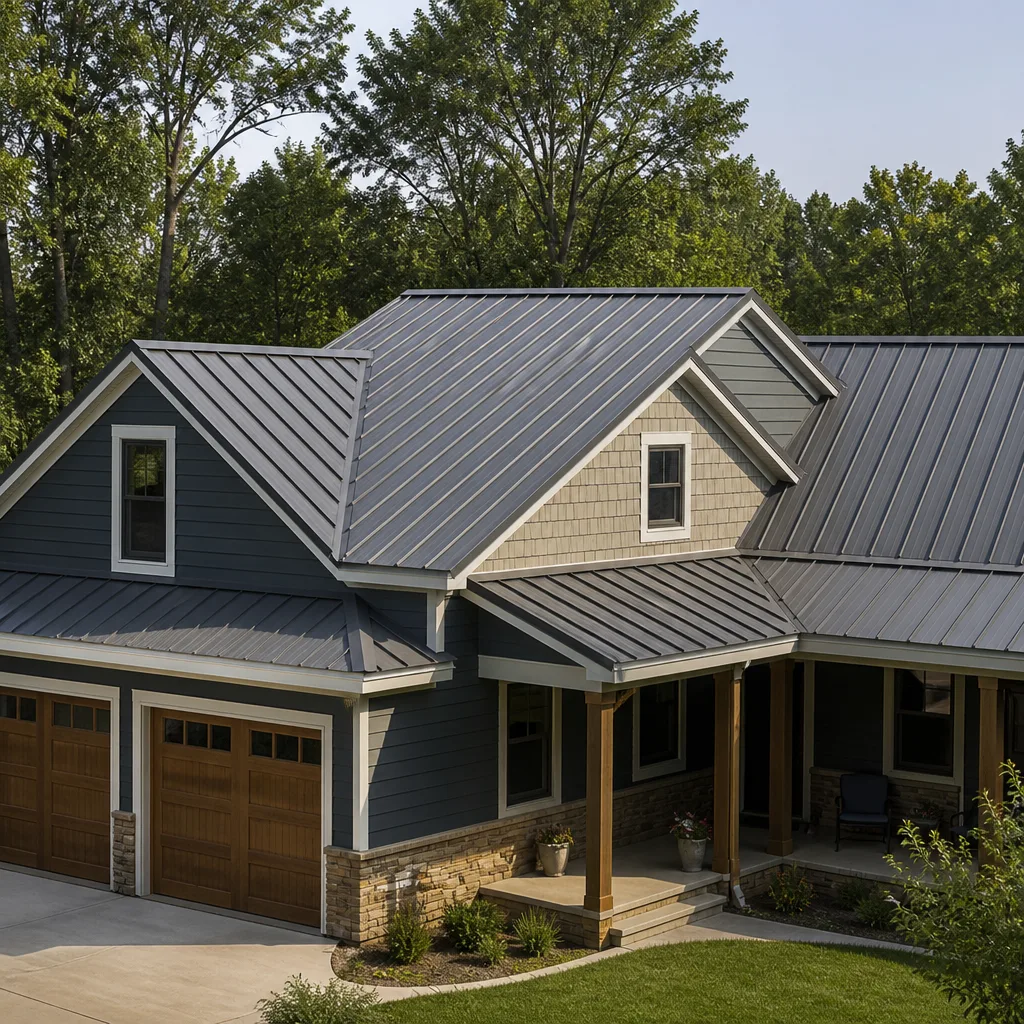
 Metal roofing
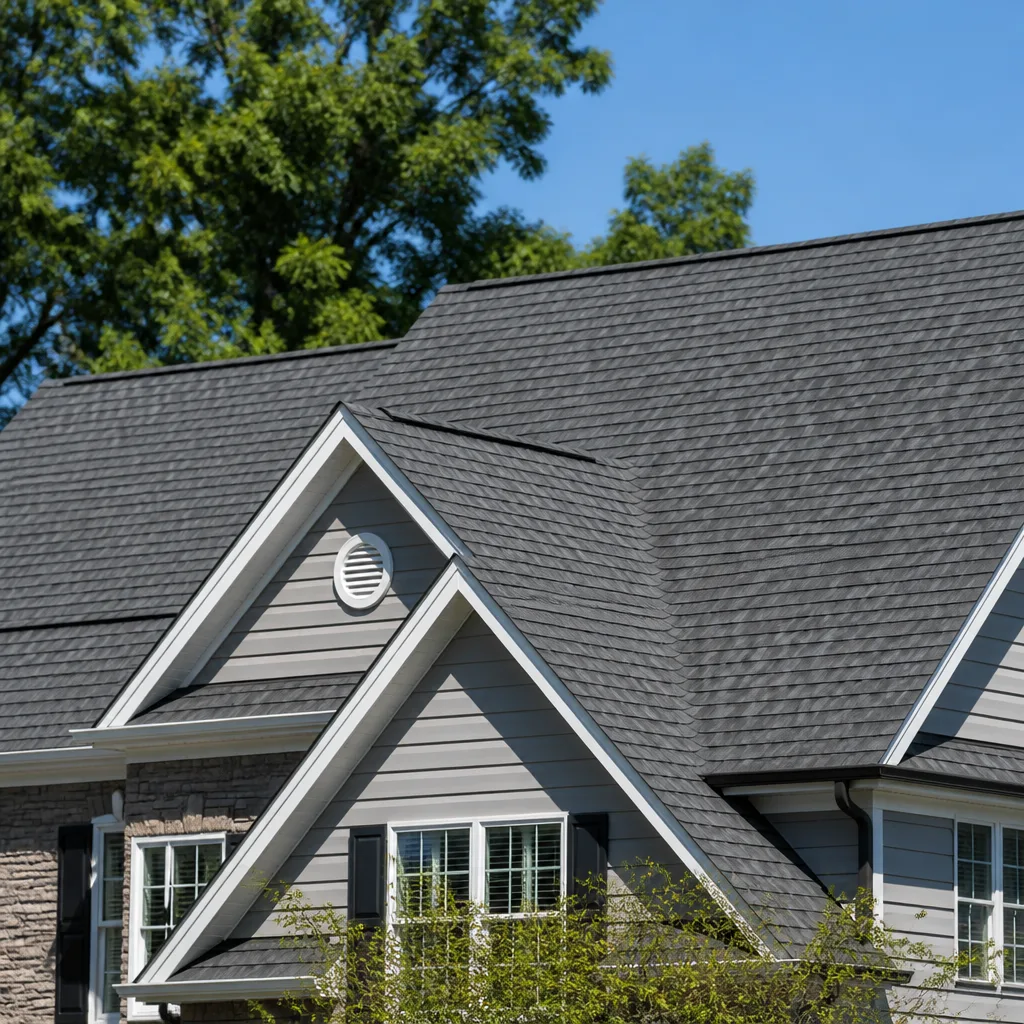 Architectural shingles
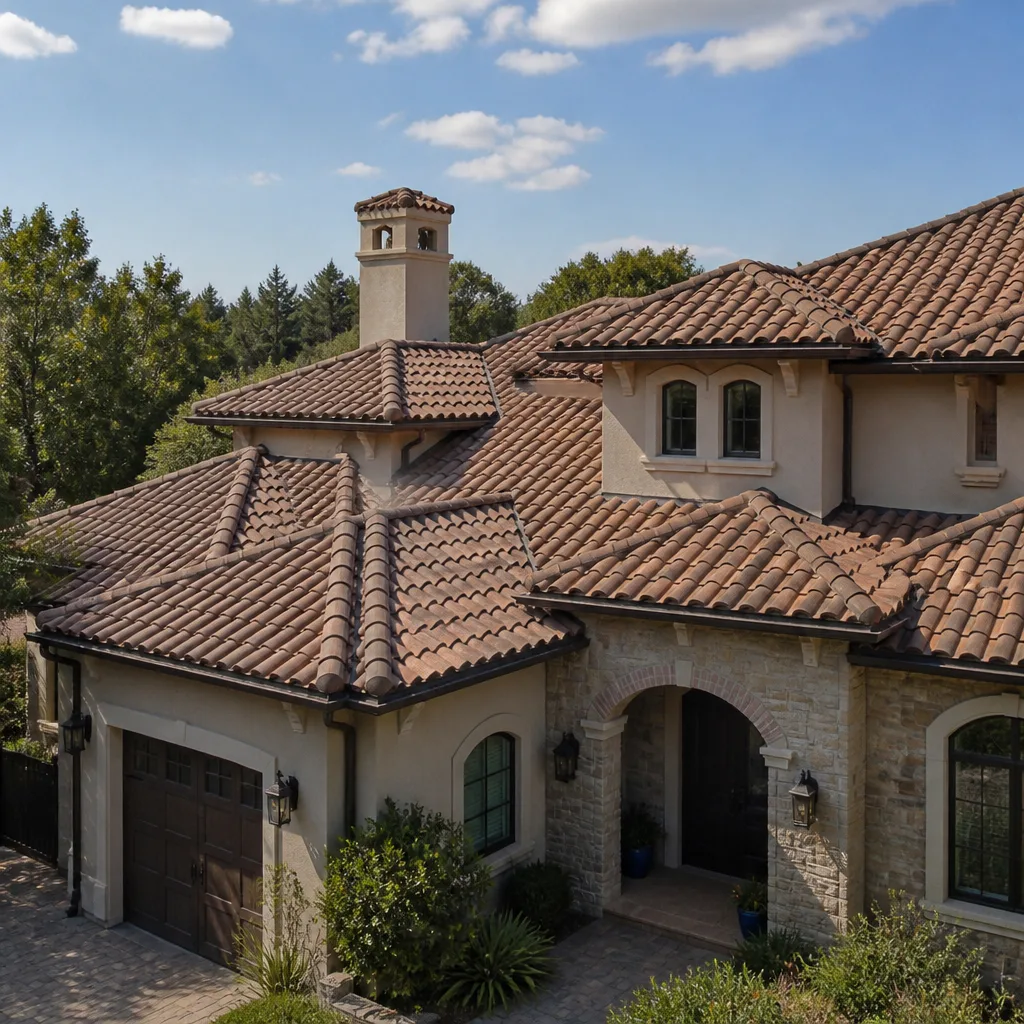 Tile roofing
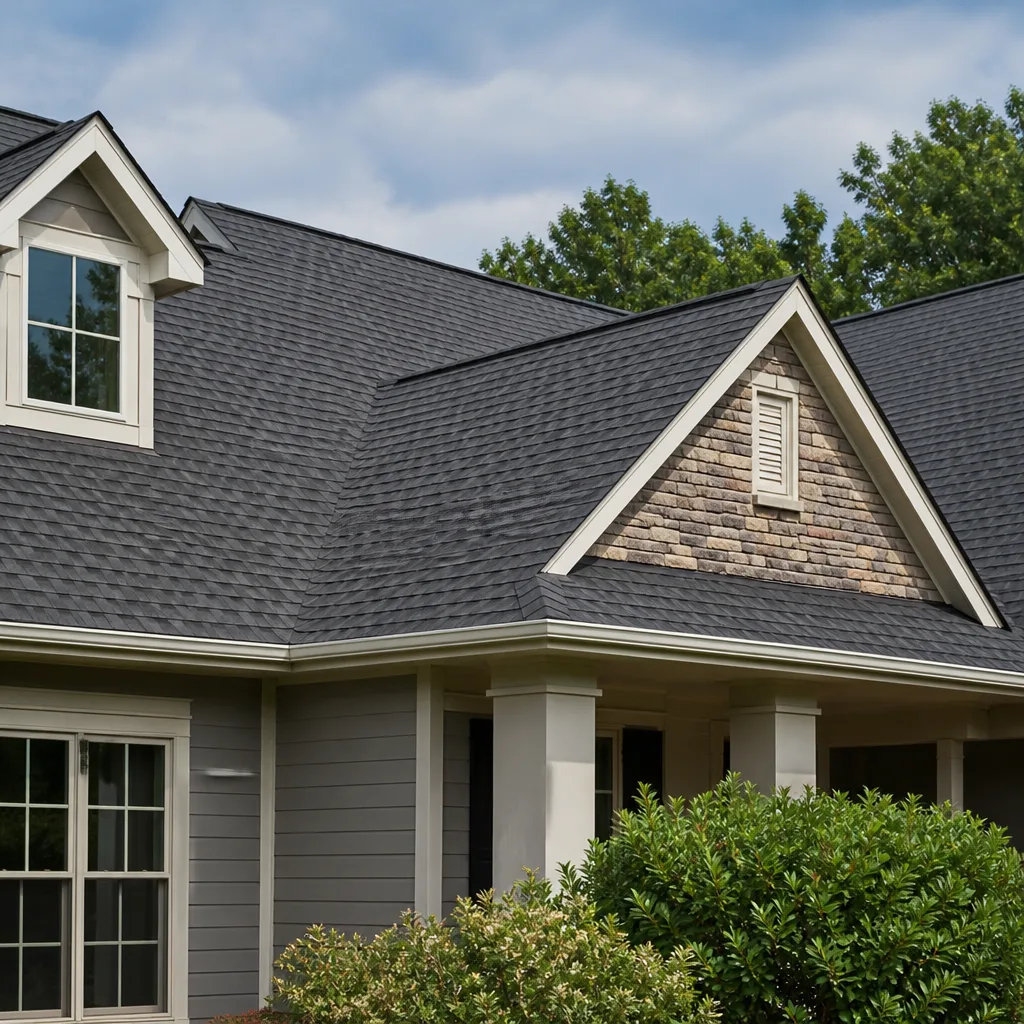 GAF
GAF Owens Corning
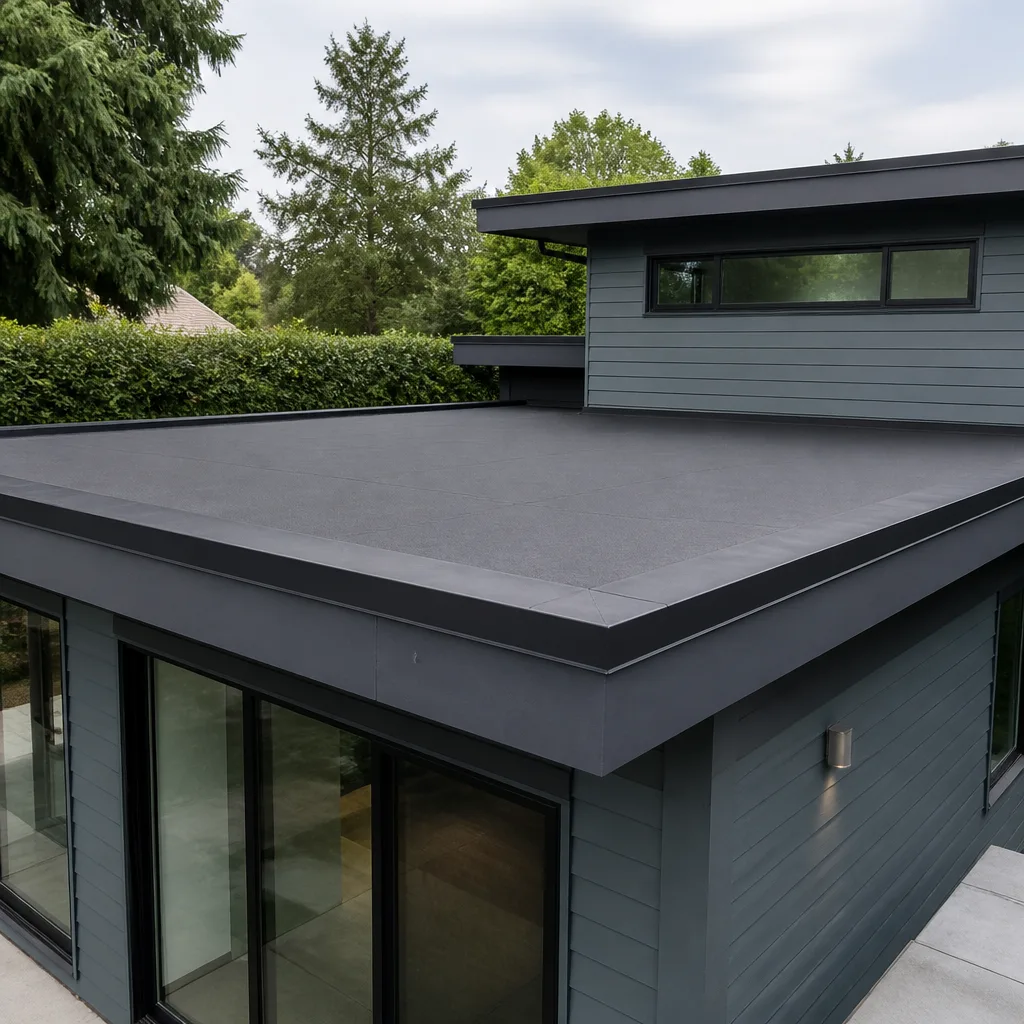 Flat & low-slope
Free roof inspection with deck photos before we talk money - GAF and Owens Corning certified installation
IKO Ridge Vent Installation: The San Francisco Owner’s Guide
We stock and install IKO-compatible ridge vent systems throughout San Francisco, with most installations running between $425 and $780 depending on your roofline length and existing decking condition. The majority of jobs are done in a single visit, and we carry IKO-profile vent material on the truck so we’re not sending a guy back to the yard mid-job. Most homeowners find out their ridge vent has failed the hard way: a hot upstairs bedroom in August, condensation on the rafters in January, or shingle granules piling up in the gutter right below the ridge line.
Ridge vent is the exhaust half of your attic ventilation system. When it works, hot air rises and leaves through the peak while intake air pulls in at the soffits. When it fails, that heat kills shingles from underneath and bakes whatever you have stored up there. In San Francisco’s fog-belt microclimates, a plugged ridge vent also means moisture hangs around long enough to find the plywood.
Which IKO Models This Applies To
IKO’s current ridge vent line breaks into two families: the standard profile strip vent that comes in 4-foot sections, and their low-profile roll-out vent used on architectural shingle lines like Cambridge and Dynasty. The roll-out version sits flatter against the shingle cap, which matters on San Francisco Victorians where the ridge line is visible from the street and homeowners don’t want a lumpy silhouette.
The compatibility gotcha with IKO ridge vent is the nail line. IKO’s profile strips have a specific nailing flange width, and generic box-store vent strips don’t always align with the existing shingle cap overlap. That’s the number one reason we see “new” ridge vent failing within two seasons: someone swapped in a generic strip, the nail line sat wrong, and wind got under the cap. We match by measuring the vent channel width and the flange spacing before ordering anything. If you have the original packaging or can see the IKO logo stamped on the vent material, that settles it. If not, we measure on-site.
We also install materials from GAF, Owens Corning, and CertainTeed, so if it turns out your vent isn’t IKO after all, we’re not stuck ordering around it.
Styles & brands we work with
Signs Your IKO Ridge Vent Installation Is Failing
- Upstairs rooms that won’t cool down at night. The attic heat has nowhere to go, so it radiates down through the ceiling after sunset. This is the most common first sign in San Francisco, where we get just enough hot afternoons in September and October to make it obvious.
- Condensation or a musty smell in the attic. Exhaust air isn’t leaving, so moisture settles. In the Richmond and Sunset districts, fog pushes the problem harder than heat does. You’re seeing evidence of trapped humidity, not just a “smell.”
- Shingle granules wearing unevenly near the peak. Heat concentrates at the ridge when the vent is blocked, and overheated shingles shed granules faster. If you’re cleaning gutters and finding heavy granule buildup only near the downspouts on one side, that’s a clue.
- Visible cracking or brittleness in the vent material itself. UV breaks down the plastic over time. IKO’s vent material is solid for the first 10 to 12 years, but once it starts chalking and cracking, it’s done. You’ll see it from a ladder, not from the street.
- Wind-driven rain making it into the attic near the peak. A broken or dislodged vent strip lets water run under the cap shingles. Look for water stains on the rafters within two feet of the ridge.
See the difference
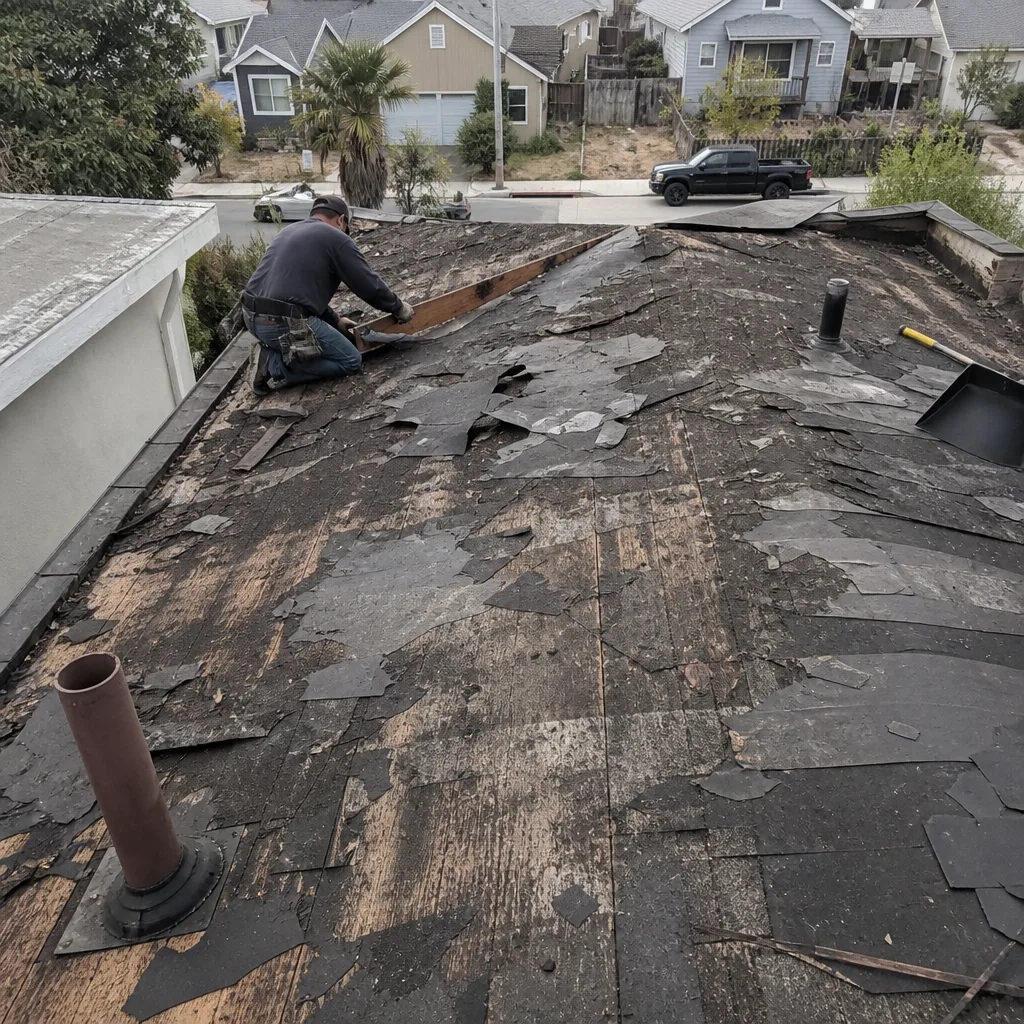 Before
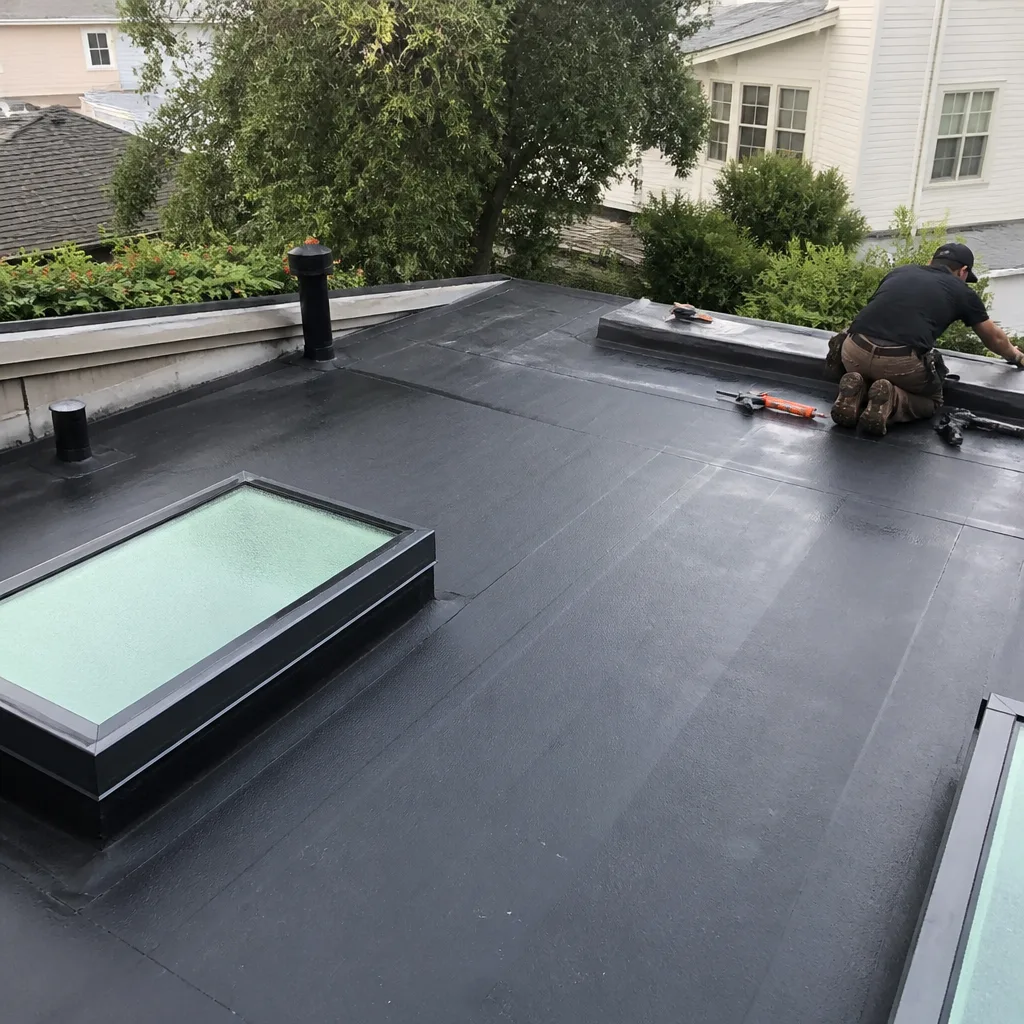 After
After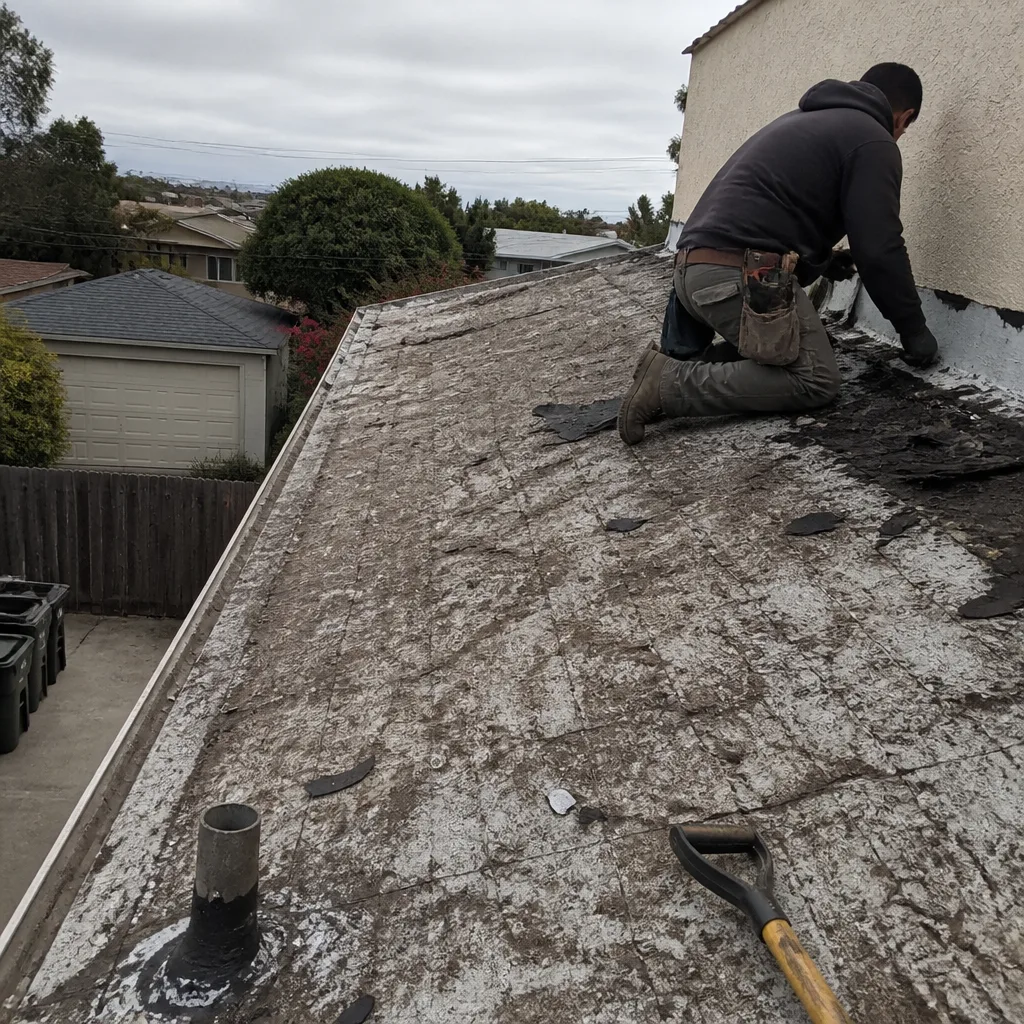 Before
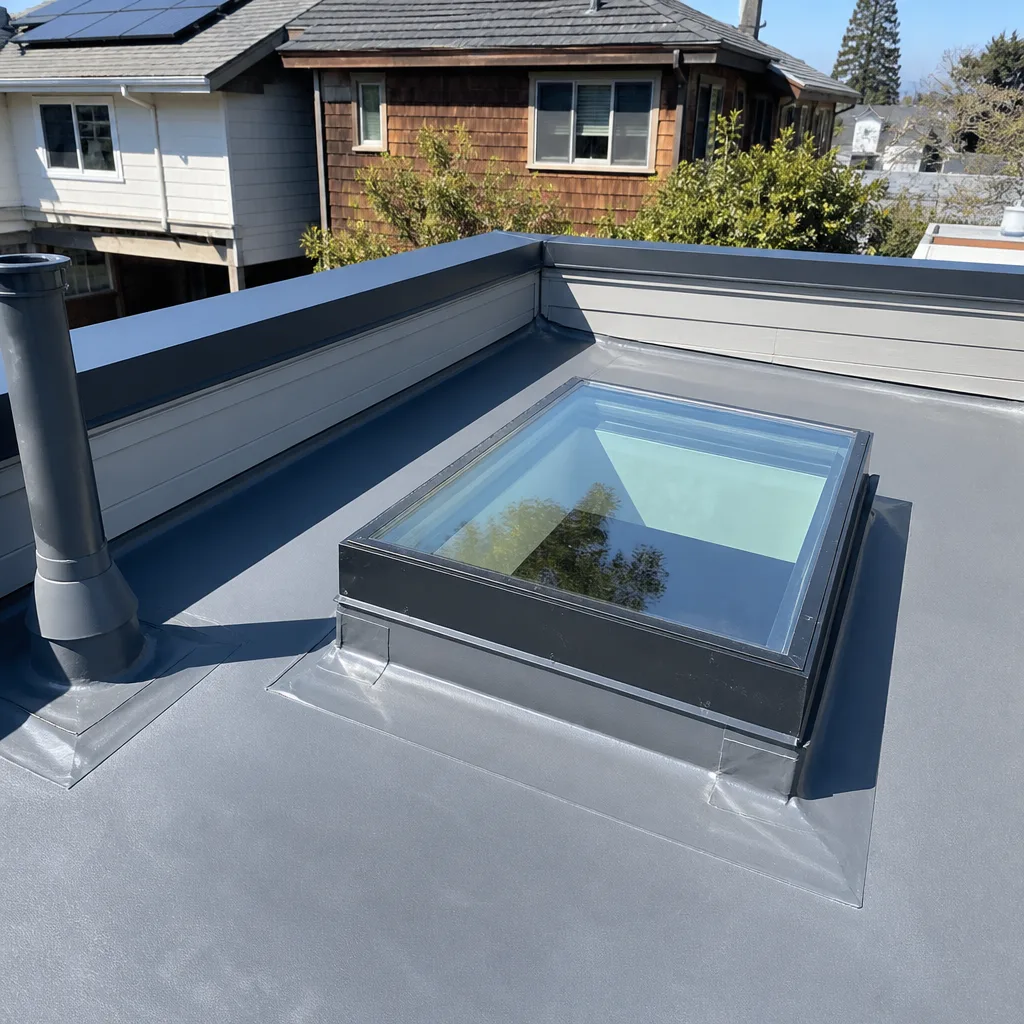 After
After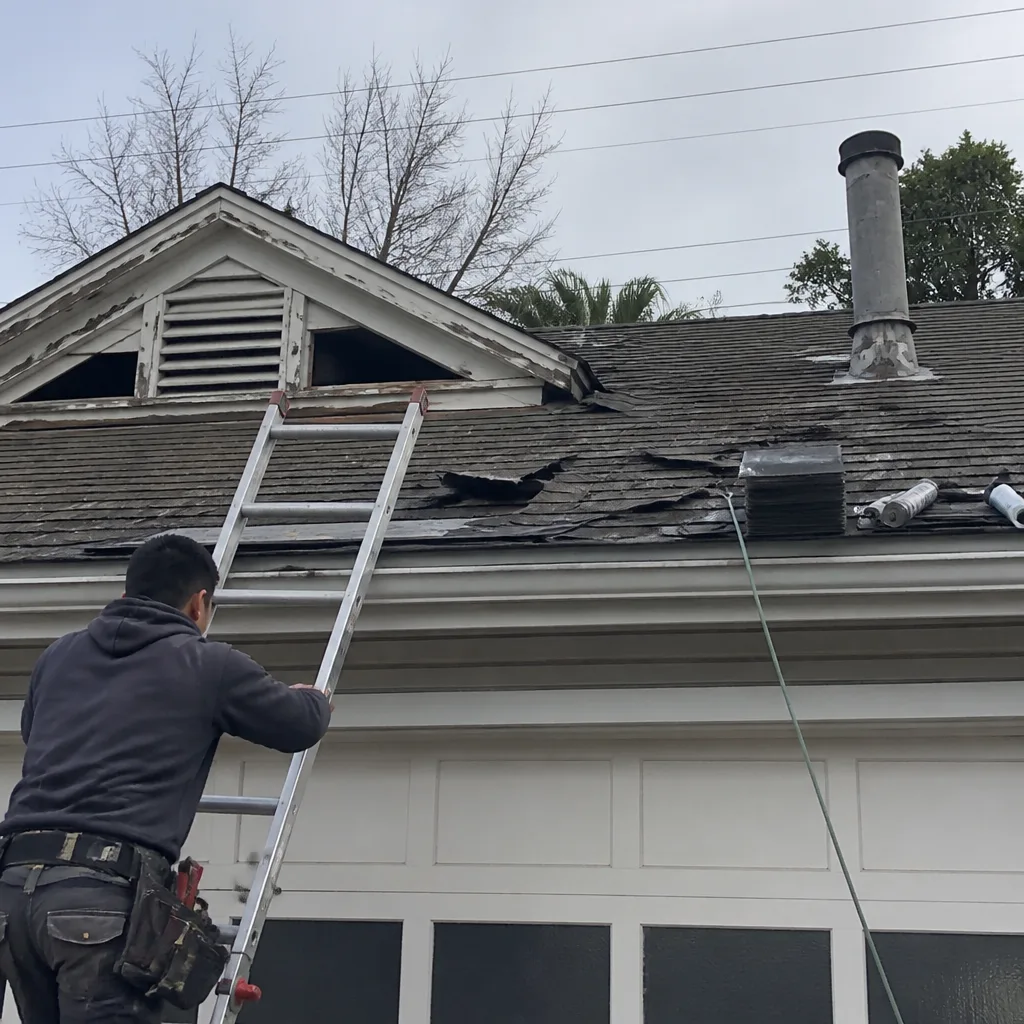 Before
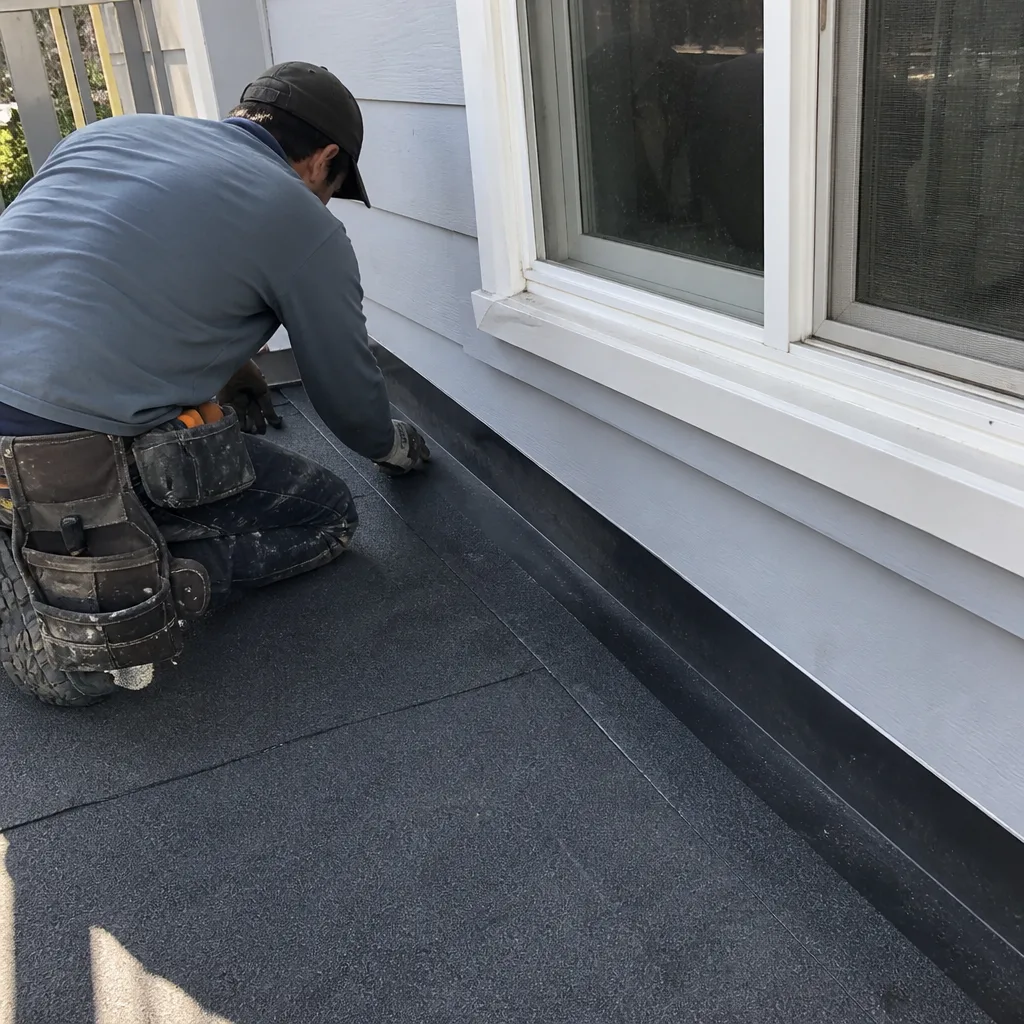 After
AfterReplacement Cost & What’s Included
In San Francisco, expect to pay $425 to $780 for a full IKO ridge vent replacement on a typical single-family roofline. Short rooflines with one ridge run and clear access land at the low end. Longer ridges, steep Victorian roof pitches, or decking that needs repair at the vent slot push it higher. The breakdown is parts plus labor, and we put that number on paper before any work starts.
What you get for that price: removal and disposal of the old vent material, inspection of the decking at the ridge slot, new IKO-profile vent material matched to your existing cap shingle width, re-nailing per manufacturer spec, and a written one-year guarantee. That’s The Garrison Standard: the price doesn’t move at the door, the crew shows up background-checked and in uniform, and if it’s not done right, we come back and make it right at no charge.
If we’re already up there and the cap shingles are shot, we’ll tell you before we start, not after. You’ll get a separate line item for cap shingle replacement, and you decide before any work proceeds.
DIY or Call Us?
Two things are true at once here. One: replacing ridge vent isn’t in the same danger class as electrical work or high-tension springs. Two: it’s still roof work, and San Francisco roofs are steep, slick with morning fog, and unforgiving when you slip. So the honest split is this: if you want to inspect, go ahead. A ladder, a careful look at the ridge line, and a photo of any cracking or lifting material is genuinely helpful. That tells us what we’re walking into.
But doing the actual replacement yourself? Even on a single-story bungalow in Glen Park, you’re on a sloped surface with a nail gun, and the decking at the ridge slot is something I’d want a roofer’s eye on. Travis Oakley will say it plainly: we’ve fixed plenty of DIY ridge vent jobs where the vent was fine and the flashing detail was the problem the whole time. A good roof shouldn’t need to be talked about, it should just hold. If you’d rather skip the ladder time, call (831) 318-8819 and we’ll come measure, price it in writing, and be done with it.
FAQs
Expect 10 to 14 years in our climate. Fog and ultraviolet exposure work from two directions: moisture degrades the plastic at the vent channel, and sun breaks down the exposed flange along the ridge. Homes in the fog belt’s outer avenues tend to see closer to 10 years; homes on the bay side often get a season or two more.
Small sections can be spliced if the rest of the vent is sound. But if the material is cracking or the nail line is compromised in more than one spot, section repairs become false economy because the remaining vent will fail soon anyway. We’ll tell you which situation you have when we see it. Call (831) 318-8819 and we’ll take a look for free.
Most single-family installations in San Francisco take between 2 and 4 hours from setup to cleanup. That includes removing the old vent, checking decking at the slot, installing the new IKO vent material, and re-capping where needed.
Yes. We carry IKO-profile vent material on our trucks, so we can handle most San Francisco jobs the day we diagnose the problem. If your ridge is unusual, long, or steep Victorian pitch, we’ll still have the material on the truck because the vent profile is standard across most IKO roof lines. The only time we order special material is for unusually wide vent slots on some older custom homes.
If your IKO ridge vent is failing, get it looked at before the rainy season. Call (831) 318-8819 for a free estimate. We’ll put a written price in your hand before any work starts, and the work carries our one-year Done Right Promise.
Written by Travis Oakley, Owner, Brennan Roofing Co at Brennan Roofing Co San Francisco, serving San Francisco and nearby areas.