
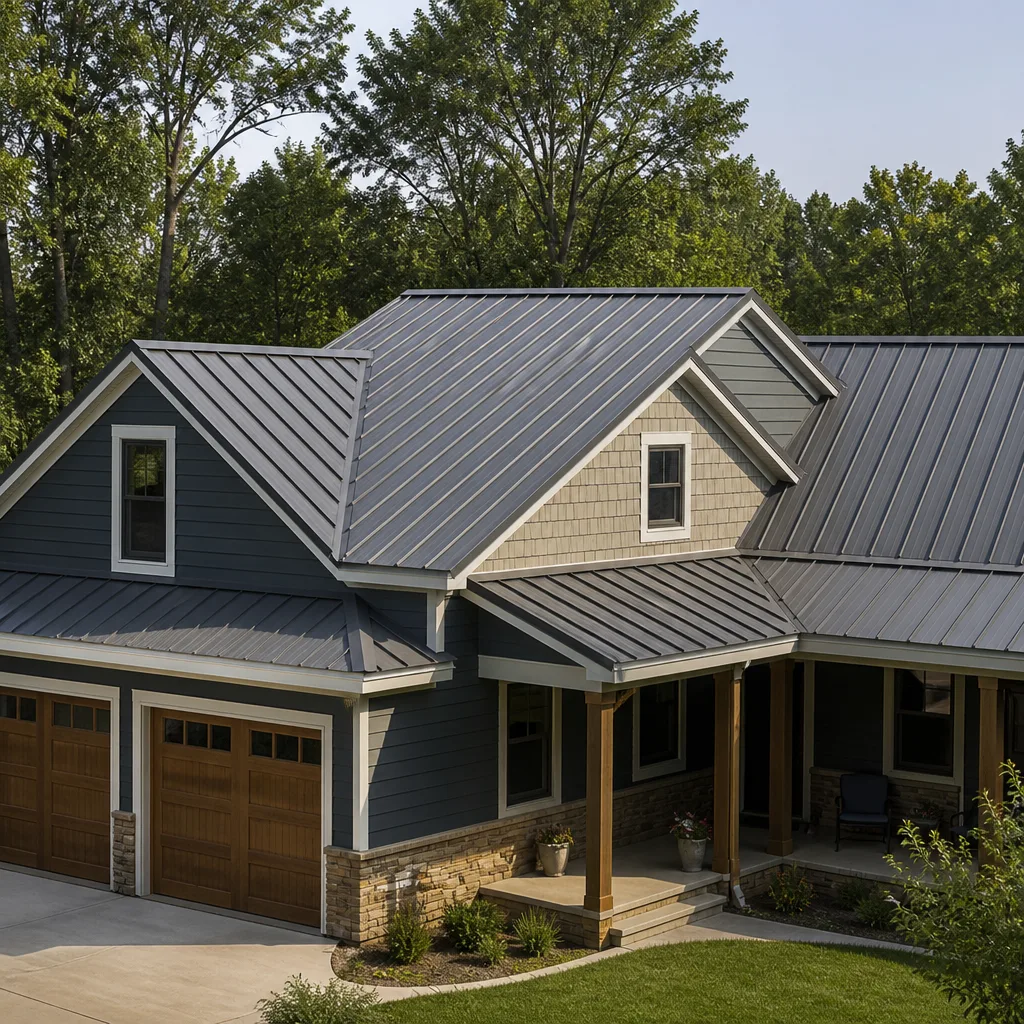
 Metal roofing
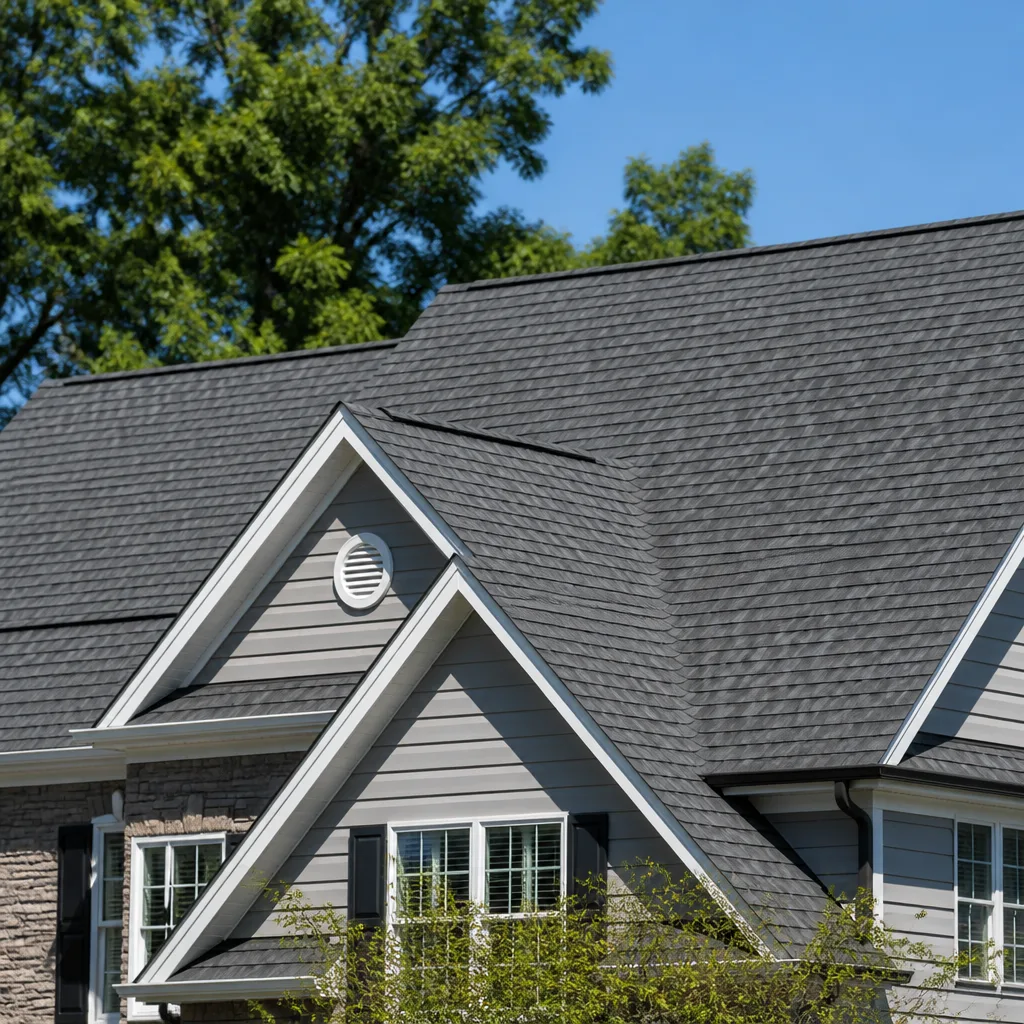 Architectural shingles
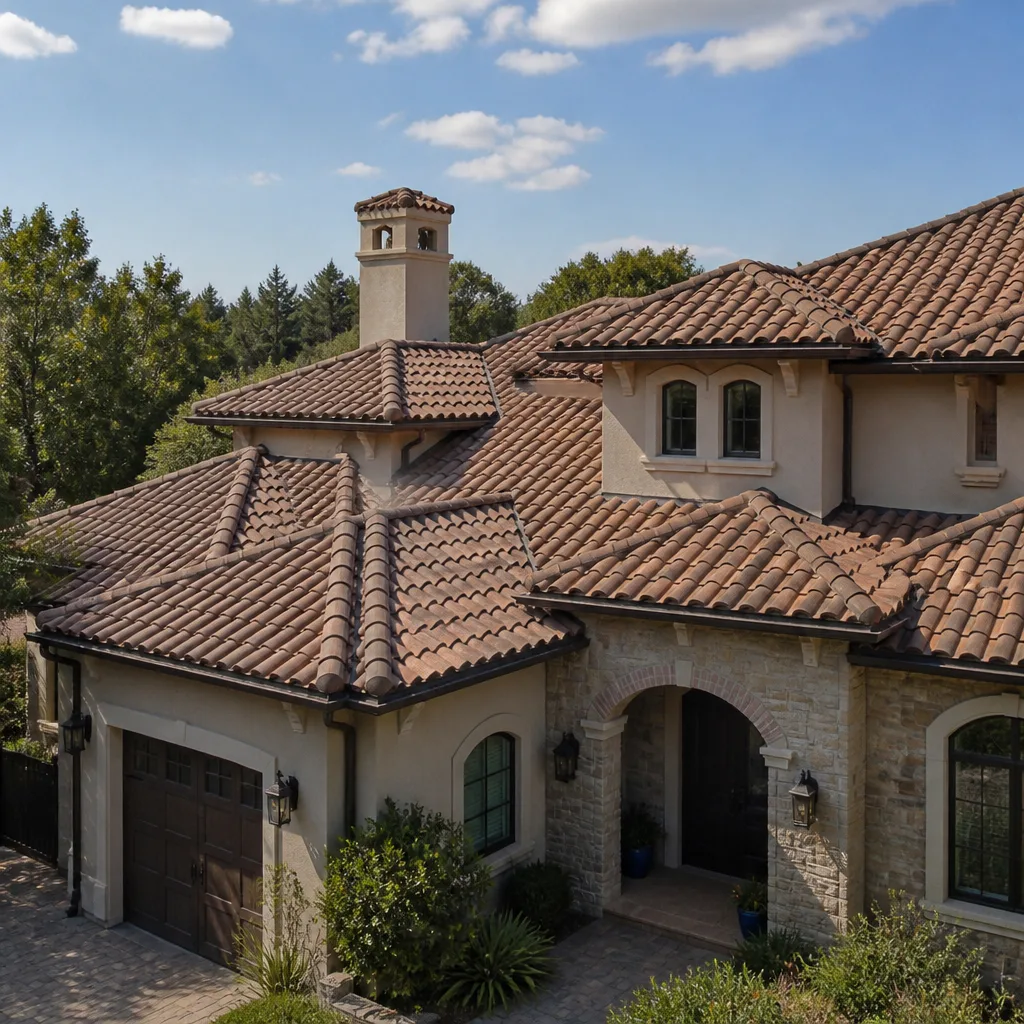 Tile roofing
 GAF
GAF Owens Corning
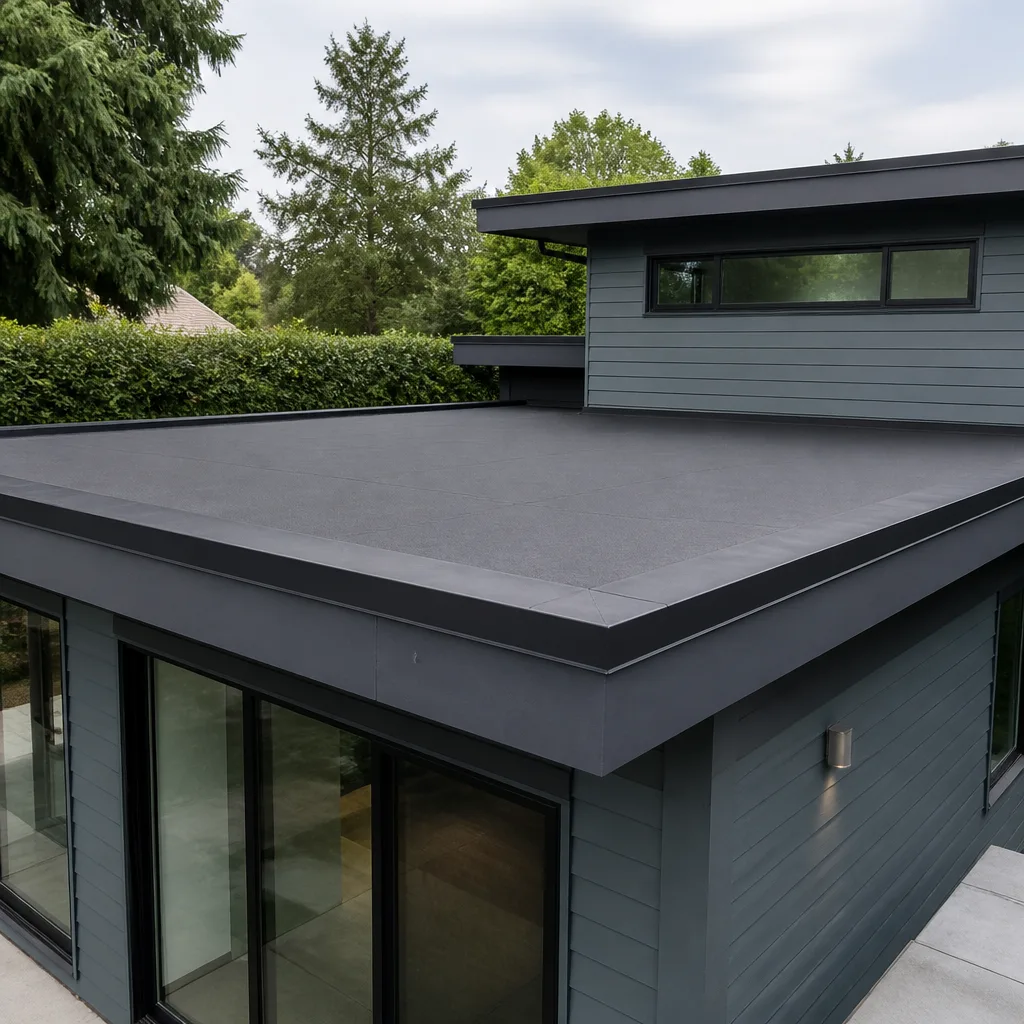 Flat & low-slope
Free roof inspection with deck photos before we talk money - GAF and Owens Corning certified installation
GAF Flashing Replacement: The San Francisco Owner’s Guide
GAF flashing replacement in San Francisco typically runs $350 – $900 installed for a standard pipe boot, step flashing repair, or valley flashing section, depending on roof access and how much surrounding shingle has to be lifted. We stock GAF-compatible flashing on our trucks, and most single-flashing replacements are done in one visit. You usually find out it’s failed the hard way: a water stain spreads across the ceiling a day or two after a hard rain, or you spot rusted metal curling up near a vent pipe during gutter cleaning.
Flashing is the metal that bridges the gaps where roof planes meet chimneys, walls, vents, and valleys. When it fails, water doesn’t just sit on the surface, it works its way under the shingles and into the decking. In San Francisco, where fog keeps roofs damp for half the year and winter storms drive rain sideways off the Pacific, a small flashing failure becomes a structural problem faster than in drier climates. Travis Oakley has pulled flashing off San Francisco roofs that looked fine from the ground but had been quietly feeding moisture into the decking for two seasons.
Key Takeaways:
- Typical GAF flashing replacement: $350 – $900 installed for most single-point failures
- We carry GAF-compatible flashing on the truck for same-visit replacement
- San Francisco’s fog and coastal moisture mean flashing failures should not wait
- Every job gets a written price before work starts, backed by our 365-Day Done Right Promise
Which GAF Models This Applies To
GAF flashing replacement applies across their shingle lines: Timberline HDZ, Timberline UHDZ, Royal Sovereign, and the architectural lines that dominate San Francisco roofs. The flashing itself is not model-locked the way a starter shingle or ridge cap might be. What matters is the flashing type: pipe boot flashing around plumbing vents, step flashing where roof meets sidewall, valley flashing in the roof’s drainage channels, and chimney or skylight flashing.
Here’s the compatibility gotcha most homeowners don’t know: GAF’s pipe boot flashing comes in multiple base sizes to match different vent pipe diameters, usually 1-1/2″, 2″, 3″, and 4″. If someone slaps a 3″ boot on a 2″ pipe and caulks the gap, that caulk is the only thing between your ceiling and San Francisco rain. It fails. We measure, then match. Same principle with step flashing: the vertical rise has to tuck at least a few inches under the wall siding or stucco, and the horizontal leg has to lap over the shingle below it. Cutting corners on either dimension is how you get rot behind the siding within two years.
On the OEM-versus-aftermarket question: GAF doesn’t manufacture its own flashing. Their flashing is sourced from sheet metal fabricators and distributed under the GAF name for warranty documentation purposes. A quality aftermarket flashing, correctly sized and properly installed, performs the same as OEM. Where OEM matters is if you’re working within a GAF system warranty that requires documented GAF accessories. For most San Francisco homeowners with an existing roof, a correctly spec’d aftermarket flashing installed properly is the better value. We’ll tell you which applies to your roof before we quote anything. Brennan Roofing Co San Francisco is an independent service provider and not affiliated with GAF. We also stock flashing compatible with Owens Corning and CertainTeed systems if that’s what’s on your roof.
Styles & brands we work with
Signs Your GAF Flashing Replacement Is Failing
- Water stains on ceilings or walls, usually after rain. This is the most common first sign. The stain may appear days after the storm because water travels along rafters and decking seams before it finds a way through. By the time you see it, the flashing has been leaking longer than you think.
- Rusted or corroded metal visible around vent pipes or chimneys. San Francisco’s salt air and persistent fog accelerate metal corrosion. Once rust blooms through the galvanized coating or the paint on an aluminum flashing, pinholes follow within a season or two.
- Lifted or curled flashing edges. Wind-driven rain does this on exposed roof sections in the Sunset, Richmond, and anywhere facing the ocean. When flashing lifts even a quarter inch, water gets under it and capillary action pulls it further than gravity alone would.
- Granule loss concentrated around flashing points. Check your gutters. If you’re seeing asphalt granules accumulating below a chimney or wall junction, water is running where it shouldn’t and breaking down the shingle surface at that spot.
- Daylight or gaps visible from the attic. If you can see light coming through around a vent pipe or at a roof-to-wall junction from inside the attic, the flashing has separated or was never properly sealed. This is a leak waiting on the next storm, not a maybe.
See the difference
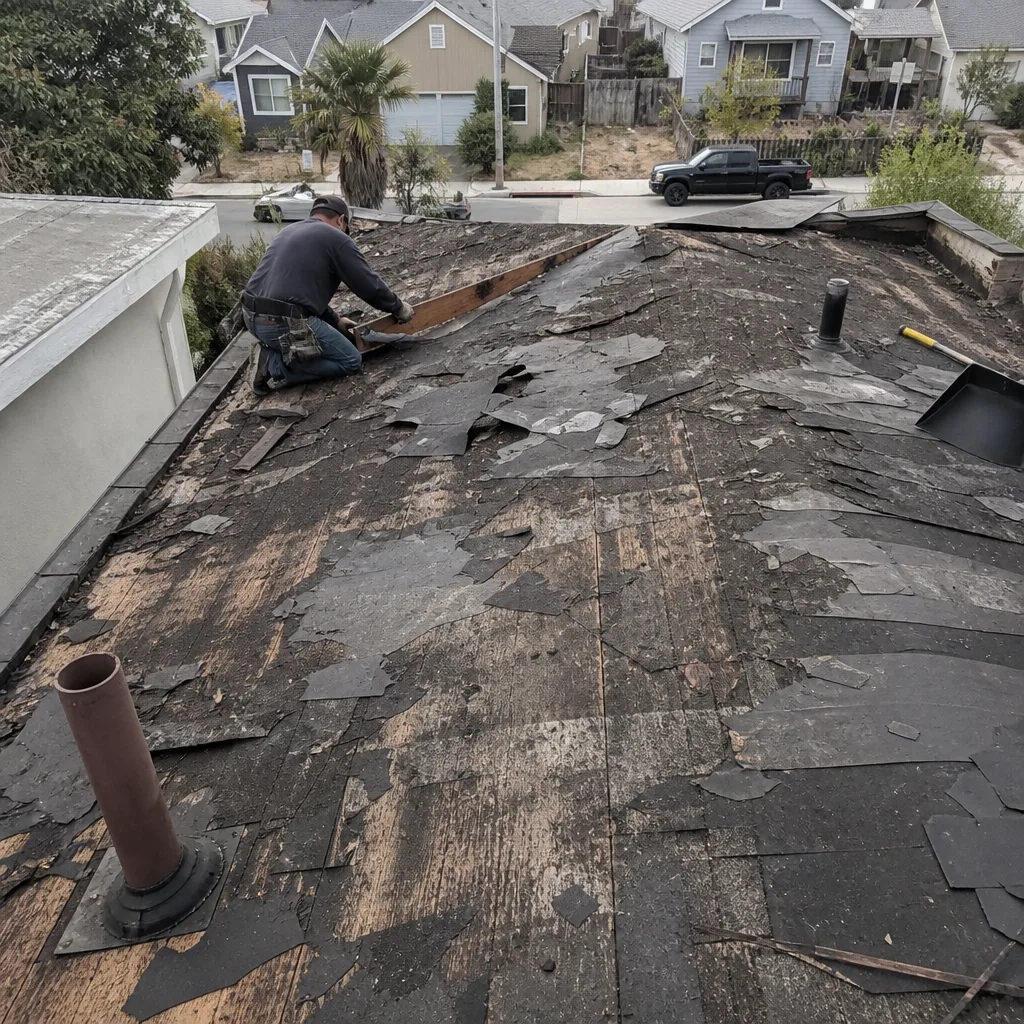 Before
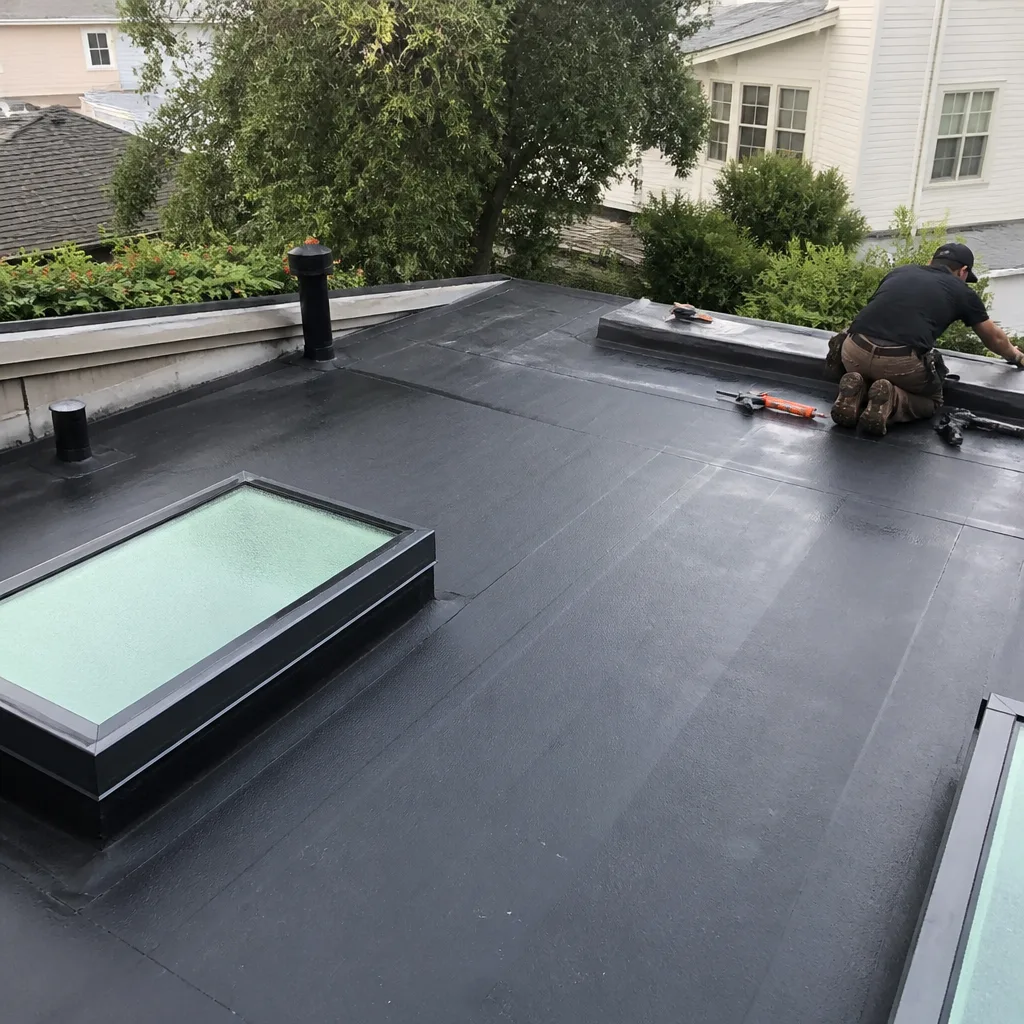 After
After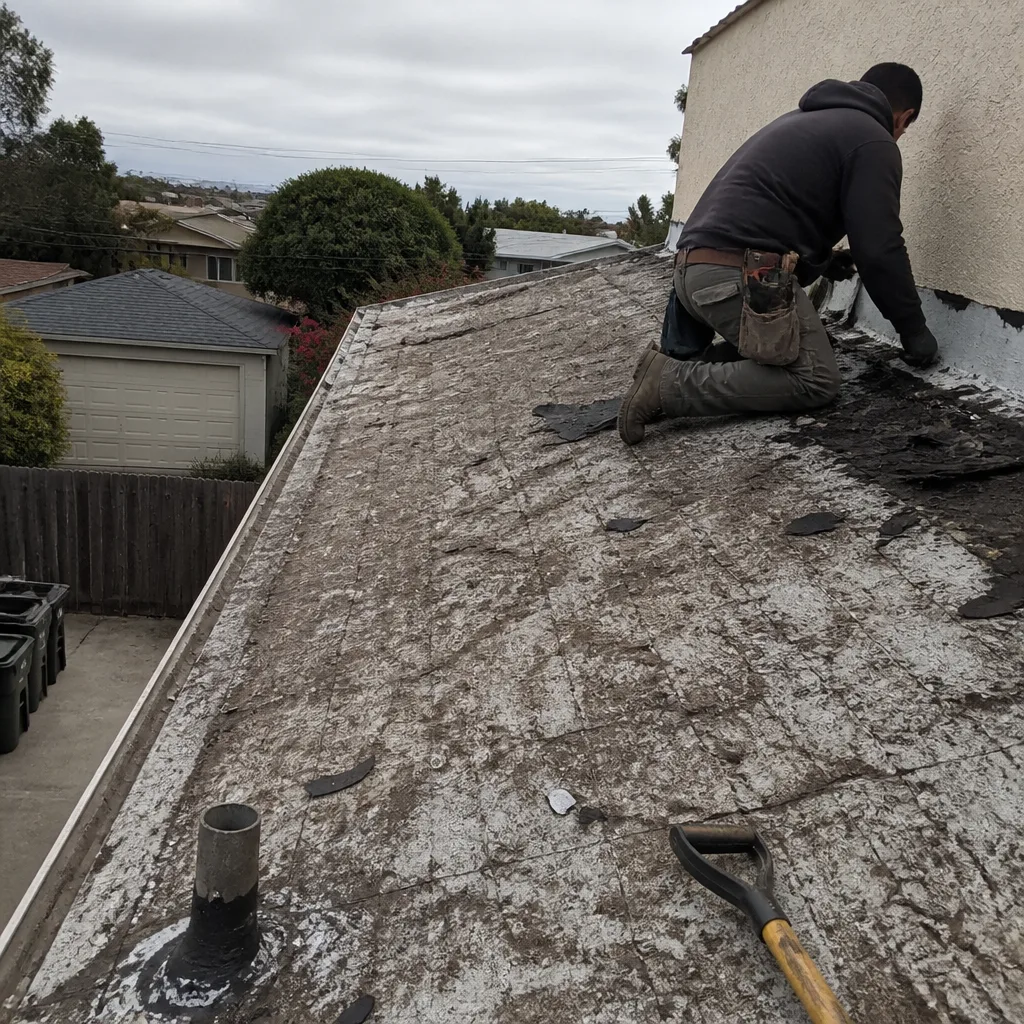 Before
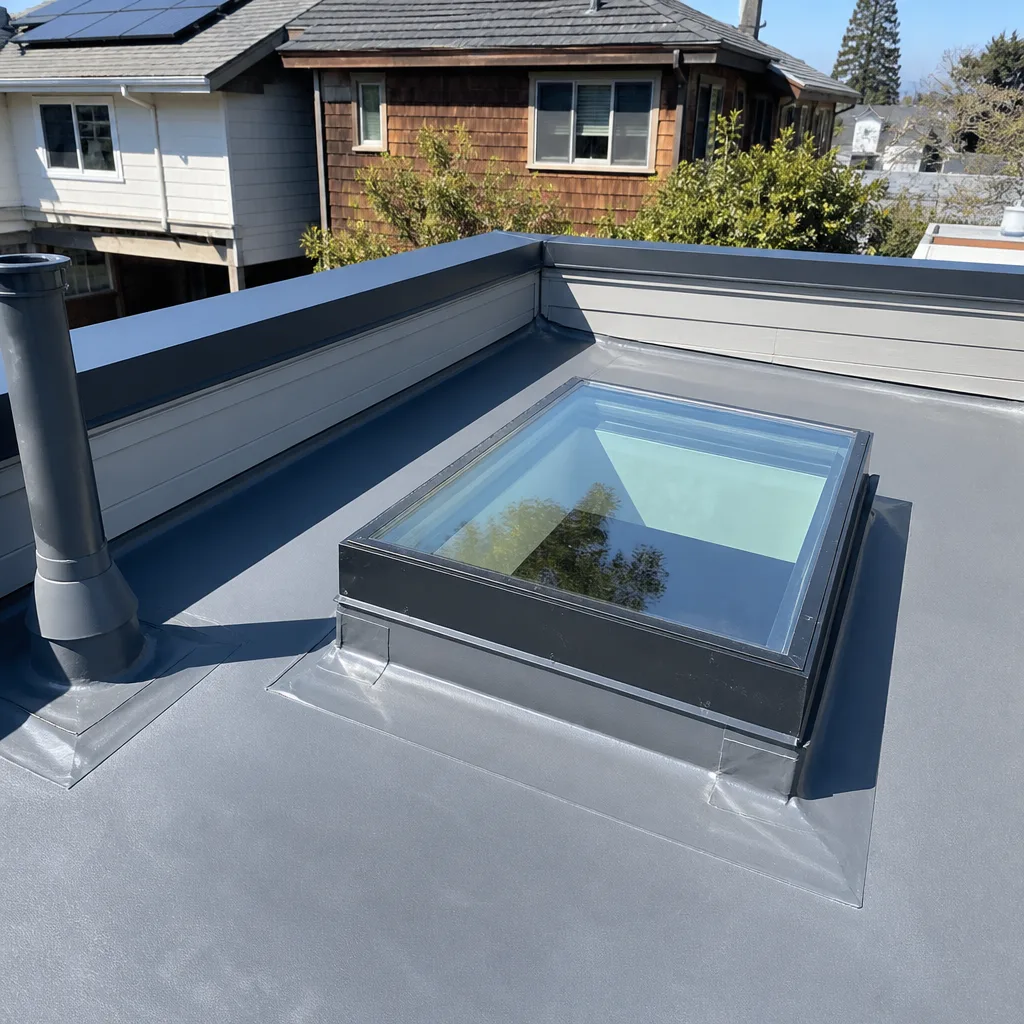 After
After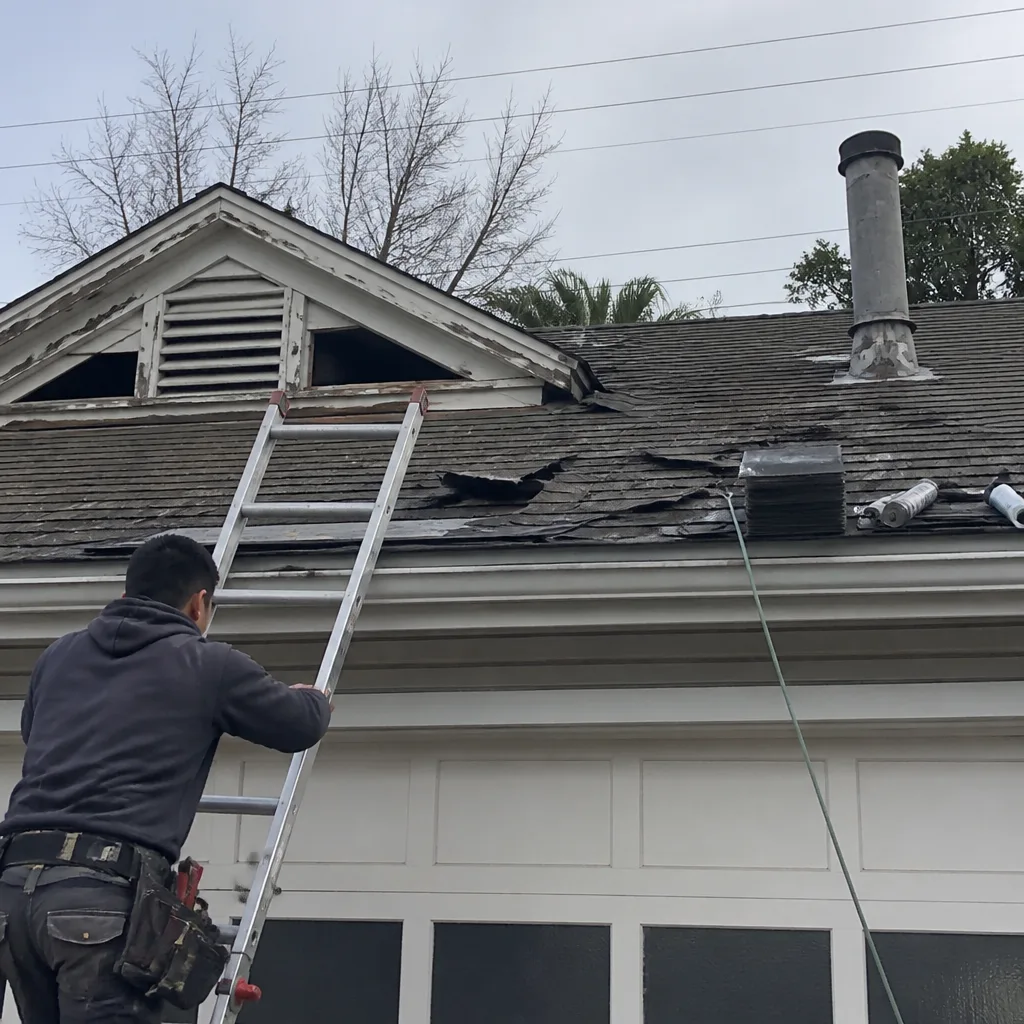 Before
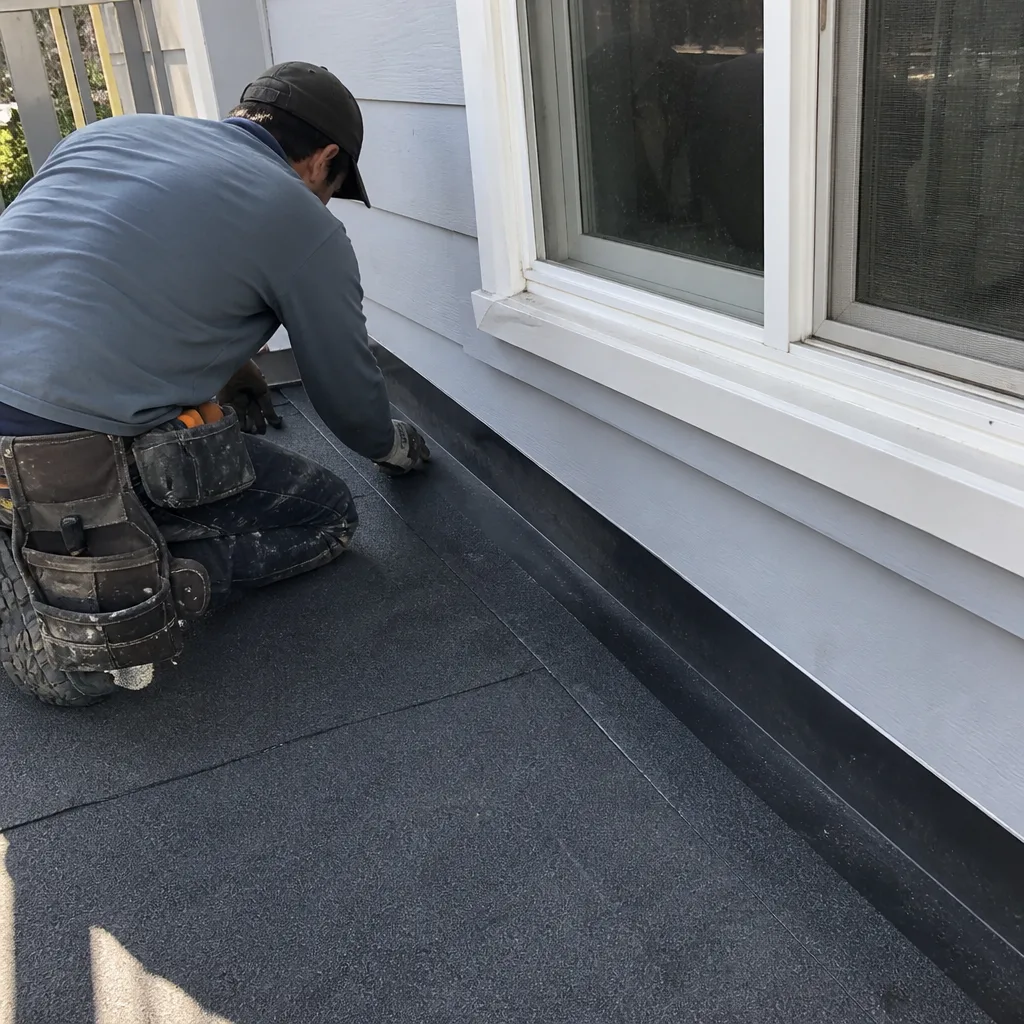 After
AfterReplacement Cost & What’s Included
In San Francisco, expect to pay $350 – $900 for a typical single-point flashing replacement, parts and labor included. A simple pipe boot runs $350 – $500. Step flashing along a short wall section runs $450 – $700. Valley flashing replacement runs $600 – $900 because it means lifting shingles on both sides of the valley. Chimney flashing, which is the most involved, can run $800 – $1,200 depending on chimney size and whether the counter-flashing needs to be cut into the mortar.
What moves the price within those ranges: roof pitch and access. A steep Victorian near Alamo Square or a three-story flat in the Mission costs more to work on than a one-story ranch with a walkable pitch. If the decking under the flashing is rotted, that’s additional work we quote separately, in writing, before we touch it. You’ll never get a surprise line item at the end. Every Brennan Roofing Co San Francisco job starts with a written price on paper before any work begins, and that number does not move at the door. All flashing replacements are covered by our 365-Day Done Right Promise: if it fails within a year, we come back and fix it at no charge.
DIY or Call Us?
Here’s the honest split. If you want to identify the problem, go ahead. You can safely inspect your attic for water stains, check your gutters for granule buildup, and look at roof flashing from the ground with binoculars. None of that requires setting foot on a ladder. What you should not do is climb onto a San Francisco roof to reseal or replace flashing yourself. Roofs here are steep where they’re not flat, and flat roofs have their own hazards with ponding water and membrane damage. Falls from roofs are one of the leading causes of serious injury among homeowners attempting their own repairs. Flashing work also requires lifting shingles correctly, matching the right sealant for the material, and knowing when decking beneath has already been compromised.
If you suspect your flashing has failed, call us at (831) 318-8819. We’ll inspect it, tell you what’s actually wrong, and put a written price in your hands before any work starts. A good roof shouldn’t need to be talked about, it should just hold.
FAQs
In San Francisco’s coastal climate, flashing typically lasts 15 – 25 years depending on material and exposure. Aluminum flashing near the ocean in the Sunset or Richmond districts corrodes faster due to salt air, while galvanized steel holds up better but still eventually rusts through. Fog exposure means the metal stays damp longer than it would in a dry climate, which shortens its life compared to inland California. If your flashing is past 15 years old and you’re seeing rust or lifting, replacement is cheaper than waiting for the leak. Call (831) 318-8819 and we’ll assess it for free.
Small sealant failures can sometimes be patched, but patching is a temporary measure and we’re honest about that. If the flashing itself is rusted, cracked, or pulling away from the wall, replacement is the correct fix. Re-sealing over corroded metal just postpones the leak by a season or two. We won’t sell you a replacement you don’t need, and we won’t patch something that’s going to fail again in six months. Call (831) 318-8819 and we’ll tell you which situation you have.
A standard pipe boot or short step flashing replacement takes 2 – 4 hours from setup to cleanup. Valley flashing takes half a day. Chimney flashing can run a full day if the counter-flashing needs to be cut into mortar and the surrounding shingles have to be re-laid. We’ll give you a time estimate along with your written price before work starts, and we show up inside the window we promise.
We stock the common sizes and types on our trucks: pipe boots in 2″, 3″, and 4″, step flashing in standard rise widths, and roll valley flashing. Specialty items, like custom-bent chimney counter-flashing or oversized pipe boots, may require a fabrication run. For most San Francisco homes, we can complete the replacement same-visit without ordering anything. Call (831) 318-8819 and we’ll confirm what your roof needs.
If you’re seeing signs of failing flashing on your GAF roof, don’t wait for the next storm cycle to find the leak from inside your living room. Call Brennan Roofing Co San Francisco at (831) 318-8819. We’ll inspect the flashing, quote you a written price before any work starts, and stand behind the repair with a full-year guarantee in writing.
Written by Travis Oakley, Owner, Brennan Roofing Co at Brennan Roofing Co San Francisco, serving San Francisco and nearby areas.