
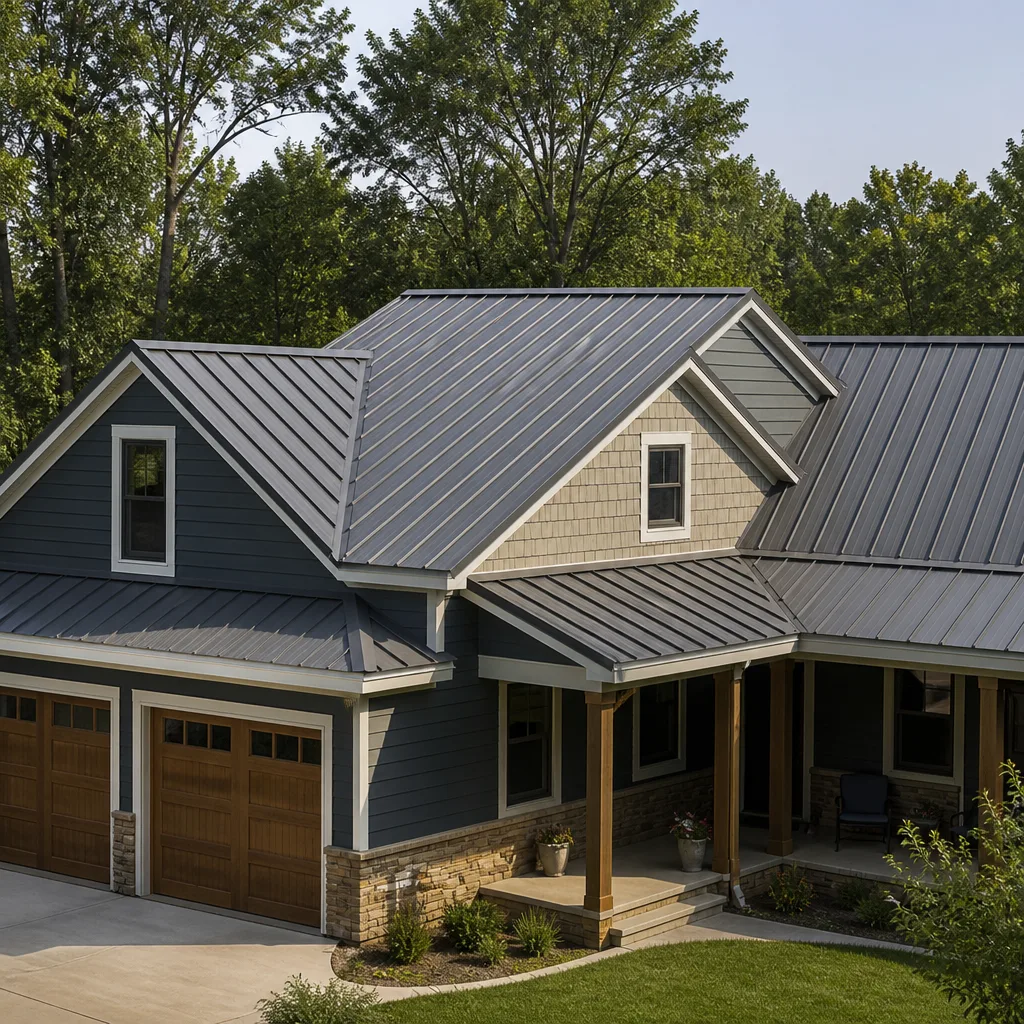
 Metal roofing
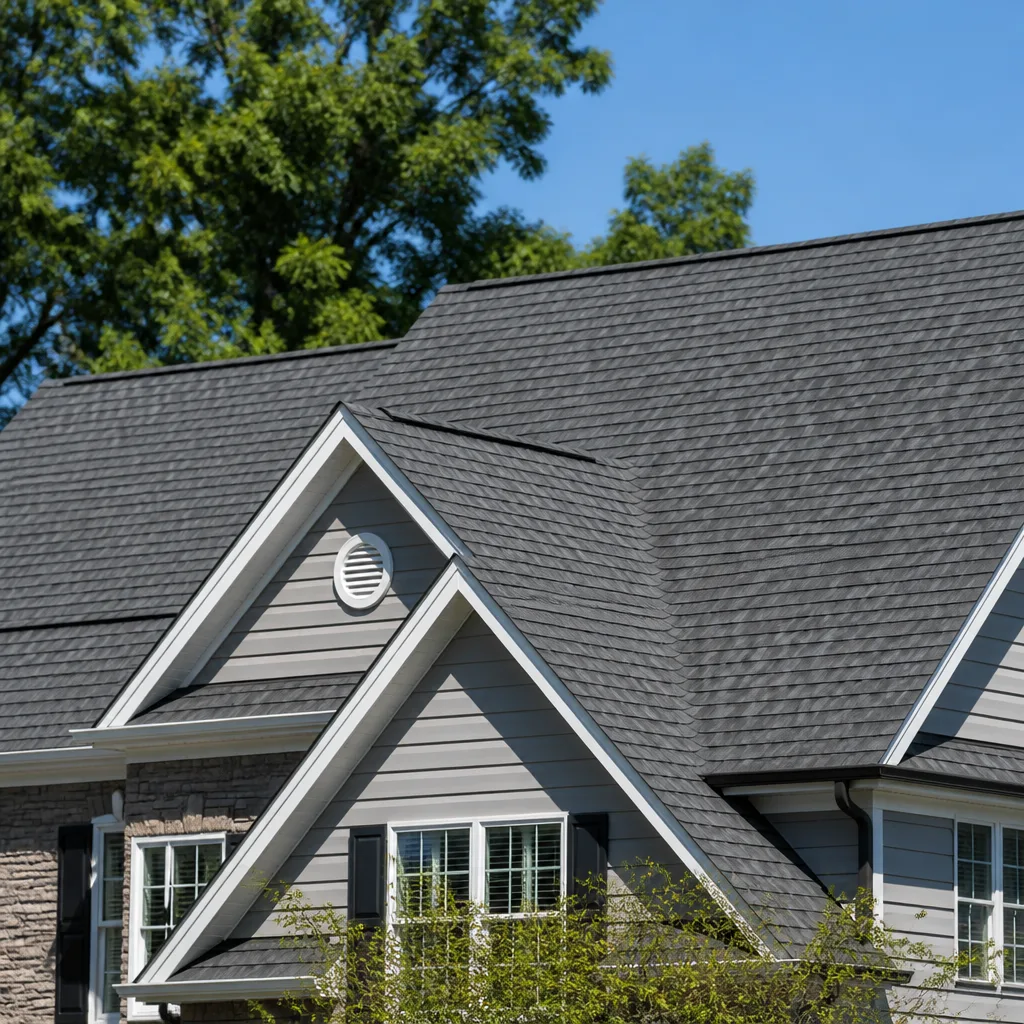 Architectural shingles
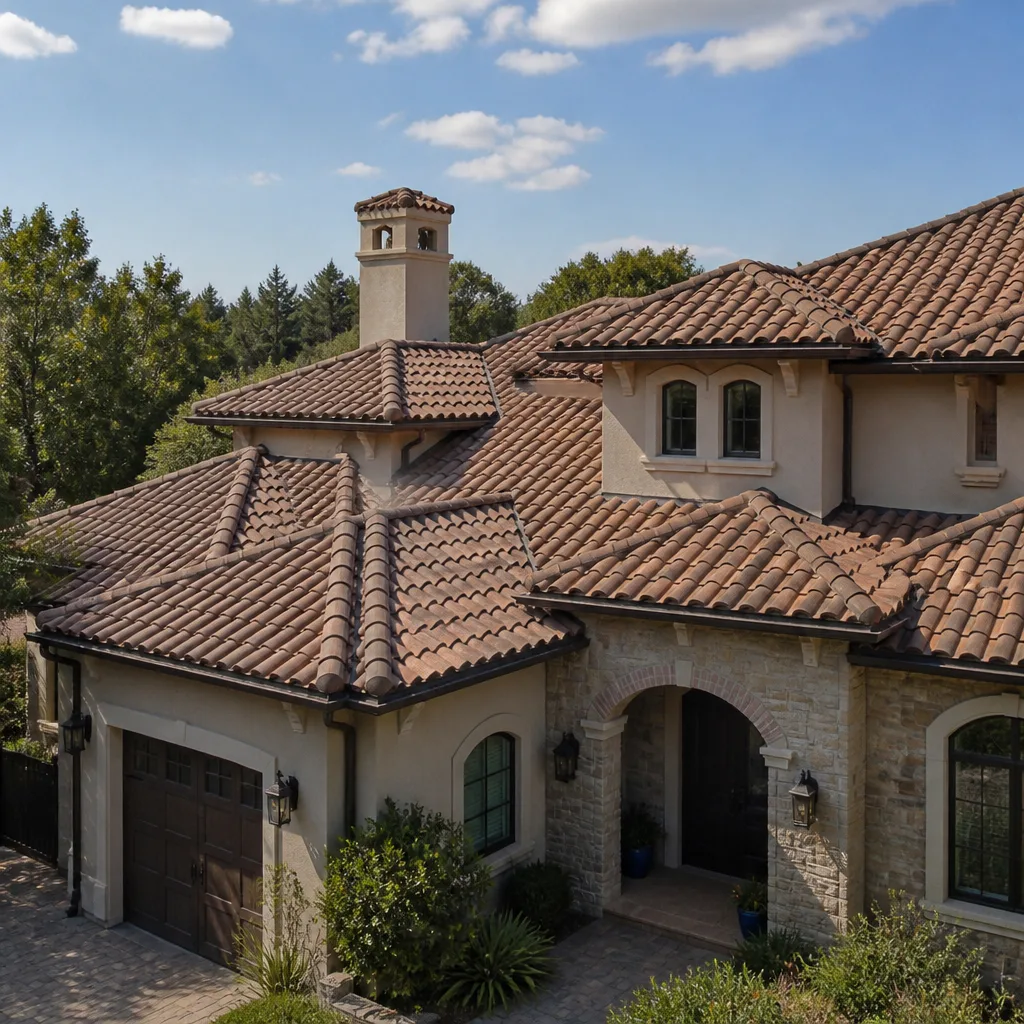 Tile roofing
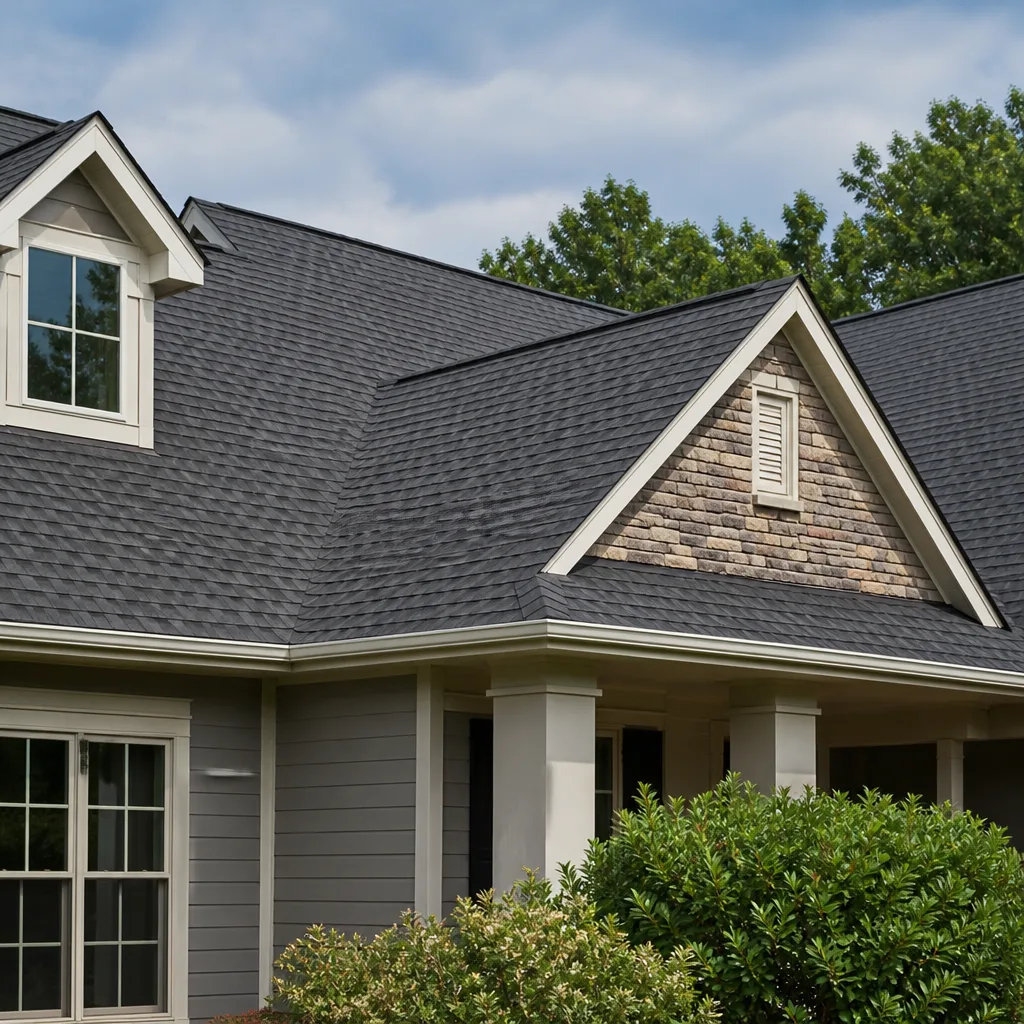 GAF
GAF Owens Corning
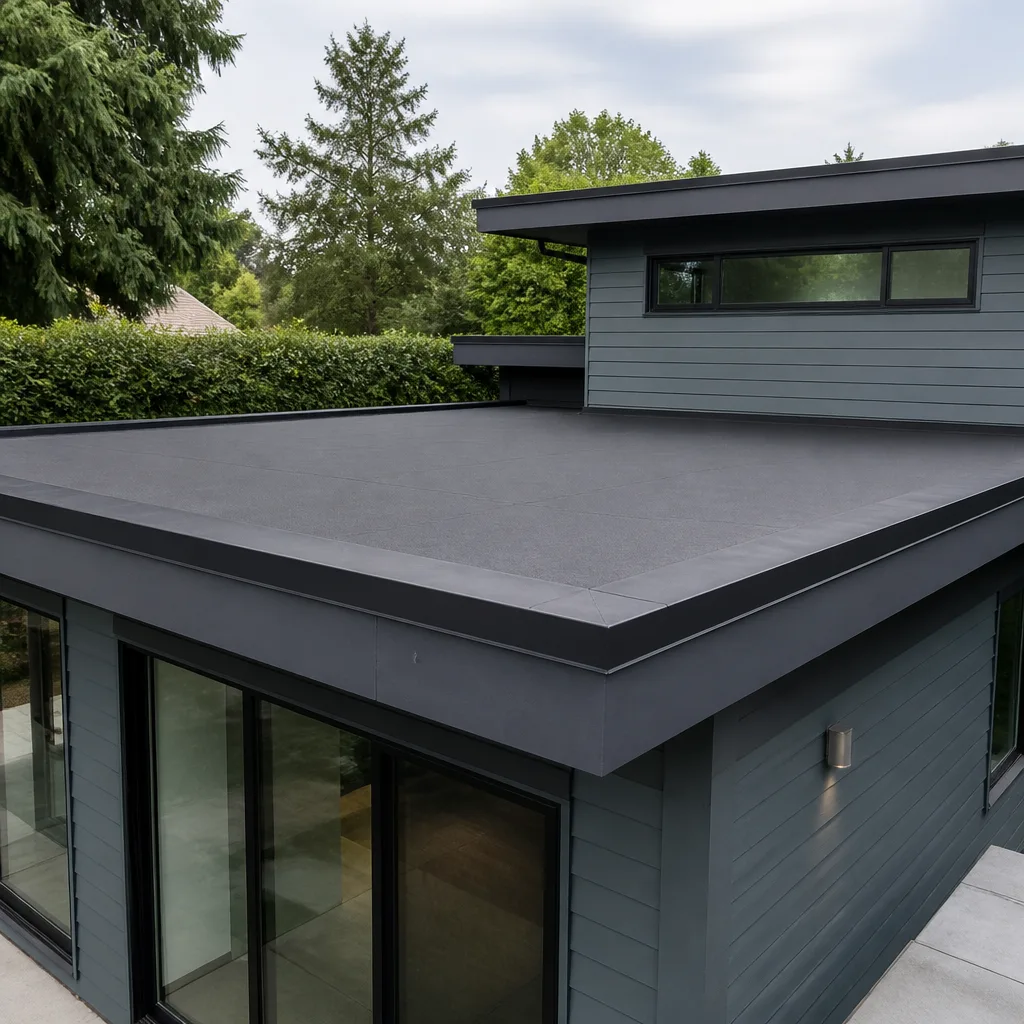 Flat & low-slope
Free roof inspection with deck photos before we talk money - GAF and Owens Corning certified installation
CertainTeed Flashing Replacement: The San Francisco Owner’s Guide
We stock and install CertainTeed-compatible flashing replacement across San Francisco, with most jobs running between $425 and $1,200 depending on penetration count and roof access. Our trucks carry standard CertainTeed-spec step flashing, apron flashing, and pipe boot collars, so most replacements happen in one visit. Homeowners usually find the problem the same way: a water stain on the ceiling after a hard rain, or granules collecting in a gutter below a wall intersection.
Flashing is the metal that bridges the gap between your CertainTeed shingles and anything that pokes through or meets the roof: chimneys, skylights, vent pipes, dormer walls, and valleys. When it fails, water gets behind the shingles and into the decking. In San Francisco’s fog-and-rain cycle, a small flashing gap can sit damp for months before anyone notices. By then, the plywood underneath is often soft.
We’re an independent roofing contractor, not affiliated with CertainTeed. But we install to their published specs, and we keep their standard dimensions in stock because that’s what most San Francisco roofs are wearing.
Which CertainTeed Models This Applies To
CertainTeed’s flashing requirements are driven by the shingle line and the roof’s pitch, not by a part number stamped on the metal itself. If your roof carries Landmark, Landmark Pro, XT 25, Grand Manor, Presidential Shake, or Highland Slate, the flashing specs are the same as the industry standard for those profiles: 4-inch by 4-inch by 7-inch step flashing for sidewalls, minimum 26-gauge galvanized or equivalent, with a 4-inch overlap per course.
The real compatibility gotcha in San Francisco is at the wall intersection, not the shingle. Older homes and buildings with stucco or wood-siding walls often have step flashing that was counterflashed incorrectly, or not counterflashed at all. When we replace flashing on those, the CertainTeed-spec step pieces go in, but we also cut a proper reglet into the stucco or pull the siding course to get counterflashing seated. Skipping that step is why some flashing replacements fail again in two years.
For pipe collars and vent boots, CertainTeed roofs don’t need CertainTeed-branded flashings. A proper neoprene or silicone boot rated for the pipe diameter (1.5-inch through 3-inch are standard on San Francisco houses; 3-inch vent stacks are the most common we see) works fine. If your roof has a three-tab or architectural shingle, the boot type doesn’t change; what matters is the pitch and whether the boot’s base lies flat under the shingle course above it.
We stock OEM-standard gauge metal on the truck and can match the finish (galvanized, aluminum, or pre-finished colors where the flashing will be visible). The key decision is always thickness: 26-gauge is the spec for most penetrations. Thinner metal from a big-box store often fails at the seams in San Francisco’s wind-driven rain.
Styles & brands we work with
Signs Your CertainTeed Flashing Replacement Is Failing
- Water stains on ceilings or walls near a chimney, skylight, or dormer. This is the classic sign that step or apron flashing has separated. Water follows the gap and shows up inside, often far from the actual leak. Flashing gaps commonly start after freeze-thaw cycles lift fasteners in older metal.
- Loose, lifted, or curling step flashing at a roof-to-wall intersection. Walk the ground with binoculars and look at the line where shingles meet a wall. If the metal appears to be prying outward, the counterflashing has let go. Wind and roof movement slowly work it free.
- Granules collecting in a gutter directly below a wall, chimney, or valley. Shingle wear at flashing points is accelerated because water funnels there. The granules tell you the shingle is deteriorating, but the root cause is often water getting behind the flashing and saturating the shingle’s underside over time.
- Rust or corrosion on exposed chimney flashing or valley metal. San Francisco’s salt air and fog are hard on metal. Once a valley or apron flash shows rust-through, replacement is the only fix. Coating it with sealant buys a season at most, and it often hides the damage until the decking is wet.
- Dark, damp spots on plywood soffit or fascia edges near roof penetrations. This means water has worked past the flashing and is migrating through the roof edge. It often shows as staining before any interior ceiling damage appears.
See the difference
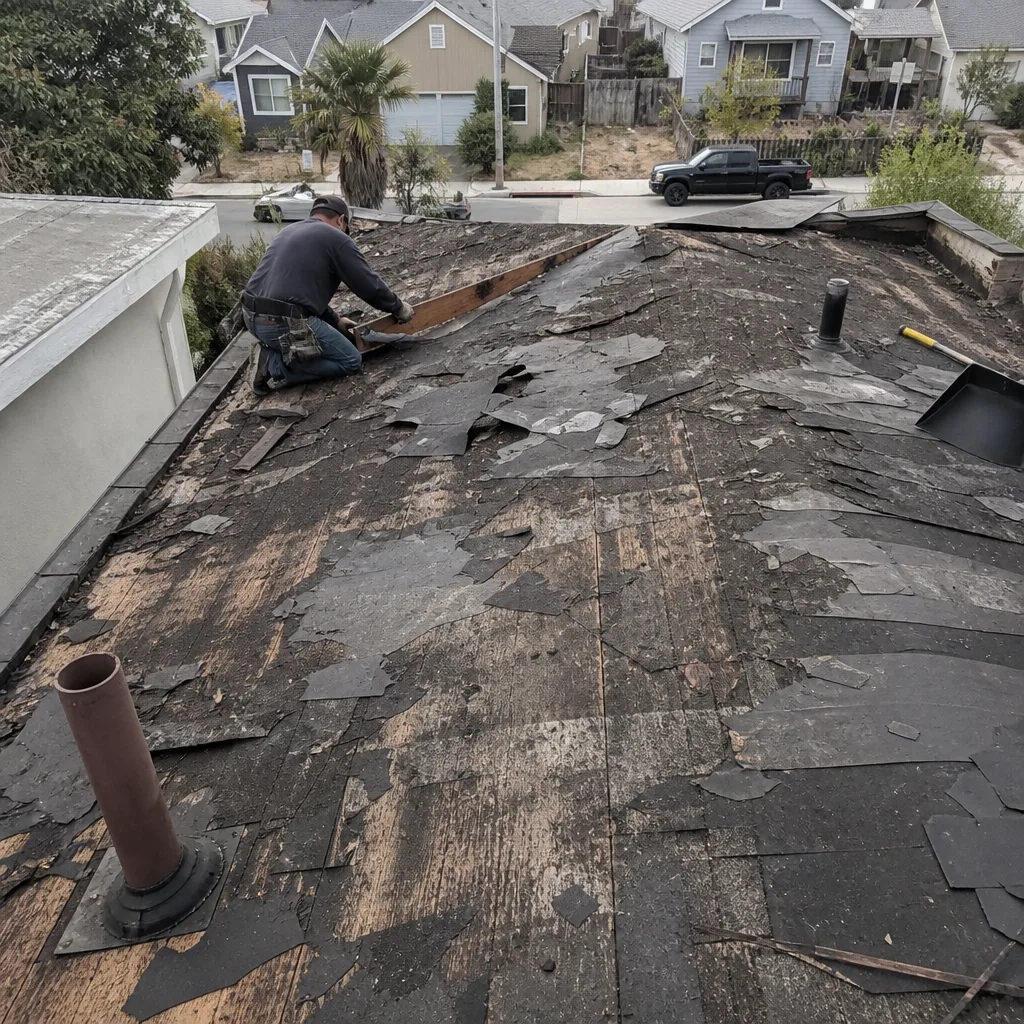 Before
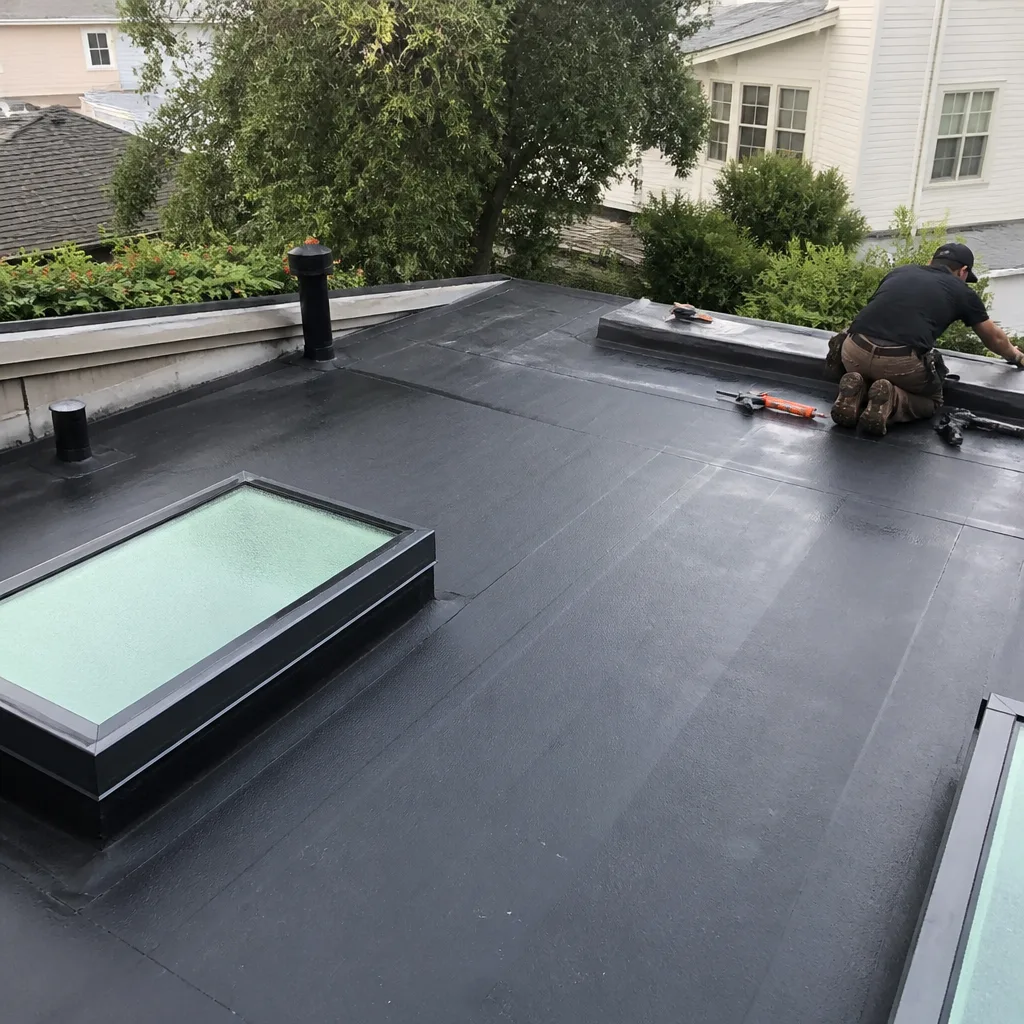 After
After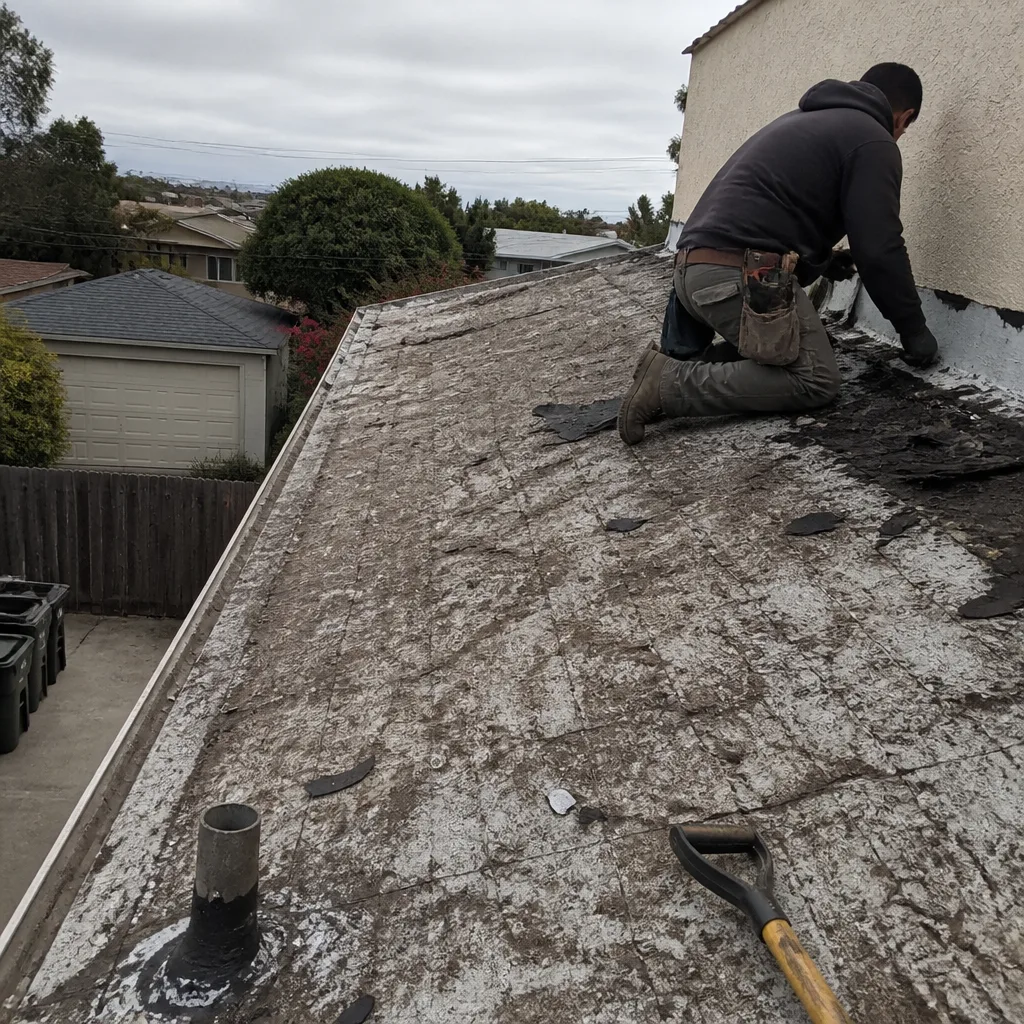 Before
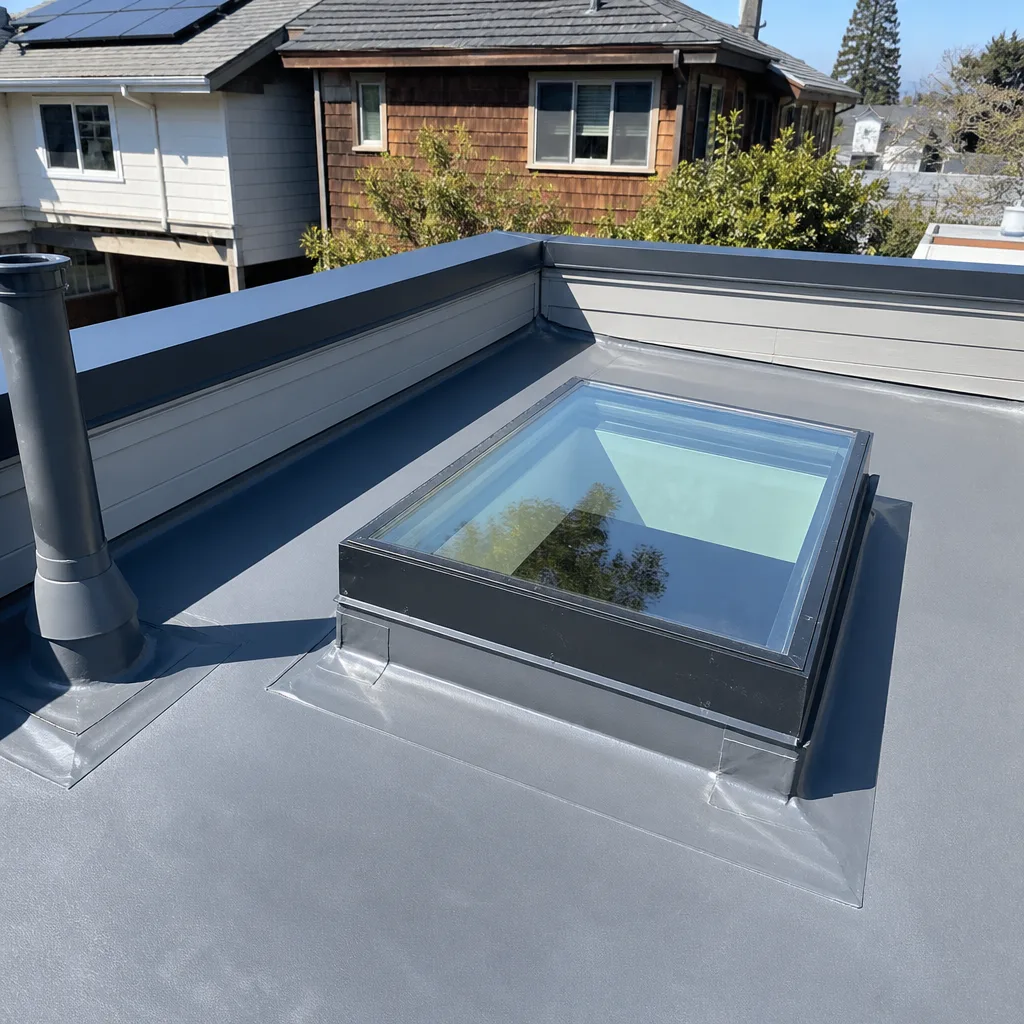 After
After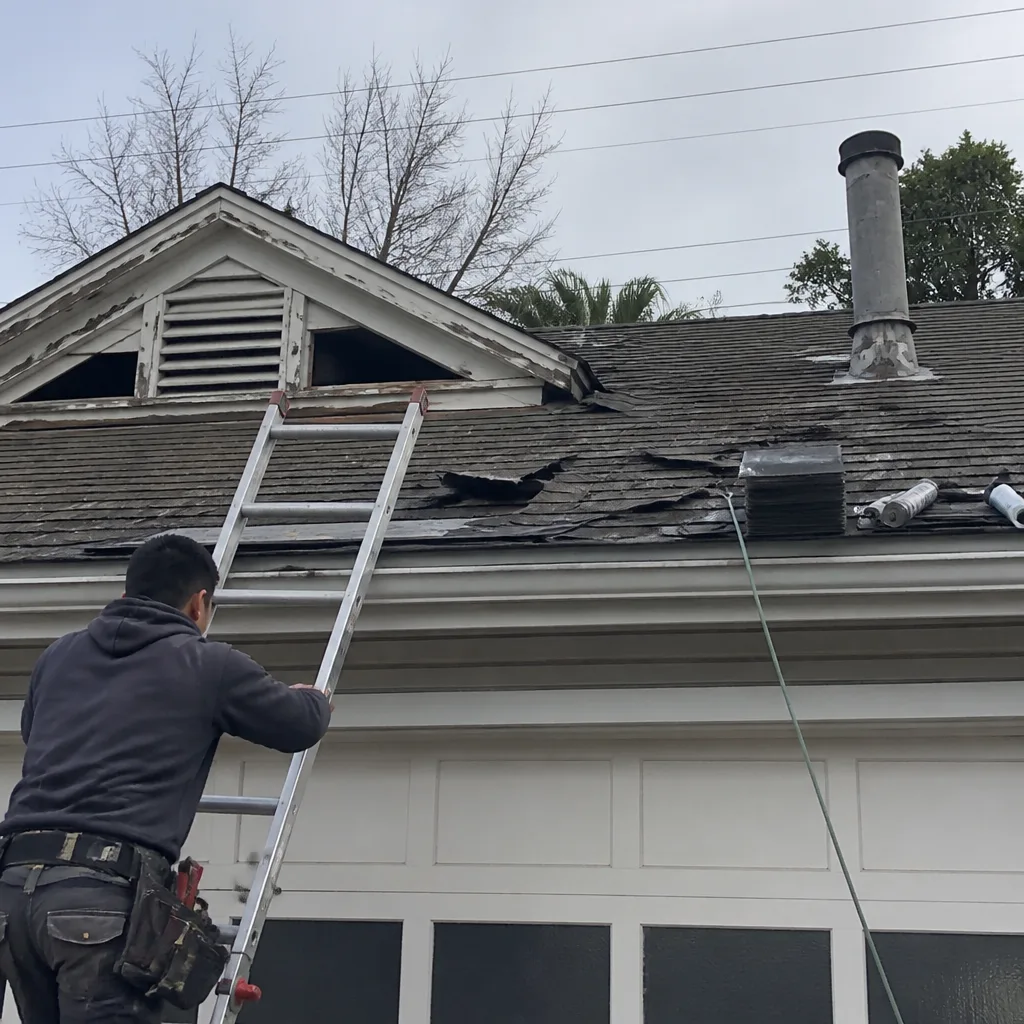 Before
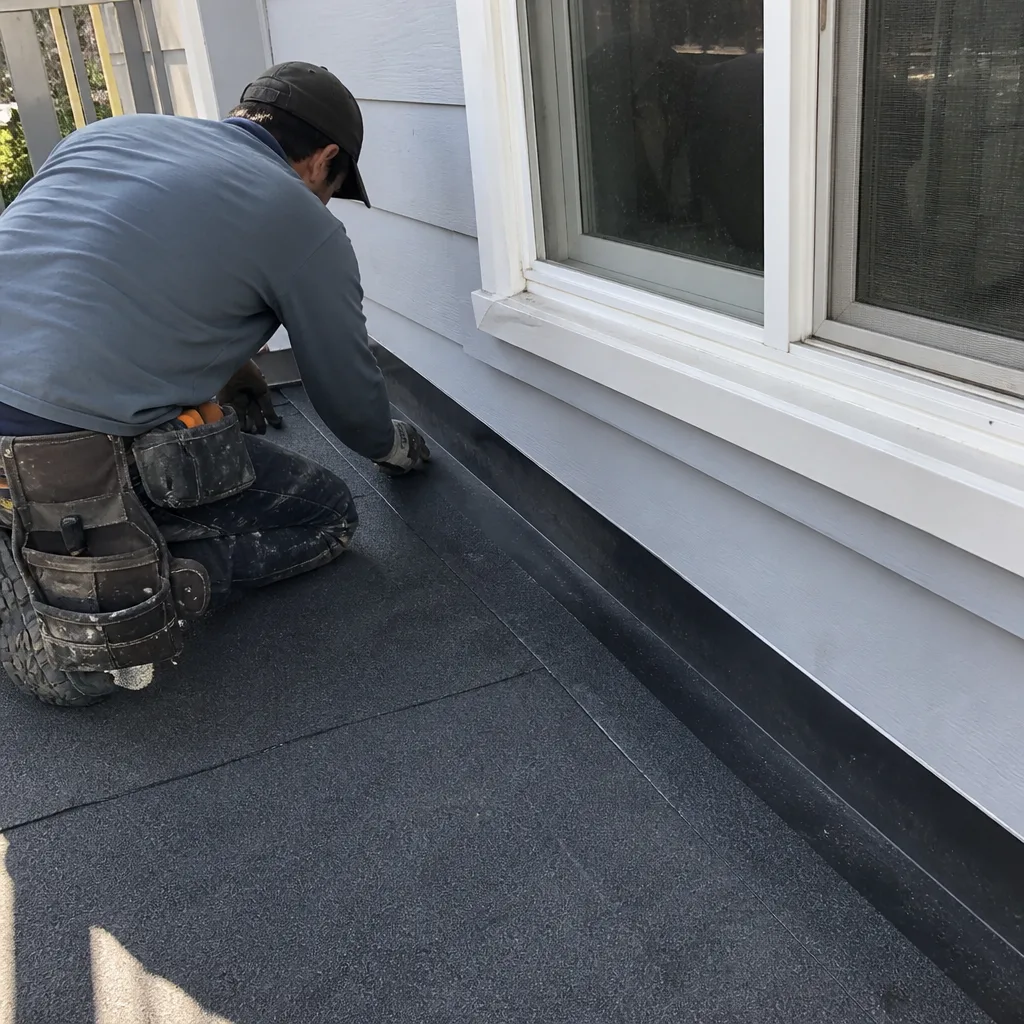 After
AfterReplacement Cost & What’s Included
In San Francisco, flashing replacement runs from about $425 to $1,200 on most homes. The range depends on how many penetrations need work, whether walls require re-cutting counterflashing, and how steep or tall the roof is. A simple pipe boot replacement is typically at the low end. A chimney with four sides of step flashing, a new apron, and counterflashing is at the high end and beyond.
Every Brennan Roofing estimate is a written line-item price. That means you see the cost of the flashing metal, the labor, and any decking repair needed if water has already gotten in. The price we put on paper before work begins is the price you pay. We do not change it at the door.
Every flashing replacement is covered by the 365-Day Done Right Promise: it’s guaranteed in writing for one full year. If the flashing fails within that year, we come back and fix it at no charge. No prorating, no fine print about who did what.
DIY or Call Us?
Flashing replacement isn’t a high-tension safety risk like garage door springs, but it is roof work. You’re on a ladder, on a sloped or flat surface, carrying metal with sharp edges. The real danger isn’t just the fall, it’s the false confidence that a squirt of roofing cement will fix the gap. It won’t. Flashing leaks need mechanical repair: fasteners, proper lap order, and counterflashing. The biggest mistake we see from homeowner repairs is layering caulk over failed metal. That traps water and accelerates rot, so the eventual repair costs more because we’re replacing decking that would have survived with a proper flashing swap.
What an owner can reasonably do: look at the flashing from the ground or a window with binoculars. Check for lifting metal, missing pieces, and rust. Note where the leak appears inside relative to the roof outside. Don’t get on the roof. A steep San Francisco roof with damp moss or sea-fog moisture is not where you want to discover your ladder was the wrong height.
Call (831) 318-8819 and we’ll do the estimate from the roof, safely, with the right gear.
FAQs
Properly installed 26-gauge flashing typically lasts the life of the shingle course, 25 to 40 years depending on exposure. Flashing fails early when it’s under-gauge metal, installed without counterflashing, or exposed to constant salt air without a compatible finish. We see failed flashing most often at 15 to 20 years on San Francisco roofs with original builder-grade metal.
Sometimes. A single lifted step-flashing piece can be re-seated and refastened if the metal is still sound and the shingle underneath isn’t rotting. But patched flashing with sealant or tape is a temporary fix at best, especially on valley or chimney flashings where water volume is higher. We will tell you if a repair buys you three seasons or three years. Call (831) 318-8819 for an honest read.
A single pipe boot takes under an hour. A full chimney flashing replacement typically takes half a day including setup and cleanup. If decking repair is needed, we schedule for a second day to let the wood dry and be replaced properly.
Yes. Our service trucks carry standard 4x4x7 step flashing, 26-gauge coil stock for custom bending, chimney apron stock, and pipe boots in the common sizes. We also stock compatible parts for GAF and Owens Corning roofs, since San Francisco has a mix of all three. Most replacements are completed the same day; odd-size or custom-color flashing may need a supply run.
Written by Travis Oakley, Owner, Brennan Roofing Co at Brennan Roofing Co San Francisco, serving San Francisco and nearby areas.