
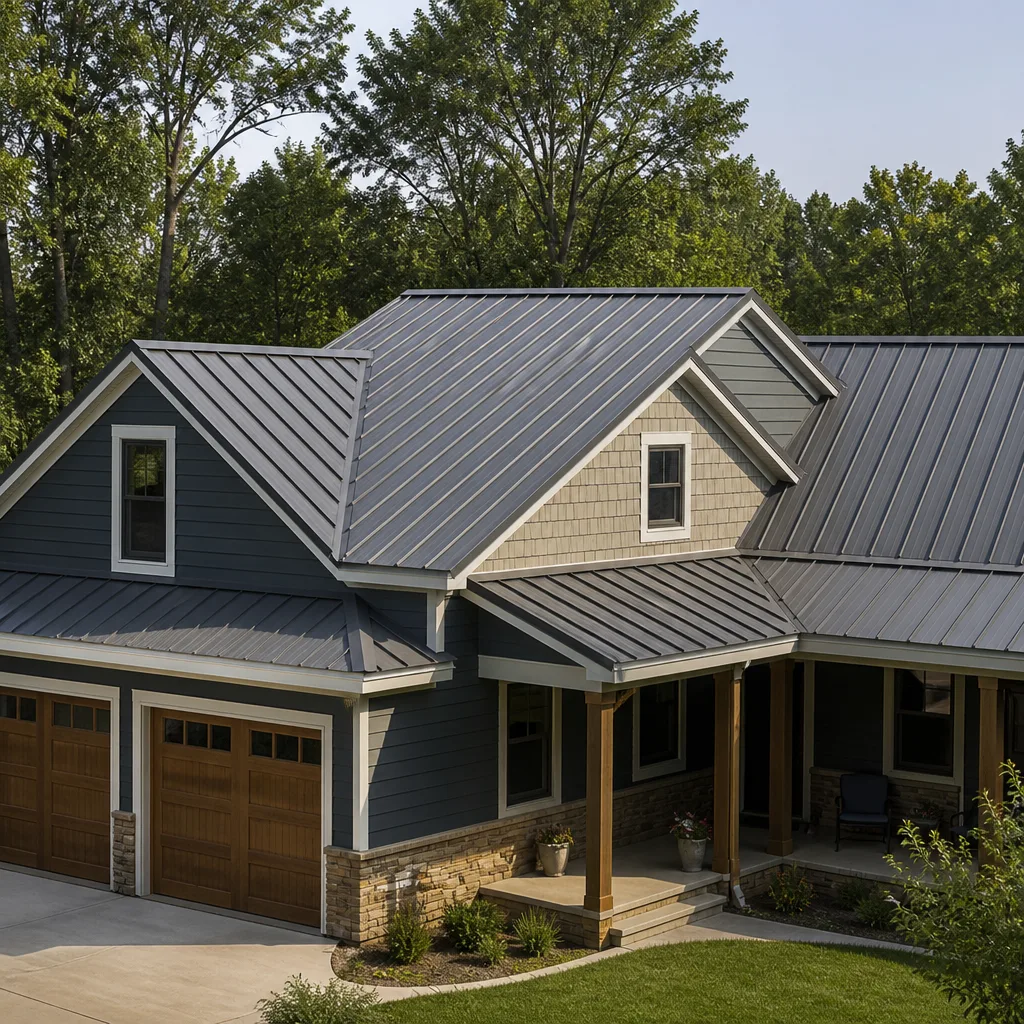
 Metal roofing
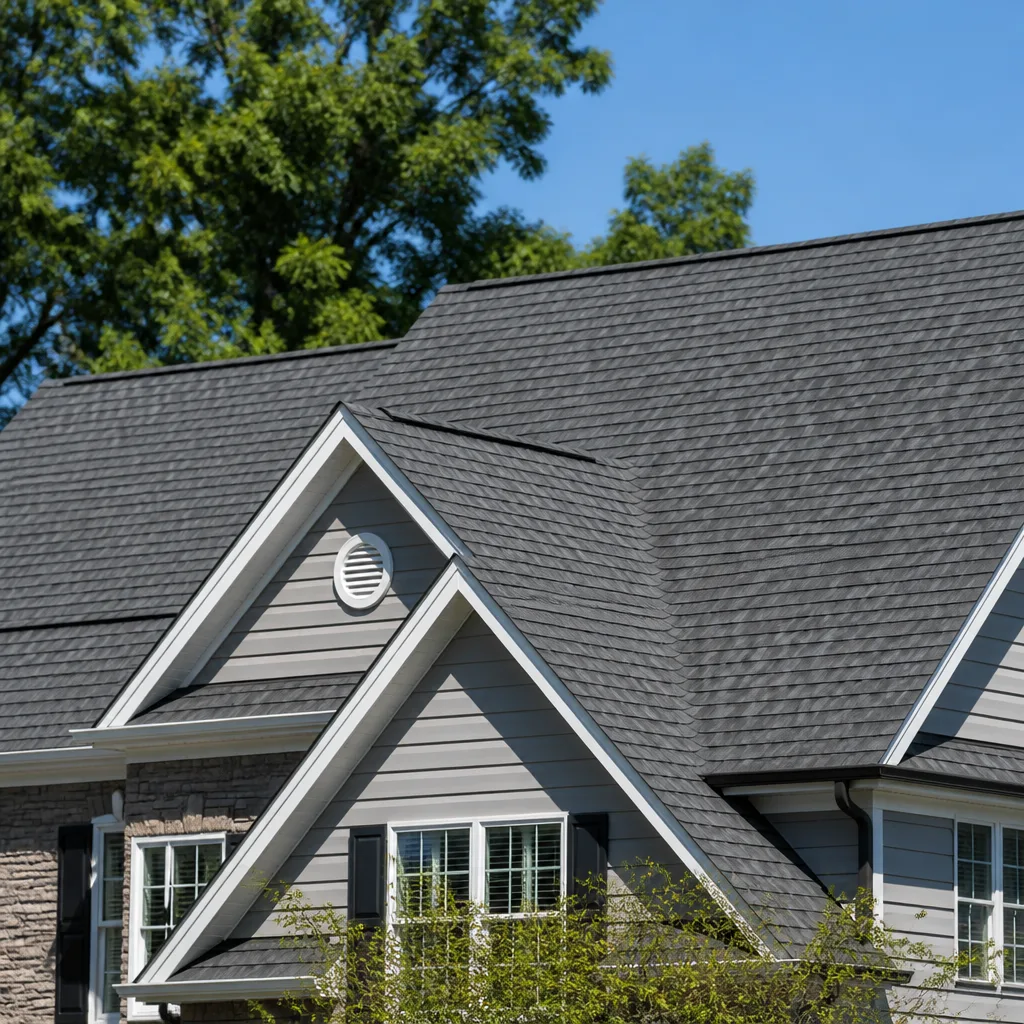 Architectural shingles
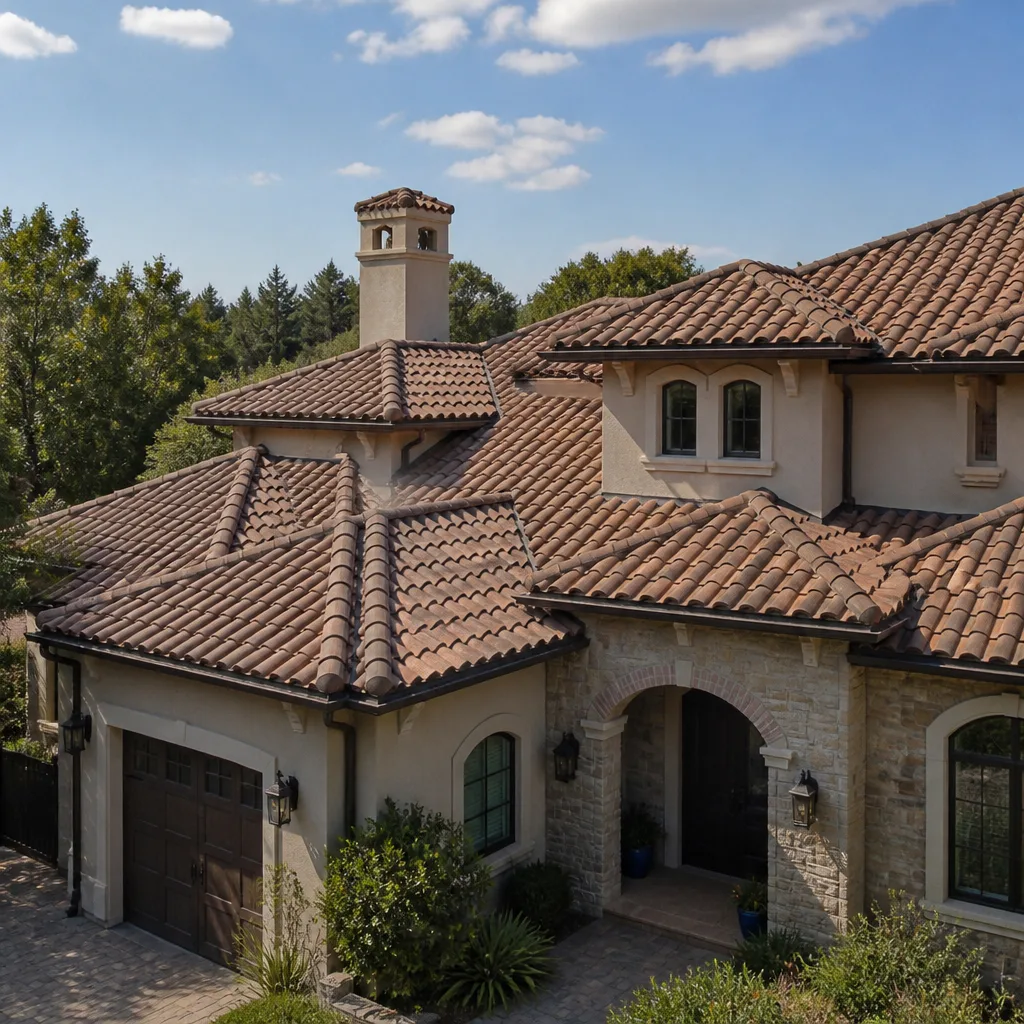 Tile roofing
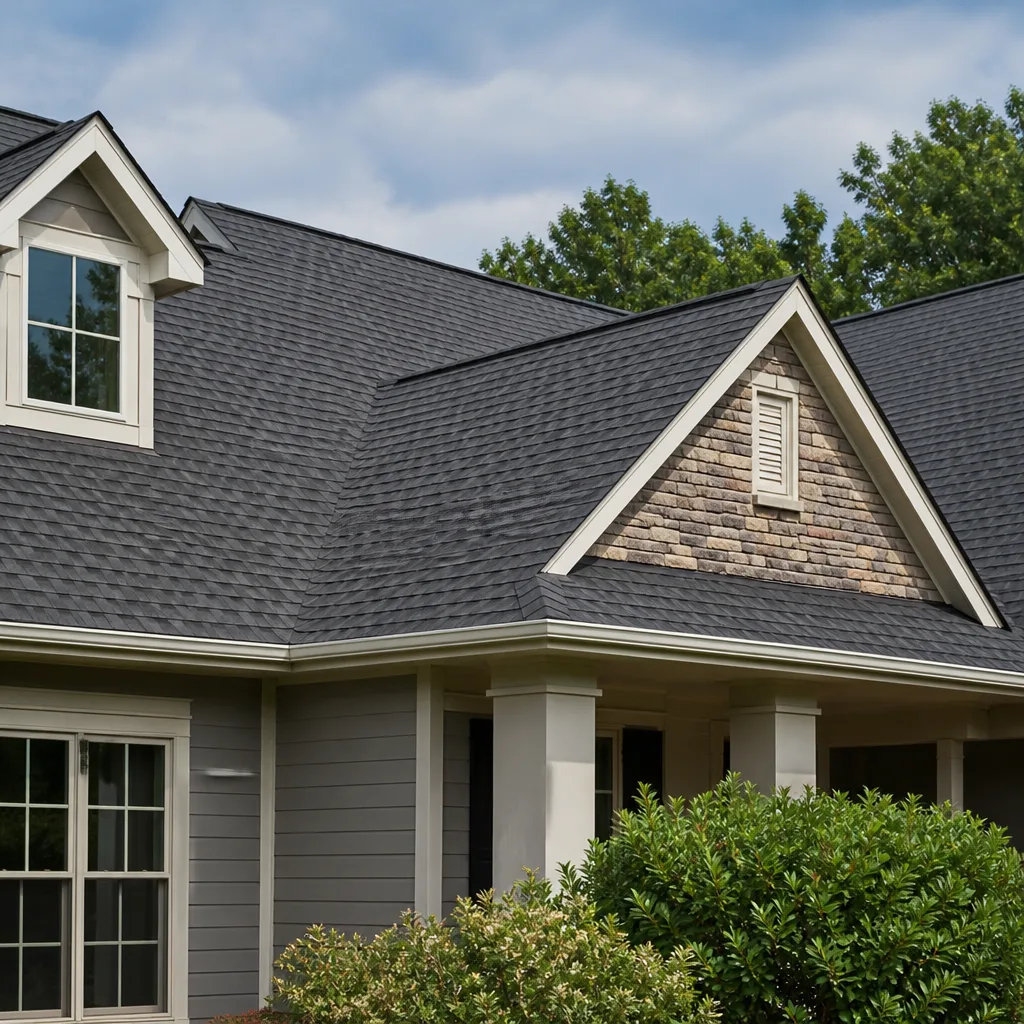 GAF
GAF Owens Corning
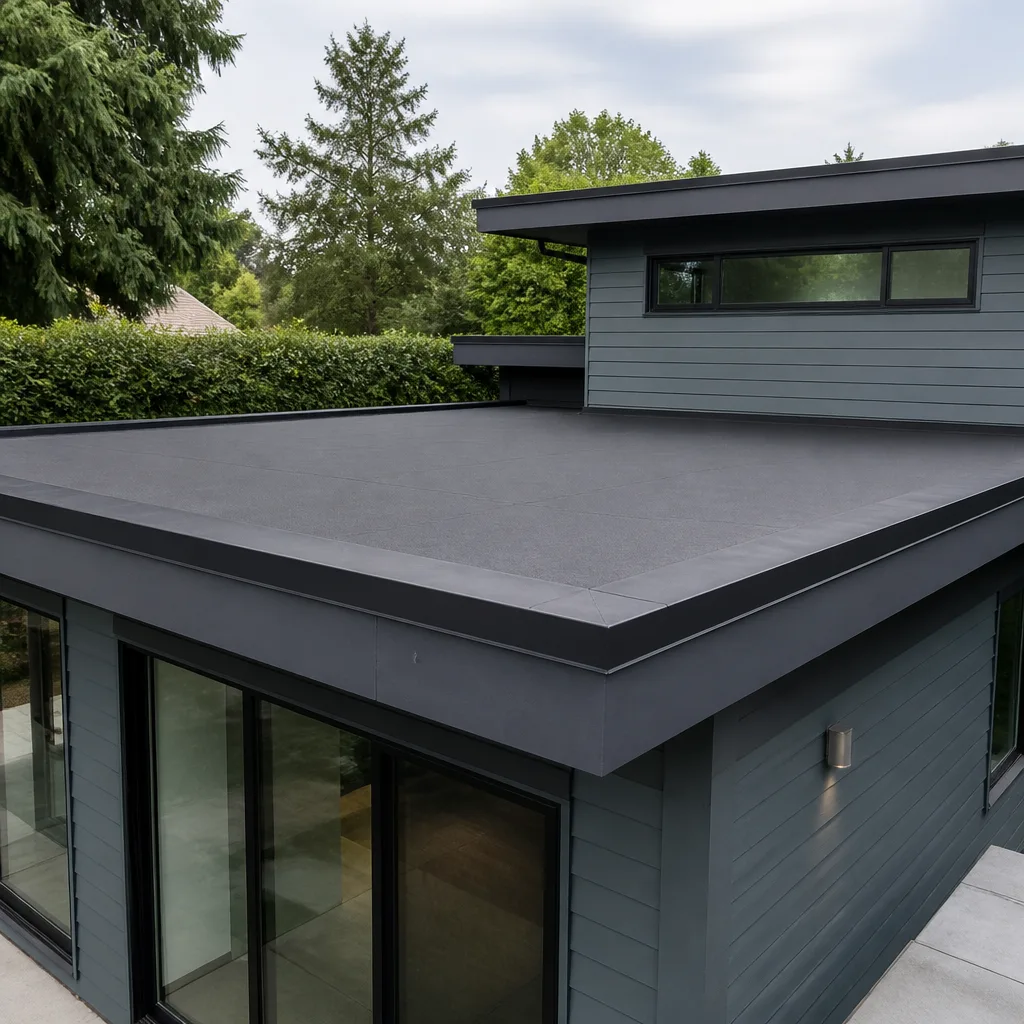 Flat & low-slope
Free roof inspection with deck photos before we talk money - GAF and Owens Corning certified installation
Atlas Gutter Replacement: The San Francisco Owner’s Guide
We stock and install Atlas-compatible gutter replacement components throughout San Francisco, with typical installed pricing running $18 to $34 per linear foot depending on the gutter profile, roof height, and whether we’re replacing a section or the full run. Most homeowners discover they need this work the hard way: a downspout pulls away from the fascia, water starts cascading over the edge during a storm, or paint blisters on siding near the roofline. The gutters Atlas manufactures are solid workhorses, but the hangers, end caps, and seam joints are the failure points we replace most often in this city’s wet winters and salt-tinged fog belt.
Here’s what you need to know before you spend a dollar on parts or labor: Atlas residential gutter systems come in 5-inch and 6-inch K-style profiles, with the 6-inch being the better choice for San Francisco’s heavier rain events on steeper roof pitches. If you’re patching rather than replacing, matching the profile matters more than the brand name on the box. We’ll cover compatibility, honest pricing, and whether this is a job you can safely tackle yourself.
Which Atlas Models This Applies To
Atlas manufactures gutters under a few different product lines, and the replacement parts are not fully interchangeable between them. The two most common in San Francisco homes are the Atlas Pro-Flo K-Style (5-inch and 6-inch) and the Atlas Rainhandler line, which uses a completely different bracket system. If you have the original paperwork, the model number is stamped on the inside face of the gutter, near the downspout outlet. If the paperwork is long gone, measure the top opening: 5 inches or 6 inches tells us the profile, and that determines the hangers, end caps, and miters we order or pull from our truck stock.
One gotcha specific to Atlas: the Pro-Flo line uses a hidden hanger with a 3/8-inch lip, not the more common 1/2-inch lip found on GAF and CertainTeed profiles. A 1/2-inch hanger will look like it fits and then sag within a season because it’s not seating against the gutter lip. That’s the kind of detail that separates a proper Atlas replacement from a generic patch job. We install OEM Atlas components when they’re available locally, and we carry quality aftermarket equivalents that match the Atlas profile exactly, which matters in neighborhoods like the Outer Sunset where wind-driven rain tests every seam.
Brennan Roofing Co San Francisco is an independent service provider and is not affiliated with Atlas Roofing Corporation. That independence is exactly why we can stock what fits and tell you plainly when an aftermarket hanger does the same job for less.
Styles & brands we work with
Signs Your Atlas Gutter Replacement Is Failing
- Gutters pulling away from the fascia board. This is almost always failed hangers or rotted fascia behind them. Atlas aluminum gutters are light, so when they start separating from the house, the fasteners have lost their bite, not the gutter itself.
- Water spilling over the front edge during moderate rain. That usually means the pitch has settled out of level, or debris has dammed the channel. In San Francisco’s eucalyptus-heavy neighborhoods like the Inner Sunset, leaf litter compacts into a sludge that out-muscles most gutter runs within two seasons.
- Visible rust streaks or pinhole leaks at the seams. The seam joints are the first thing to corrode, especially on homes within a mile of Ocean Beach where salt air accelerates oxidation. We see this constantly in the Richmond and Sunset.
- Downspout separation at the elbow or the outlet. The outlet connection is a weak point on every gutter brand, and Atlas is no exception. When the downspout pulls away, water dumps straight onto the foundation, which in a city built on hillside clay is a foundation problem waiting to happen.
- Paint bubbling or staining on siding below the roofline. That’s water wicking behind the gutter, which means the drip edge or the gutter’s back lip has failed. By the time you see it on the siding, the water has been finding its way there for a while.
See the difference
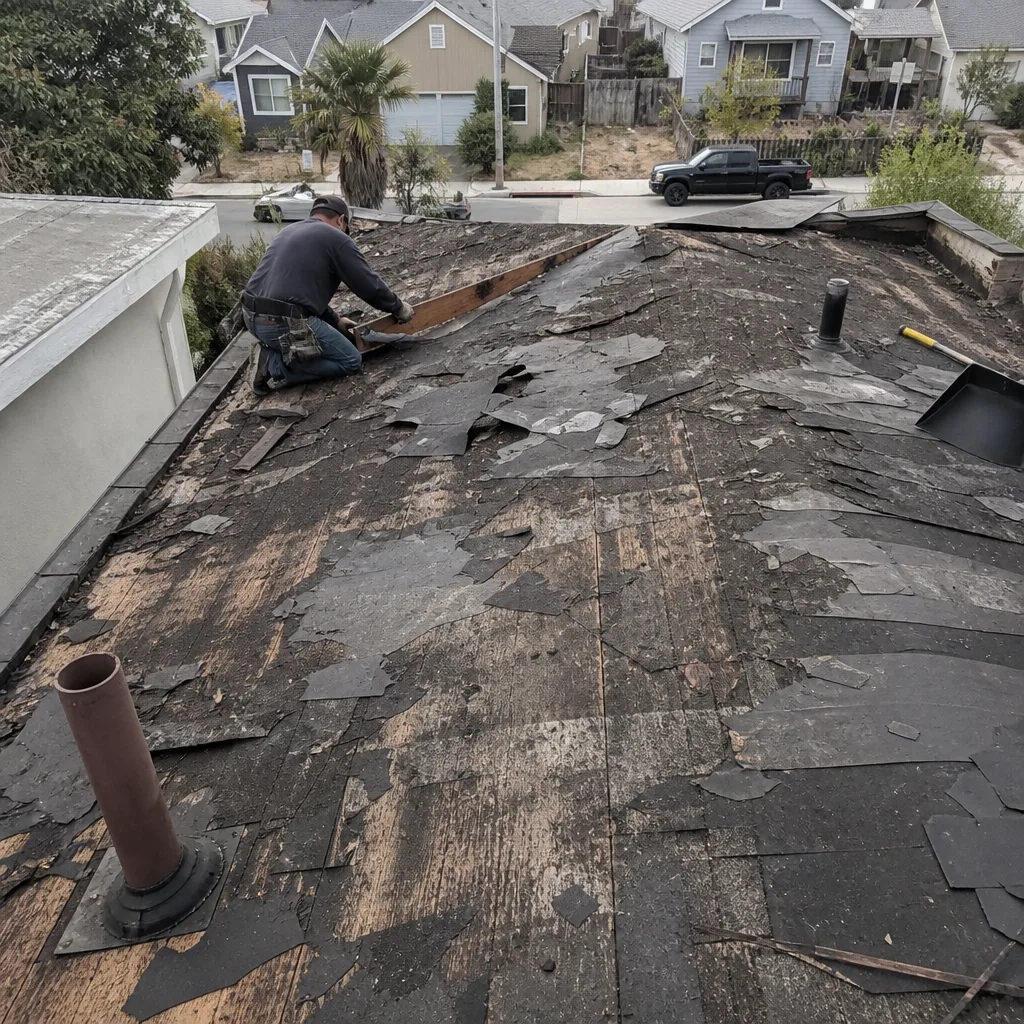 Before
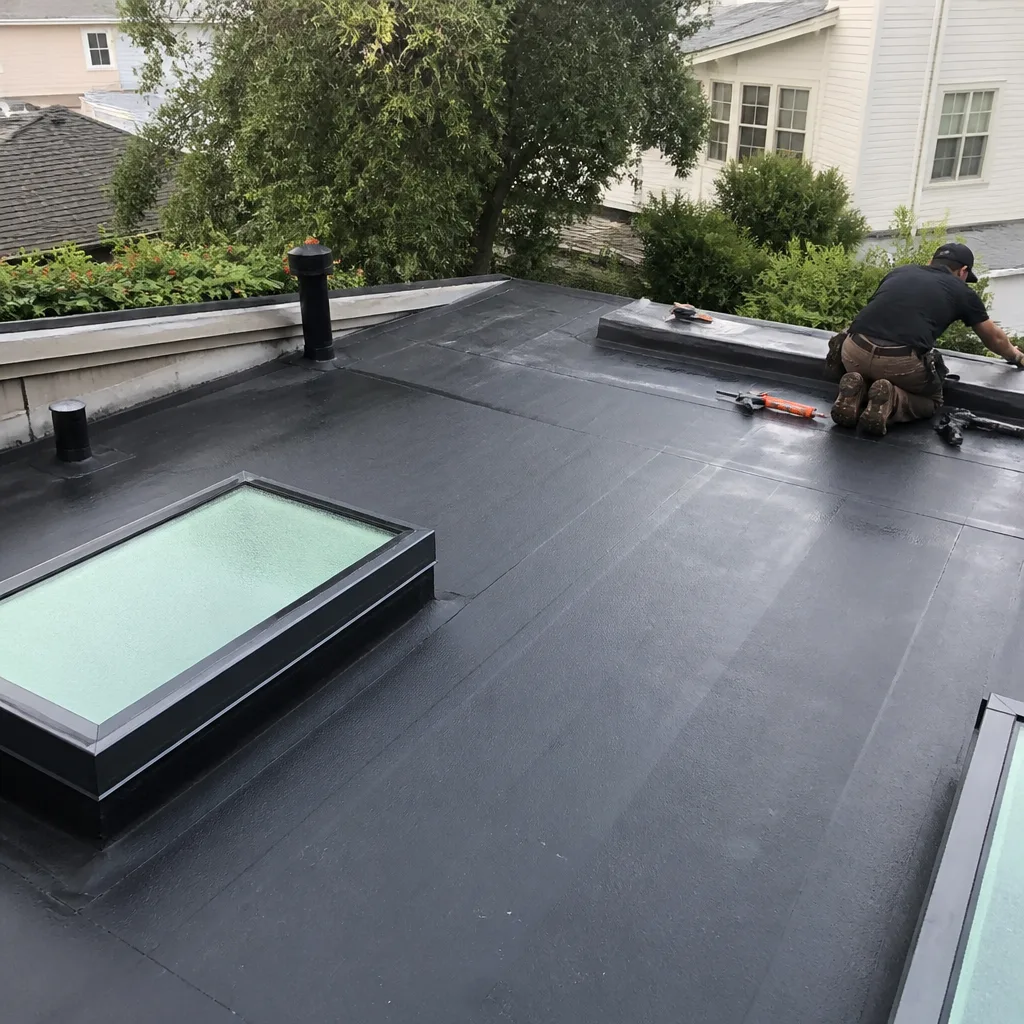 After
After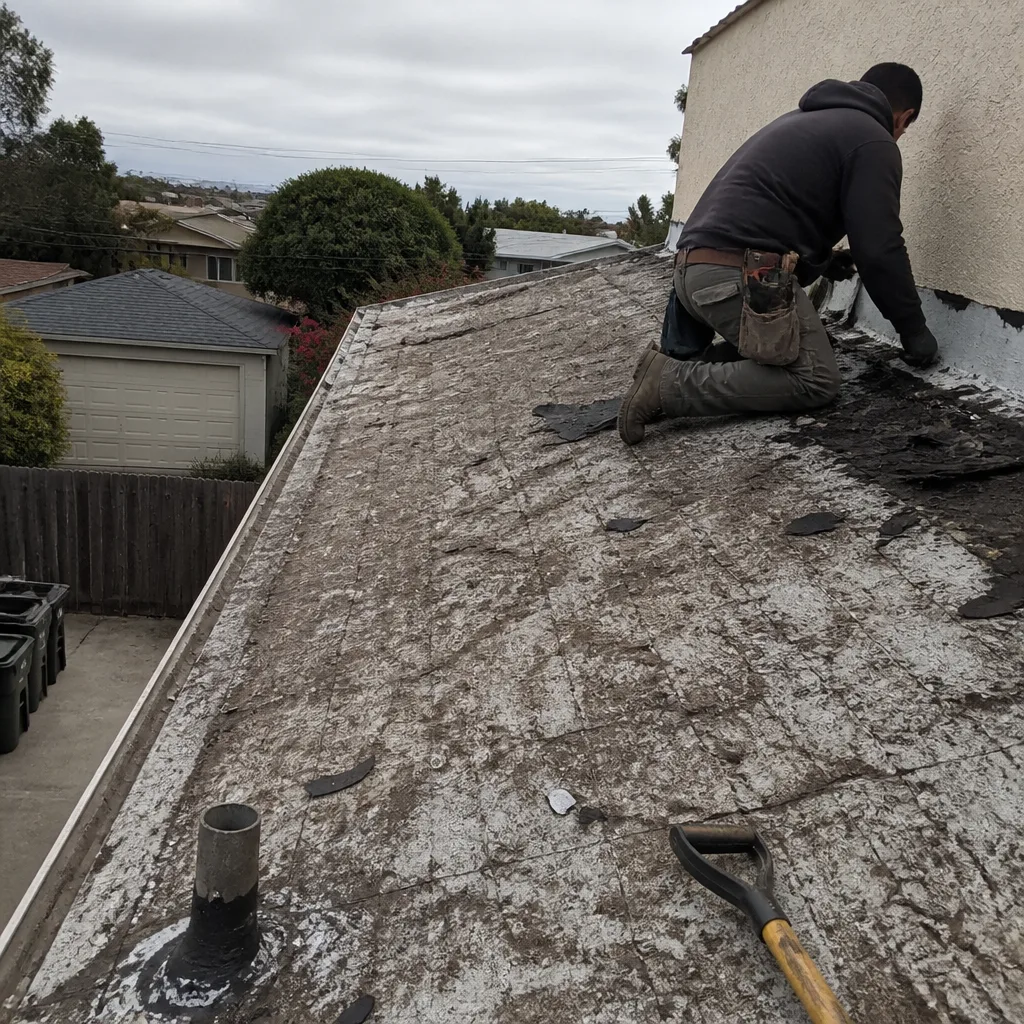 Before
 After
After Before
 After
AfterReplacement Cost & What’s Included
For an Atlas-compatible gutter replacement in San Francisco, plan on these installed price ranges:
- Sectional replacement (10 to 30 linear feet): $18 to $26 per linear foot, including hangers, sealant, and labor.
- Full gutter replacement on a typical 1,500-square-foot home: $22 to $34 per linear foot, including removal and disposal of the old run, new Atlas-compatible gutters, downspouts, and all hardware.
- Downspout replacement only: $8 to $14 per linear foot installed, with outlets and elbows included.
The spread comes down to roof height (a three-story Victorian near Alamo Square costs more to work on than a single-story Sunset rancher), gutter profile, and how much fascia repair the old install left behind. Every estimate we write in San Francisco includes the parts, labor, and disposal as separate line items, so you know exactly what you’re paying for. The price goes on paper before any work starts, and it does not move at the door. All gutter replacement work carries our 365-Day Done Right Promise: if it fails within one full year, we come back and fix it in writing, at no charge.
DIY or Call Us?
Gutter replacement sits in a gray zone. It’s not high-tension or electrical, but it is ladder work at roof height, and in San Francisco that often means working off uneven sidewalks, stair-step lots, and side yards you can barely get a ladder into. If your gutters are on a single-story home with a flat, stable ladder base, swapping out a hanger or re-attaching a downspout is doable with basic tools. What we tell homeowners to leave alone: anything above the first story, any work on a roof pitch steeper than 6/12, and any repair that involves moving a full section of gutter while on a ladder. A 20-foot length of aluminum catches wind like a sail, and the hospitals here see exactly that injury every fall.
If you’re going to check it yourself, inspect from the ground first with binoculars. Look for the hanger spacing (should be every 2 feet on Atlas Pro-Flo), the pitch direction, and any obvious gaps at seams. If what you find makes you uneasy, call us at (831) 318-8819 and we’ll give you an honest read, even if the answer is “you’ve got another season.”
FAQs
Atlas aluminum gutters typically last 20 to 30 years in San Francisco, but the hangers and seam sealant usually fail at the 10 to 15-year mark, especially within a mile of the ocean. The gutter itself rarely fails first; the hardware does. Call (831) 318-8819 for a free estimate if your gutters are hitting that age.
Yes, if the failure is isolated to hangers, a single seam, or a downspout connection, a repair makes sense. If you’re seeing rust at multiple seams, sag across multiple sections, or water damage behind the gutter, replacement is the less expensive long-term call. We’ll tell you which one you actually need when we look at it.
A full gutter replacement on a typical San Francisco home takes one day, including removal, disposal, and cleanup. Sectional repairs or downspout work usually take an hour or two. You’ll have a written price before we start, so there’s no surprise on timing or cost.
We stock Atlas-compatible 5-inch and 6-inch K-style hangers, end caps, downspout outlets, and elbows on every truck, along with matching components for GAF, Owens Corning, and CertainTeed profiles. Most repairs are completed the same day because the parts are already in the truck.
Written by Travis Oakley, Owner, Brennan Roofing Co at Brennan Roofing Co San Francisco, serving San Francisco and nearby areas.