
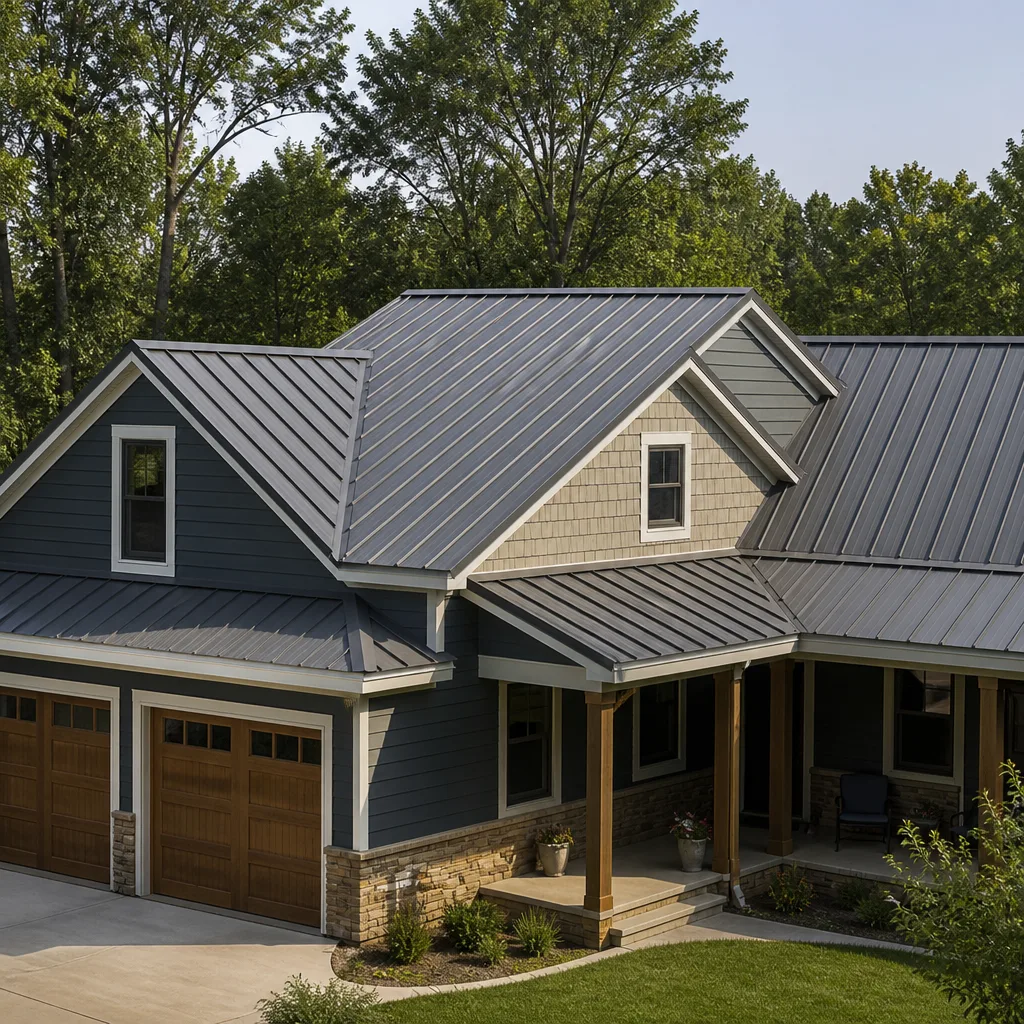
 Metal roofing
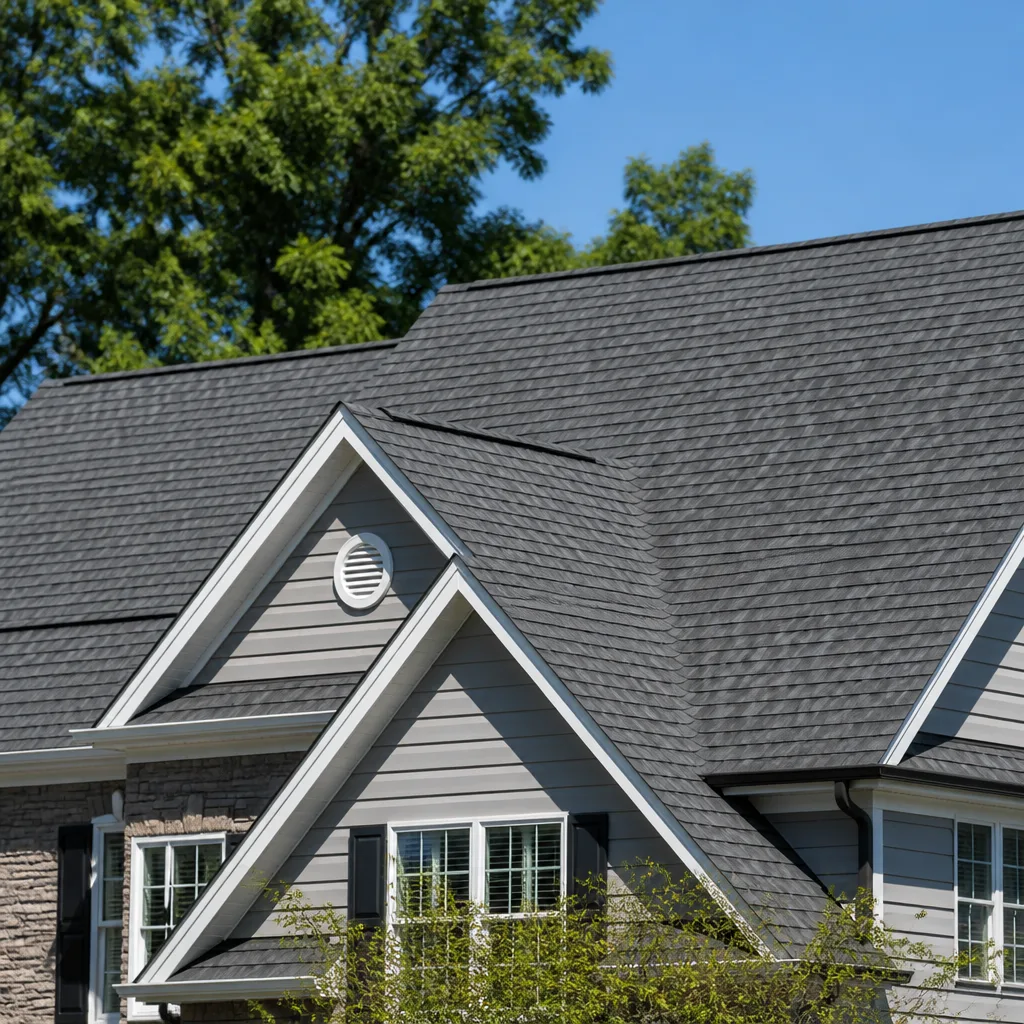 Architectural shingles
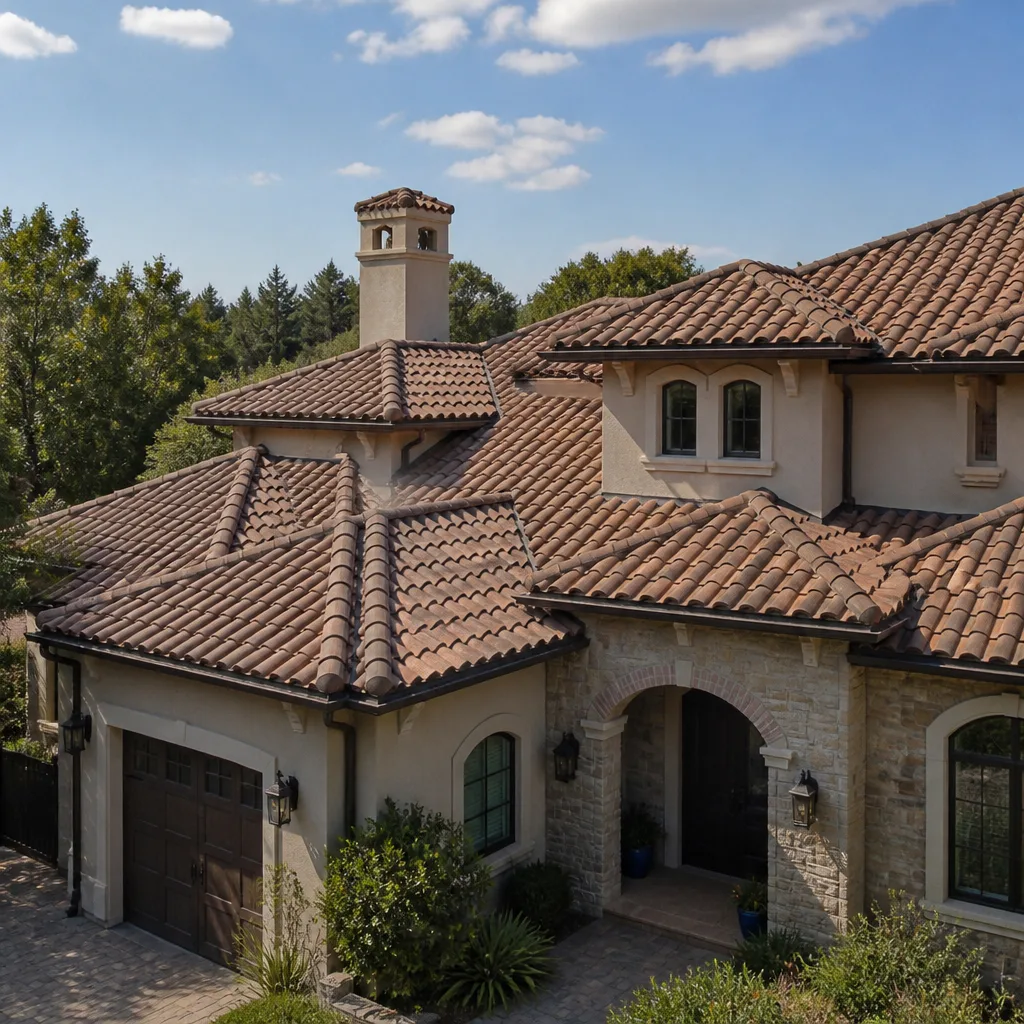 Tile roofing
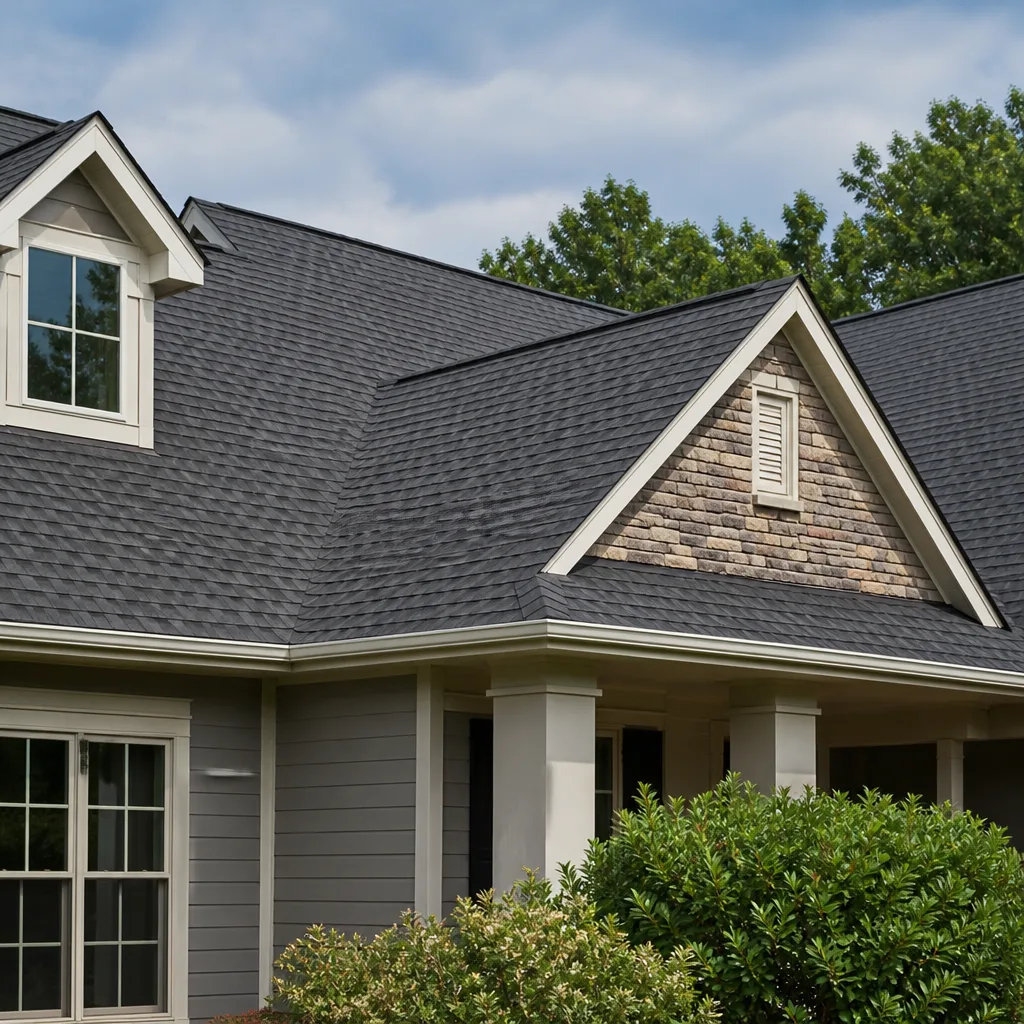 GAF
GAF Owens Corning
 Flat & low-slope
Free roof inspection with deck photos before we talk money - GAF and Owens Corning certified installation
Boral Flashing Replacement: The San Francisco Owner’s Guide
Boral flashing replacement in San Francisco typically runs $350 to $900 installed, depending on roof pitch, flashing length, and whether the surrounding tile needs to be lifted or replaced. We stock Boral-compatible flashing profiles on our trucks and can usually complete the swap the same day we diagnose it. Most San Francisco homeowners discover the problem after a winter storm, when a water stain appears on a ceiling or along a chimney chase. The flashing is the metal transition piece that seals the joints where your Boral roof meets a wall, chimney, skylight, or valley, and when it fails, water gets in fast, especially in the wet, wind-driven conditions our city sees from November through March.
Travis Oakley has been reading San Francisco roofs long enough to know that Boral systems fail at the flashing before they fail at the tile. The concrete or steel tile itself can last decades, but the metal around it takes the abuse. We’re an independent service provider, not affiliated with Boral, but we work with their profiles every week, and we bring the right replacement parts to the first visit.
Which Boral Models This Applies To
Boral’s flashing profiles are engineered to specific tile series, and this is where homeowners get burned by generic parts. Boral concrete tile installations, including the CedarLite, Villa, and Barcelona series, use a stepped or apron flashing profile that matches the tile’s roll and weather check. Boral steel lines, like SteelLine and Teton, use a different gauge and a wider flange because the tile sits flatter and channels water differently. If someone installs a generic Z-flashing against a Boral concrete tile, you’ll get gaps at the sidewall, and a San Francisco winter will find those gaps.
To confirm the right part, check the underside of a removed tile for the Boral mold stamp, which includes the series name and plant code. You can also measure the tile’s side profile: Boral concrete tiles have a pronounced barrel roll around 70 to 90 millimeters of rise, and the flashing’s step needs to clear that roll by at least 50 millimeters. For OEM parts, Boral flashing is available through their distribution network, but lead times run two to three weeks. On most San Francisco homes, we recommend a 26-gauge galvanized or Galvalume aftermarket profile, custom-bent to the Boral geometry on site. It matches the OEM fit, costs 30 to 40 percent less, and we can install it the day we see the problem.
One compatibility gotcha we run into constantly in the Sunset and Richmond Districts: Boral tile installed before 2004 often used a narrower sidewall flashing with a 100-millimeter base. Newer Boral installs require 125 millimeters of base coverage to meet current code. If your flashing is original to an older install, it was likely undersized from day one, and that’s why it’s leaking now.
Styles & brands we work with
Signs Your Boral Flashing Replacement Is Failing
- Water staining at ceiling corners or along exterior walls. This usually means the step flashing has pulled away from the sidewall, and wind-driven rain is wicking behind it. In San Francisco’s fog-and-rain climate, the stain may appear weeks after the actual leak.
- Lifted or separated flashing at the chimney base. Boral roof systems put a lot of thermal expansion pressure on chimney flashing. The metal flexes every hot day and cold night, and after 15 to 20 years the laps open up and let water behind the counterflashing.
- Rust blooms or pinholes visible at the flashing face. Original Boral flashing from the 1990s and early 2000s was often 28-gauge, which is thin by today’s standard. Coastal salt air in the Outer Sunset and Richmond accelerates the corrosion, and pinholes are the first visible tell.
- Granules or small tile fragments in the gutter below a valley. When flashing under a Boral valley shifts, the tiles above it start to chatter and grind against each other. The fragments in the gutter mean the flashing has already been failing for a while.
- Moss or algae growing along the flashing line. This points to a slow, persistent moisture path, not an active gush. In San Francisco’s fog belt, that moisture never fully dries, and the moss itself holds more water against the metal, which shortens the flashing’s life further.
See the difference
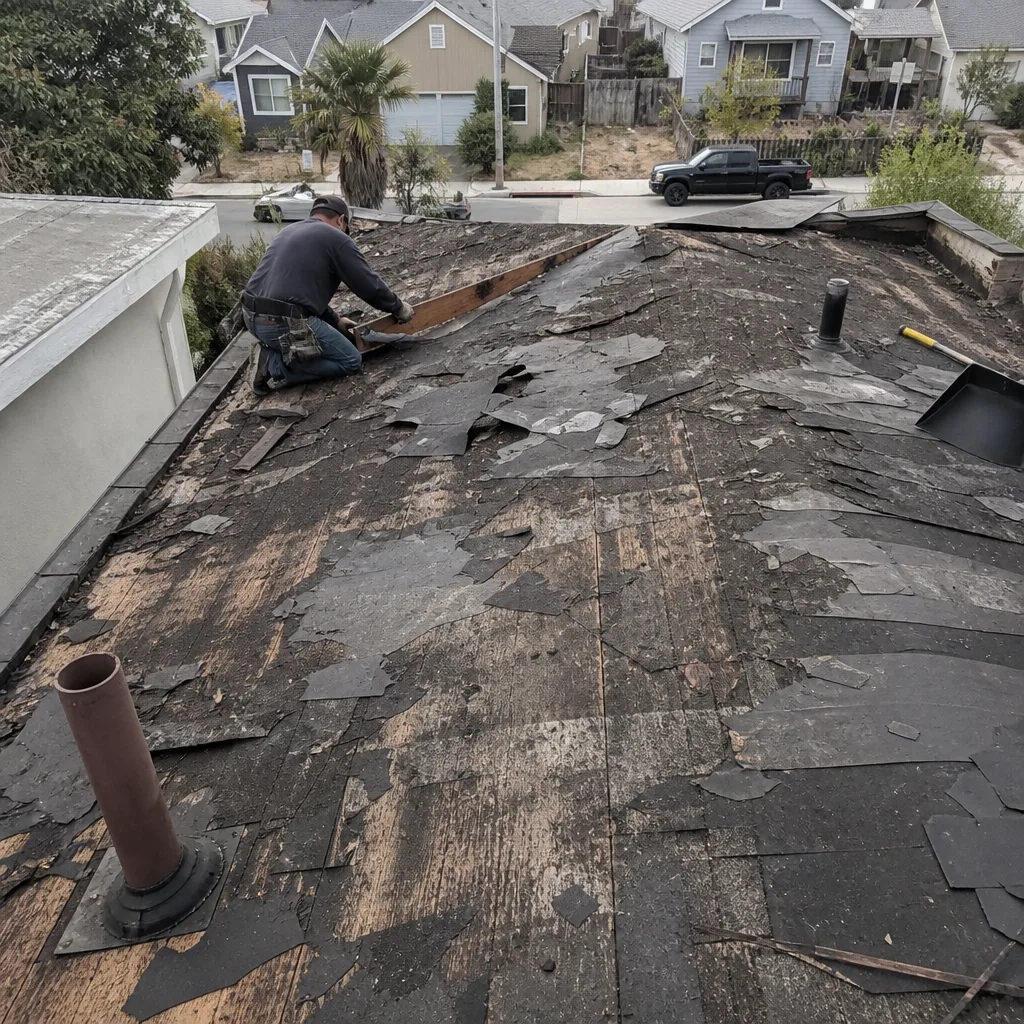 Before
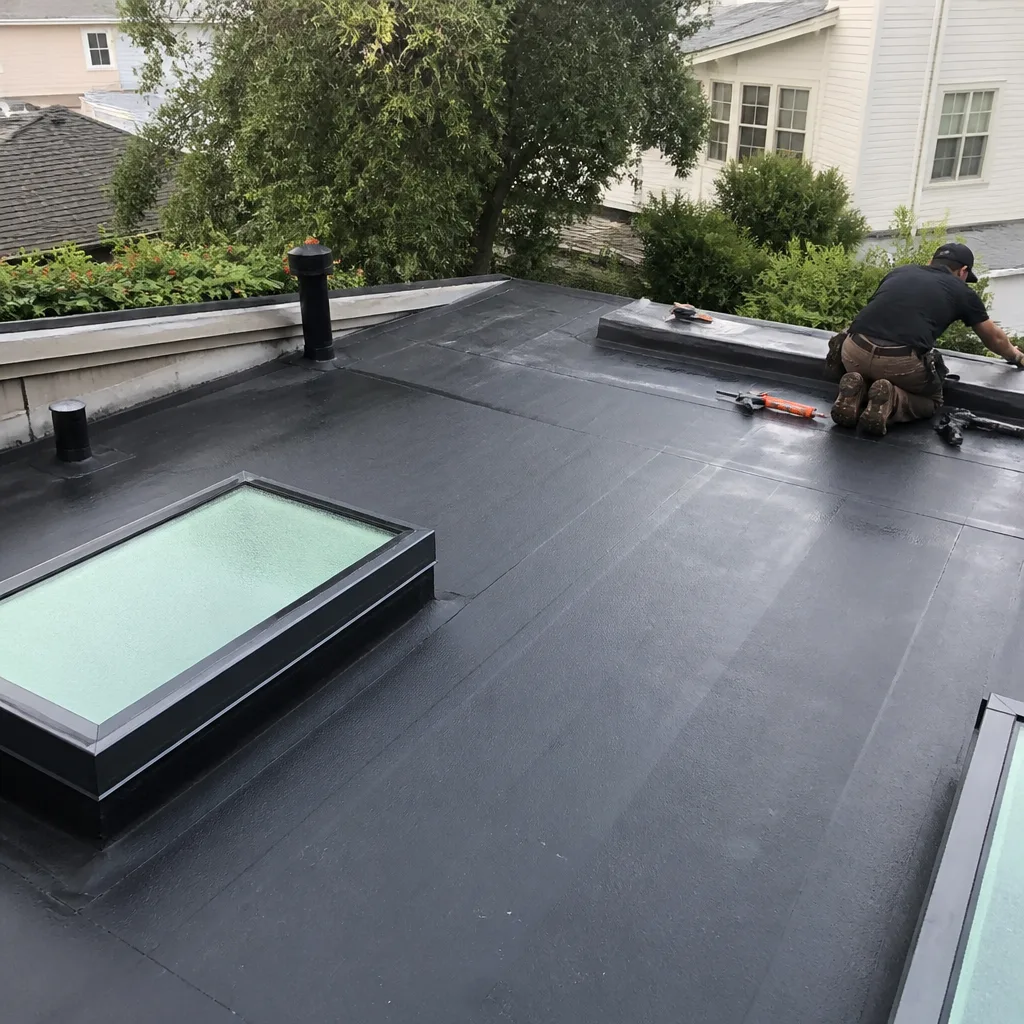 After
After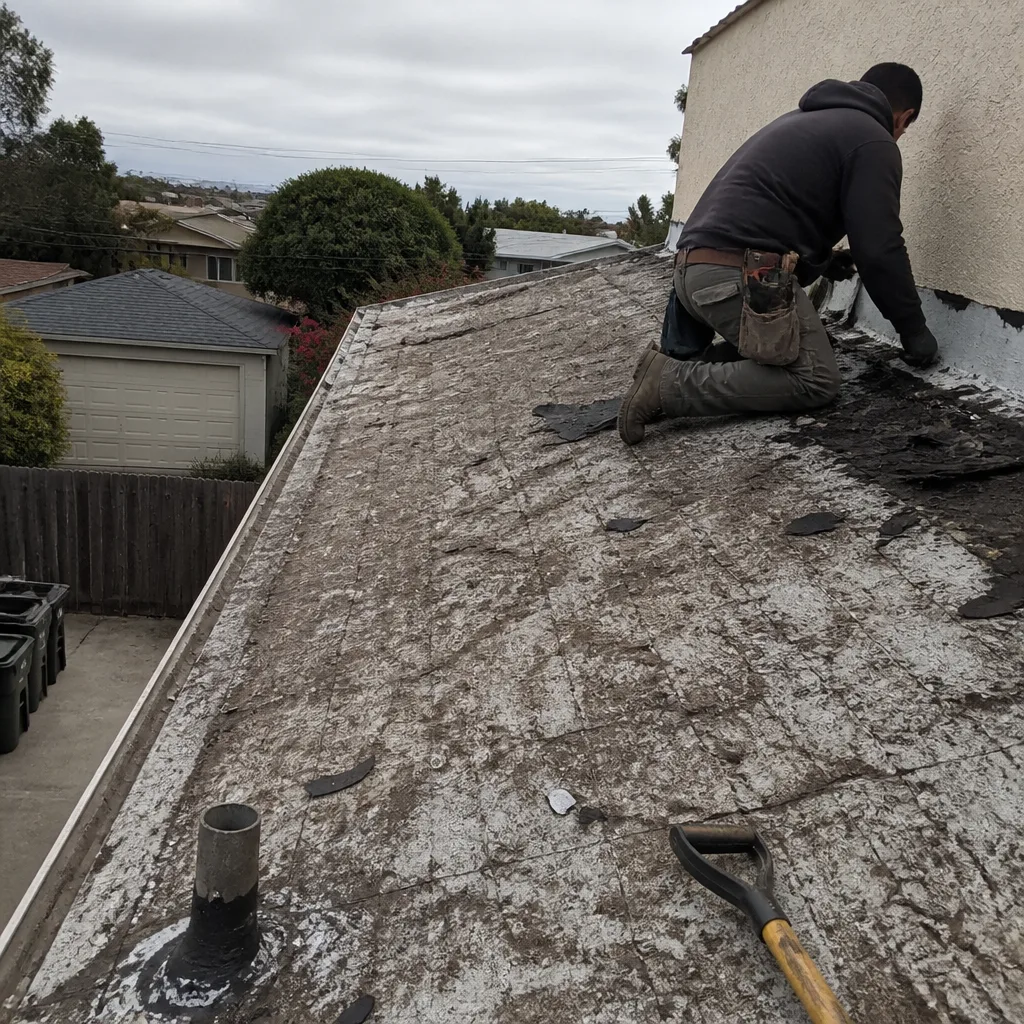 Before
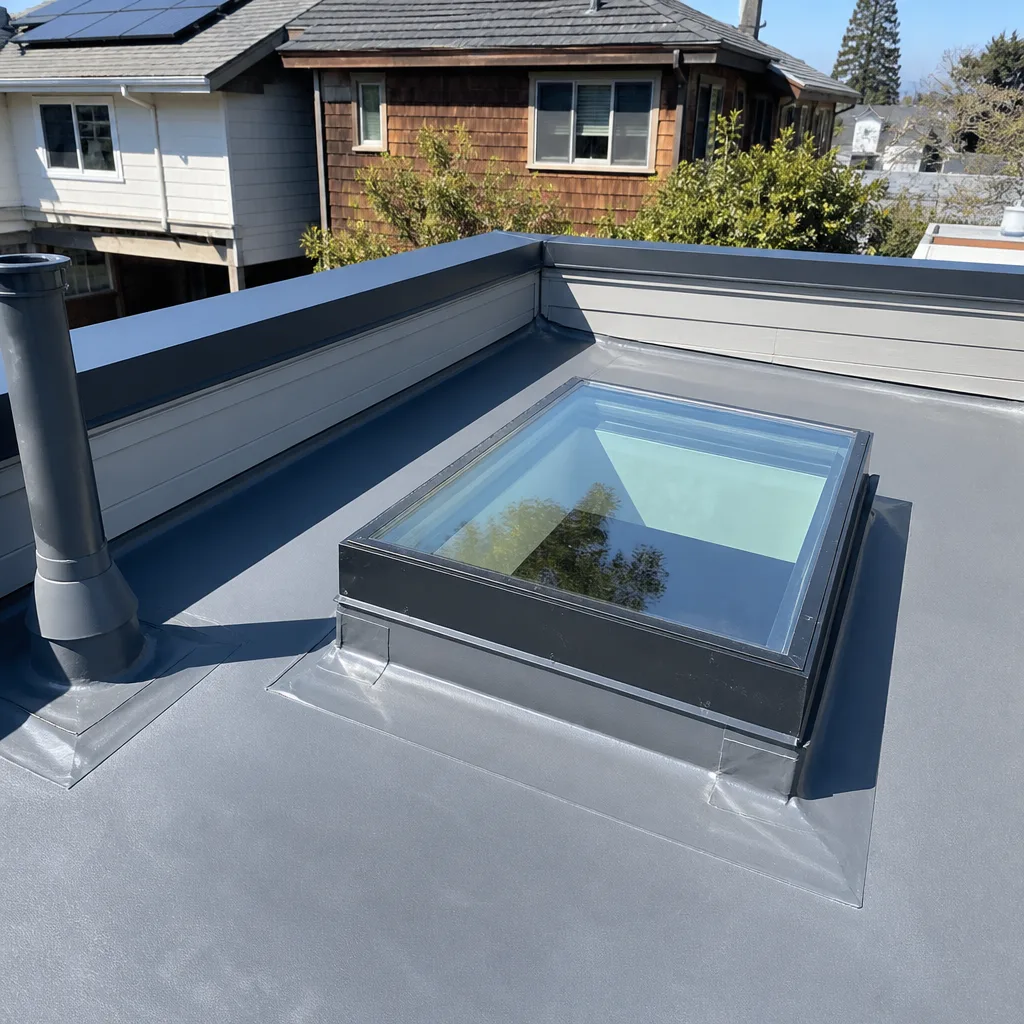 After
After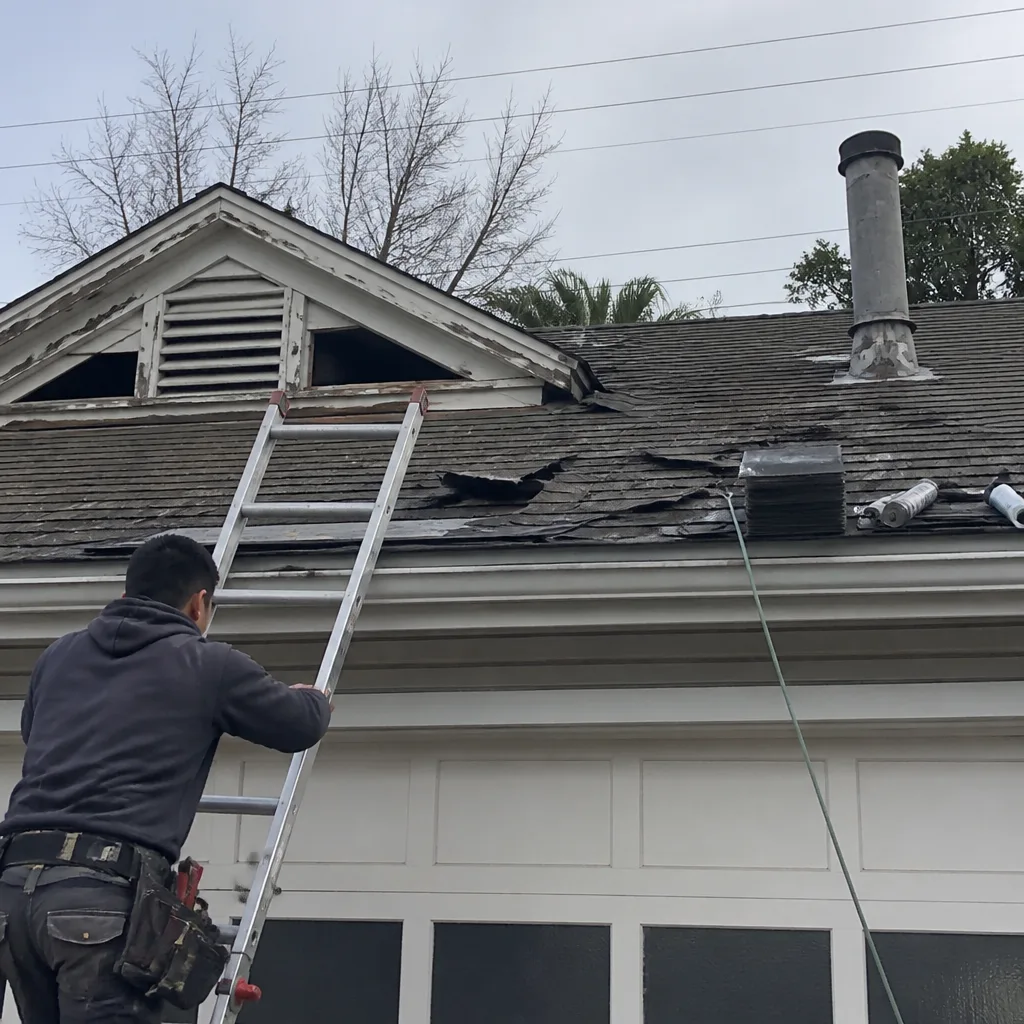 Before
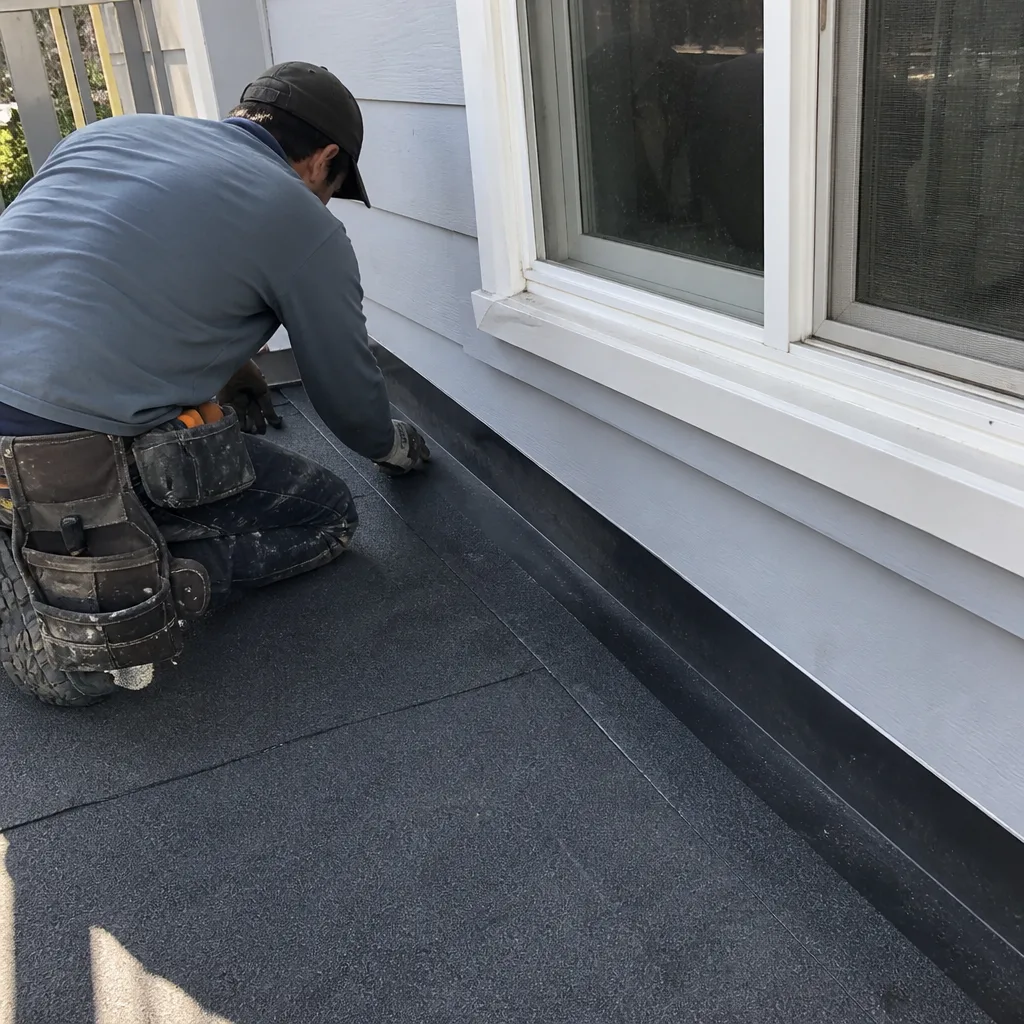 After
AfterReplacement Cost & What’s Included
Boral flashing replacement in San Francisco runs $350 to $900 installed for most single-sidewall or chimney penetrations. The lower end covers a straight run of step flashing up to 10 linear feet with tiles lifted and reset. The upper end covers chimney saddle and cricket flashing, valley replacement, or work on two-story elevations where ladder and staging setup gets longer. Here’s the breakdown:
- Flashing material: $60 to $180, depending on run length and whether we use stock profile or custom-bent 26-gauge Galvalume
- Labor and site setup: $250 to $550, including lifting and resetting Boral tiles, cutting and bending flashing to profile, and sealing laps with a urethane sealant rated for coastal exposure
- Disposal and cleanup: $40 to $100, old flashing and sealant hauled off, magnet sweep for stray fasteners
The price goes on paper before any work starts, and it does not move at the door. That’s the Garrison Standard, and it applies to every flashing replacement we do. The work itself is covered by our 365-Day Done Right Promise: in writing, for one full year. If the flashing fails within that period, we come back and fix it at no charge.
DIY or Call Us?
Most flashing work on a Boral roof is not a safe weekend project. Boral concrete tile is heavy, around 900 pounds per square. The tiles are also brittle once they’ve been on a roof for a decade, and a misplaced step can crack a tile that costs $8 to $25 to replace. The real danger is the roof itself: much of San Francisco’s housing stock sits on two- or three-story elevations, and a flashing job means working at the edge, on a slope, with both hands occupied. We have a saying on our crew: the tile protects the roof, but the flashing protects the house. If you can safely identify the failed flashing from the ground or from a window, you’ve done the useful part. From there, call (831) 318-8819 and let us handle the roof work. If you’re unsure whether it’s flashing, underlayment, or a cracked tile, we’ll tell you straight, because we’re the ones who have to answer for the repair if we guess wrong.
Before calling, an owner can safely do a simple visual check from the ground: look for any flashing face that’s pulled away from the wall by more than a quarter inch, and note whether any tiles above it look lifted or out of plane. That’s useful information for the first call.
FAQs
In San Francisco’s coastal climate, original Boral flashing lasts 15 to 25 years, less in the fog belt where salt air and persistent moisture accelerate corrosion. Galvalume flashing installed today typically holds 30 to 40 years. Call (831) 318-8819 for a free inspection if your flashing is past year 15.
Small pinholes can sometimes be patched with a urethane sealant as a temporary fix, but lap separations, rust-through, and shifted profile flashing need replacement. A patch on a moving metal joint rarely survives one San Francisco winter. Call (831) 318-8819 and we’ll tell you honestly whether a patch will hold or you need the full swap.
Most single-sidewall or chimney flashing replacements take 3 to 6 hours, including lifting and resetting the Boral tile. A full valley or chimney cricket replacement can run a full day. We set the schedule when we write the estimate, and the crew shows up inside the promised window.
We stock 26-gauge Galvalume flashing coil on the truck and custom-bend to Boral’s profile geometry on site. For OEM Boral branded flashing, lead times run two to three weeks, and we’ll only recommend that if your tile series requires a profile we can’t match with a custom bend. In 15 years of San Francisco Boral work, we’ve rarely needed the OEM part. Call (831) 318-8819 for an exact assessment, and the estimate is free.
If your Boral flashing is failing, the fix is straightforward, and the price should be too. Call (831) 318-8819 for a free estimate. We’ll put the number on paper before any work begins, and we’ll stand behind the repair in writing for a full year.
Written by Travis Oakley, Owner, Brennan Roofing Co at Brennan Roofing Co San Francisco, serving San Francisco and nearby areas.