
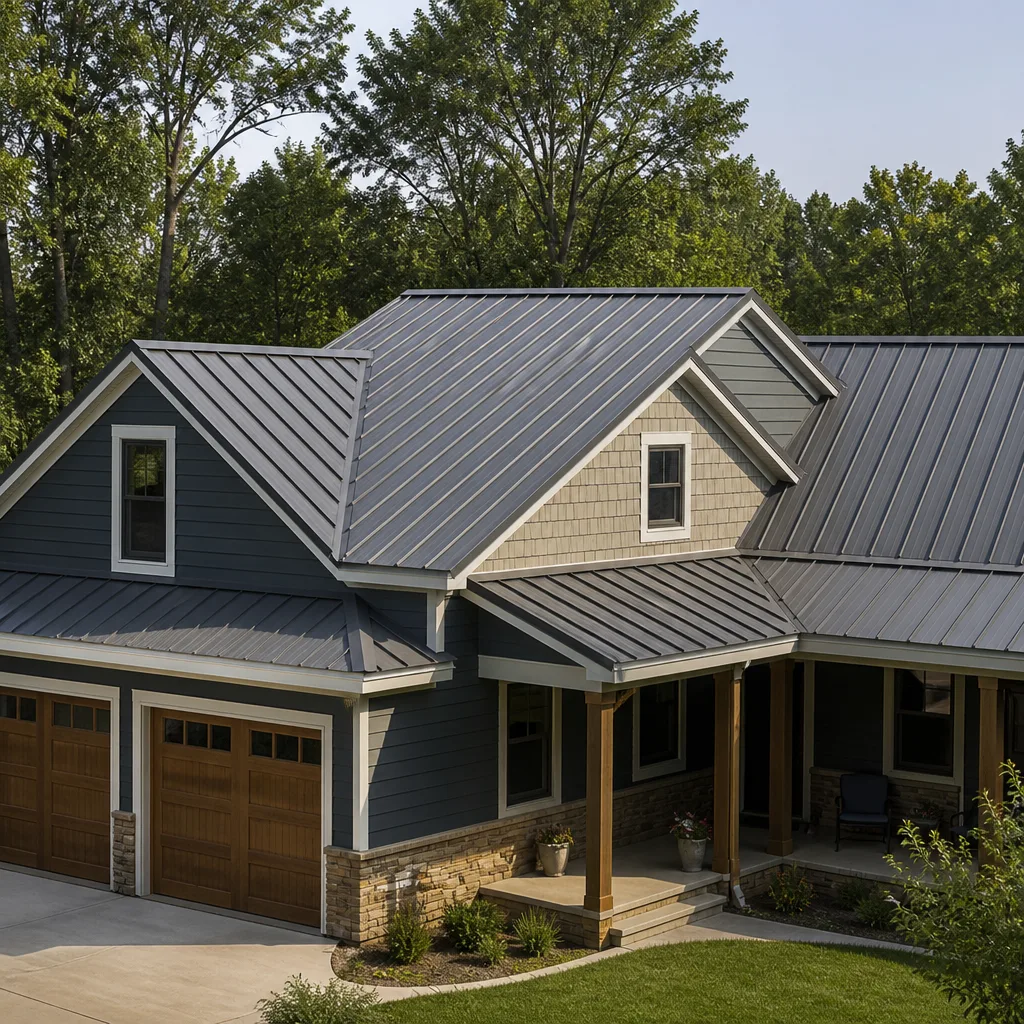
 Metal roofing
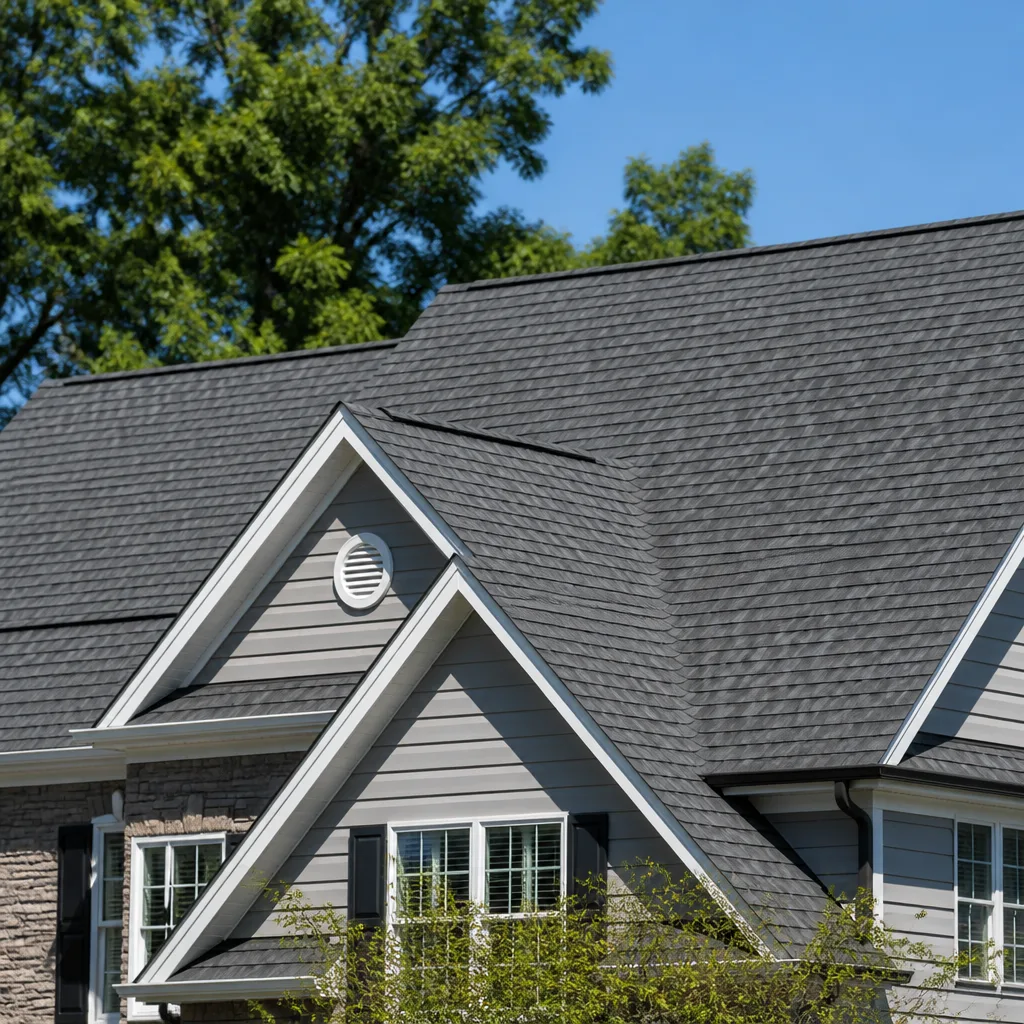 Architectural shingles
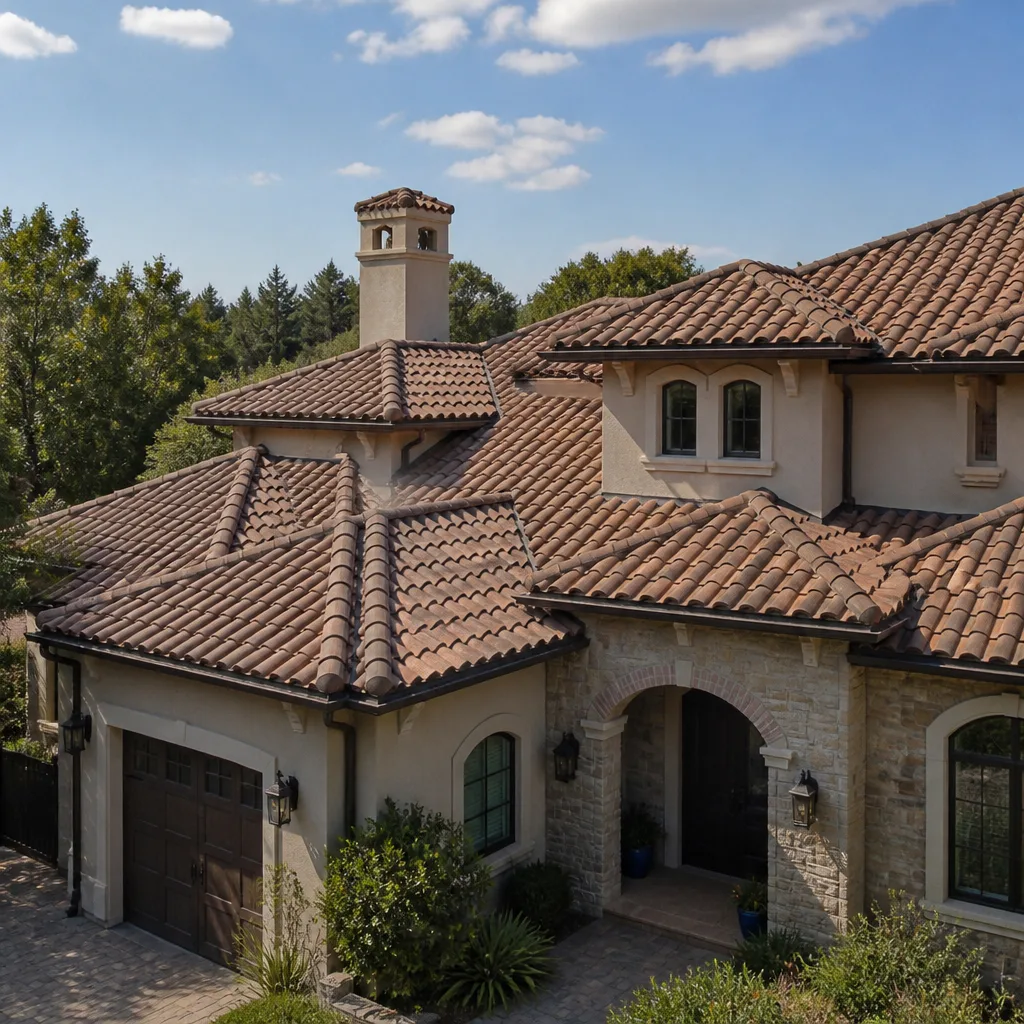 Tile roofing
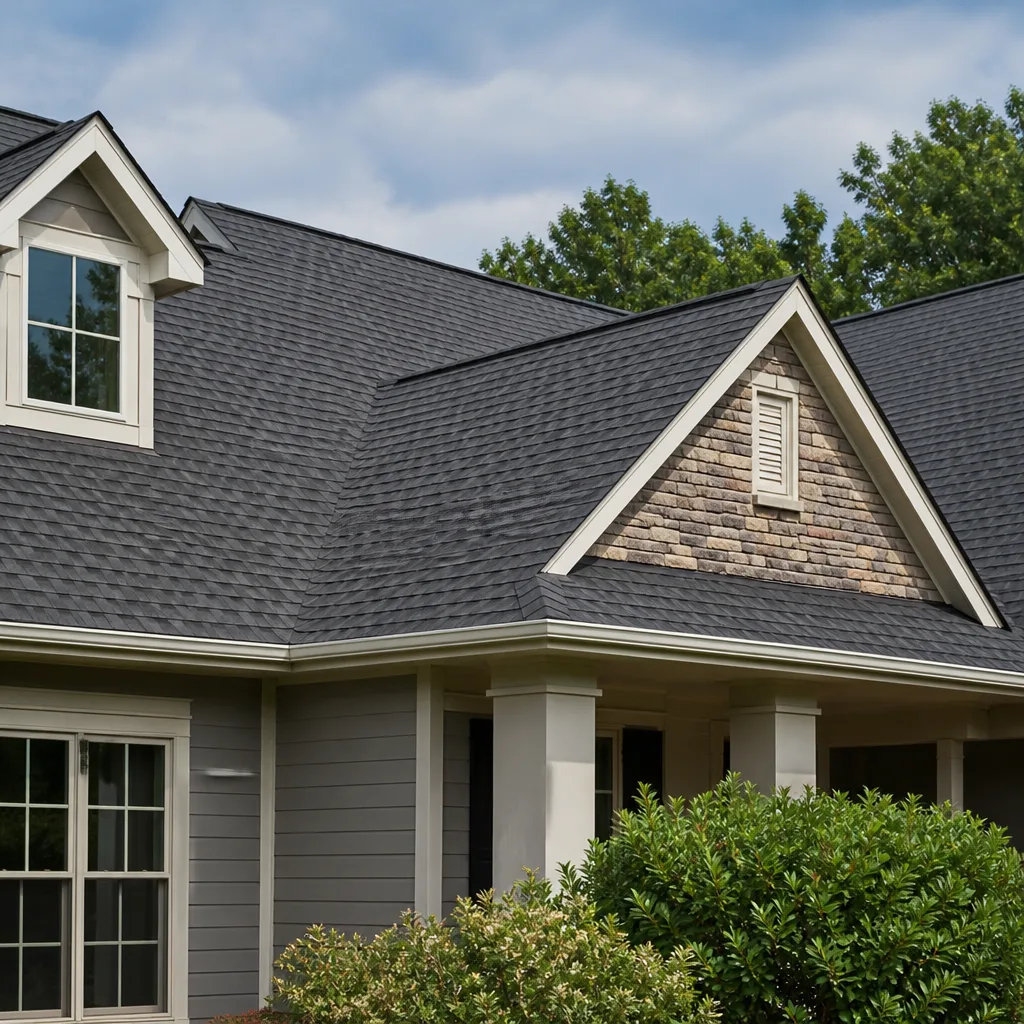 GAF
GAF Owens Corning
 Flat & low-slope
Free roof inspection with deck photos before we talk money - GAF and Owens Corning certified installation
Tamko Underlayment & Deck Repair: The San Francisco Owner’s Guide
We stock and install Tamko-compatible underlayment and deck repair materials throughout San Francisco, with most underlayment replacement jobs running $900 to $3,200 installed depending on roof size and deck condition. We carry the materials on our trucks, so most inspections and repairs happen the same week rather than waiting on a supplier. The typical call starts the same way: a homeowner notices staining on the ceiling near a skylight or along an exterior wall, pulls back a corner of roofing, and finds the decking has gone soft under the old felt or synthetic layer.
Underlayment is the waterproof sheet that sits between your roof deck and the shingles or membrane above it. When it fails, water reaches the plywood deck, and that deck starts to rot. In San Francisco, where fog sits on roofs for hours every morning and the marine air keeps surfaces damp long after the rain stops, underlayment failure shows up faster than it does in drier climates. The part itself is not glamorous. But it’s the difference between a roof that sheds water and one that quietly carries it into your ceiling.
Which Tamko Models This Applies To
Tamko builds their underlayment lines around three main product families: the TW series of synthetic underlayments, their traditional asphalt-saturated felt, and self-adhered ice and water shield products used at eaves and valleys. The TW series is the one we see most on San Francisco homes: TW-40 and TW-60 are the common spec numbers, with the number referring to the product’s weight in pounds per square, not its thickness. That distinction matters when someone is comparing bids, because a roofer quoting “synthetic underlayment” without naming the product might be installing a lighter sheet that tears more easily during installation.
If you’re trying to match what’s already on your roof, look at the exposed felt or synthetic at a rake edge or around a plumbing boot. Tamko prints their name and product code along the edge of the sheet every few feet. If the printing has faded or the old layer is too far gone to identify, we measure the remaining sheet and check its weight per square. That tells us whether the home was built with a Tamko product that we can match directly, or whether we should recommend a step up given how the old one performed.
One compatibility gotcha worth knowing: Tamko’s self-adhered ice and water shield is not a substitute for their synthetic underlayment across the entire roof deck. It goes at the eaves, valleys, and around penetrations. We have seen roofs in the Sunset District where a previous contractor ran peel-and-stick over the entire deck because they had leftovers on the truck. It traps moisture differently than a breathable synthetic, and in San Francisco’s damp air that can cause problems. Brennan Roofing Co San Francisco is an independent service provider, not affiliated with Tamko, but we install their products alongside GAF, Owens Corning, and CertainTeed lines, so we can tell you honestly where each one fits.
Styles & brands we work with
Signs Your Tamko Underlayment & Deck Repair Is Failing
- Water staining on ceilings or walls after rain. By the time water reaches drywall, the underlayment has already been letting moisture through for a while. The deck above is almost always involved.
- Spongy spots when walking the roof. Soft decking means the plywood or OSB has absorbed enough water to lose its structural integrity. We find this often on north-facing San Francisco roof slopes that never fully dry out between fog cycles.
- Shingle or tile edges lifting along the bottom course. When underlayment breaks down, fasteners lose their grip and the bottom courses start to flutter. It looks minor from the ground. It is usually a sign the deck is wet underneath.
- Grit or asphalt residue in gutters. Older Tamko felt degrades from the underside as well as the top, and the loose material washes down into your gutter system. If your gutters look like a sandbox after a storm, the underlayment is shedding.
- Musty smell in the attic or top floor after foggy mornings. San Francisco’s marine layer pushes moisture into any gap in the roof assembly. A persistent attic smell that worsens on fog days points to a deck that never gets the chance to dry.
See the difference
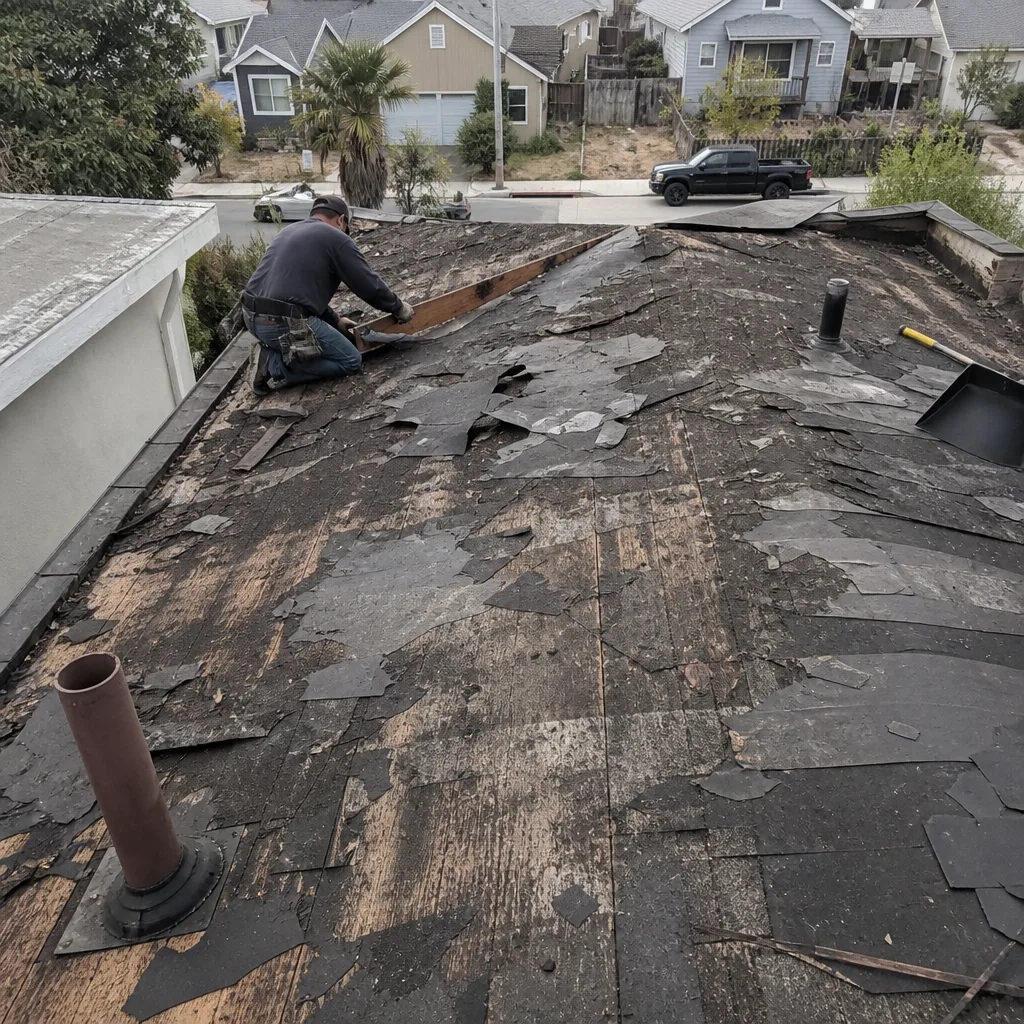 Before
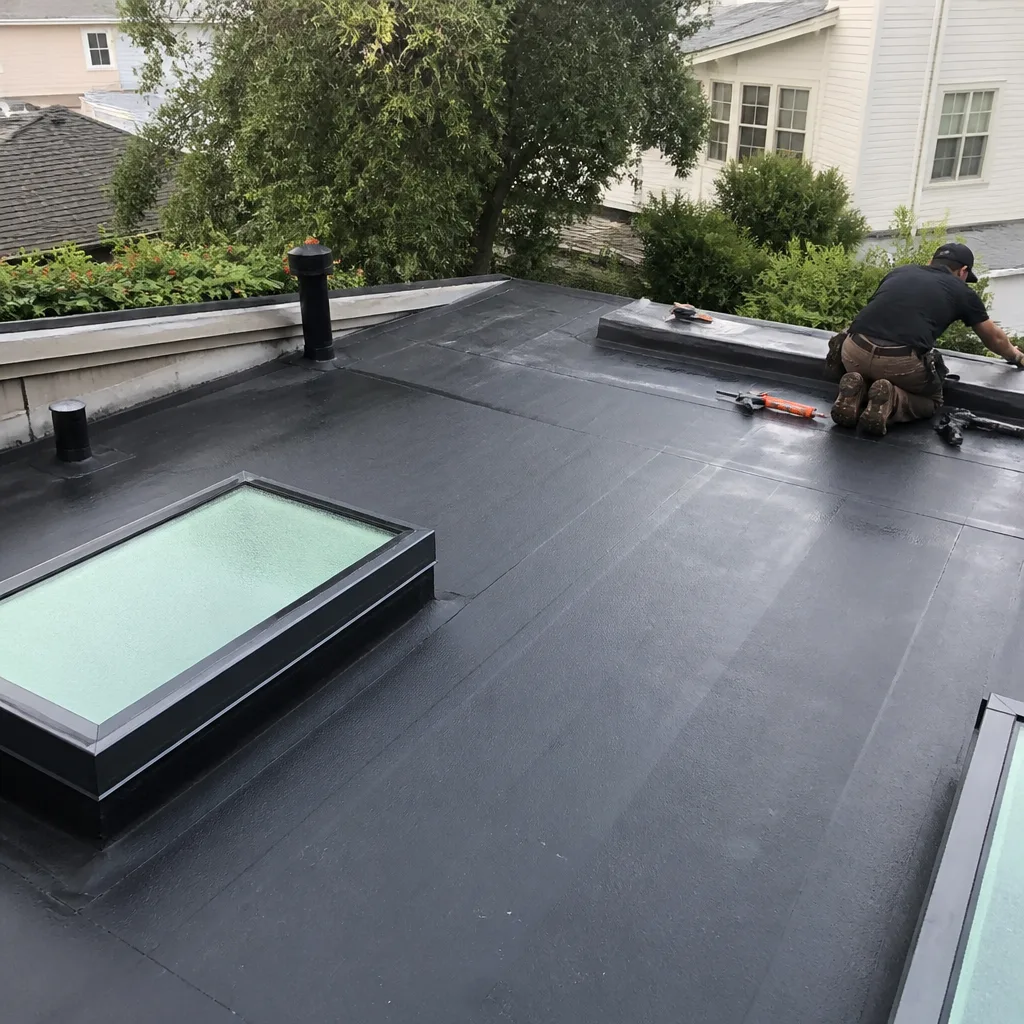 After
After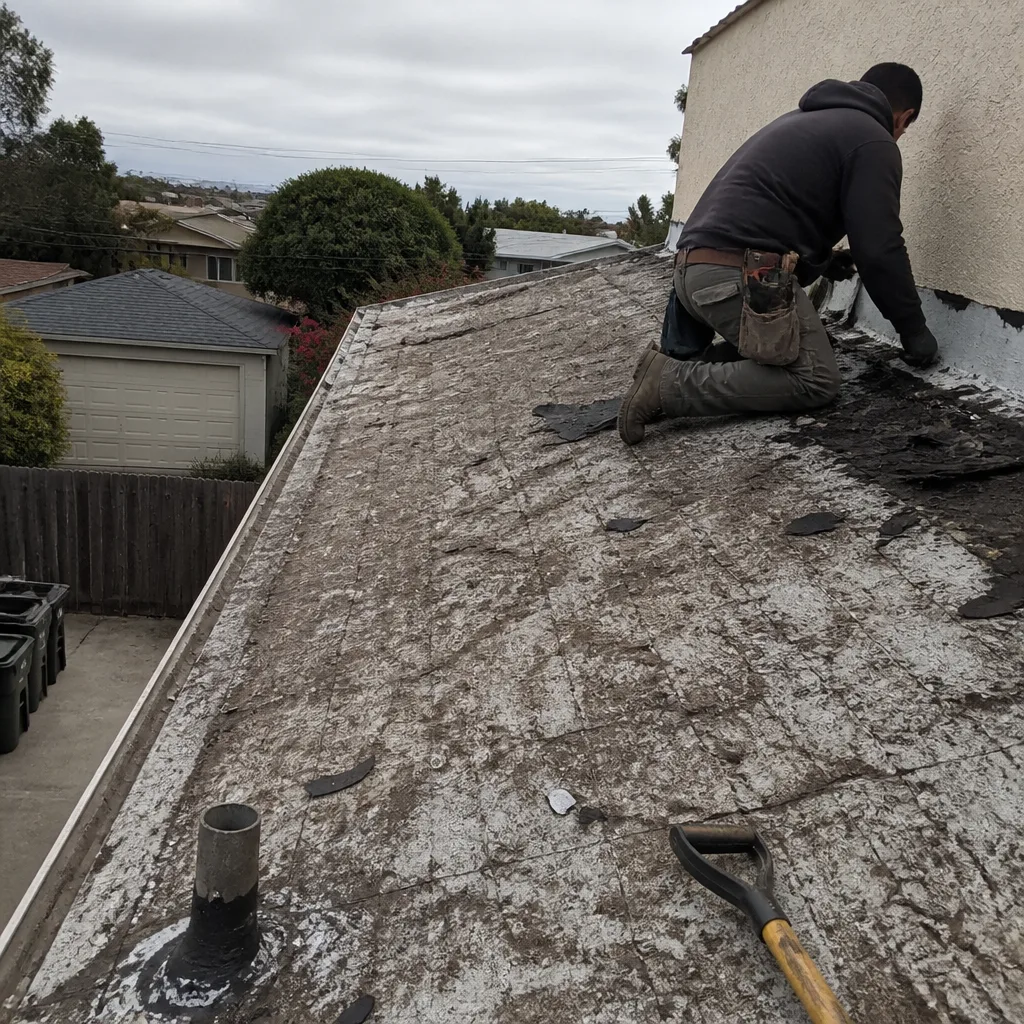 Before
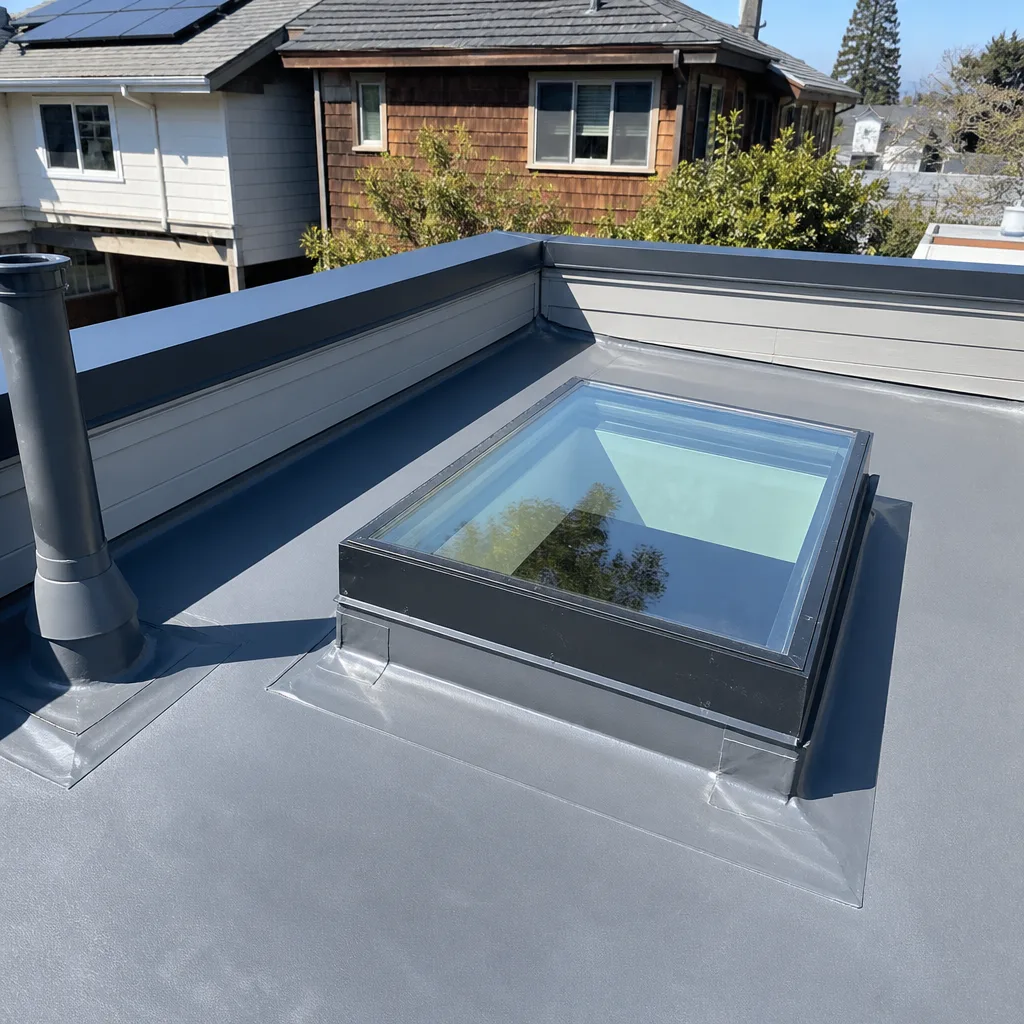 After
After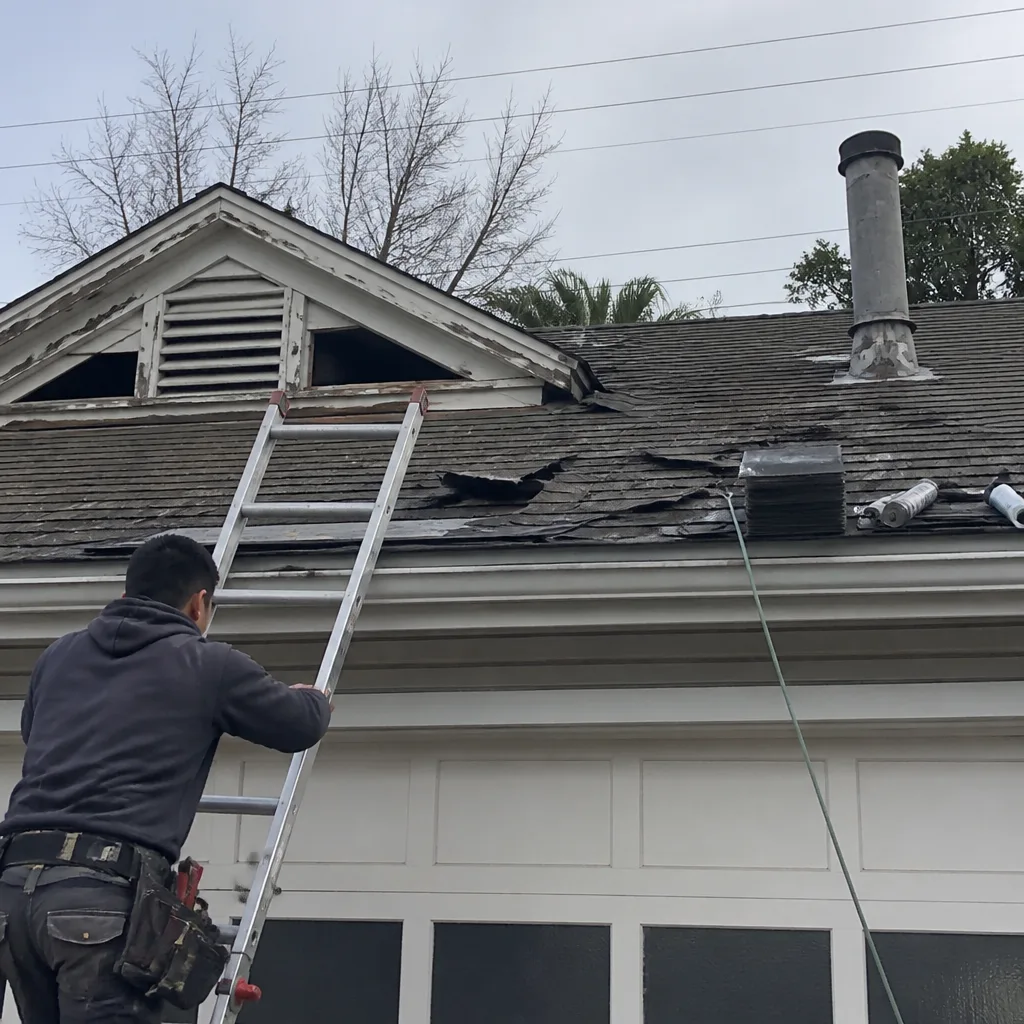 Before
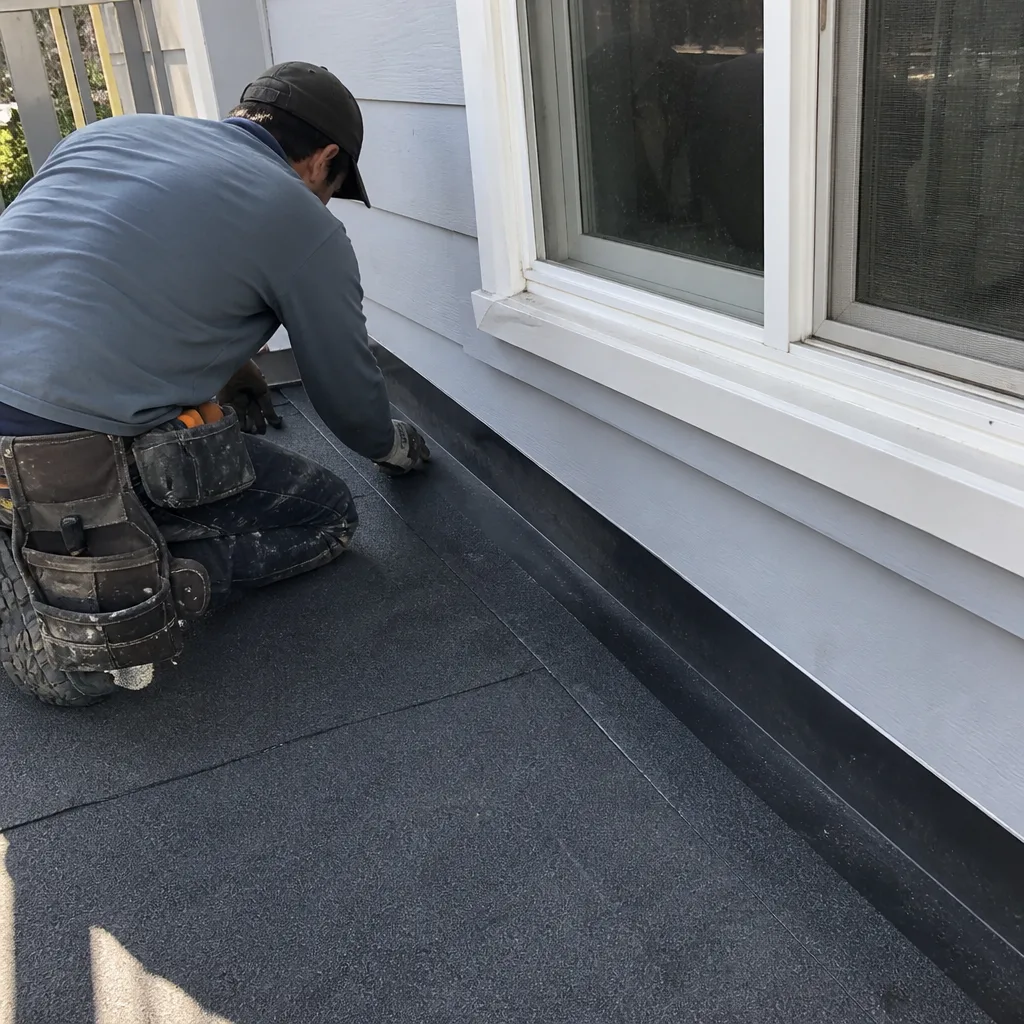 After
AfterReplacement Cost & What’s Included
Underlayment and deck repair pricing in San Francisco depends on how much decking needs to be replaced, the roof’s pitch and accessibility, and which Tamko product goes back down. For a typical single-family home with moderate deck repairs needed, expect to pay between $900 and $3,200 installed. A smaller garage or low-slope section runs toward the bottom of that range. A full redeck plus new underlayment on a two-story home with steep access runs higher.
What drives the number most is deck plywood. Once we expose the deck during the repair, we quote any replacement boards on the spot and in writing before we start cutting. You see the price on paper before any work begins. We don’t change it at the door and we don’t discover mystery charges halfway through. The job includes removing the damaged material, replacing rotted deck sections, installing the new Tamko underlayment, and re-securing the roof covering so everything sheds water correctly.
Every repair carries our 365-Day Done Right Promise in writing. If the underlayment or deck repair fails within one year, we come back at no charge. We put that on paper before we start, because a guarantee that only exists in a sales pitch isn’t worth much.
DIY or Call Us?
Here’s the honest split. You can safely check your attic for staining, look at exposed edges from a ladder, and clear debris from gutters to slow down water damage until we get there. What you should not do is peel back shingles, cut out underlayment, or walk a roof with soft decking. A failed deck in San Francisco often means wet plywood over a 20 or 30 foot drop on some of these hillside homes. It is not worth the hospital bill to save a repair invoice.
What we often find is that a homeowner opens up a small section thinking it’s a quick patch, then discovers the rot runs three sheets deep toward the ridge. At that point, the small repair has become a structural job and they’ve exposed more roof than they can safely close. If you suspect underlayment or deck failure, call us at (831) 318-8819. We’ll inspect it, tell you honestly what needs doing now and what can wait, and put the price in writing before any work starts.
FAQs
Tamko’s synthetic TW-series underlayments are built to last 25 to 40 years when covered by the roof system above them, which means they typically outlast the shingles or membrane they’re installed under. In practice, what we see in San Francisco is that underlayment rarely gets the chance to test that full lifespan because a roof covering reaches the end of its service life first, and the underlayment is replaced as part of the tear-off. Traditional felt breaks down sooner, especially in the city’s persistent fog and damp air. If you want an exact read on what’s on your roof and how much life is left, give us a call at (831) 318-8819 for a free estimate.
Yes, if the damage is localized, we can remove the roof covering in that section, cut out the failed underlayment and rotted decking, install new Tamko underlayment, and re-secure the covering. The catch is that we won’t know how far the rot runs until we open it up, and that’s why we show you the deck as we expose it and price any additional replacement in writing on the spot. Call (831) 318-8819 and we’ll give you a straight answer on scope and cost.
Most underlayment and deck repairs on a standard San Francisco home take one to two days, depending on how much decking needs replacing and how much of the roof covering has to come up and go back down. We show up with the materials on the truck and a team that knows the job before they arrive, so you’re not waiting on deliveries mid-repair. We’ll give you a clear time window before we start.
We keep Tamko TW-series synthetic underlayment and self-adhered ice and water shield in stock on our trucks, along with deck plywood in the common sizes used on San Francisco homes. This means we can inspect and repair in the same visit in most cases, which matters when your roof is open and the fog is rolling in. We also stock materials from GAF, Owens Corning, and CertainTeed, so if a different product fits your roof better, we’ll tell you that plainly before we use it.
Written by Travis Oakley, Owner, Brennan Roofing Co at Brennan Roofing Co San Francisco, serving San Francisco and nearby areas.