
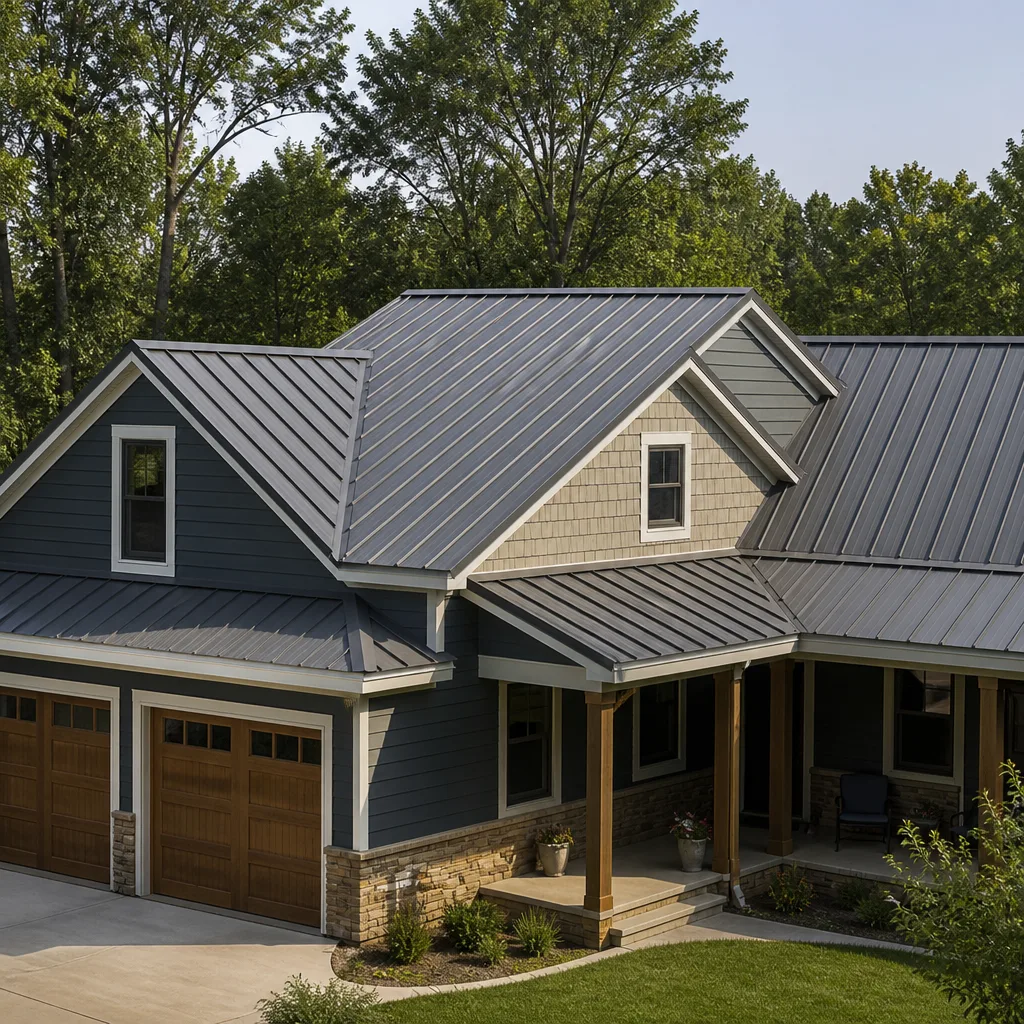
 Metal roofing
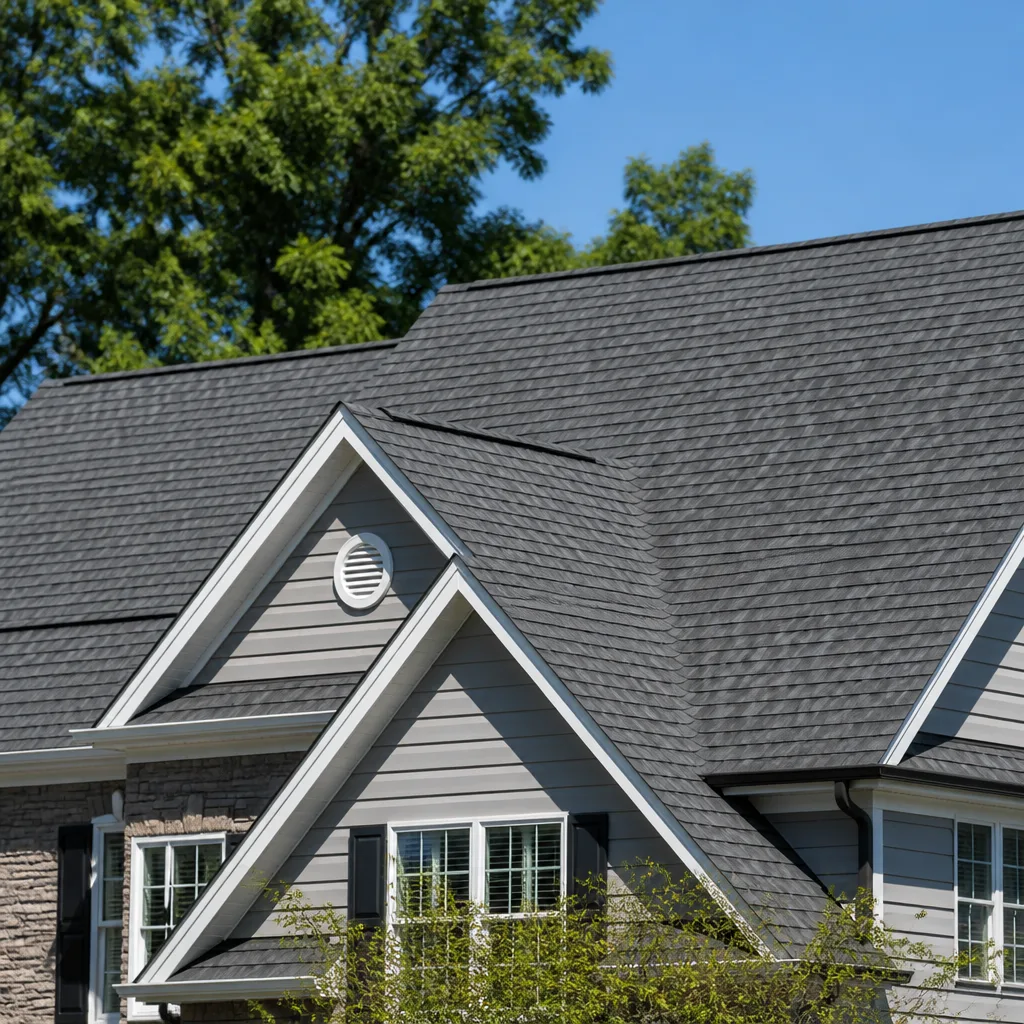 Architectural shingles
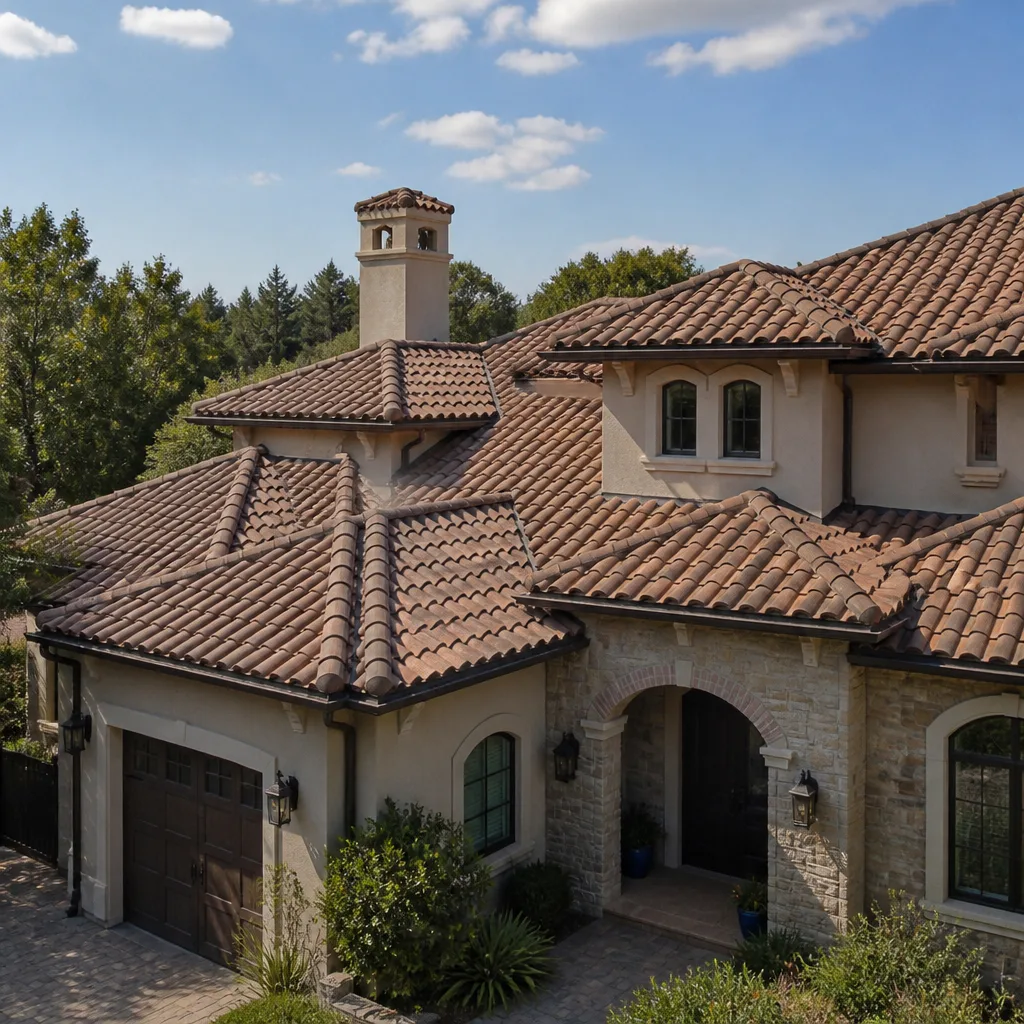 Tile roofing
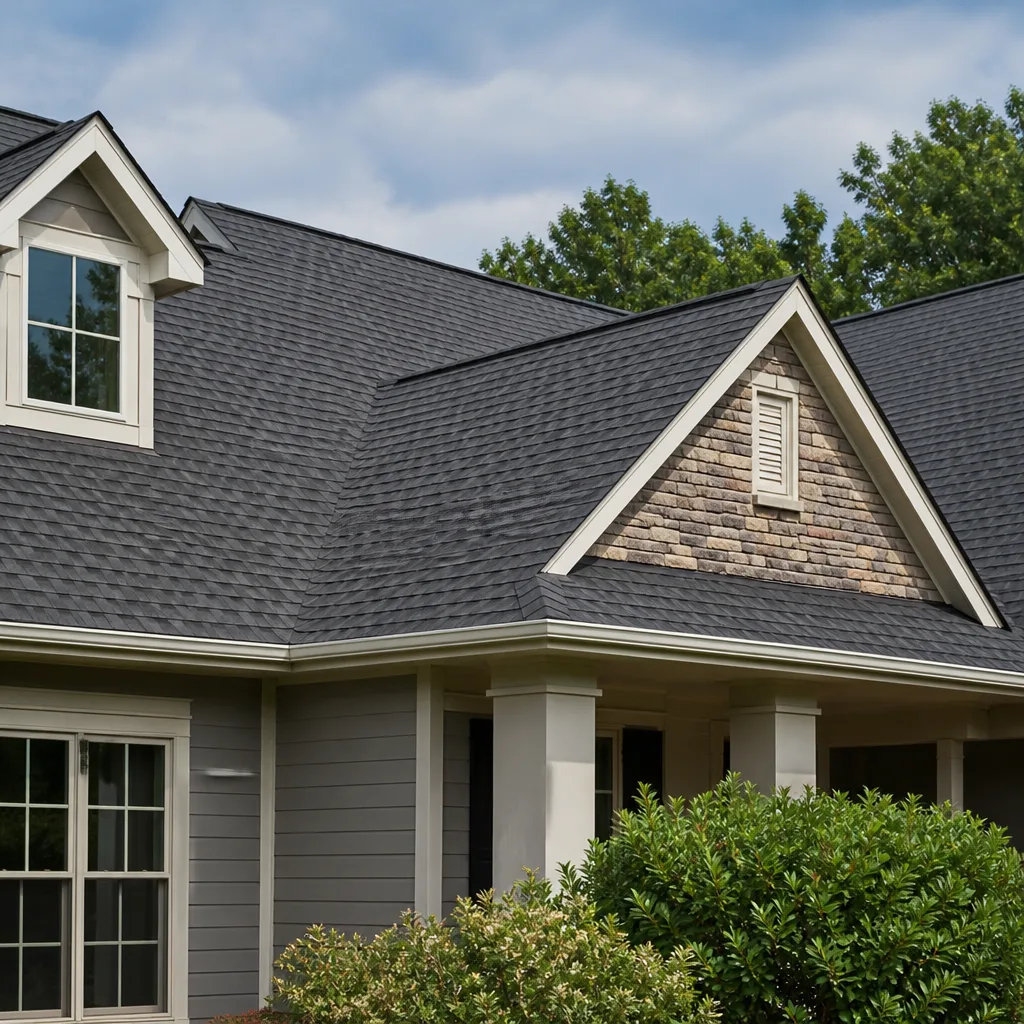 GAF
GAF Owens Corning
 Flat & low-slope
Free roof inspection with deck photos before we talk money - GAF and Owens Corning certified installation
Atlas Ridge Vent Installation: The San Francisco Owner’s Guide
We stock and install Atlas ridge vent systems throughout San Francisco, with most full ridge vent installations running between $850 and $1,600 depending on roof length and existing decking condition. The vent itself is a fraction of that: Atlas ridge vent material typically runs $4 to $7 per linear foot, and labor makes up the rest. Homeowners usually find us after noticing granule-heavy runoff in their gutters, a sudden spike in upstairs temperatures come August, or water staining along the ceiling’s peak after a winter storm. The vent didn’t “break” in the traditional sense. It degraded, shifted, or was never cut correctly in the first place.
If your Atlas ridge vent has failed, you’re dealing with a roof that can’t exhale. That’s not cosmetic. A choked ridge vent in a city where fog sits on rooftops for hours every morning means moisture gets trapped in the attic cavity, and trapped moisture in San Francisco means rot, mold, and premature shingle failure. The fix is straightforward, but it needs to be done right the first time. That’s what this page is for.
Which Atlas Models This Applies To
Atlas manufactures three ridge vent lines that we see on San Francisco homes: the Atlas WeatherMaster Ridge Vent, the Pinpoint Ridge Vent, and the older CopperTop Ridge Vent that Atlas phased out in the early 2010s but still sits on plenty of roofs in the Outer Sunset and Portola. The WeatherMaster is the current workhorse: a polyethylene-profile vent with a 12¾-inch width and a 6-foot panel length, designed for a 2½-inch slot cut along the ridge. The Pinpoint runs narrower at 11½ inches and uses a different nail pattern. They are not interchangeable.
Here’s the compatibility gotcha we run into constantly: if you have a CopperTop vent that’s failing, you cannot buy a replacement CopperTop panel and call it done. Atlas discontinued that line, and the remaining warehouse stock is unpredictable. What we do instead is remove the old CopperTop and install the WeatherMaster system with the matching Atlas shingle-over profile. The look changes slightly, but the vent section is in full contact with the roof plane so it reads as part of the shingle line, not a patch. If your roof has the Atlas StormMaster Slate or Pinnacle Pristine shingles in the heavier architectural profiles, we carry the ridge vent profile Atlas recommends specifically for those lines, because standard vents don’t seat cleanly on the thicker shingle edges.
Styles & brands we work with
Signs Your Atlas Ridge Vent Installation Is Failing
- Dark granule trails running down the shingles directly below the ridge. This is the vent’s profile mat breaking down under UV exposure. The asphalt-impregnated fabric that gives the vent its shape starts to shed into the roof plane, and those granules end up in your gutters. In San Francisco, you’ll see this earlier on south-facing ridge lines in neighborhoods like Noe Valley and Bernal Heights, where direct sun beats on the peak for the longest stretch of the day.
- Attic temperatures that spike in the afternoon even when the outside air is mild. A properly functioning ridge vent pulls hot air out continuously as it rises along the underside of the roof deck. When the vent channel is crushed, blocked, or was under-cut at installation, the attic becomes a heat soak. You’ll feel it upstairs first: rooms directly under the ridge run 10 to 15 degrees hotter than the floor below.
- Water staining or streaking along the peak, usually on the interior side of the ridge board. This happens when the vent’s nails pull loose over time and storm-driven rain gets under the raised lip. On flat-ish roof sections near the ridge, which are common on San Francisco row houses, pooled water finds the nail hole and wicks inside.
- Visible cracking or brittleness in the vent’s outer shell when inspected from the roofline. Atlas vents carry a UV-stabilized outer layer, but nothing lasts forever in a coastal climate. After about 12 to 15 years of fog, salt air, and sun cycling in San Francisco, we see the plastic profile become chalky and develop hairline fractures along the nail slots. Once the shell cracks, water intrusion is a matter of time.
- Shingle tabs lifting near the ridge line. When the vent’s side edges lose their adhesion or the profile warps, the shingles that cap over it start to fishmouth. You’ll see this from the ground if the light’s right: the shingle line near the peak looks like it’s smiling at you in places where the vent has pushed up underneath.
See the difference
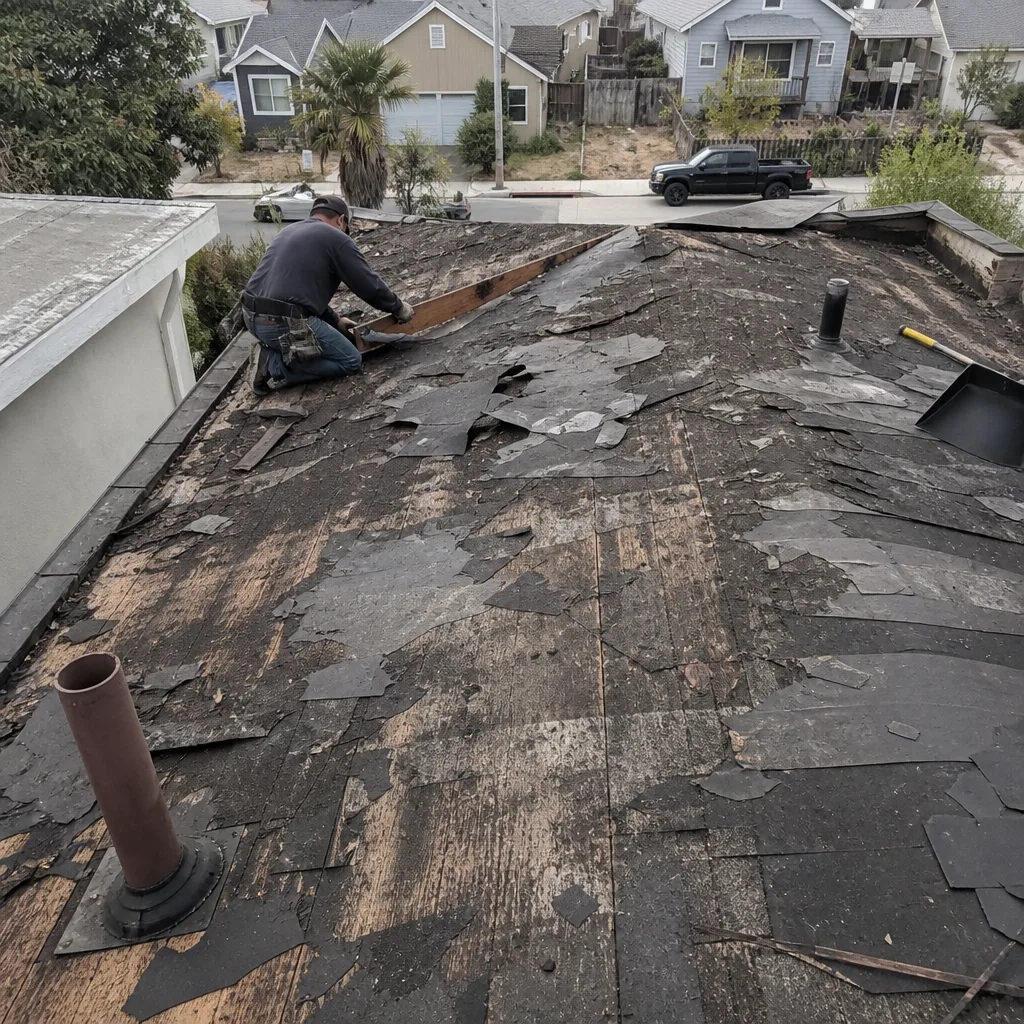 Before
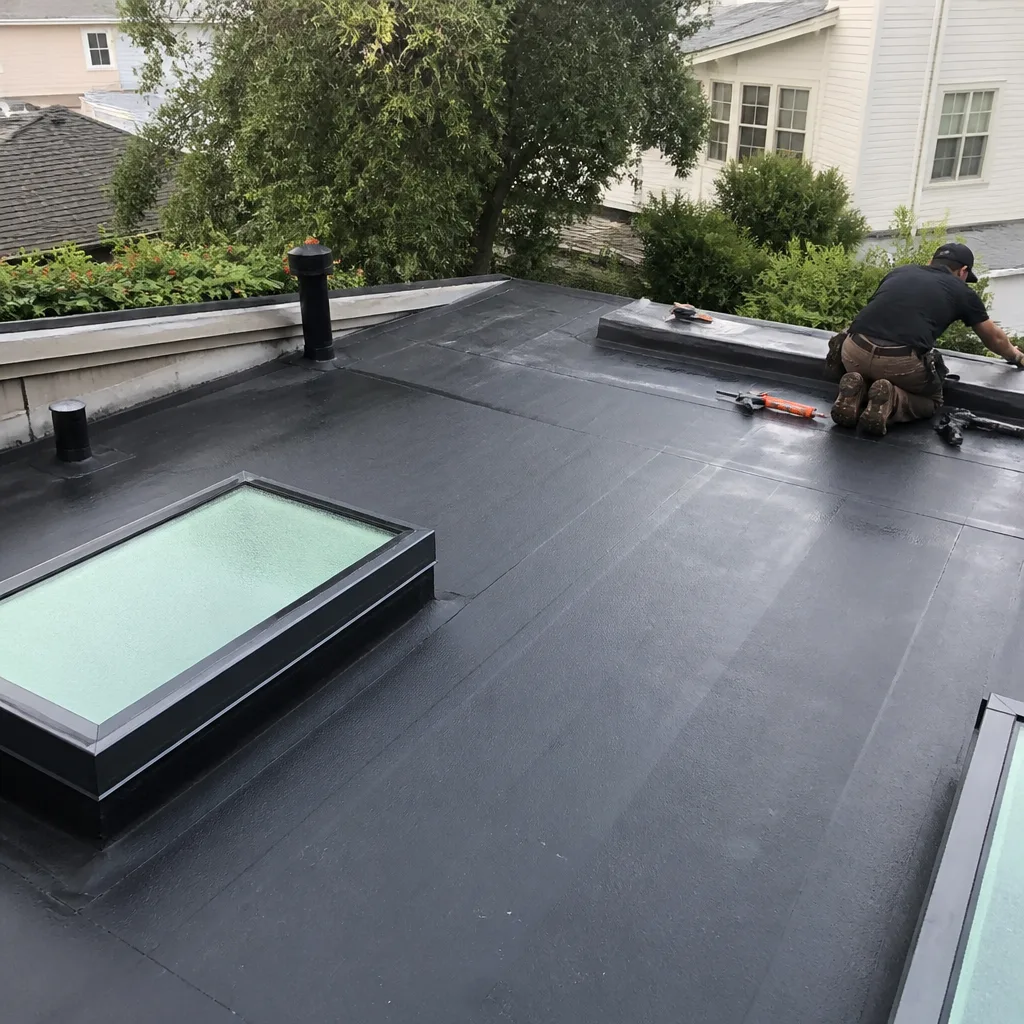 After
After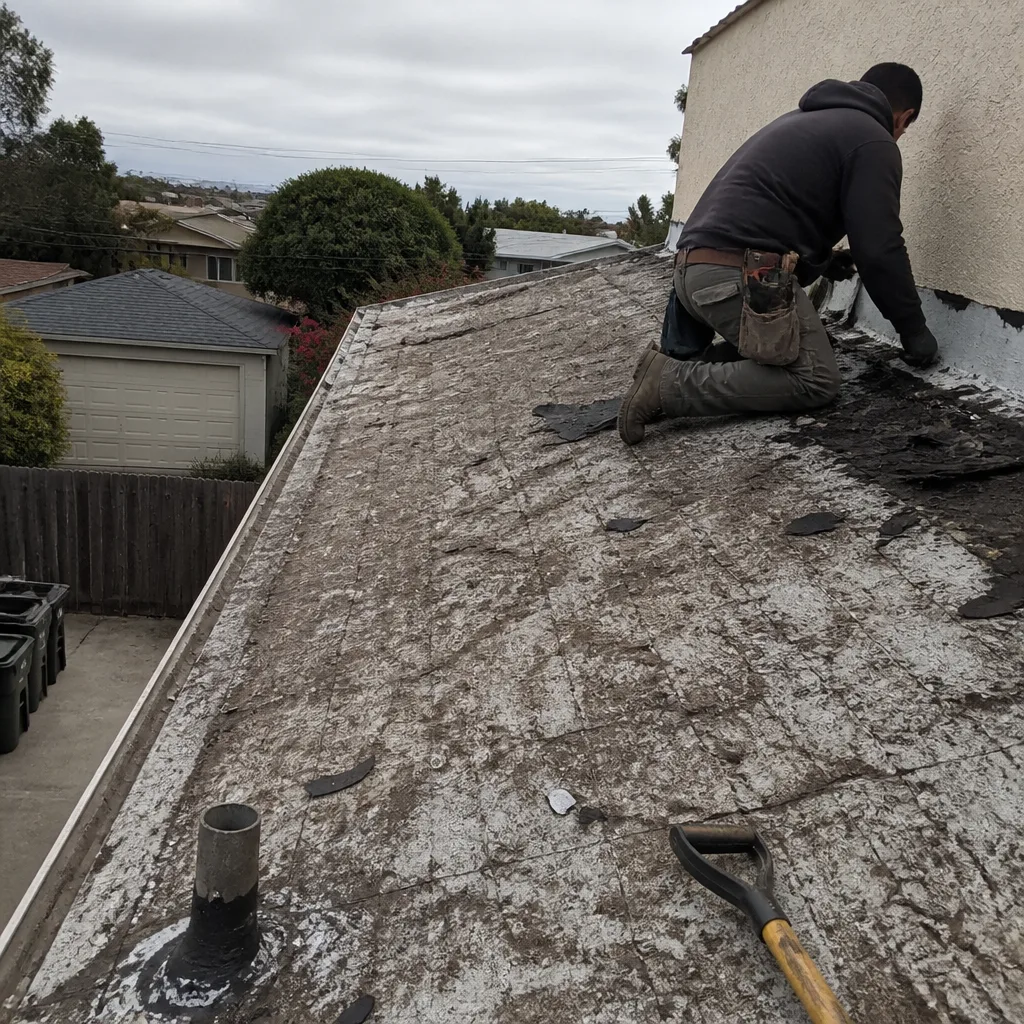 Before
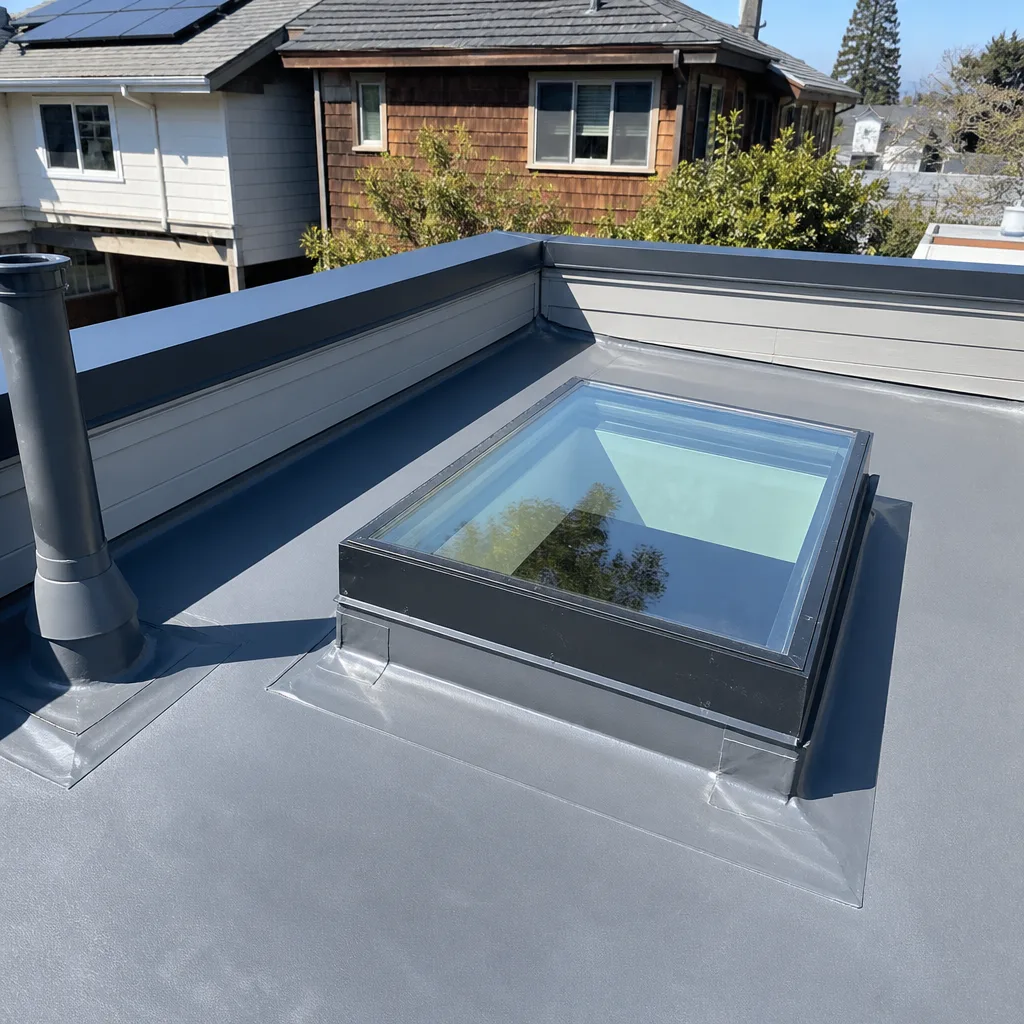 After
After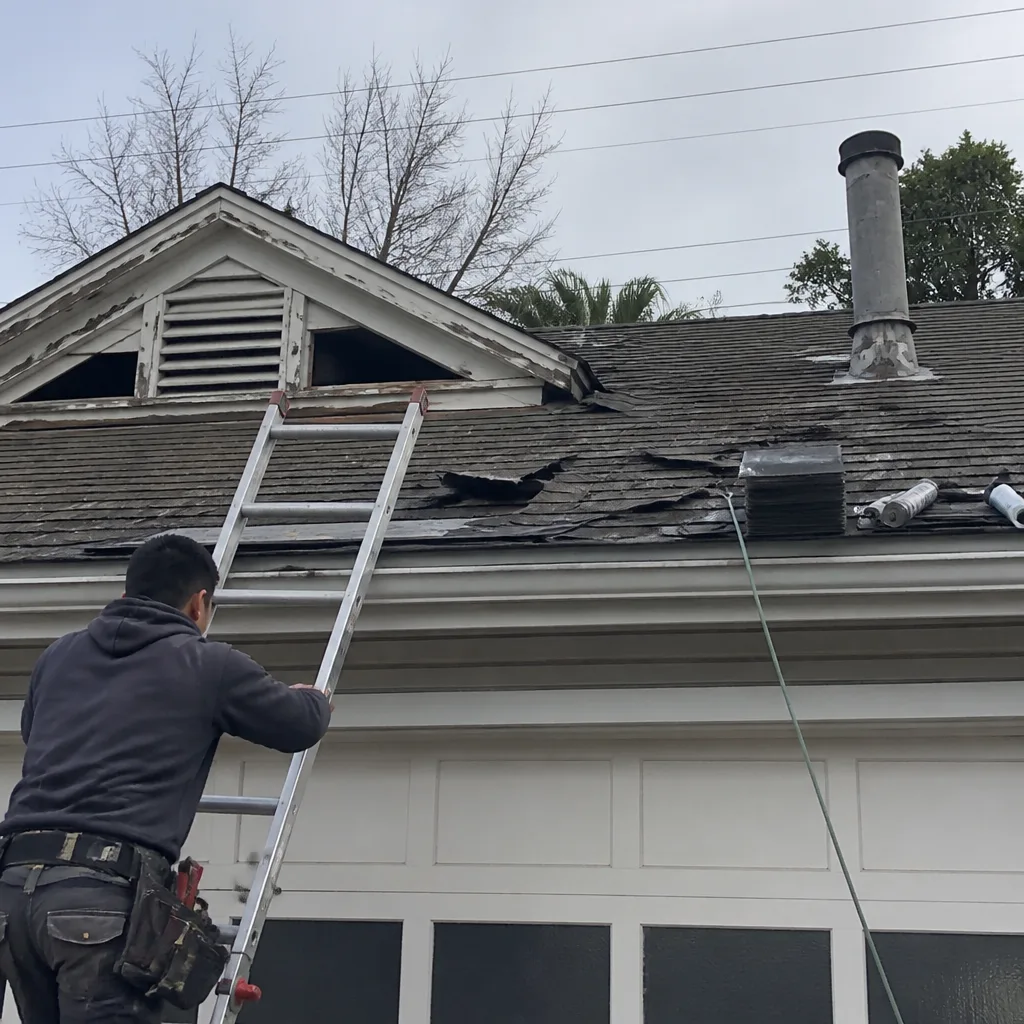 Before
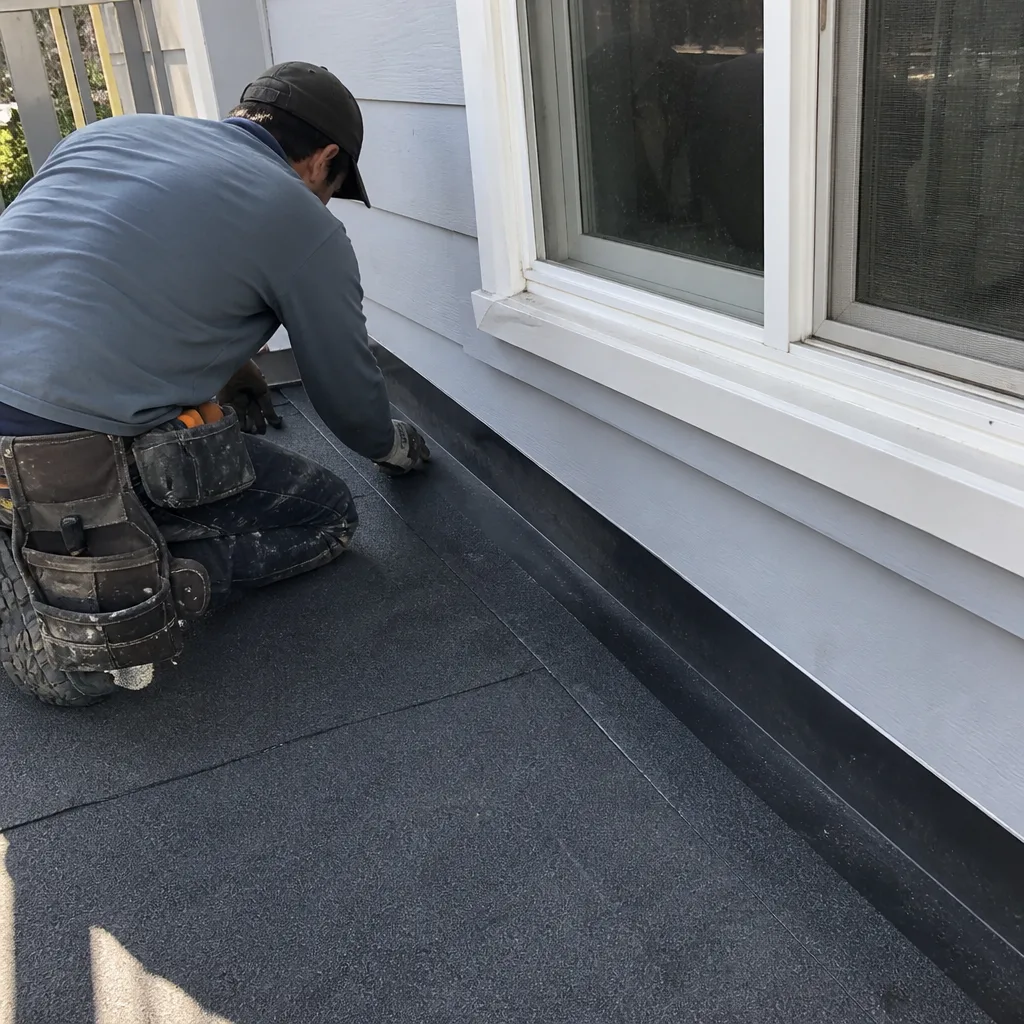 After
AfterReplacement Cost & What’s Included
For a typical San Francisco single-family home with 30 to 40 linear feet of ridge line, a full Atlas ridge vent replacement runs $850 to $1,250 including materials, labor, and haul-away of the old vent. If we’re pairing the vent work with ridge cap shingle replacement at the same time, which is common when the caps are the same age as the failed vent, the total lands in the $1,100 to $1,600 range. Larger homes with multiple ridge lines or homes with especially steep pitches where safety tie-offs are more involved will push toward the upper end of that range and beyond.
What’s included in our price, without exception: removal of the failed vent, inspection of the ridge slot for correct width and clean cuts, correction of any under-cut or over-cut sections, installation of the new Atlas vent per the manufacturer’s nailing pattern, replacement ridge cap shingles, and full cleanup with a magnet sweep for stray fasteners. You get the written price before any work starts. That’s The Garrison Standard we operate under. The price on paper does not move at the door.
| Service | Typical San Francisco Price Range |
|---|---|
| Atlas ridge vent replacement (standard roof, 30 – 40 ft ridge line) | $850 – $1,250 |
| Ridge vent replacement with new ridge cap shingles | $1,100 – $1,600 |
| Ridge slot recut / correction only (vent still intact) | $300 – $500 |
| Full attic ventilation assessment (ridge + intake) | $195 (credited toward replacement if you proceed) |
Every installation carries our 365-Day Done Right Promise in writing: if the vent installation fails within one full year, we return and make it right at no charge. That’s not a verbal assurance. It’s in writing, on every job, same as the price.
DIY or Call Us?
There are things worth checking yourself, and then there’s the part where you’re on a ridge line 20 feet up with a nail gun. Here’s the honest split. You can safely inspect from the ground or from a ladder placed against the eaves: look for the visual signs we listed above, check your gutters for granule debris, and note the age of your roof. You should not attempt a ridge vent replacement yourself. A ridge vent installation requires cutting a continuous slot along the structural ridge board, which means you’re working at the highest point of the roof, removing shingles and fasteners, and potentially exposing the roof deck to weather if the job doesn’t get completed in one session. Travis Oakley will tell you the same thing he tells every homeowner who calls: this is not the place to learn roofing. The risk is not just to the roof; it’s you on a wet-or-dry San Francisco pitch with nothing between you and the ground but air.
If you want to understand what’s wrong before you spend a dollar, call us. We’ll come out, read the roof honestly, and tell you what needs replacing now, what can wait two seasons, and what a salesman might oversell you on. That assessment is free. Call (831) 318-8819.
FAQs
An Atlas WeatherMaster or Pinpoint ridge vent installed correctly in San Francisco will realistically last 12 to 18 years before UV and salt-air exposure start to degrade the profile shell. That is shorter than the 20-plus years a vent may achieve in drier inland climates, and it is entirely normal for our city. Fog is relentless on plastic, and the daily temperature swing between 55-degree mornings and 75-degree afternoons accelerates material fatigue. If your vent is approaching the 12-year mark and you’re seeing granule trails or cracking, it’s time to plan for replacement rather than wait for a leak.
Yes, in limited cases. If the vent’s profile is intact but nails have backed out and the vent lip is lifting, we can resecure the vent and replace the affected ridge cap shingles. If the vent shell is cracked, the granule mat is shedding, or the internal baffles have collapsed, repair is false economy: you’d be spending hundreds to buy one more season on a vent that’s already at end of life. We’ll tell you plainly which one you’re looking at before any quote is written. Call (831) 318-8819 to schedule a free assessment, and you’ll have a written answer.
For a standard single-family San Francisco home with one ridge line, the full replacement takes about four to six hours from setup to final cleanup. If we’re also replacing ridge cap shingles or correcting an under-cut ridge slot, that stretches to a full day. We stage all materials before we disturb the old vent, so the roof deck is never left exposed overnight. Our technicians arrive in uniform, they are background-checked, and you’ll know exactly who is on your roof before a single shingle comes off.
We stock Atlas WeatherMaster and Pinpoint ridge vents on the truck in standard 6-foot panels, along with the matching Atlas shingle-over caps and fasteners. We also carry GAF, Owens Corning, and CertainTeed ventilation lines for homes that have those shingle systems, because vent brand matters less than correct sizing and correct installation. If your roof needs a less common Atlas profile, we source it directly from Atlas distribution, and it is typically in our warehouse within two to three business days. Brennan Roofing Co San Francisco is an independent service provider and is not affiliated with Atlas Roofing Corporation, but we choose to stock Atlas ventilation parts because they hold up well to our coastal climate and the manufacturer stands behind the product line.
No. The price goes on paper before any work begins, and it does not move at the door. If we open up the ridge and find hidden damage that changes the scope, we stop, show you what we found, and put a revised number in writing before proceeding. That is The Garrison Standard, and we do not make exceptions. A good roof shouldn’t need to be talked about; it should just hold. The same goes for a quote: it should be a number on paper, not a conversation.
Call (831) 318-8819 for a free estimate on Atlas ridge vent replacement in San Francisco. A live person answers around the clock, no voicemail, no automated system.
Written by Travis Oakley, Owner, Brennan Roofing Co at Brennan Roofing Co San Francisco, serving San Francisco and nearby areas.