
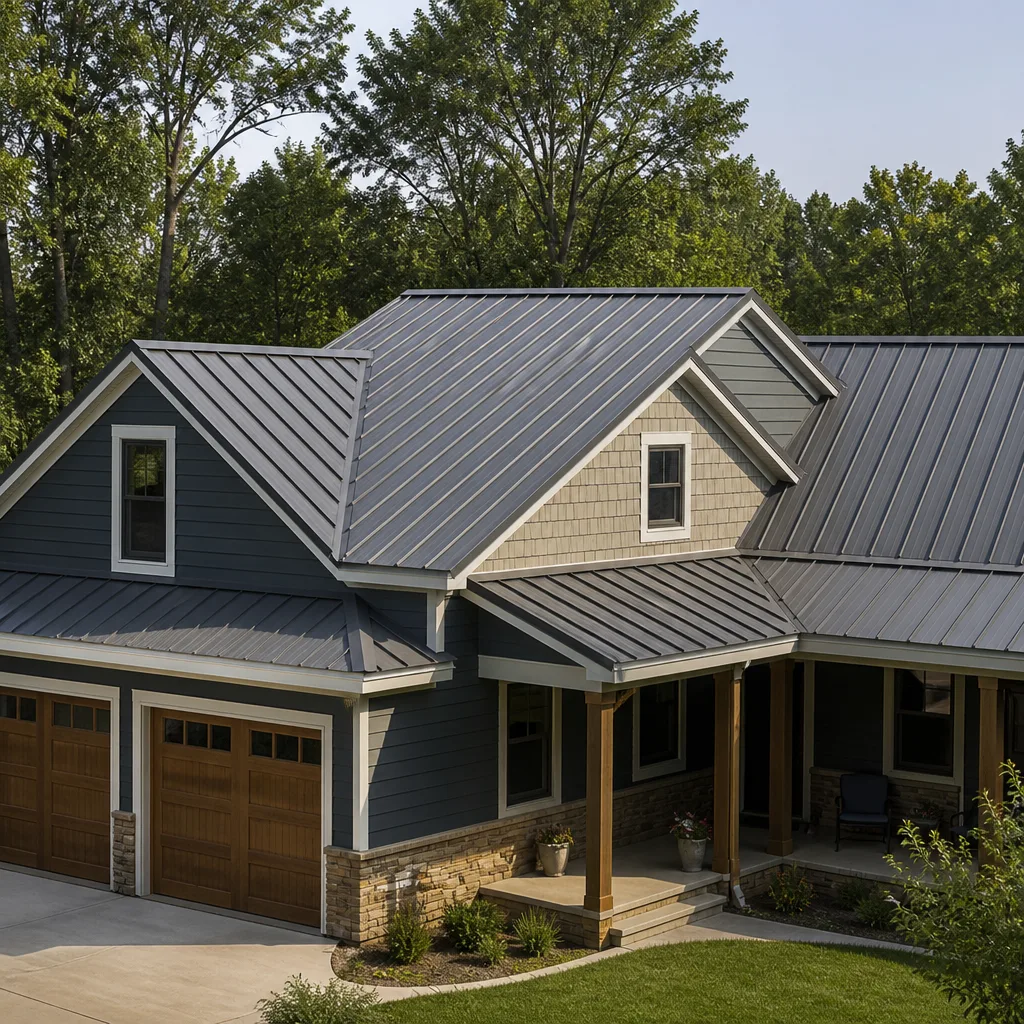
 Metal roofing
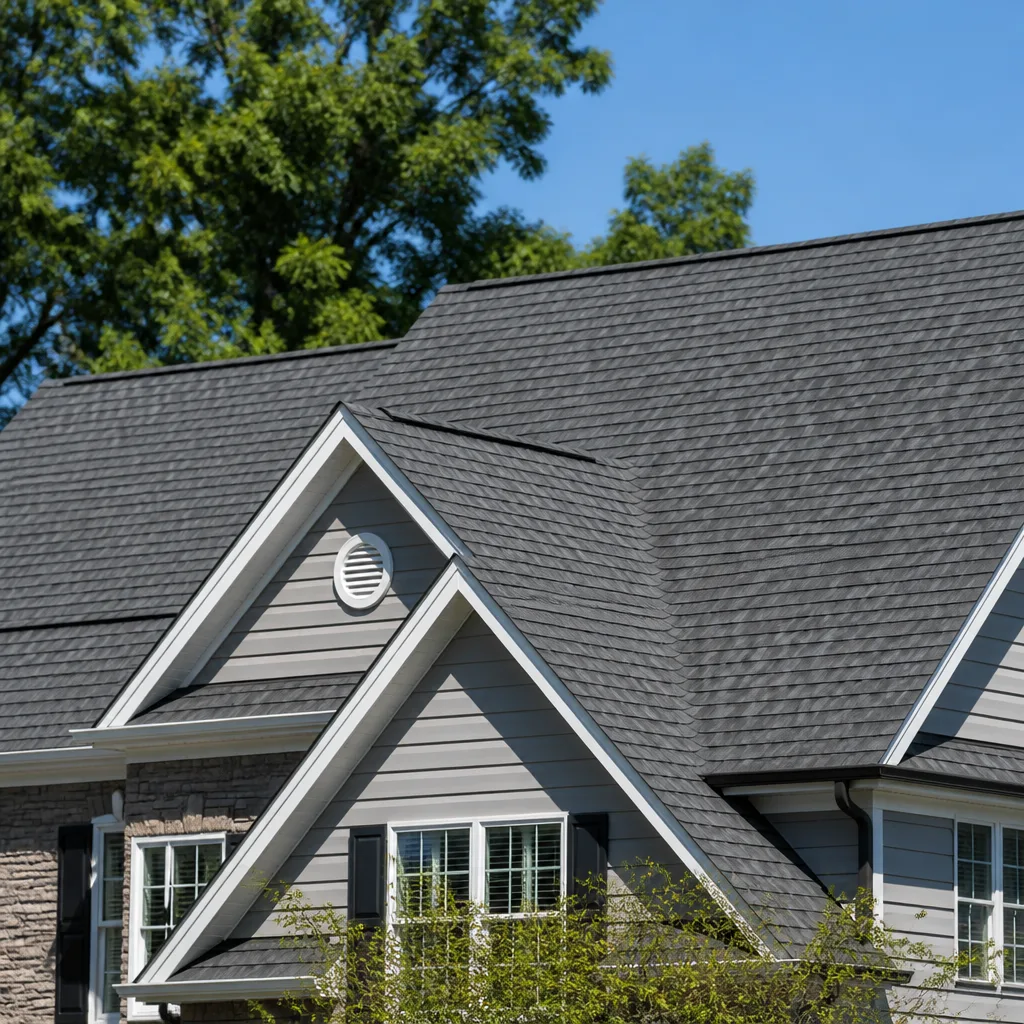 Architectural shingles
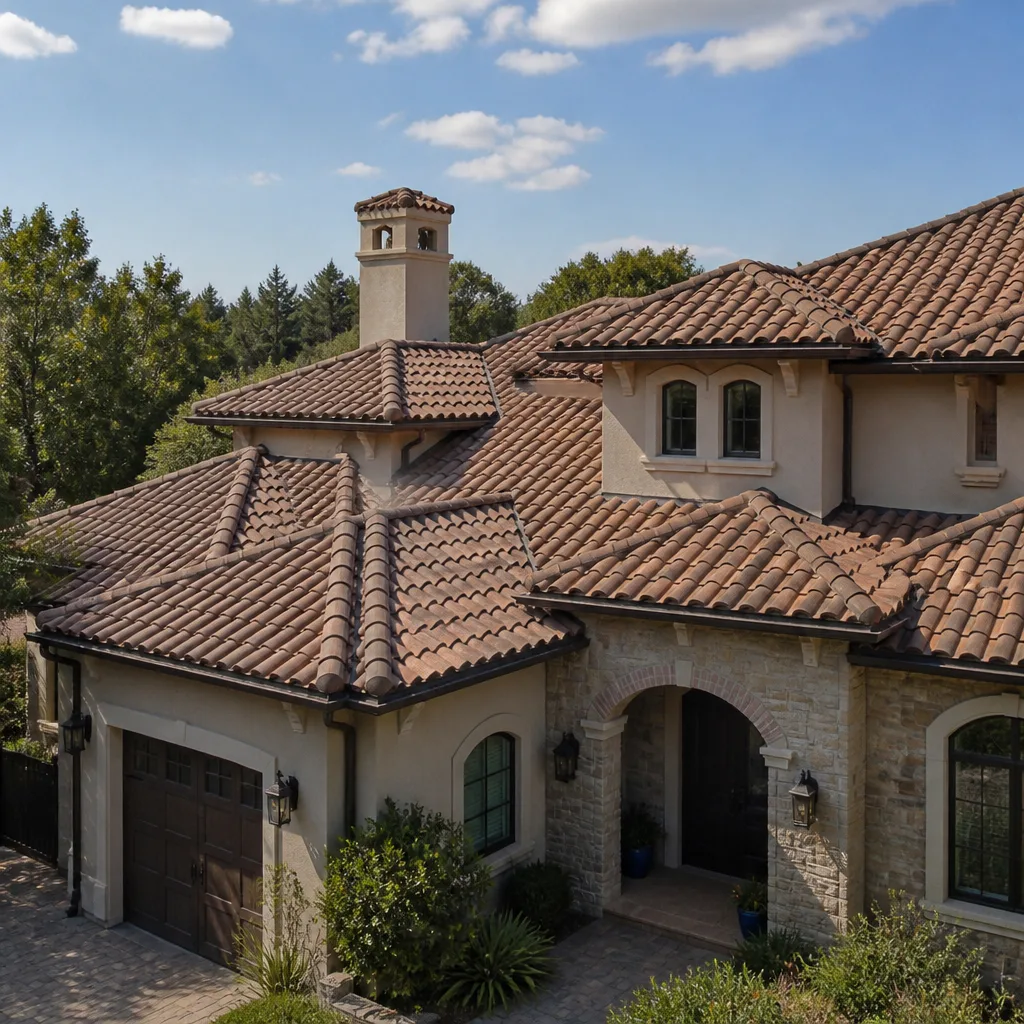 Tile roofing
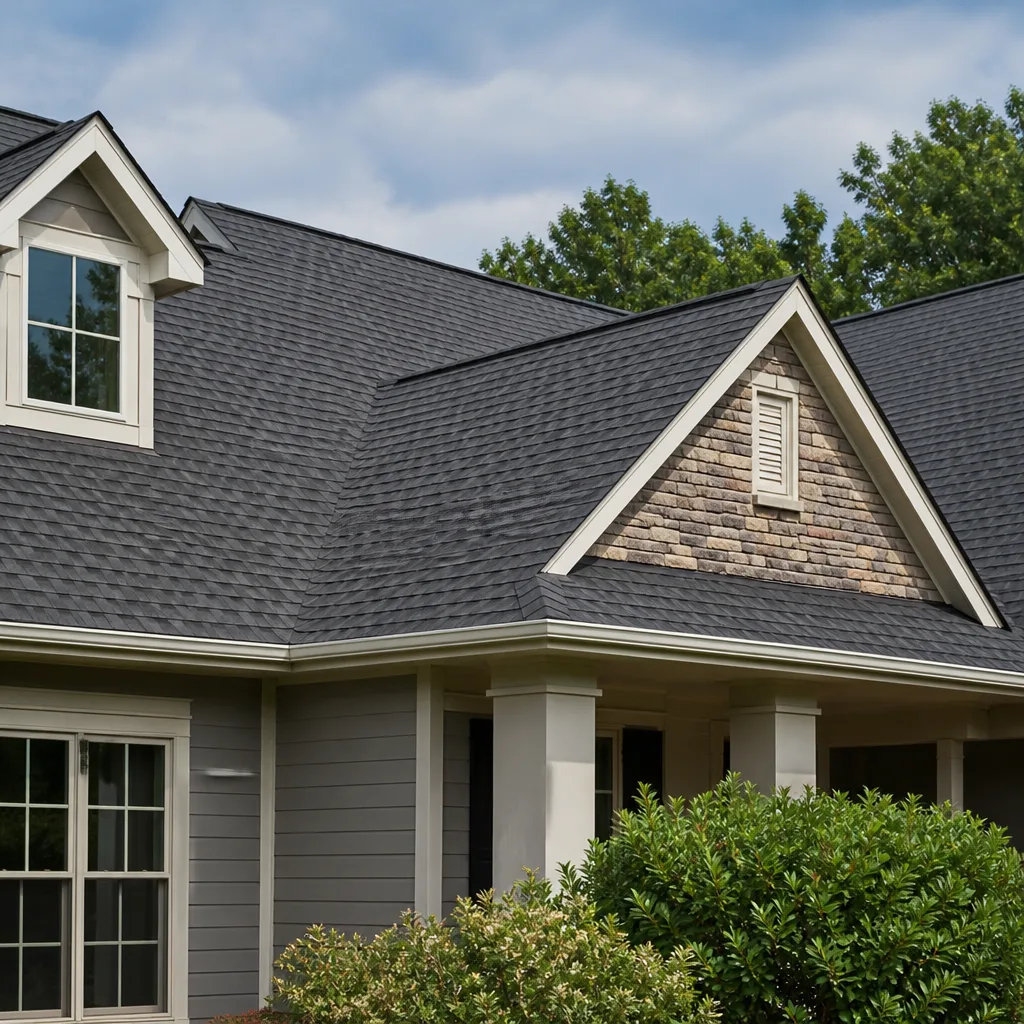 GAF
GAF Owens Corning
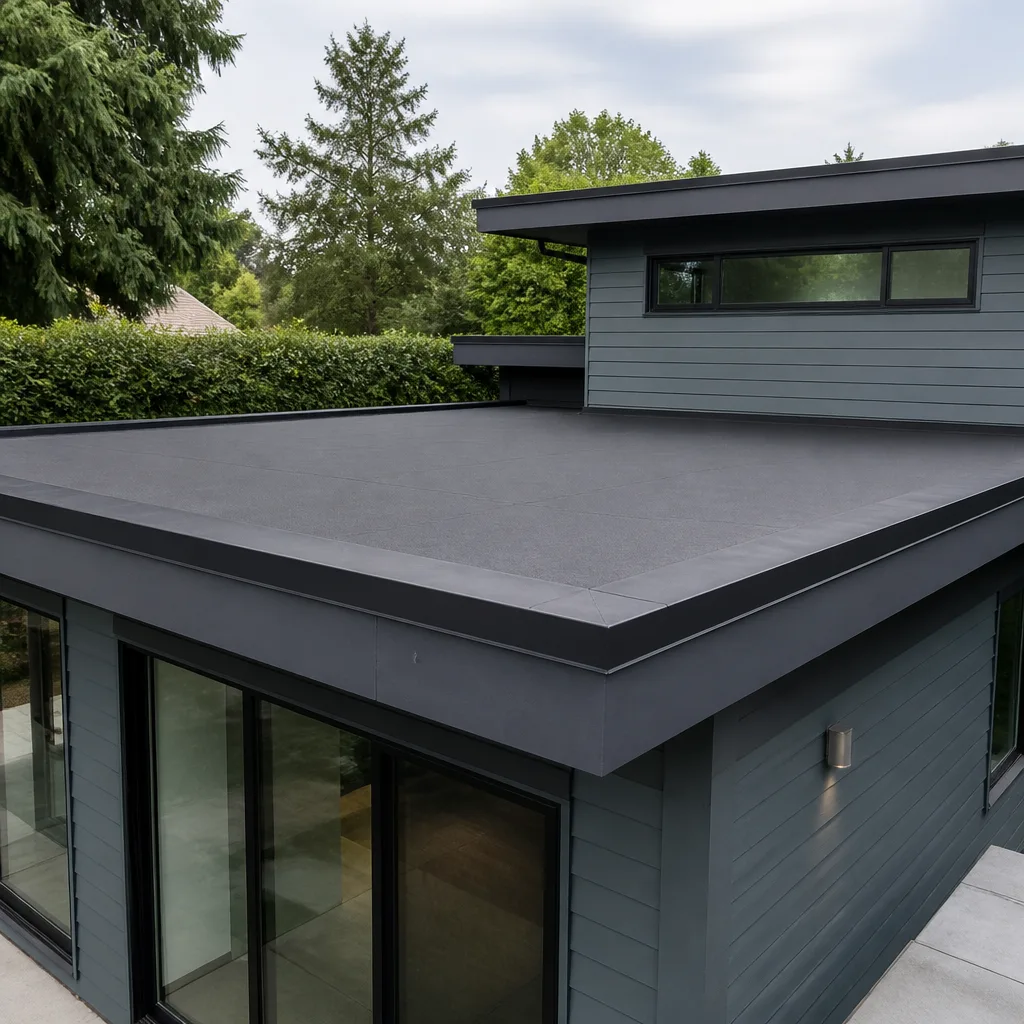 Flat & low-slope
Free roof inspection with deck photos before we talk money - GAF and Owens Corning certified installation
IKO Flashing Replacement: The San Francisco Owner’s Guide
IKO flashing replacement in San Francisco typically runs $380 to $900 installed, depending on whether we’re replacing a single pipe boot or a full step-flashing run along a chimney or wall line. We stock IKO-compatible flashing on our trucks, and most replacements are done in a single visit once we’ve seen the roof. Owners usually find out flashing has failed when water shows up on a ceiling, around a skylight, or along the base of a chimney after one of our winter storm sequences. The flashing itself is rarely visible from the ground, which is why the problem tends to announce itself indoors first.
Key takeaways:
- San Francisco installed pricing: $380 to $900, with the written price in your hand before any work starts
- We stock IKO-compatible flashing plus equivalents from GAF, Owens Corning, and CertainTeed on the truck
- The 365-Day Done Right Promise covers every flashing replacement in writing for one full year
- Most flashing failures in San Francisco are salt-air corrosion or failed sealant, not worn shingles
Which IKO Models This Applies To
IKO flashing components are sized to work with the company’s three main shingle lines you’ll see on San Francisco roofs: Cambridge, Dynasty, and Nordic. The flashing itself isn’t model-stamped the way a shingle bundle is, so identifying the right part comes down to measurement and position, not a label. What matters is the shingle profile height and the roof’s slope. IKO’s architectural lines run a slightly thicker butt than their older three-tab Marathon series, and the step flashing needs that extra vertical height to keep water moving over the shingle edge instead of under it.
On the OEM-versus-aftermarket question: IKO-branded flashing is fine, but it’s not magic. What matters more is the gauge of metal and the material. In San Francisco, we steer homeowners toward 26-gauge aluminum or, on homes within a half-mile of Ocean Beach or the Bay shoreline, galvanized steel with a baked enamel coating. Salt air eats uncoated aluminum in a few seasons. A quality aftermarket flashing in 26-gauge will outlast a thinner OEM piece every time, which is why we stock both and make the call based on where in San Francisco you live. The compatibility gotcha most owners don’t know: IKO’s Nordic line is a heavier shingle with a deeper exposure profile, and standard big-box step flashing will sit too low on it. We carry the taller-profile flashing for that specific roof condition.
Styles & brands we work with
Signs Your IKO Flashing Replacement Is Failing
- Water stains on ceilings or walls near the chimney, skylight, or a wall-roof junction. This is the most common first signal. Flashing doesn’t fail loudly. It lets a little water through over months, and the drywall tells you before the roof does.
- Lifted or curling shingle edges around vents and pipe boots. The adhesive seal strip on the flashing base degrades over time, and San Francisco’s wet winters accelerate that. Once the shingles curl, water finds the gap.
- Visible rust or pitting on exposed flashing metal. If you can see it from a ladder or an upstairs window, especially on ocean-facing slopes, the metal is already losing its protective coating. Sunset, Richmond, and Ingleside homes get this sooner than Glen Park or Noe Valley.
- Granules collecting in gutters that trace a line down from a flashing point. Flashing failure concentrates water flow, which strips granules off the shingles below it faster than normal wear. The gutter tells you the path if you know how to read it.
- Daylight or gaps visible from inside the attic along the roof-wall joint. In older San Francisco homes with open attic space, you can sometimes spot failed step flashing by looking for pinholes of light where the roof deck meets a wall. That gap is water’s front door.
See the difference
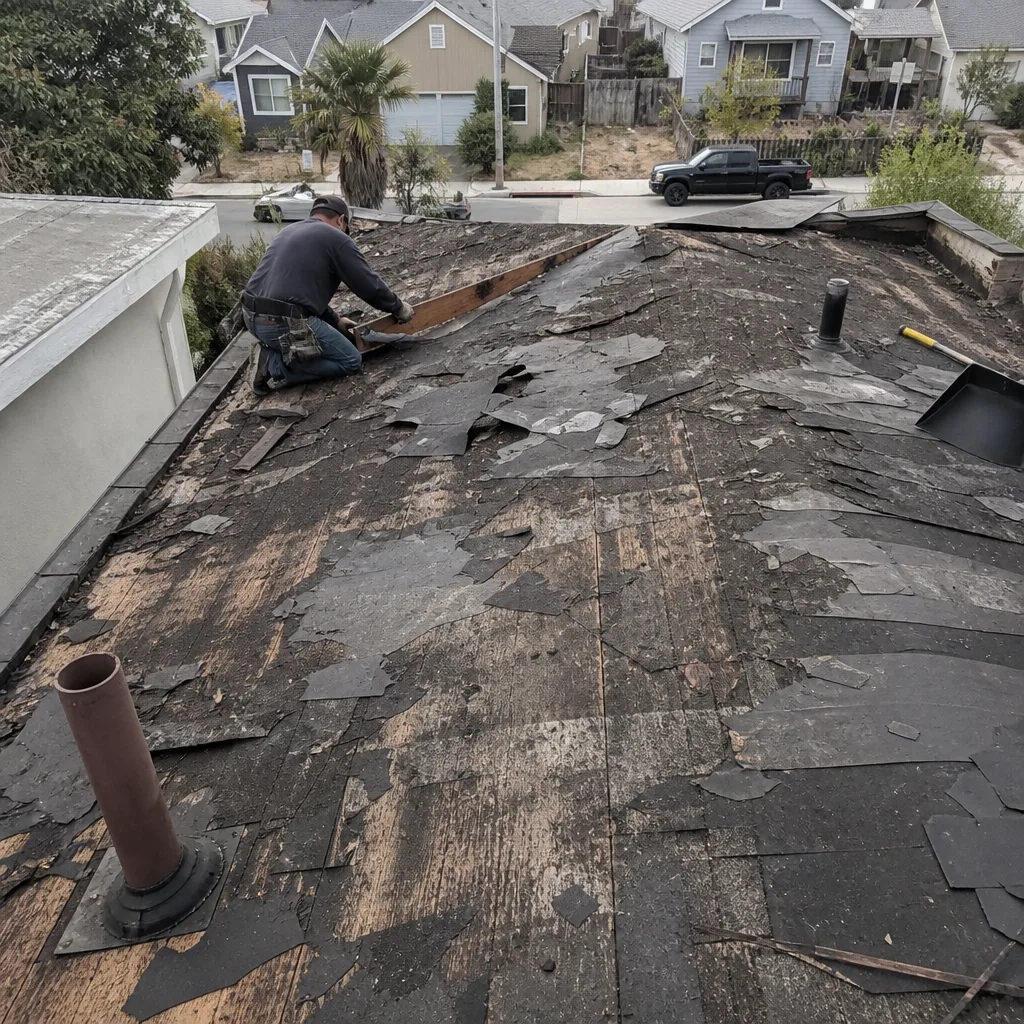 Before
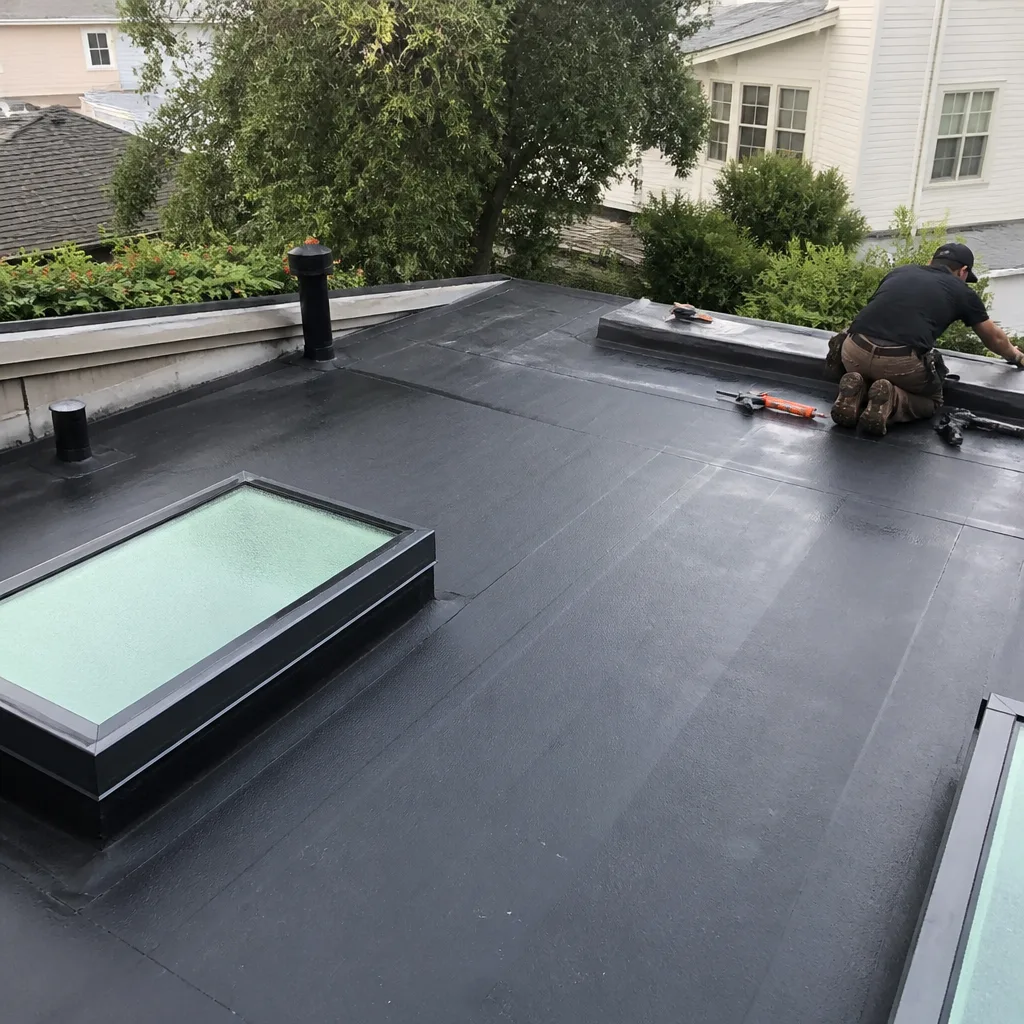 After
After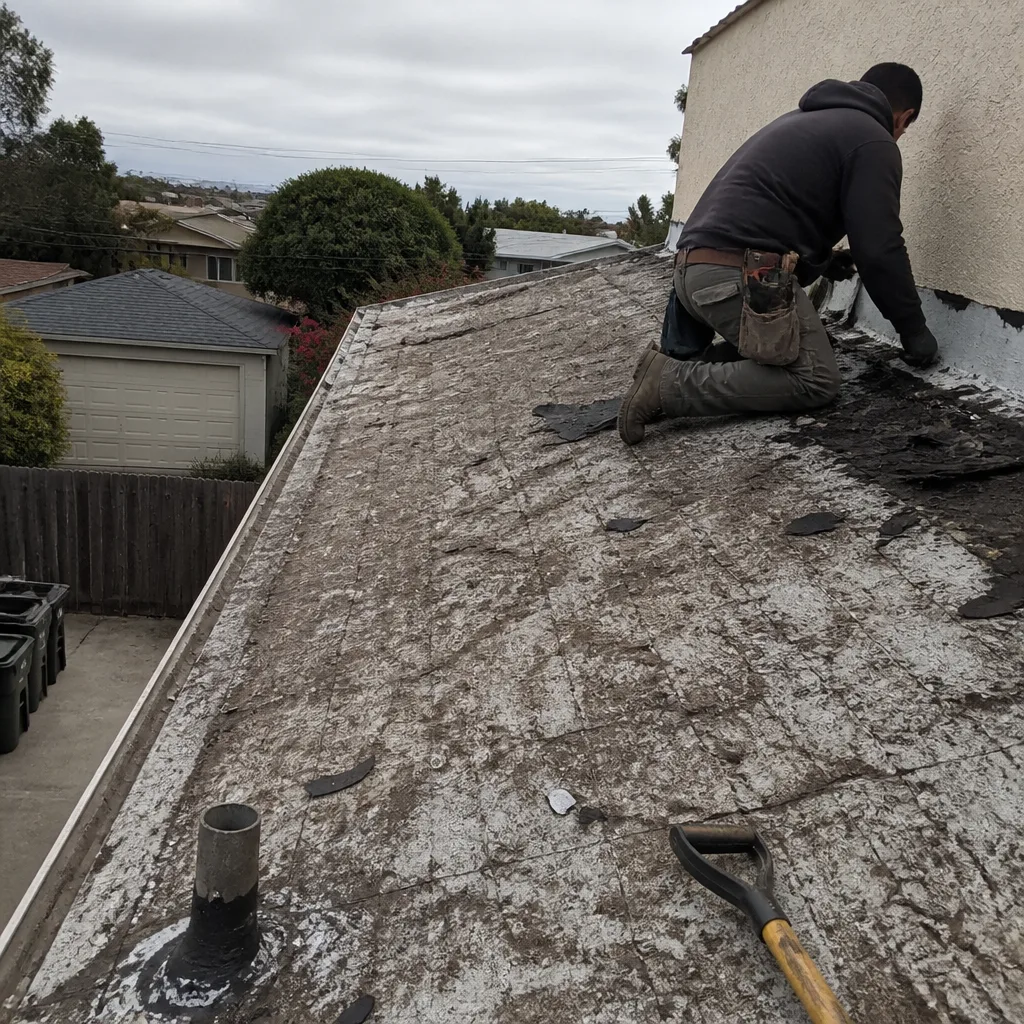 Before
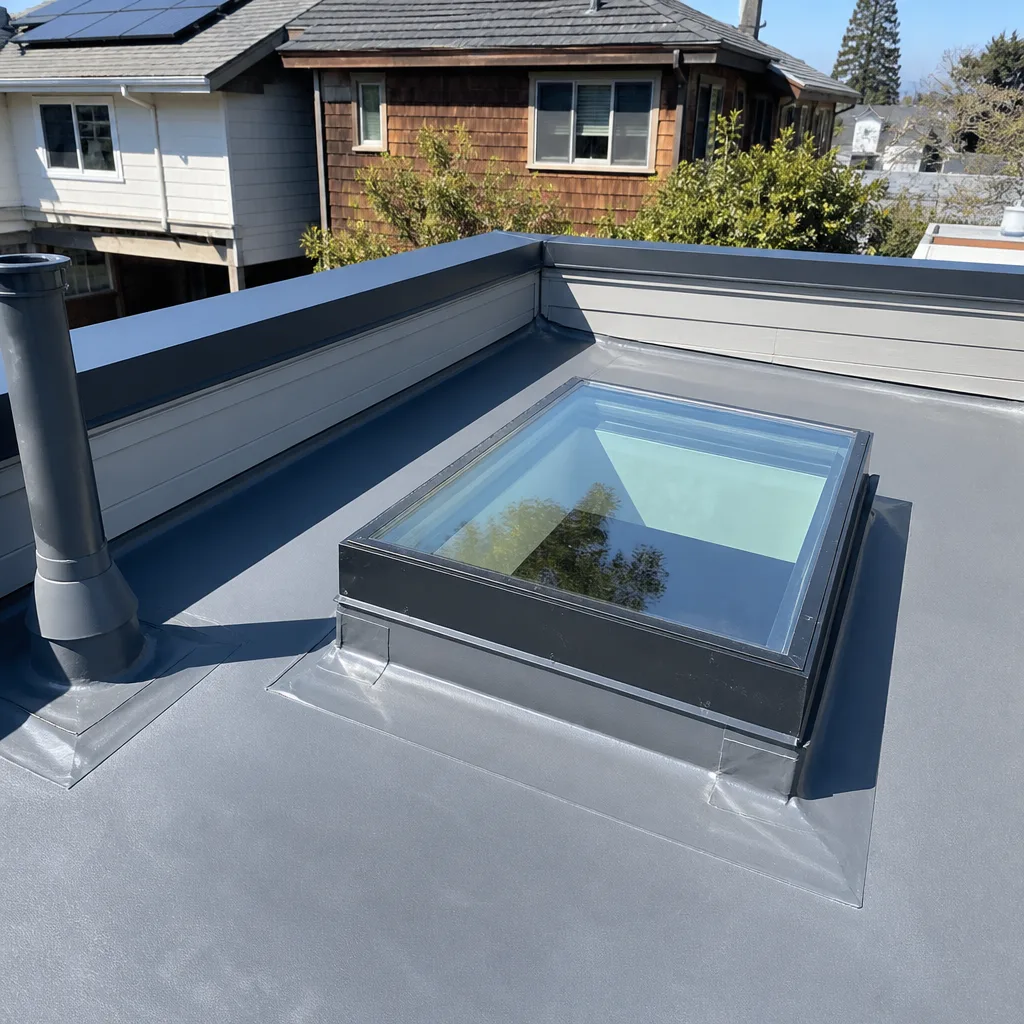 After
After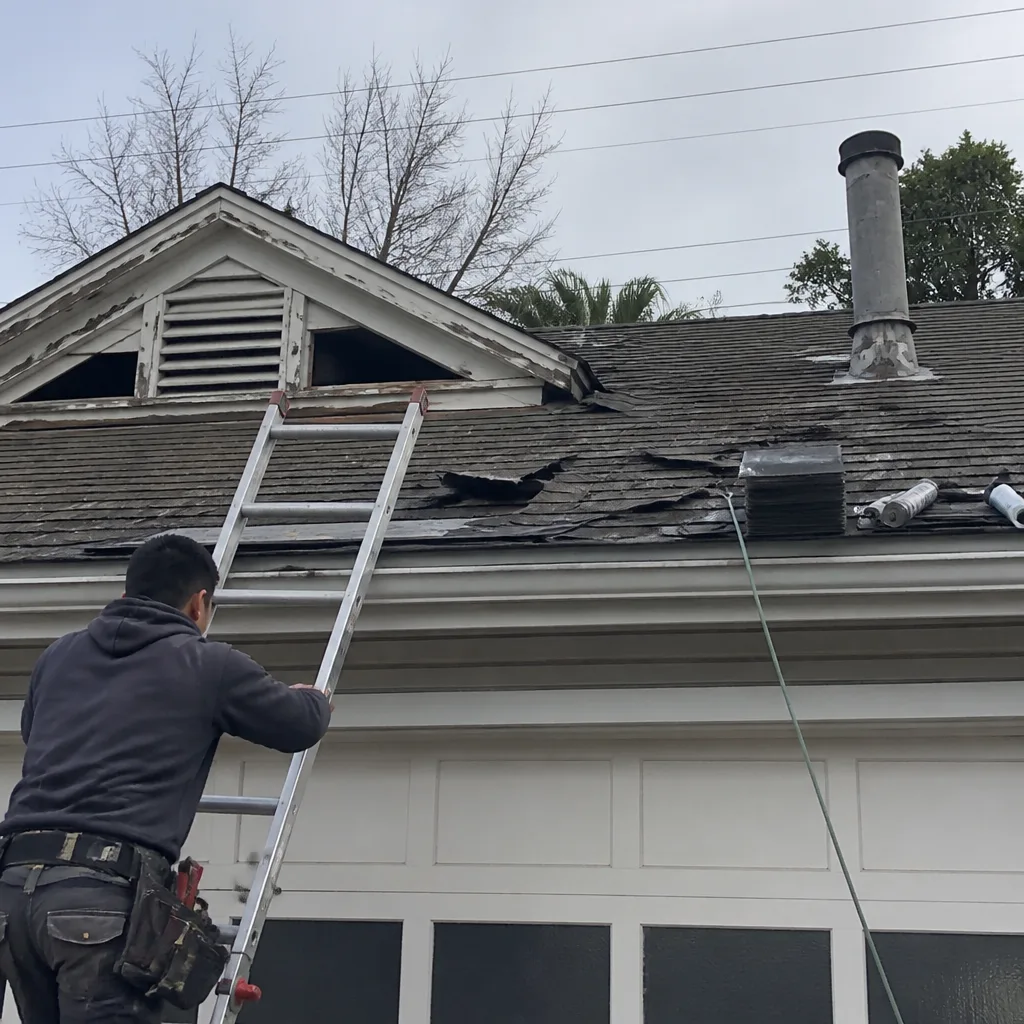 Before
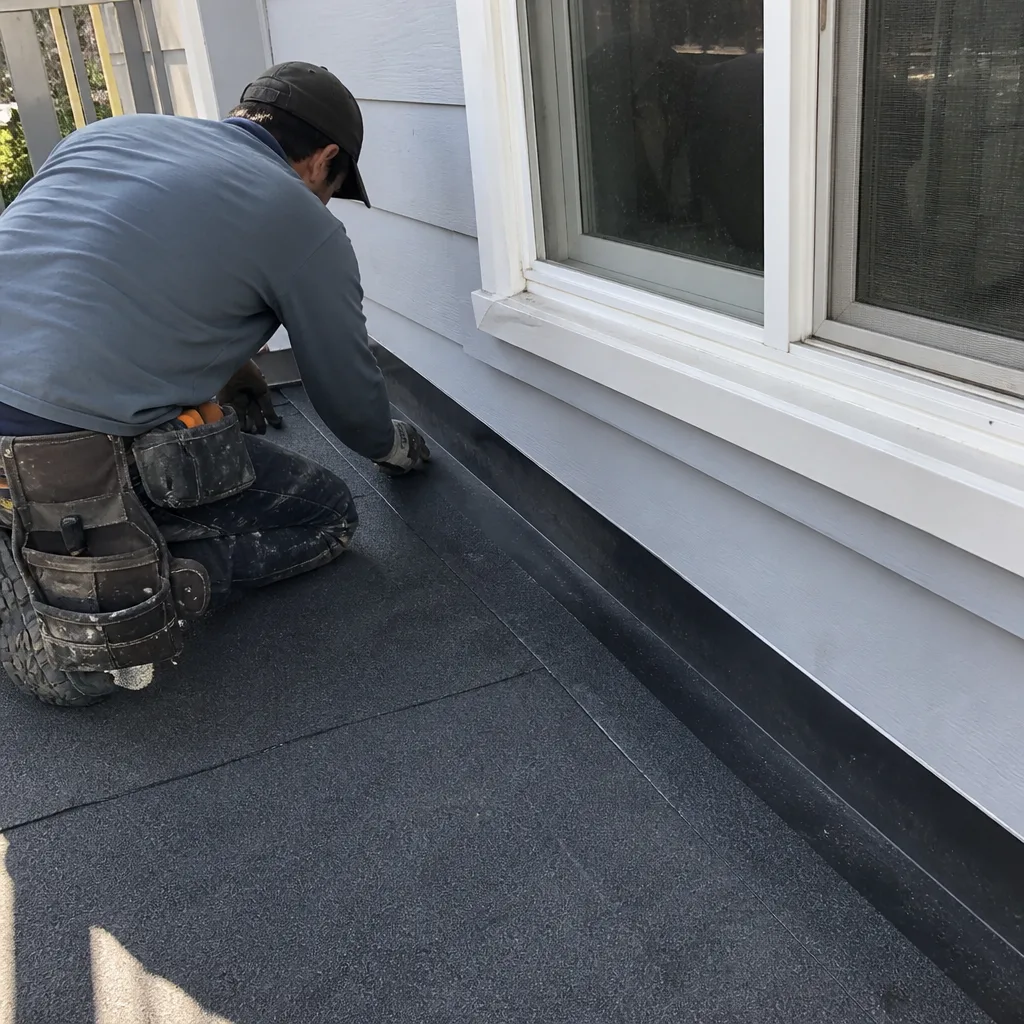 After
AfterReplacement Cost & What’s Included
In San Francisco, a single pipe boot or vent flashing replacement runs $380 to $520 installed. A short step-flashing run along a chimney base runs $550 to $750. A full wall-line step-flashing replacement on a typical Sunset or Richmond flat-plus-pitched addition runs $700 to $900. These numbers include the flashing material, removal of the damaged piece, new sealant, and re-seating the surrounding shingles.
What drives the range is access and the condition of the surrounding shingles. If the shingles around the flashing are brittle from age, we may need to replace a few courses to get a clean seal. If a roofer gives you a number over the phone, that’s a guess. Our price goes on paper after we look at the roof, and that number does not move at the door. Every flashing replacement is covered by the 365-Day Done Right Promise: in writing, for one full year, and we come back for free if it fails within that period.
DIY or Call Us?
You can safely do a visual check from the ground or a ladder: look for lifted shingles around pipes, visible rust lines, or missing sealant beads on exposed flashing. That’s worth doing once a year, especially before the winter rain cycle starts in November.
Replacing flashing yourself is where things go wrong. The work is at the roof’s transition points, which are where water concentrates. If the sealant isn’t applied under the correct shingle overlap, or the flashing gauge is too thin, you’ve created a leak that won’t show up for six months. Working on a steep San Francisco Victorian roof or a damp flat roof without the right shoes and fall protection is genuinely dangerous. Travis Oakley has read enough DIY flashing repairs on Twin Peaks and Noe Valley roofs to know how it ends, and it usually ends with water where it wasn’t before. If you’d rather have it done once and backed in writing, call (831) 318-8819 for a free estimate.
FAQs
Inland San Francisco neighborhoods like Glen Park or the Mission typically get 20 to 25 years from quality flashing. Ocean-facing slopes in the Sunset or Richmond get 10 to 15 before salt corrosion and wind-driven rain wear the metal and sealant down. The difference is measurable, and we factor it into every material recommendation. Call (831) 318-8819 if you want us to look at your specific exposure.
A temporary sealant patch can buy you a few weeks, but it’s not a repair. The sealant fails again, and the underlying corrosion or gap is still there. Permanent flashing replacement is the only repair that holds through a full San Francisco winter.
A single pipe boot or vent flashing replacement takes 45 minutes to an hour. A chimney step-flashing run takes two to three hours. A full wall-line replacement is a half-day job.
We stock IKO-compatible flashing in the common sizes and gauges on our trucks, along with equivalent parts from GAF, Owens Corning, and CertainTeed. If your roof needs a non-standard profile, we measure the exposure and have the right piece cut within a few days.
No. The price goes in writing before any work begins, and it holds. If we open the roof and find damage we couldn’t see, we stop, show you what we found, and put a new written number in front of you before we touch anything else. A good roof shouldn’t need to be talked about, it should just hold.
Written by Travis Oakley, Owner, Brennan Roofing Co at Brennan Roofing Co San Francisco, serving San Francisco and nearby areas.