
 Owens Corning
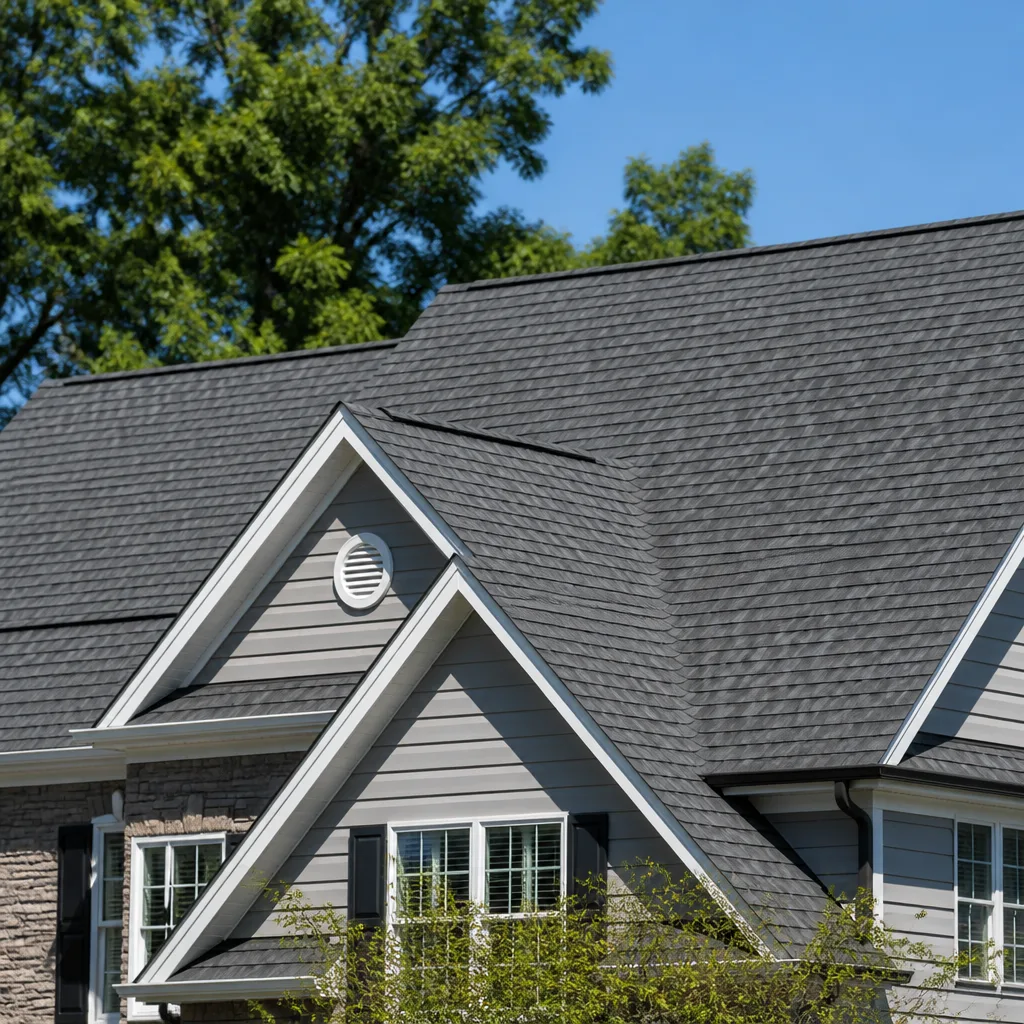 Architectural shingles
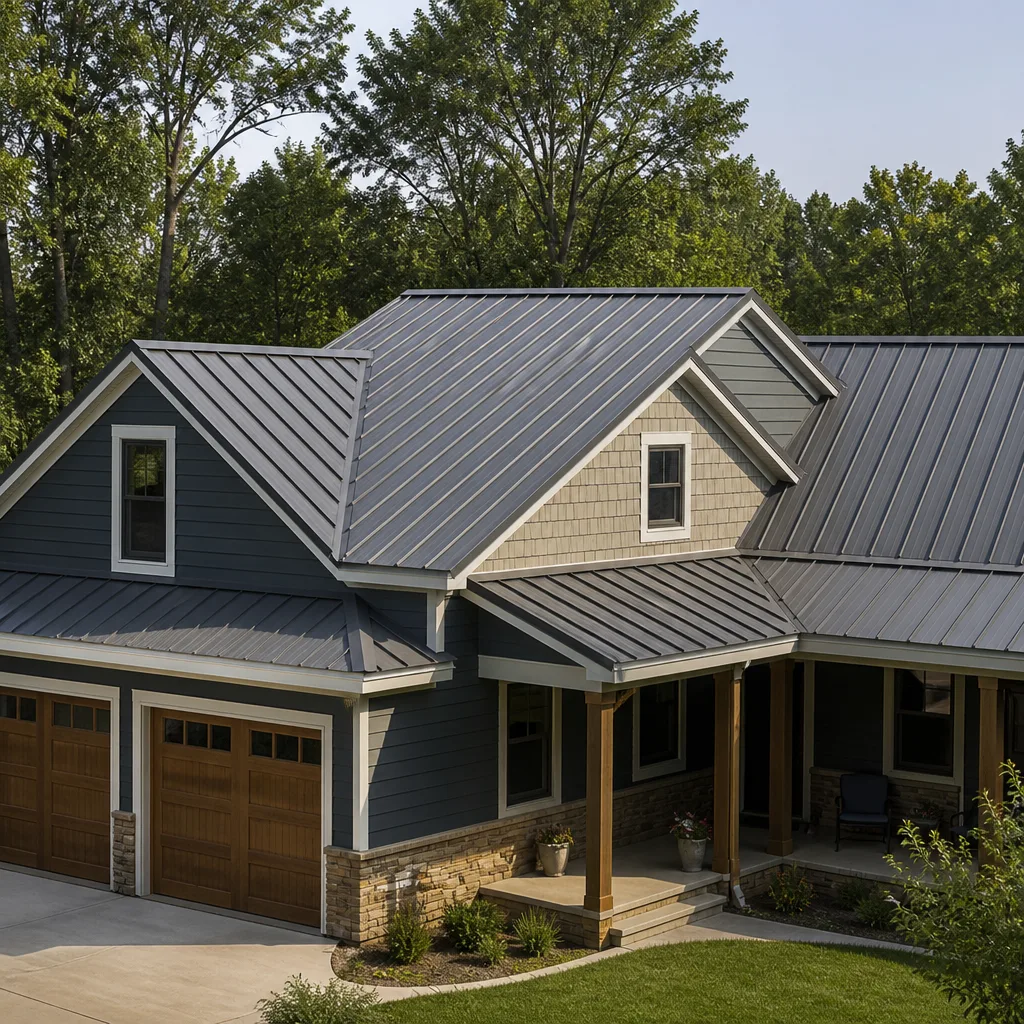 Metal roofing
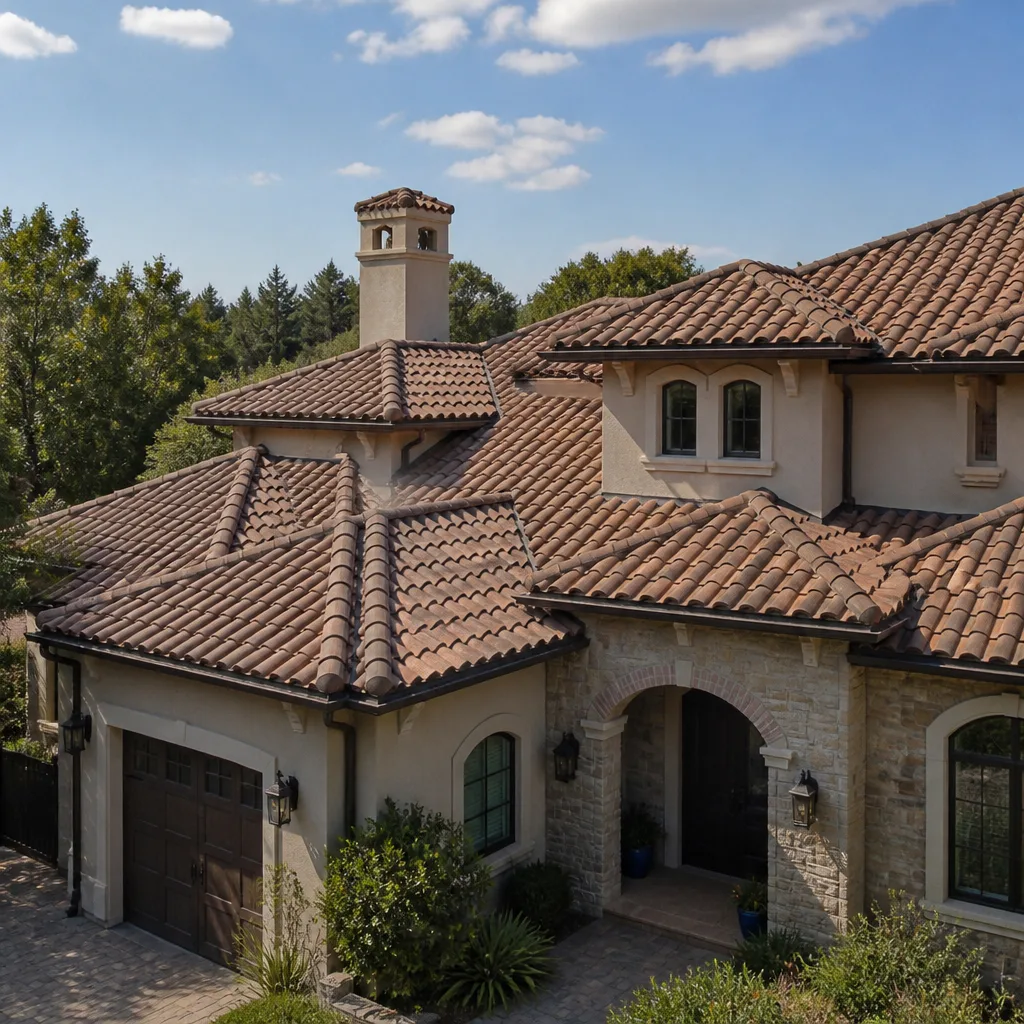 Tile roofing
 GAF
GAF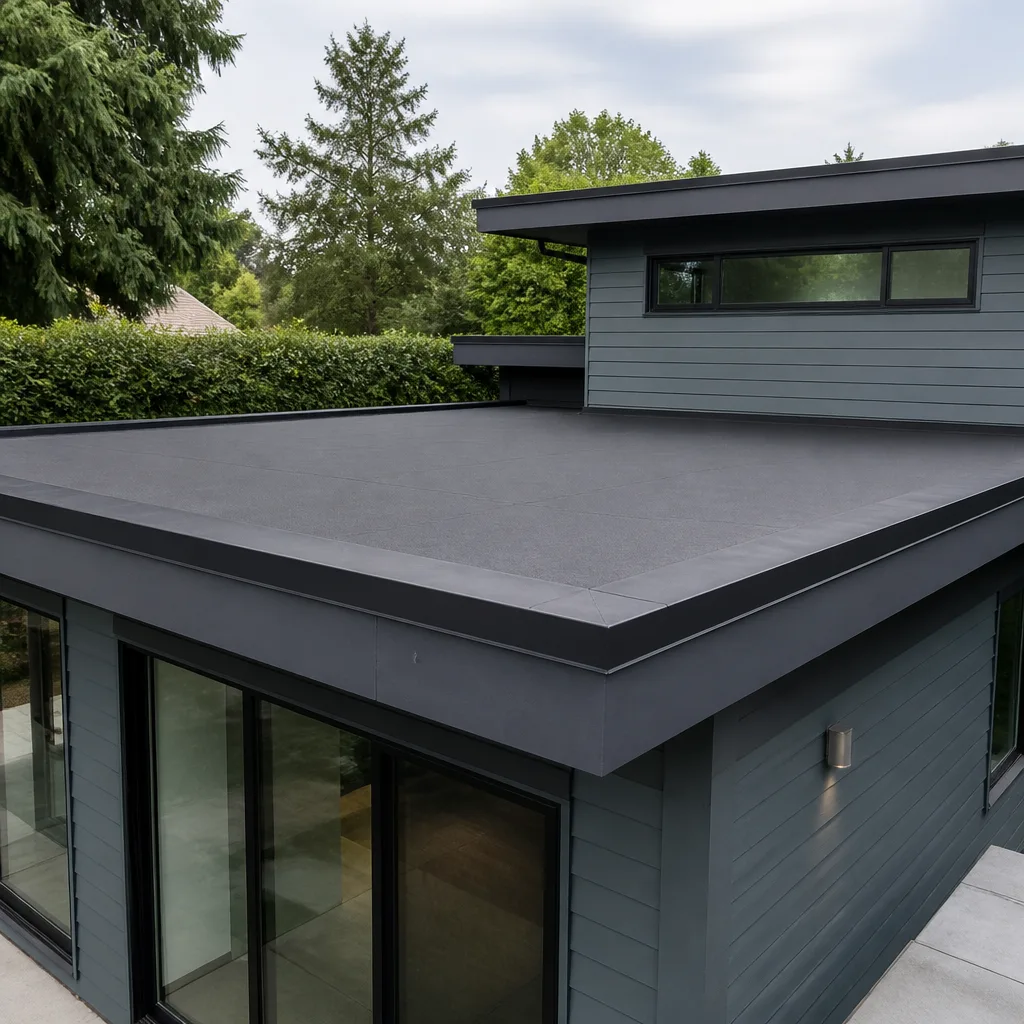 Flat & low-slope
Free roof inspection with deck photos before we talk money - GAF and Owens Corning certified installation
Owens Corning Ridge Vent Installation: The San Francisco Owner’s Guide
Owens Corning ridge vent installation in San Francisco typically runs $850 to $1,400 for a standard single-family home, including the vent material, cutting the ridge slot, and sealing everything tight. We keep Owens Corning-compatible ridge vent in stock and can usually have a crew out within a few days. Most homeowners call us after spotting attic moisture, a musty smell upstairs, or someone tells them their ridge vent looks “sunken” or cracked along the peak.
Ridge vent is the long strip that runs along the very top of your roofline. It lets hot, damp air escape the attic while keeping rain and critters out. When it fails, your attic stays wet, your shingles cook from underneath, and your energy bills climb. In San Francisco’s fog and marine air, that moisture doesn’t dry out on its own. It sits there.
We’re Brennan Roofing Co San Francisco, an independent roofing contractor. We install and service Owens Corning ridge vent systems but we are not affiliated with Owens Corning directly. Travis Oakley runs our operation, and he’ll tell you the same thing he tells every homeowner: a good roof shouldn’t need to be talked about, it should just hold.
Which Owens Corning Models This Applies To
Owens Corning makes two ridge vent lines we install most often in San Francisco: the VentSure 4-foot strip vent and the VentSure rigid roll vent. They look similar at a glance, but the install methods are different and you don’t want one swapped for the other carelessly.
The 4-foot strip line comes in both shingle-over and metal variants. The shingle-over version is the one we see on most asphalt roofs in the Richmond and Sunset Districts. The rigid roll vent, by contrast, is a one-piece profile that gets nailed down and shingled over, and it moves more air per linear foot. If your asphalt shingles are Owens Corning Duration or Oakridge, either vent line works fine. If you have a low-slope torch-down roof, which is common across the western half of San Francisco, you’re likely not running standard ridge vent at all and we’d need to look at the ventilation setup directly.
Here’s the compatibility gotcha most people don’t know: Owens Corning changed the VentSure nail line spacing a few years back. Older VentSure strips from the early 2010s have a different slot-and-nail pattern than the current production. If a roofer tries to patch just a section of old vent with a new piece, the seams don’t line up and you get gaps. That’s exactly the kind of half-fix we refuse to do. If the vent’s old enough, the right move is replacing the entire run.
As for OEM versus aftermarket: Owens Corning’s own vent is well made, and we install it happily. There are also quality aftermarket equivalents from GAF and CertainTeed that perform just as well and cost a little less. Both of those are in our stock too. For an Owens Corning roof specifically, we’ll always price the Owens Corning vent first and give you the option to compare.
Styles & brands we work with
Signs Your Owens Corning Ridge Vent Installation Is Failing
- Attic feels humid or smells musty after fog rolls in. Ridge vent that’s cracked or blocked can’t exhaust moisture. In San Francisco, marine air makes this symptom show up faster than it would inland.
- Shingle edges near the ridge look curled or cracked. When the attic runs hot because venting has failed, shingles bake from the underside. The ridge is where it starts.
- You can see a visible gap, sag, or separation along the vent strip. The plastic or composite vent profile warps over time. If it’s pulling away from the nail line, water has a direct path in.
- Birds, squirrels, or wasps are entering at the peak. Ridge vent has an internal baffle that deters insects and animals. Once the baffle breaks down, the attic becomes an open invitation.
- Rust streaks or mineral stains under the eaves. That usually means water is getting in at the ridge and running down the decking before exiting at the soffit. By the time you see it, it’s been happening a while.
Replacement Cost & What’s Included
For a standard San Francisco single-family home with 30 to 40 linear feet of ridge, installed replacement runs $850 to $1,400. For a larger home or one with multiple ridge lines, it goes up from there. A small single-story bungalow in the Outer Sunset might come in around $800. A two-story Victorian near Alamo Square with three peaks could hit $1,600 or more.
Here’s how that price breaks down:
- Ridge vent material: Owens Corning VentSure strips or rigid roll vent runs roughly $3 to $6 per linear foot depending on the profile.
- Labor: Cutting a clean, straight slot along the ridge, removing old failed vent, and sealing everything usually takes one full morning for a standard crew.
- Flashing and sealant: We replace worn flashing details and use a high-grade roofing sealant around end caps and transitions. This is where cheap installs fail first.
- Cleanup and haul-away: Old vent, old nails, and debris leave your property with us. It’s part of the written price, not an add-on.
Every quote is a written, line-by-line price before any work starts. That number doesn’t move at the door. And the whole job sits under our 365-Day Done Right Promise: if it’s not right, we come back and make it right, in writing, at no charge.
See the difference
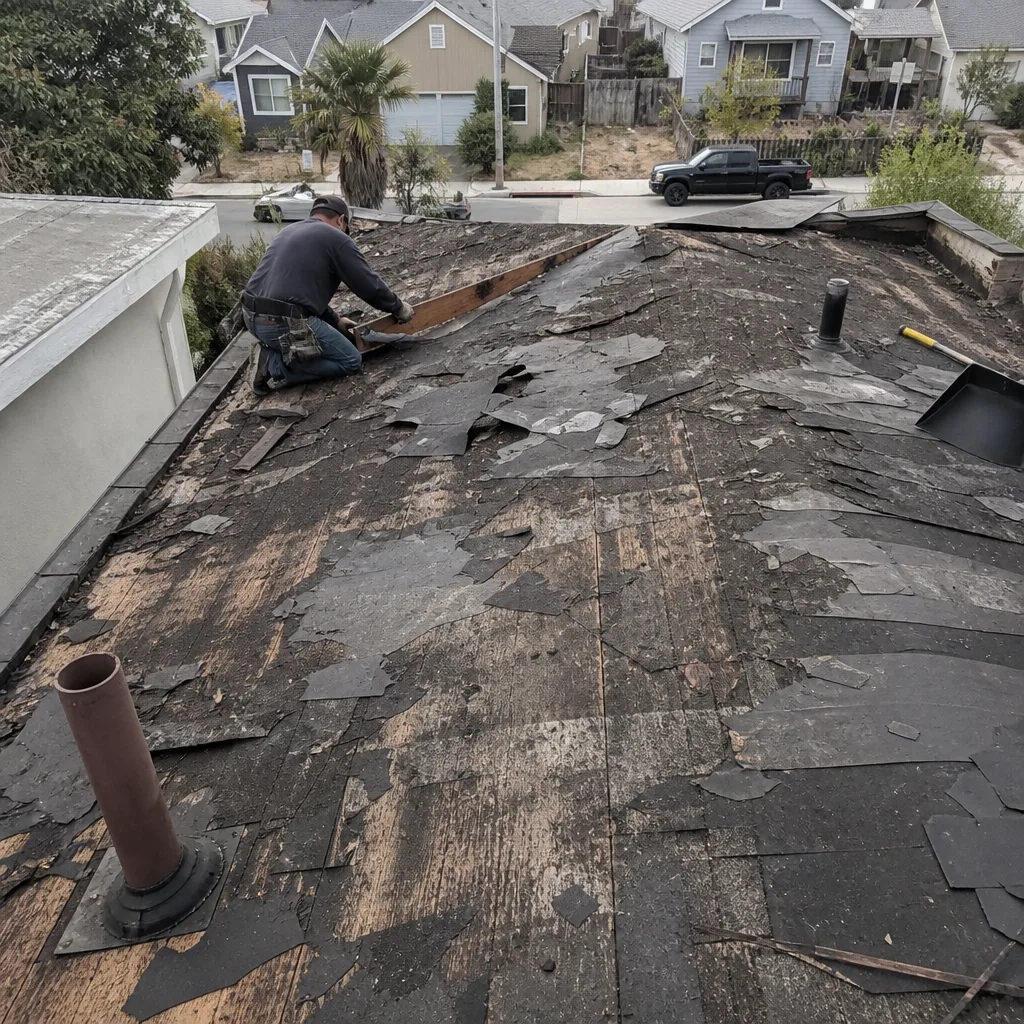 Before
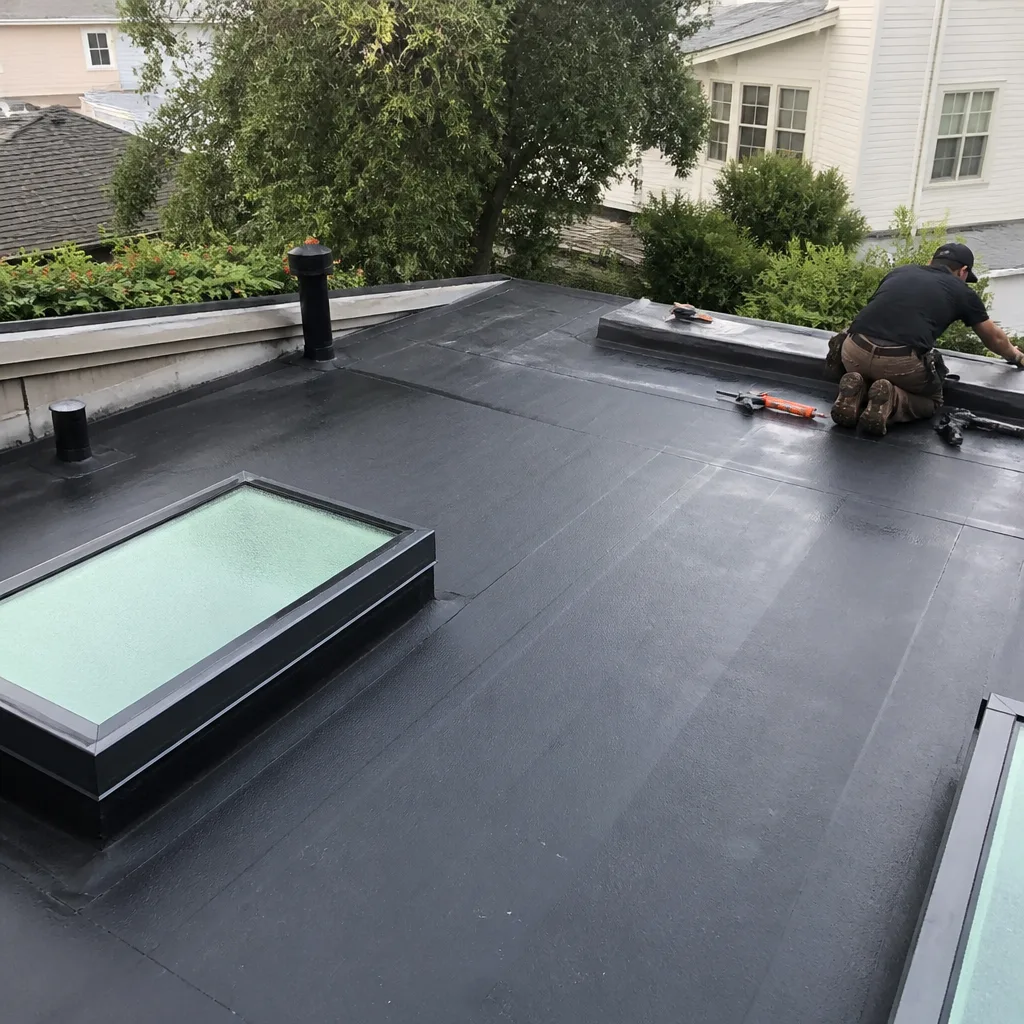 After
After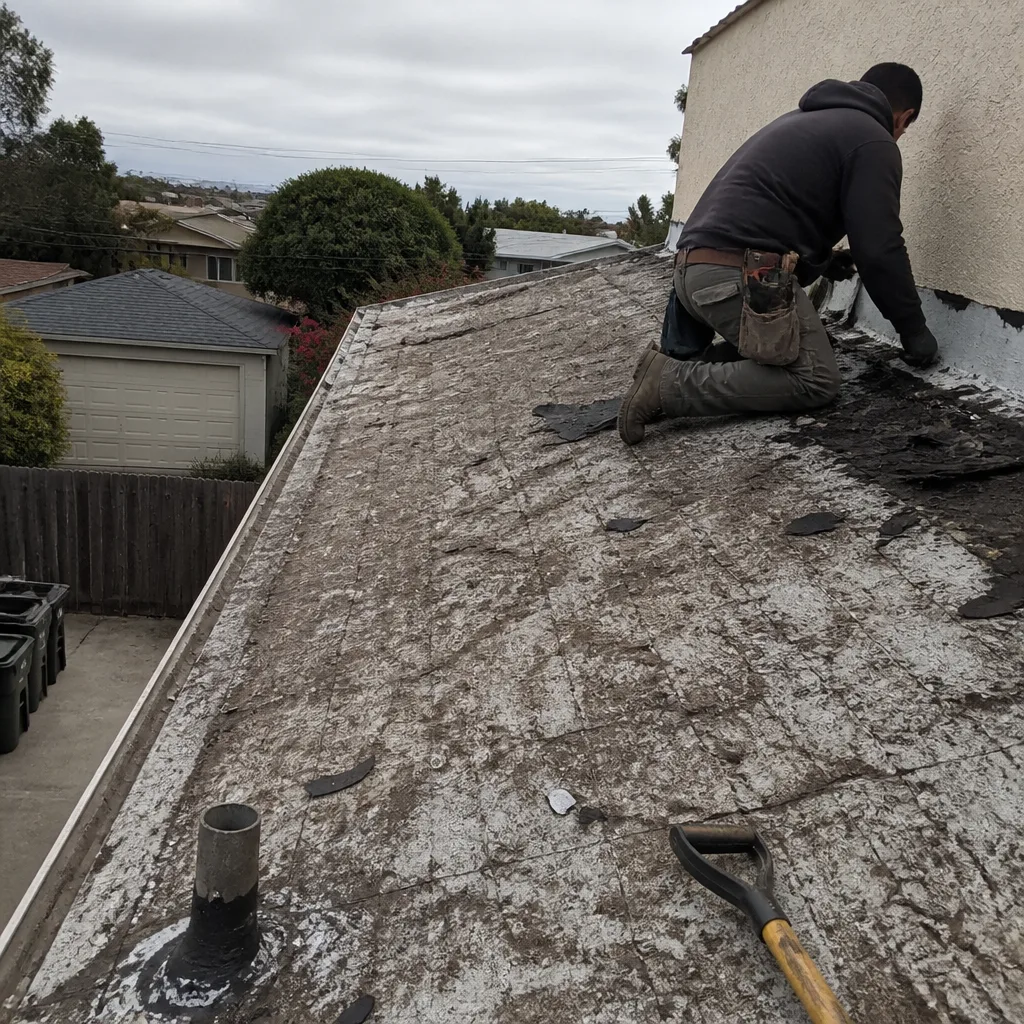 Before
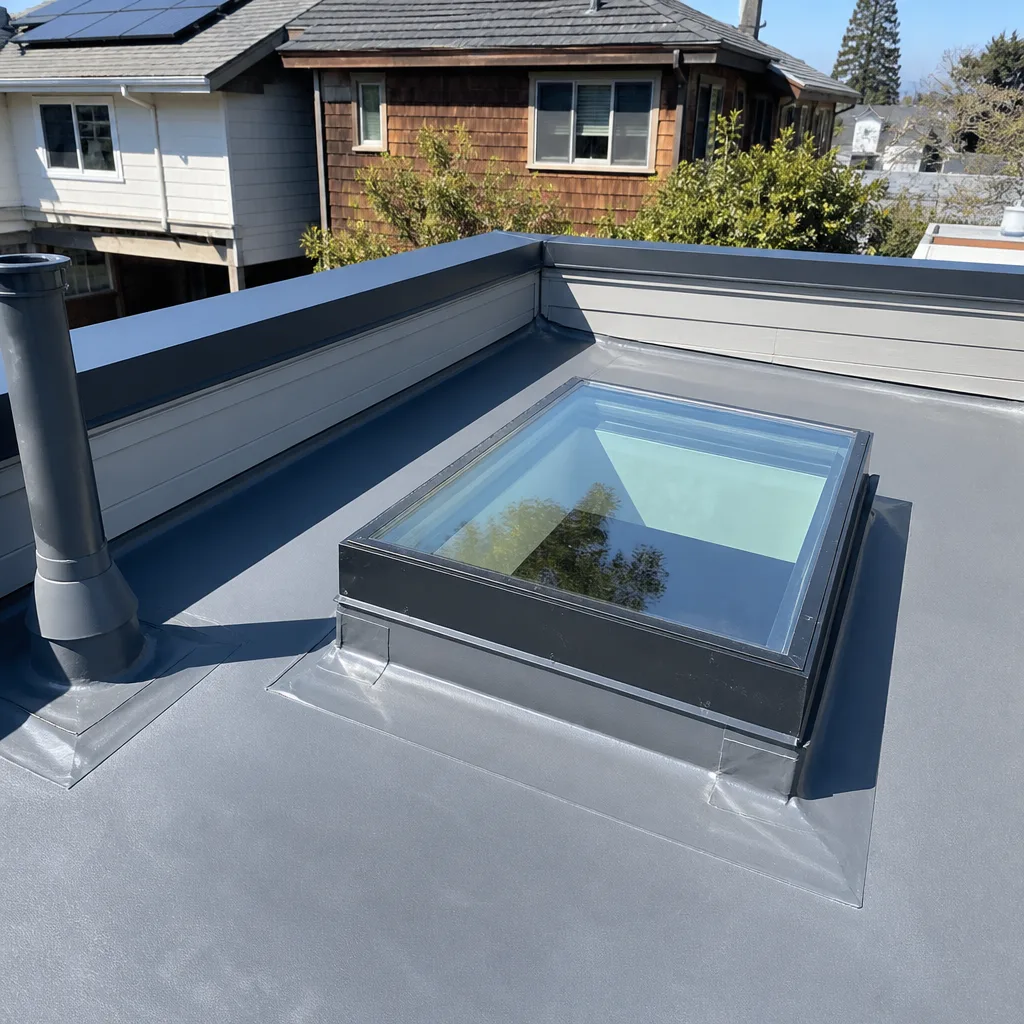 After
After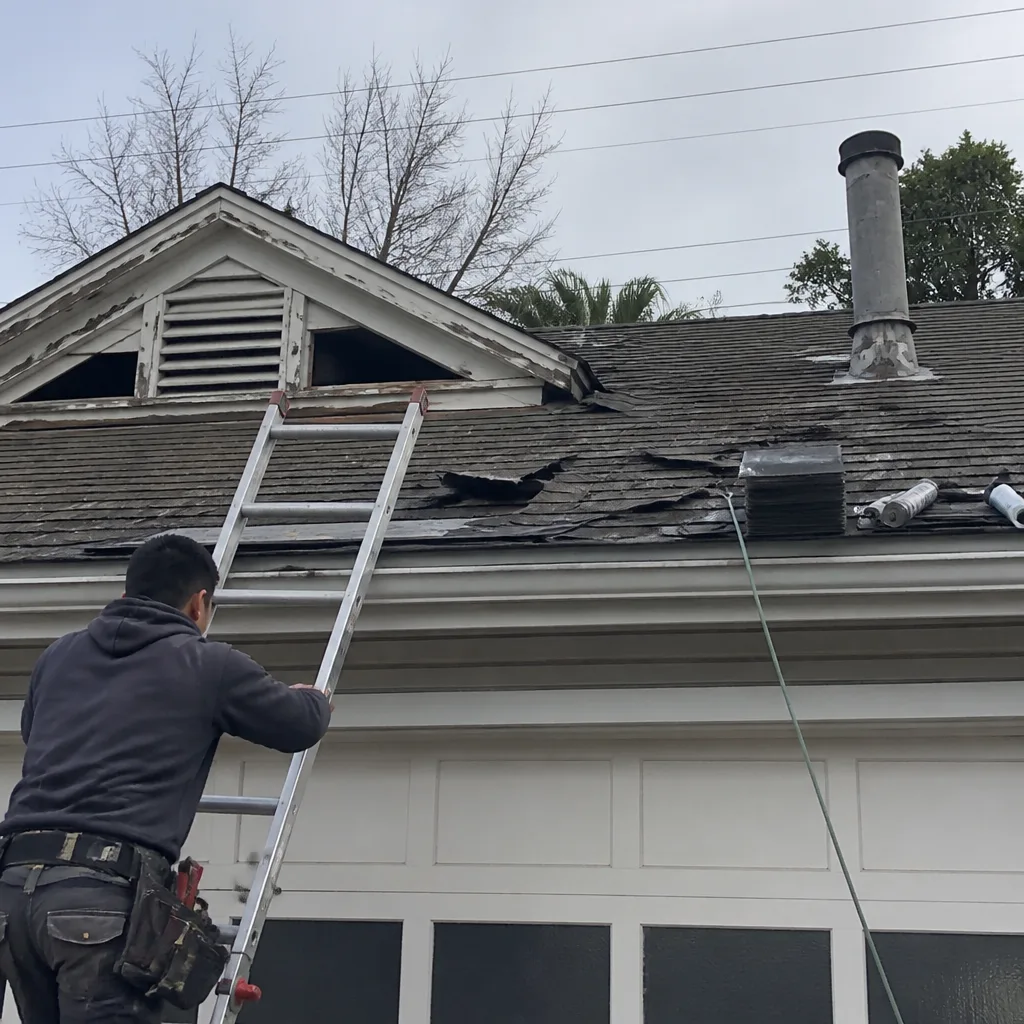 Before
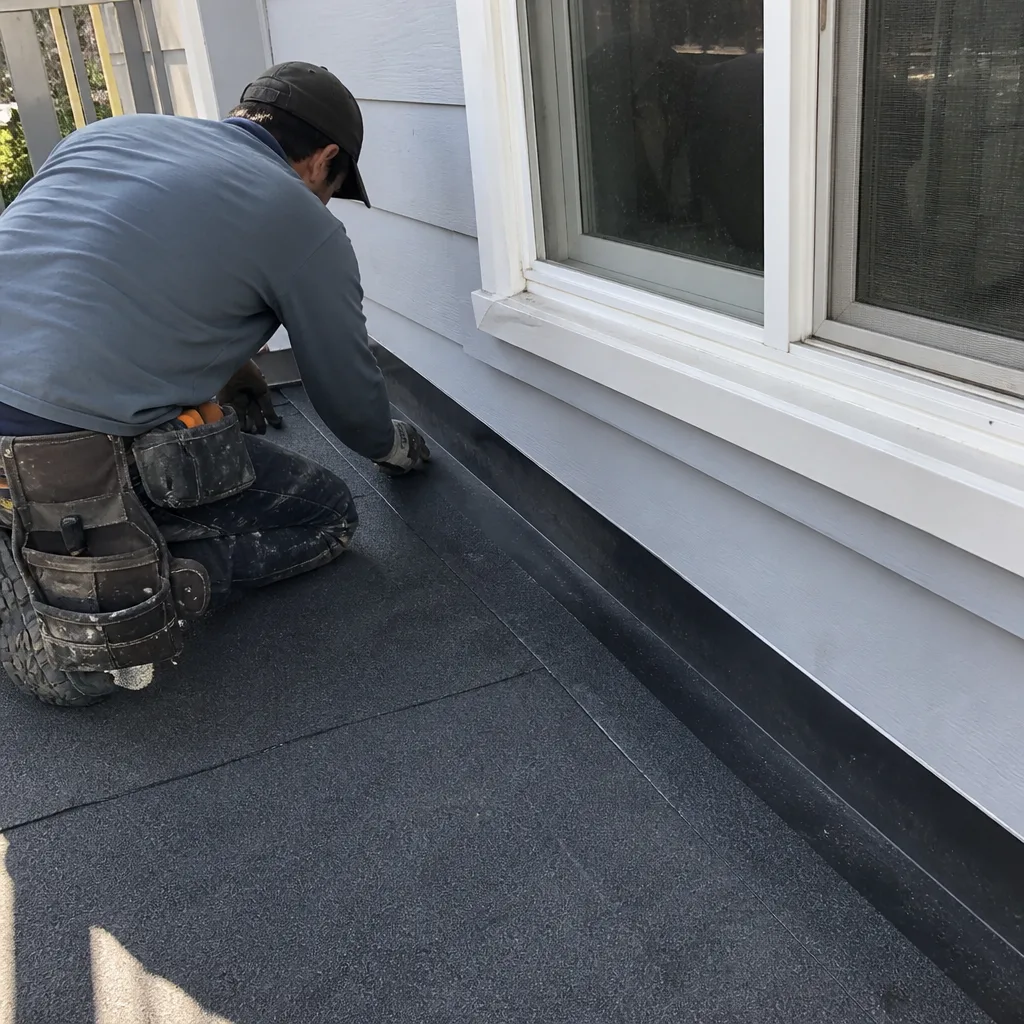 After
AfterDIY or Call Us?
What you can safely check on your own: look along the ridge from the ground with binoculars. See any visible sag, lifting, or gaps? Check inside the attic on a dry day and look for daylight coming through where the vent meets the decking. That tells you a lot. What you should not do is climb up there and start prying vent off a roof you then have to reseal correctly while standing on a San Francisco pitch line. Ridge vent work means cutting a slot in your roof deck. Get it wrong and you’re pulling back shingles, fixing decking rot, and paying more than the original repair would’ve cost.
Most ridge vent replacements take half a day for our crew. If you want a straight answer on cost, call (831) 318-8819 and we’ll walk you through a ballpark over the phone, then get a written estimate on the books.
FAQs
In San Francisco’s marine climate, expect 15 to 20 years from a properly installed Owens Corning ridge vent. The plastic and composite profiles hold up well, but constant fog moisture and UV exposure on clear days eventually make the vent material brittle. If your ridge vent is over 15 years old and showing cracks or sag, start planning for replacement.
Small issues, like a lifted nail line or a separated end cap, can sometimes be resecured. But if the vent profile itself is cracked, warped, or the internal baffle is compromised, patching isn’t worth it. We’ll tell you honestly which situation you’re in. Call (831) 318-8819 to set up an inspection and we’ll give you a straight answer.
A standard ridge vent replacement takes one crew about 4 to 6 hours on a typical San Francisco home. That includes removing the old vent, cutting a clean ridge slot if needed, installing the new Owens Corning vent, sealing all transitions, and cleaning up. Steeper roofs or multi-peak homes can stretch to a full day.
Yes. We keep Owens Corning VentSure strip and rigid roll vent stocked, along with GAF and CertainTeed ridge vent equivalents. That means we can typically handle the job without a second trip to the supplier, which keeps the quote where we said it’d be.
Get a Written Price Before Any Work Starts
If your ridge vent is failing, don’t wait for the attic damage to compound. Call Brennan Roofing Co San Francisco at (831) 318-8819 and we’ll put a specific, written price in your hand before anything gets touched. No pressure, no door-shift pricing, no surprises. Just a roof that holds.
Written by Travis Oakley, Owner, Brennan Roofing Co at Brennan Roofing Co San Francisco, serving San Francisco and nearby areas.