
Last updated October 17, 2026
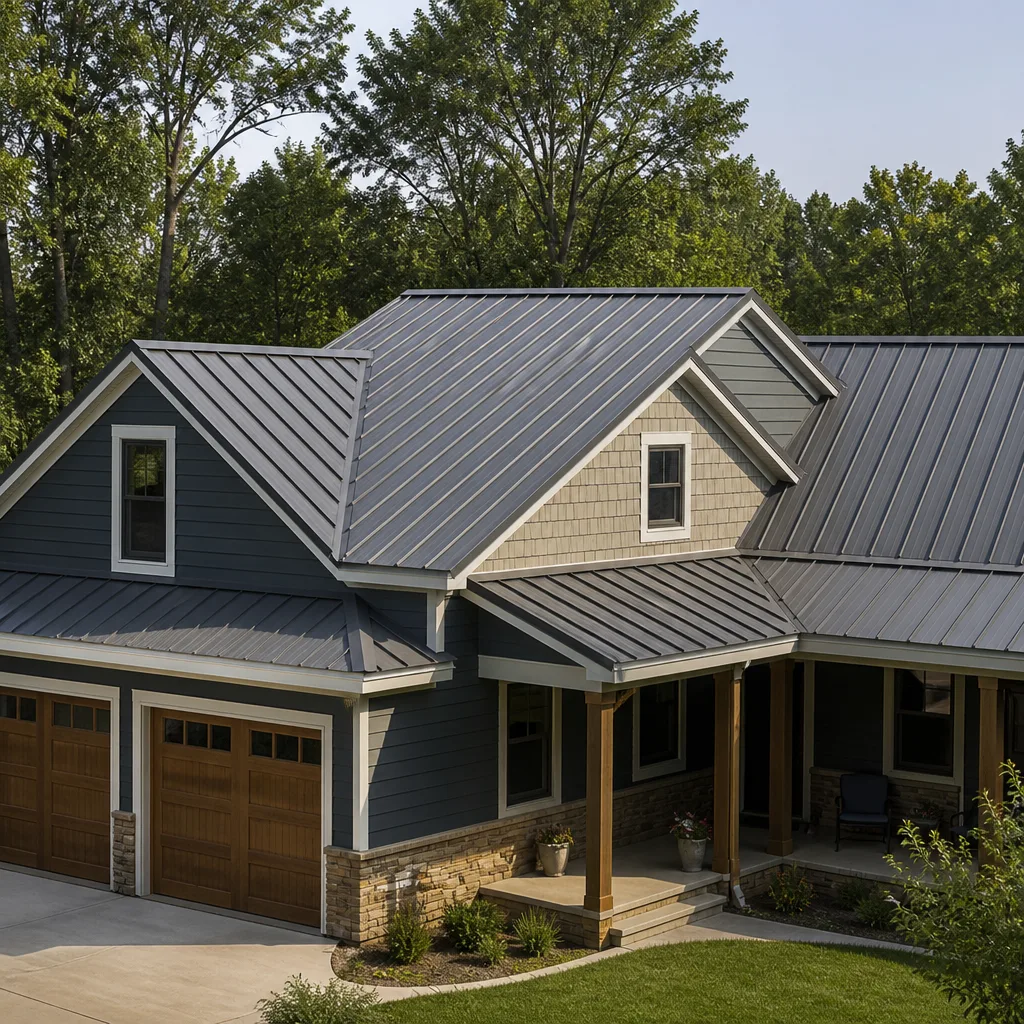 Metal roofing
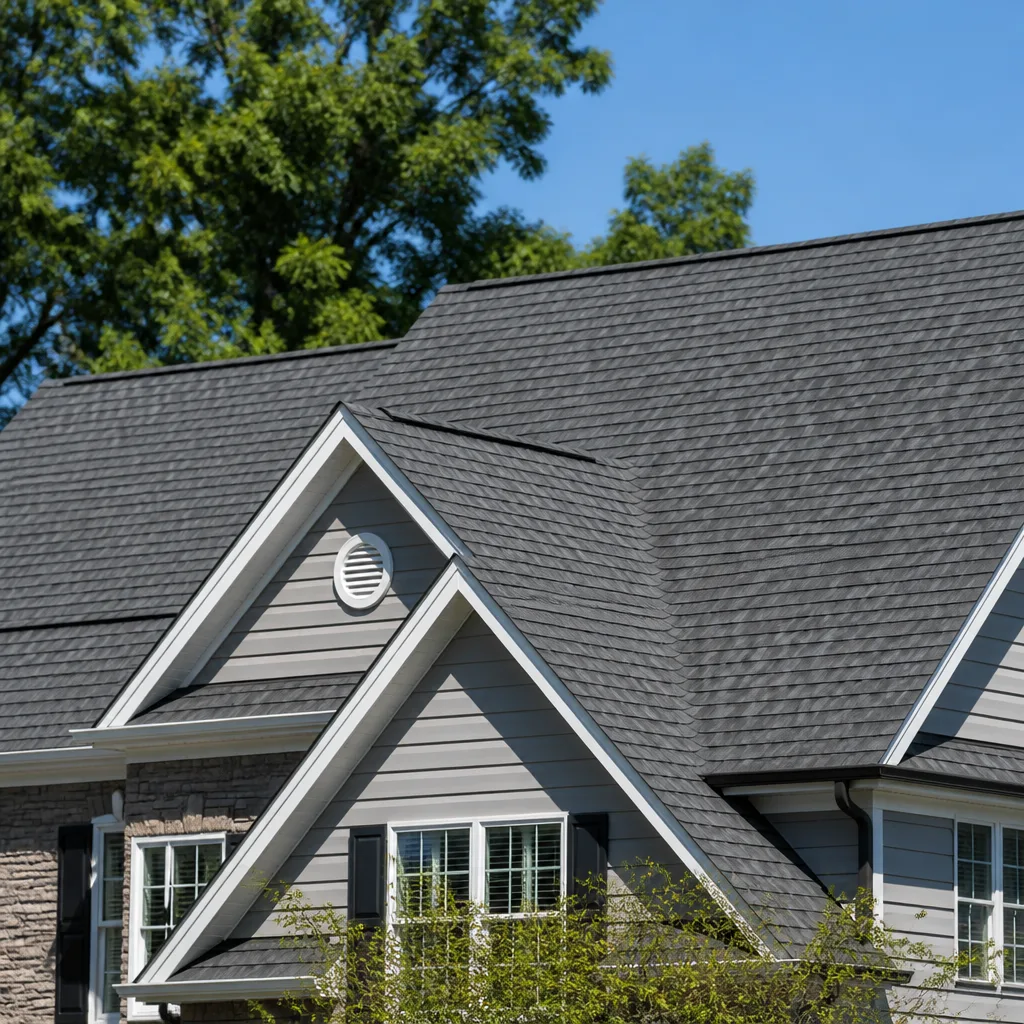 Architectural shingles
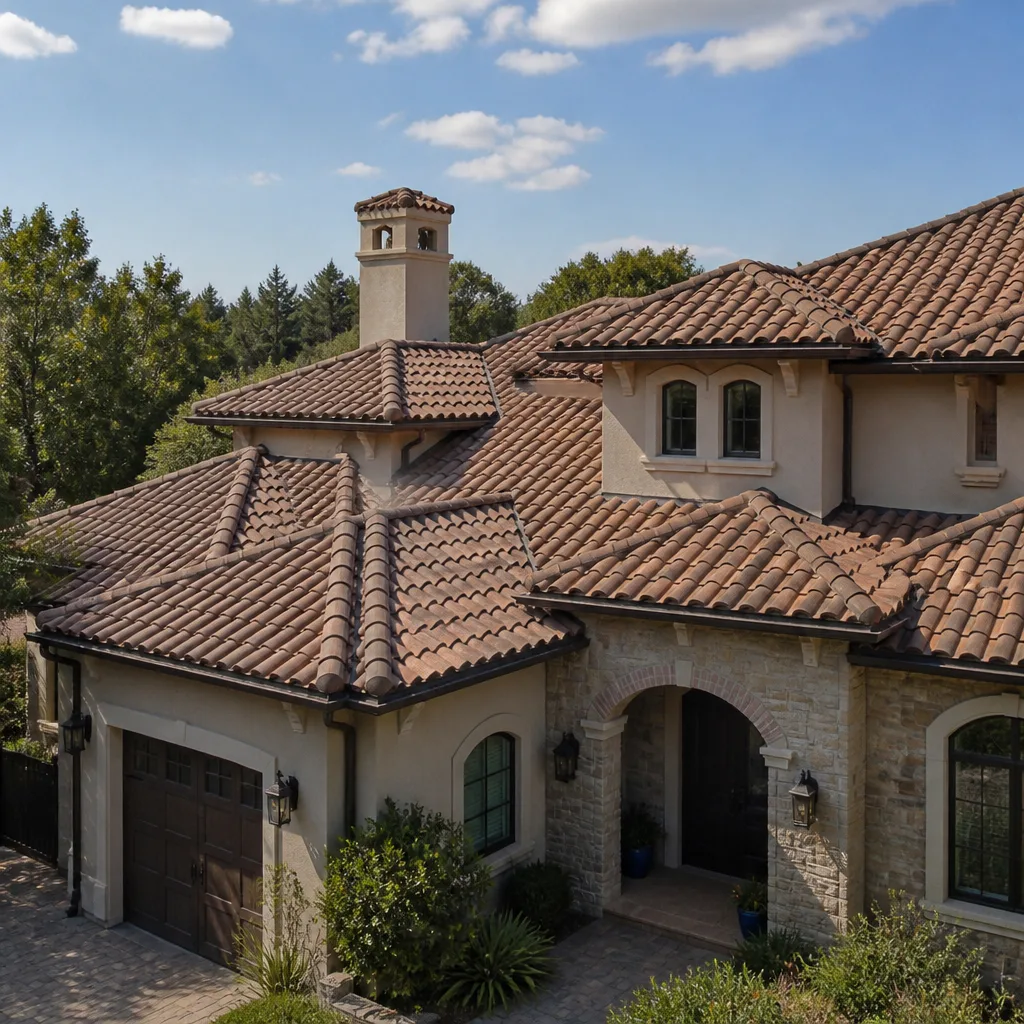 Tile roofing
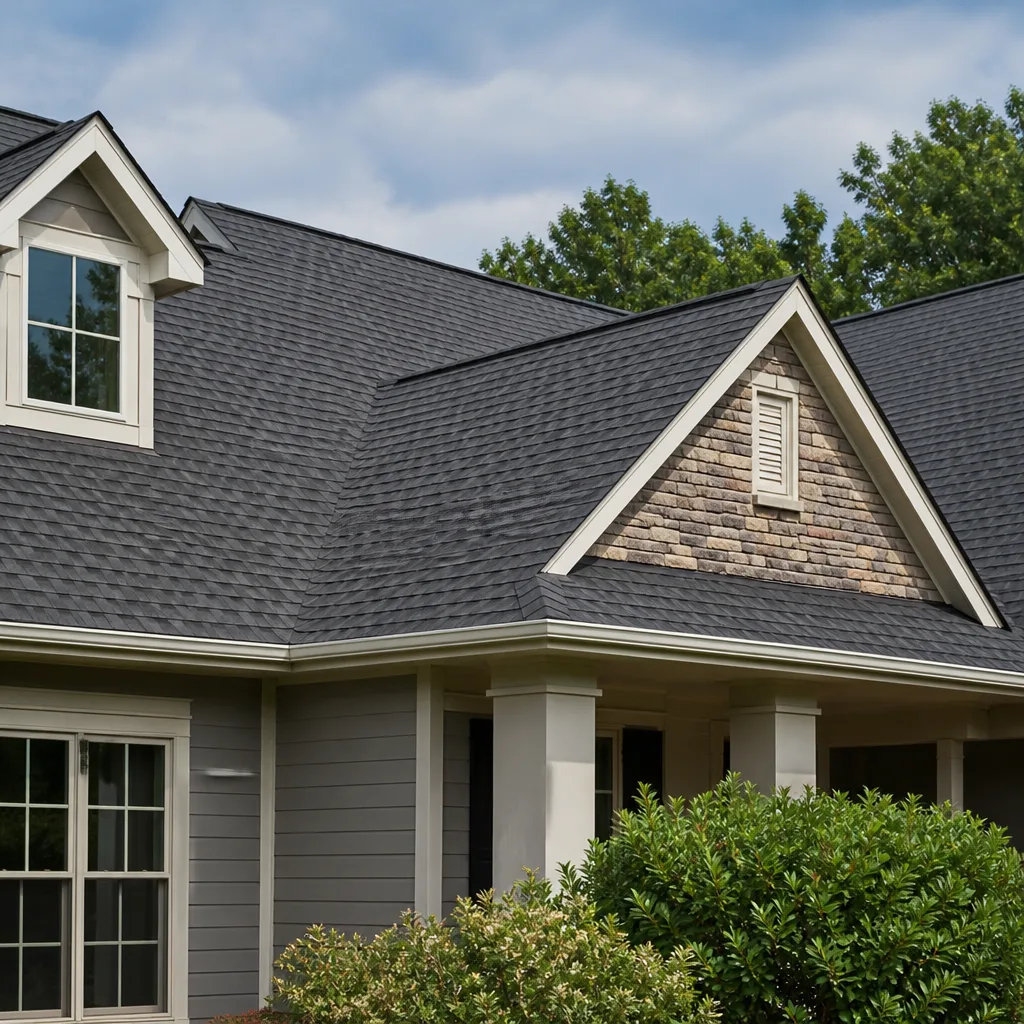 GAF
GAF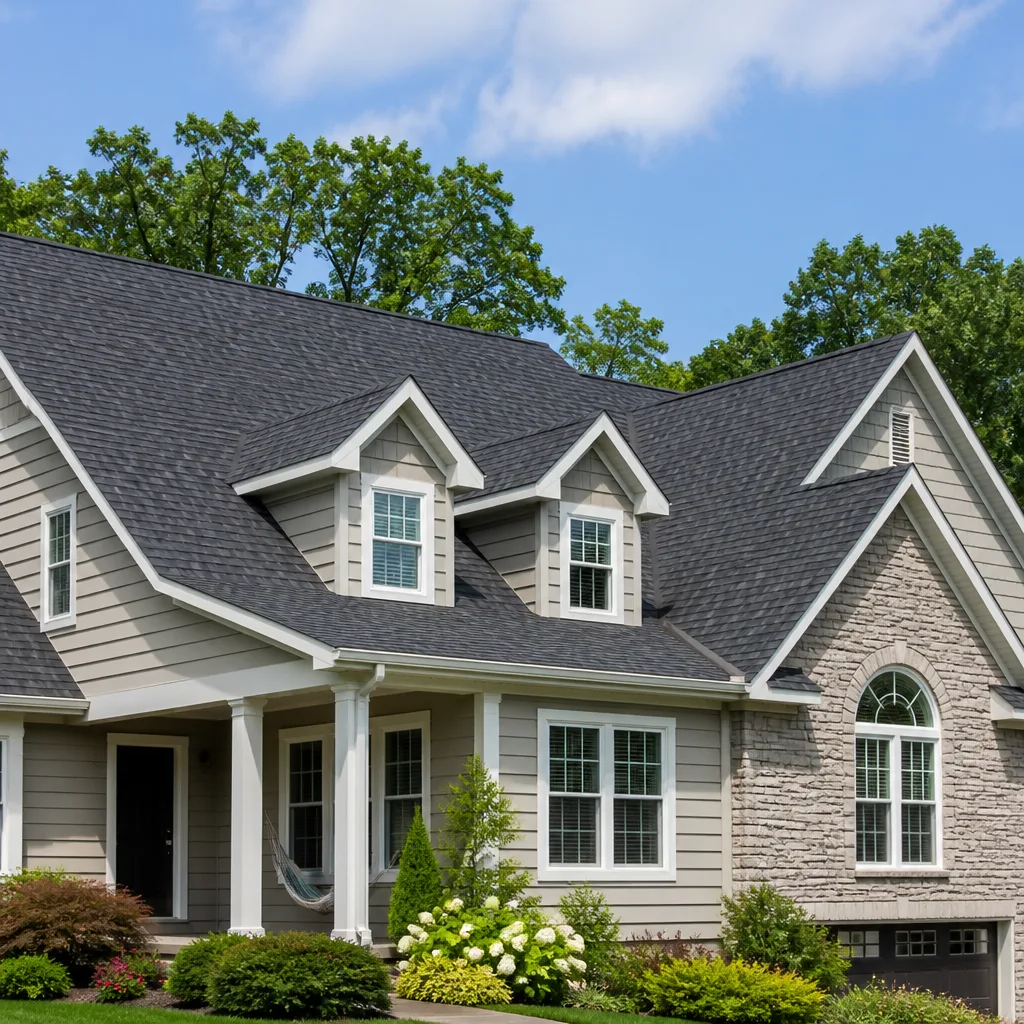 Owens Corning
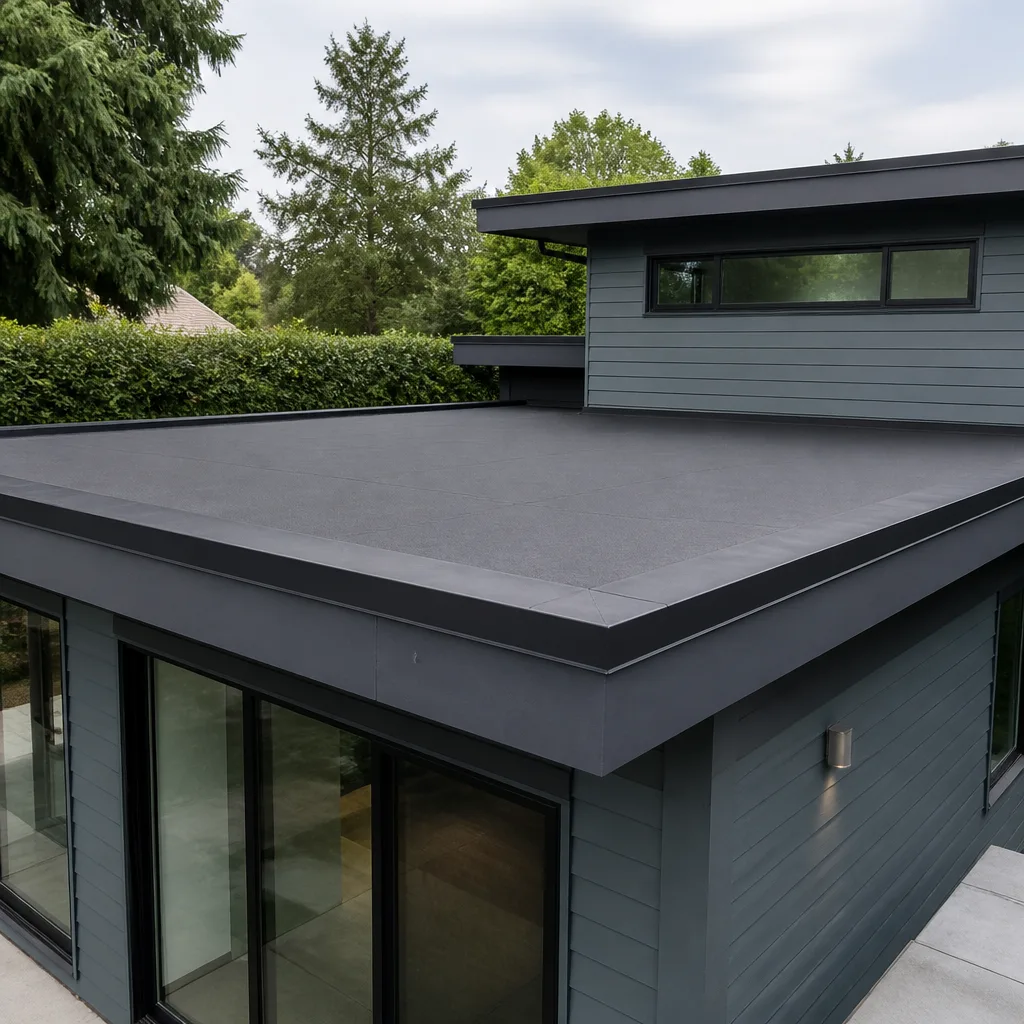 Flat & low-slope
Free roof inspection with deck photos before we talk money - GAF and Owens Corning certified installation
DIY vs Professional Roofing: The San Francisco Homeowner’s Decision Guide
Here is a number that should reset how you think about this question: in San Francisco, a roofing permit for a residential re-roof costs between $400 and $1,200 depending on project valuation, and it comes with a mandatory inspection. If your DIY work fails that inspection, the Department of Building Inspection (DBI) can require you to tear it off and start over. This guide maps exactly where do-it-yourself work is legally and practically viable in San Francisco, where it is not, and what the real cost difference looks like once permits, access, and insurance enter the calculation. For a deeper look at pricing, see our Roofing Cost Breakdown: The San Francisco Homeowner’s Reference for 2026.
Quick Answer
DIY roofing in San Francisco is only practical for small, clearly defined repairs on accessible pitched asphalt shingle roofs, such as replacing a few lifted or missing shingles, resealing a small penetration, or clearing a clogged gutter. Any work involving flat roof membranes, flashing at chimneys or parapets, structural decking repair, or anything that triggers a DBI permit requirement belongs with a licensed C-39 roofing contractor. The cost gap shrinks considerably when you factor in permit fees, tool rental, disposal, and the risk of a failed inspection.
Styles & brands we work with
Table of Contents
- What San Francisco Permit Law Actually Says About DIY Roofing
- Three Roof Repairs Where DIY Is Genuinely Viable in San Francisco
- Three Roof Repairs Where DIY Creates Liability in San Francisco
- Straight Cost Comparison: DIY vs Professional for Three Common San Francisco Repairs
- The Access Problem San Francisco National DIY Guides Ignore
- What a Failed DIY Repair Looks Like on a San Francisco Insurance Claim
- Materials Matter: What Roofers Buy vs What Homeowners Buy
- What a Professional Roofing Job Looks Like from Start to Finish
What San Francisco Permit Law Actually Says About DIY Roofing
California’s Business and Professions Code allows a homeowner to work on their own primary residence without a contractor’s license. What it does not allow is skipping the permit. San Francisco’s DBI requires a building permit for any roofing project that involves replacing more than 25% of the roof area, any structural repair to sheathing or framing, and any re-roof of a flat or low-slope membrane system. The threshold for what counts as “minor repair” under San Francisco Building Code Section 106A is narrower than most homeowners assume.
Here is the practical breakdown of what San Francisco allows you to do without pulling a permit:
- Replace up to 10% of the roof covering on a pitched roof, provided you are not touching the structural decking.
- Re-nail lifted shingles or seal exposed nail heads with roofing cement.
- Replace a single damaged shingle or a small patch no larger than one roofing square (100 square feet) on a pitched roof, as long as the underlayment is intact.
- Clear gutters and downspouts, remove leaf accumulation, and inspect from a ladder.
- Recaulk a small penetration like a vent pipe collar or a single skylight edge, provided you are not replacing the flashing.
Things that trigger a permit in San Francisco, and therefore legally require a licensed contractor under local ordinance:
- Any flat roof membrane work: torch-down, TPO, PVC, modified bitumen, cold-applied, or EPDM. San Francisco has a disproportionate number of flat and low-slope roofs, especially in the Sunset, Richmond, and Mission districts, and the DBI treats these as life-safety systems because a failed membrane means interior water damage within hours.
- Any repair where you remove more than one layer of roofing or expose the decking. Once the deck is visible, the inspector considers the structural system in play.
- Any work involving the roof edge, including drip edge, fascia, or rake board replacement, on a building three stories or taller. San Francisco’s height limits create a lot of three-story Victorians and Edwardians, and the DBI’s fall-protection requirements for anything above a certain height are not optional.
- Any chimney flashing repair, cricket construction, or re-flashing where the counter-flashing is cut into the mortar. Chimney work in San Francisco’s older housing stock often involves brick in poor condition, and a repair that begins as flashing often ends as a partial rebuild.
- Any parapet wall work, coping replacement, or built-in gutter repair on the flat-roof Victorians common in Noe Valley, the Castro, and Pacific Heights.
What homeowners often miss is that the permit itself has a built-in quality control mechanism: the inspection. A DBI inspector will not sign off on work that does not meet current code, which means materials installed to 1990 standards often fail a 2024 inspection. We’ve been called to San Francisco homes where a homeowner’s DIY patch passed visually but failed the inspection because the underlayment did not meet current Title 24 energy and weatherproofing requirements. The homeowner paid for the materials twice: once for the DIY attempt, once for the professional tear-off and re-install.
Three Roof Repairs Where DIY Is Genuinely Viable in San Francisco
Let’s be plain about this: we are a roofing company, but we will not tell you that every repair needs a professional. There are a handful of jobs where a careful San Francisco homeowner with the right ladder, the right fall-protection setup, and a clear understanding of the material can do acceptable work. These are the three we see done competently most often.
1. Replacing Lifted or Missing Asphalt Shingles on an Accessible Pitched Roof
This is the most common DIY roofing repair in San Francisco’s single-family neighborhoods like Glen Park, West Portal, and Miraloma Park. If the roof is a simple gable or hip with a walkable pitch, you can remove a lifted shingle, apply roofing cement under the tab, and press it back down. If a shingle is torn or missing, you can replace it with a matching shingle, assuming you can find one. The catch in San Francisco: the city’s persistent morning fog means asphalt shingles here age differently than inland. They are more likely to be brittle from moisture cycling, and the sealant strip is more likely to have failed. If you are replacing more than two or three shingles and the surrounding shingles crumble when you lift them, that is not a shingle problem, that is a roof age problem, and patching it just delays the inevitable.
2. Re-Caulking a Small Vent Pipe Collar
A vent pipe boot that has pulled away from the pipe is a straightforward fix. You clean the area, apply a proper roofing sealant like a urethane-based product, and tool it into place. You will need to get on the roof, so this is only viable on single-story or two-story homes with safe access. In San Francisco’s Inner Sunset or Parkside, where many homes are single-story stucco boxes with a gentle pitch, this is a legitimate Saturday morning job. The mistake we see most often is homeowners using silicone caulk from the hardware store rather than a roofing-grade sealant. Silicone fails on roofing substrates within twelve months. Use what roofers use.
3. Clearing Debris and Checking Fasteners on a Low One-Story Roof
This is not a repair so much as a maintenance task, but it is the highest-value DIY work available to San Francisco homeowners. For a complete list of what professionals check, see our Roofing Company Maintenance Checklist for San Francisco Homeowners. Flat and low-slope roofs collect pine needles from the Monterey pines and cypress that dominate the city’s western neighborhoods, and those needles hold moisture against the membrane. Twice a year, if you can safely access the roof with a proper ladder and a harness, clearing debris and visually inspecting for punctures, blisters, or seam separation will extend the life of any roof. The inspection is the point, not the cleanup. What you are looking for is anything that looks different from the last time you looked: a new wrinkle in the membrane, a lifted seam, a soft spot that deflects under foot pressure. If you find any of those, you are past DIY and into professional territory.
Three Roof Repairs Where DIY Creates Liability in San Francisco
There are jobs where the DIY question has no nuance. These three are common in San Francisco, they look approachable on a YouTube video, and they are the ones we get called to fix after a homeowner has already spent money on materials and a weekend of work.
1. Flat Roof Membrane Repair
San Francisco has thousands of flat and low-slope roofs, particularly in the Mission, Bernal Heights, and the Inner Richmond, and the membrane systems on those roofs are not forgiving of incorrect installation. Torch-down modified bitumen requires an open flame and a specific technique that takes hundreds of repetitions to develop. Cold-applied systems fail if the temperature or the application thickness is wrong. TPO and PVC require hot-air welding at specific temperatures and speeds. A homeowner who attempts a flat roof patch and gets it 95% right has still installed a leak that will show up in the first winter rain. The material costs less than you think, and the labor costs more than you think, which is exactly the trap that pulls otherwise careful homeowners into a bad decision.
2. Chimney Flashing on Brick Chimneys
San Francisco’s pre-war housing stock is full of brick chimneys, and a brick chimney in this city is not a stable structure. The constant moisture from fog, the salt air, and the freeze-thaw cycles on cold winter mornings break down mortar joints faster than anywhere else in California. When you begin to re-flash a chimney, you often discover that the brick itself is spalling, the mortar is gone, and the cricket behind the chimney was never built to code in the first place. This is structural masonry work disguised as a roofing repair. The correct fix involves cutting reglet lines into the brick, installing new step flashing and counter-flashing, rebuilding the cricket, and often repointing the masonry. None of that is a weekend job.
3. Parapet Wall and Coping Replacement
The Victorian and Edwardian flat-roof row houses that define so much of San Francisco have parapet walls, and parapet walls are the most failure-prone component of the entire building envelope. The coping cap on top of the parapet, usually galvanized metal or in older buildings terra cotta, is the first thing that fails. Water gets behind the coping, saturates the masonry, and travels down into the roof assembly. A homeowner who patches the roof membrane but leaves the parapet alone has fixed the symptom and ignored the cause. A homeowner who attempts the parapet work themselves is now working at height on a building edge, and that is where the city’s fall-protection requirements are most aggressive. The DBI takes parapet safety seriously, and so should you.
Straight Cost Comparison: DIY vs Professional for Three Common San Francisco Repairs
Here is the math, laid out plainly. These are realistic San Francisco numbers for 2025, not national averages. San Francisco’s construction labor rates run 30-40% higher than the national average, and the city’s disposal fees are among the highest in the country. That cuts both ways: professional labor is more expensive here, but so are the hidden costs of DIY.
Repair 1: Replace 5 Missing Asphalt Shingles on a Pitched Roof
- DIY cost: Materials (bundle of matching shingles, roofing nails, sealant): $45-$85. Basic tool kit if you do not already own a roofing nailer: $40-$120 to rent or buy a cheap one. Disposal: $30-$60 for a debris haul if you have old shingles to toss. Total: $115-$265, plus 4-6 hours of your time.
- Professional cost in San Francisco: $350-$650, depending on access and roof height. Most of this is the trip charge and labor minimum, not the materials.
- Actual math: This is the one repair where DIY consistently saves real money, IF the roof is low, accessible, and the existing shingles are in good enough condition that the repair will actually hold. If the roof is three stories up, the professional cost includes fall protection and staged access, and the DIY risk is not worth the savings.
Repair 2: Flat Roof Leak Around a Vent Pipe on a Membrane Roof
- DIY cost: Patching materials for a membrane repair: $80-$200, depending on the membrane type and the size of the patch. The real cost is the risk: a failed patch on a flat roof means water intrusion, a stained ceiling, and a much more expensive repair later. Total DIY outlay: $80-$200, plus the cost of finding the actual leak source, which is harder than it looks.
- Professional cost in San Francisco: $850-$1,800, depending on whether the leak is a simple seam repair or requires opening the membrane, replacing wet insulation, and re-sealing. Most flat roof repairs in San Francisco cost between $1,000 and $2,000 once you account for the investigation.
- Actual math: The DIY savings look real on paper, but flat roof leak repair is not a materials problem, it is a diagnosis problem. Homeowners patch the visible damage and miss the actual entry point, and the leak returns. We see this pattern repeatedly in Bernal Heights and the Mission, where flat roofs dominate and winter storms expose every weak seam.
Repair 3: Full Flat Roof Re-Cover on a Typical San Francisco Row House
- DIY cost: Material for a torch-down re-cover on a 800 square foot flat roof: $1,400-$2,200. Tool rental including a roofing torch kit: $300-$600. Dumpster rental: $500-$800 for a 10-yard bin in San Francisco. Permit fee if you are honest on the application: $400-$600. Total: $2,600-$4,200, plus 3-5 full days of labor, plus the cost of whatever you do wrong.
- Professional cost in San Francisco: $8,000-$14,000 for a full torch-down or TPO re-cover on a standard row house, including permit, disposal, warranty, and the labor of a crew that does this every day.
- Actual math: The gap is smaller than the headline number suggests. The DIY price does not include the cost of a failed inspection, which in San Francisco means paying to have the work removed and redone by someone with a C-39 license. It also does not include the warranty, which on a professional job covers the workmanship for a year or more. A DIY re-cover is self-warrantied, and you are the only person on the hook when it leaks.
The Access Problem San Francisco National DIY Guides Ignore
Most national DIY roofing content is written for a house that sits on a flat lot with open space on all four sides. That house exists in San Francisco, but it is not the norm. The city’s housing stock presents an access problem that affects both the DIY homeowner’s safety and the professional contractor’s price.
Here is what we deal with on San Francisco job sites that a national guide never mentions:
- Steep lots: The classic San Francisco hilltop home in Russian Hill, Potrero Hill, or the Excelsior sits on a downward slope, which means the rear of the house may be 4 or even 5 stories off the ground from the back. Ladder access becomes impossible, and staging is required. A homeowner who decides to climb a 40-foot extension ladder on a hill needs to be honest with themselves about the consequences of a fall.
- Attached row houses: The Mission, the Haight, and the Western Addition are full of attached buildings where there is no side access to the rear roof. The only way to reach the back of the house is from the front, over the ridge, or through a neighbor’s interior access. That changes the way materials are staged, the way waste is handled, and the way the job is priced.
- Three-story Victorians: Noe Valley, Pacific Heights, and the Castro have blocks of three-story wood-frame Victorians, and the roof is 35 to 45 feet off the sidewalk. At that height, even a simple shingle replacement requires a full safety harness, a properly anchored ladder, and a second person to foot the ladder. Professional crews on these jobs bill $400 to $800 just for the staging and access setup before the first shingle is touched.
- No parking for debris: San Francisco’s street parking situation is what it is, and a roofing job generates debris. A DIY homeowner who strips off old shingles and puts them in a dumpster needs a dumpster permit, which in San Francisco costs $100-$300 depending on the street and the duration. Professional contractors build this into the price, but the homeowner discovering it for the first time is often shocked.
This access problem is not a minor inconvenience. It is the single biggest reason we see San Francisco homeowners abandon DIY roof projects halfway through. The physical reality of working on a three-story house on a steep street with no side access is fundamentally different from the job shown in the video they watched, and at that point the work has been started and someone has to finish it.
What a Failed DIY Repair Looks Like on a San Francisco Insurance Claim
This is the section that most DIY guides skip, and it is the section with the highest financial stakes in San Francisco. Here is the uncomfortable truth: if you do roofing work yourself, without a permit, and that work fails and causes interior damage, your insurance company has well-established language for denying the claim.
Adjusters do not need to prove you did the work poorly. They need to establish that the work was done by an unlicensed individual without a permit, and under most California homeowners policies, the damage caused by unpermitted work is excluded. The standard exclusion language covers “damage caused by faulty, inadequate, or defective workmanship, construction, or repair,” and courts in California have repeatedly upheld denials where the homeowner performed the work themselves without a permit.
The claim scenario we hear about most often from San Francisco homeowners goes like this: a homeowner patches a flat roof seam in September, a winter storm in January finds the weak spot, water pours into the living room of a Mission District condo or a Sunset District bungalow, and the homeowner files a claim for the ceiling damage, the floor refinishing, the electrical work, and the drywall. The adjuster asks who repaired the roof. The homeowner says, honestly, that they did it themselves. The claim is denied, the homeowner is out of pocket for the entire interior repair, and the roofing problem still has to be fixed.
The same repair done by a licensed contractor with an invoice and a warranty triggers coverage. The insurance company files a subrogation claim against the contractor’s liability insurance, and the homeowner’s property damage is covered. That single difference, the presence of a license and an invoice, is worth thousands of dollars when a San Francisco winter storm hits a compromised roof.
A licensed contractor’s work also carries an implied warranty of workmanship under California law. A DIY repair carries no warranty at all. When the homeowner’s repair fails, there is no one to call. When a professional repair fails, the contractor is obligated to return.
Materials Matter: What Roofers Buy vs What Homeowners Buy
There is a material access gap in roofing that most homeowners never see until they attempt DIY work. Roofing supply houses in San Francisco, like Beacon and ABC Supply, primarily sell to licensed contractors. A homeowner can buy individual shingles and tubes of sealant at a hardware store, but they cannot buy the full range of roofing materials that a professional roofer uses on every job.
The relevant difference is underlayment. A professional roofing crew installing a new roof in San Francisco uses synthetic underlayment with a high tear rating, specific to the material system being installed above it. A homeowner buying materials at a retail store gets what is available, which is often a lower-grade product. The same is true for flashing metals, which are sold in different gauges and alloys for different applications. The 26-gauge galvanized steel a professional uses for step flashing is not what most hardware stores stock.
Brand matters less than homeowners assume, and more than they realize. We install materials from GAF, Owens Corning, IKO, and others, and the reason is not aesthetic. These manufacturers provide written warranties, technical support, and material systems that are designed to work together: the underlayment, the shingles, the ridge caps, the ventilation. A homeowner buying materials piecemeal at retail prices is assembling a system from parts that were never designed to work together, and the warranty is whatever the store’s return policy is.
For flat roofs, the differences are even sharper. Professionally installed TPO or PVC systems from manufacturers like IKO and CertainTeed come with material warranties that range from 15 to 30 years, but those warranties are only valid when the system is installed by a licensed contractor. A homeowner who buys membrane material and installs it themselves gets no warranty at all, because the manufacturer has no way to verify the installation quality.
What a Professional Roofing Job Looks Like from Start to Finish
Part of the DIY decision is understanding what you are actually paying for when you hire a professional. This is what a proper roofing job looks like in San Francisco, step by step, from the contractor’s side.
- Written price before anything else: A professional roofer in San Francisco should give you a written estimate before any work begins. Not a verbal ballpark, not a “we will see how it goes.” A line-item price on paper. This is the Garrison Standard, and it exists because homeowners have been burned by roofer who shift their price at the door. If a contractor will not put the price in writing, walk away.
- Permit pulled: For any job that requires a permit, the contractor pulls it. You should see the permit number. The permit is your protection: it means the work will be inspected, and it means the contractor’s license is on file with the DBI.
- Site protection: Tarps on your landscaping, plywood over your windows, magnet sweep for nails after tear-off. This is not optional, and a contractor who skips it is a contractor who leaves roofing nails in your driveway.
- Tear-off and deck inspection: The old roof comes off, and the decking is inspected. In San Francisco, older homes often have 1-by-6 tongue-and-groove decking that may need sections replaced due to years of moisture from fog. This is where hidden costs emerge, but a good contractor flags them before the job starts and includes a contingency allowance in the written estimate, rather than hitting you with a surprise change order.
- Proper installation to manufacturer spec: Underlayment, flashing, roof covering, ventilation: each layer is installed according to the manufacturer’s written instructions, because that is what preserves the warranty.
- Cleanup and disposal: The job site is left clean, the nails are swept, the debris is hauled away. In San Francisco, this means a permitted dumpster or waste bin if the job requires street parking.
- Final walkthrough with you: The contractor walks the completed roof with you, or at minimum provides photos and a summary of what was done, what was found, and what the warranty covers.
Our process at Brennan Roofing follows this exact sequence. Every job gets a written price before work begins. Every technician who steps onto your roof is background-checked and in uniform. Every job is backed by the 365-Day Done Right Promise: a written guarantee for one full year, with a free return visit at no charge if the repair or installation fails within that period. And the phone is answered by a live person around the clock.
Common Mistakes to Avoid
- Starting a flat roof repair without finding the actual leak source. Flat roof leaks travel. The water stain on your ceiling is often 10 to 20 feet from the actual penetration in the membrane. Patch the visible spot without tracing the water path, and you have done nothing but spend a weekend.
- Underestimating San Francisco’s wind exposure. The city consistently records some of the highest peak wind gusts in the Bay Area, especially on west-facing slopes. A DIY shingle repair that is not nailed to spec will be in your neighbor’s yard by March.
- Using the wrong sealant. Silicone does not bond to roofing substrates. Use a urethane-based or modified-bitumen sealant for roofing applications. The wrong product fails within one season in San Francisco’s damp climate.
- Skipping the permit on a re-roof. San Francisco’s DBI does not issue retroactive permits for roofing work. If you do the work without a permit and it is discovered, the permit you eventually pull will involve opening the work for inspection, and that is more expensive than the permit would have been in the first place.
- Ignoring fall protection on a steep or high roof. A fall from a three-story San Francisco Victorian is not a sprained ankle. It is a life-altering injury, and it is the most common way DIY roofers end up in the emergency room.
- Assuming your homeowners insurance covers DIY roof work. As covered above, the opposite is true in most cases. A DIY repair that fails voids the coverage you were counting on.
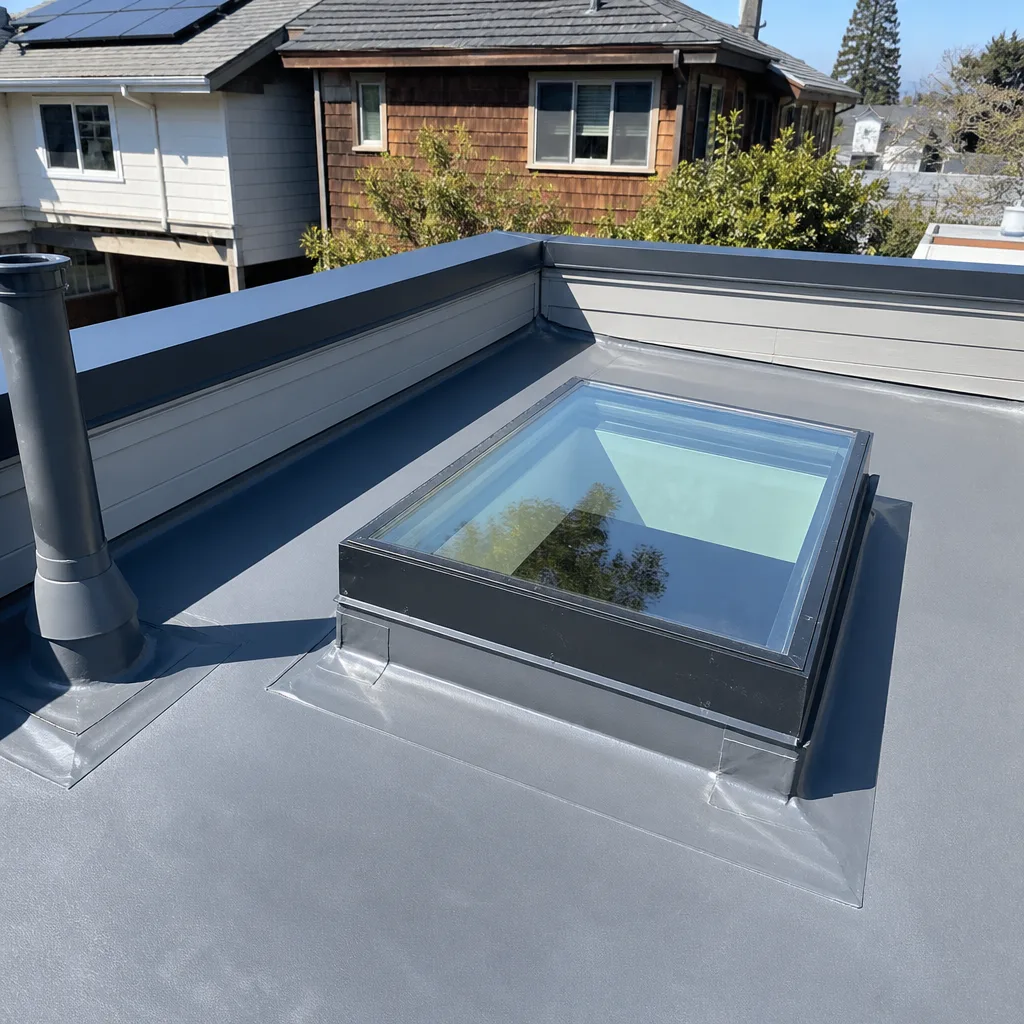
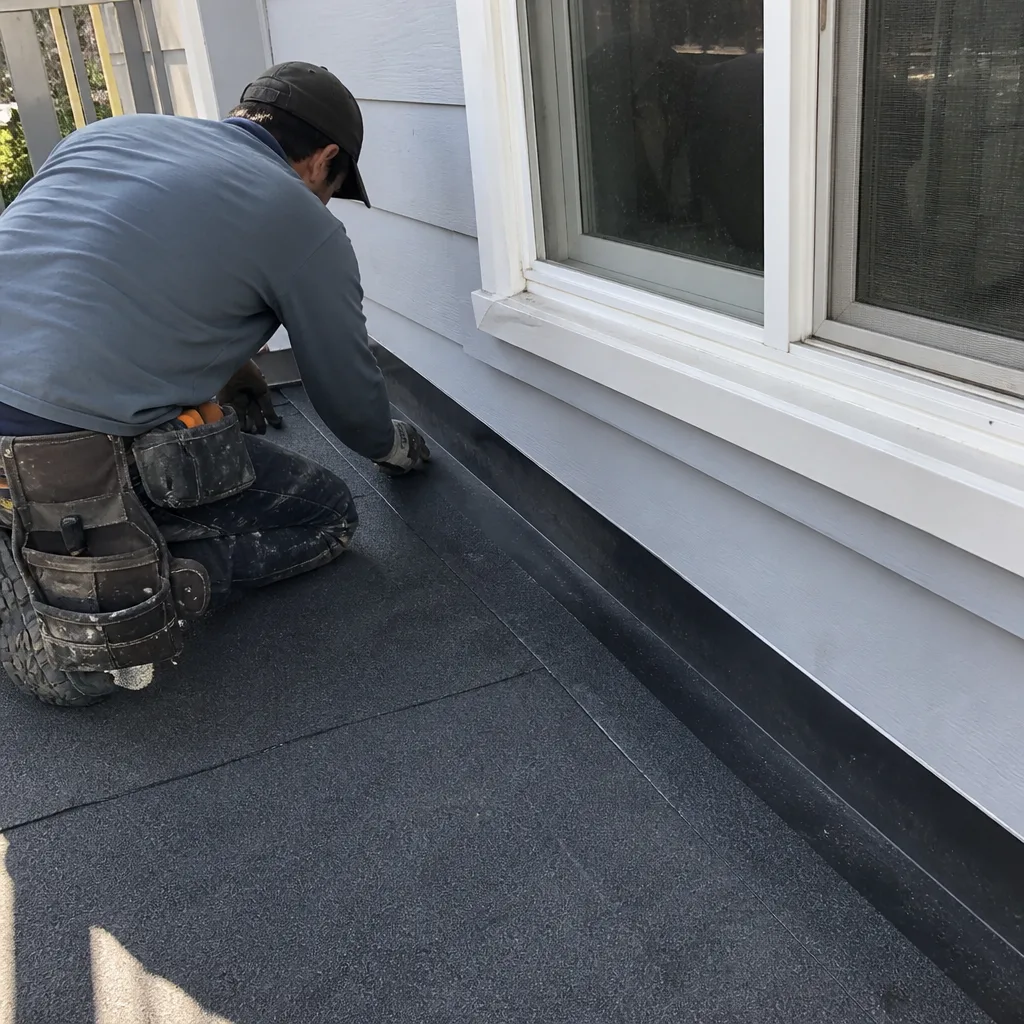
See the difference
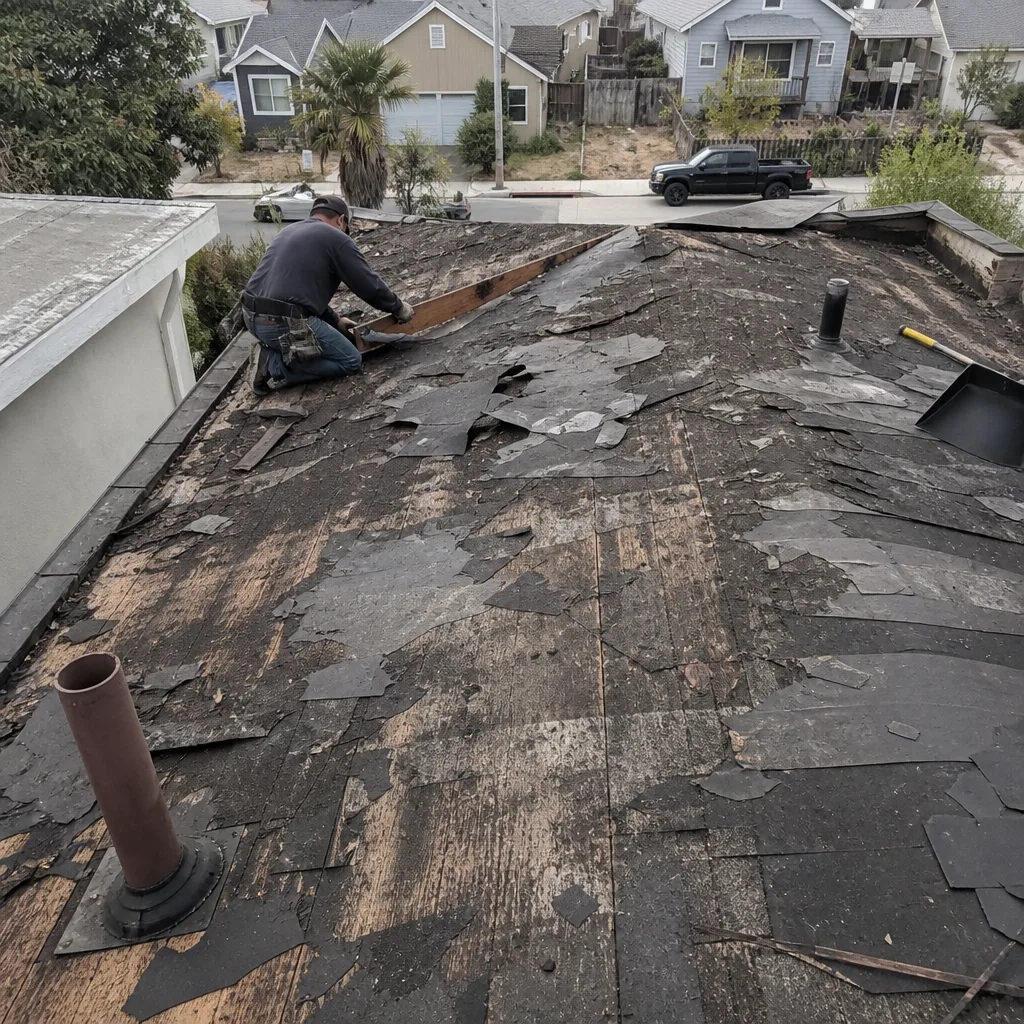 Before
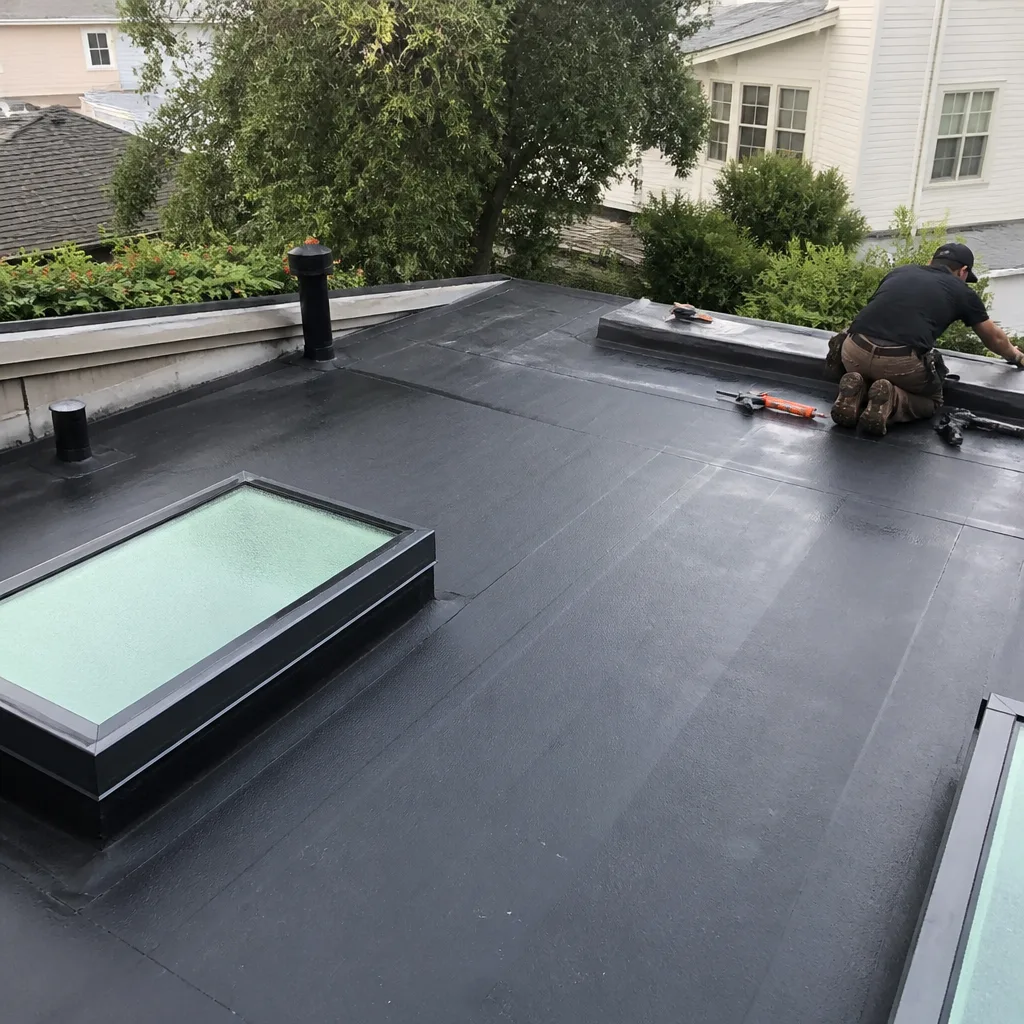 After
After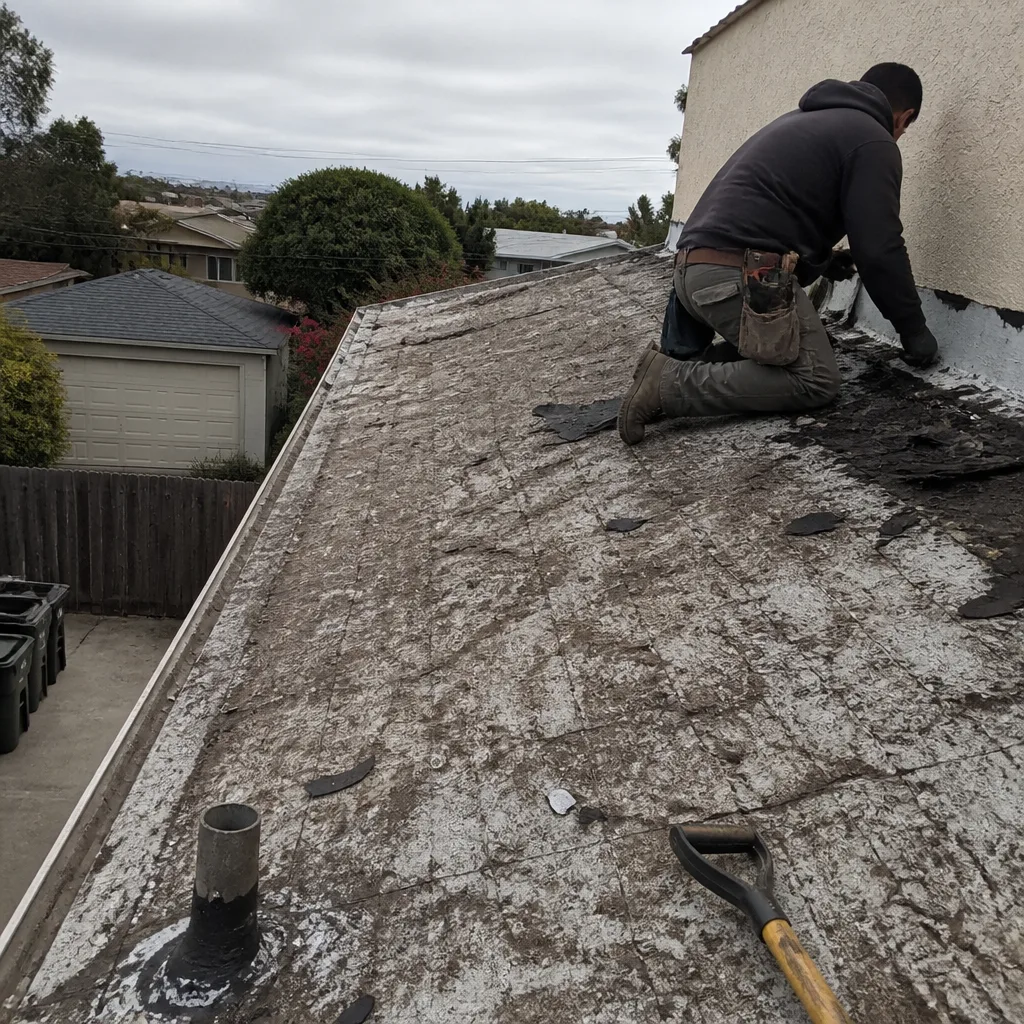 Before
 After
After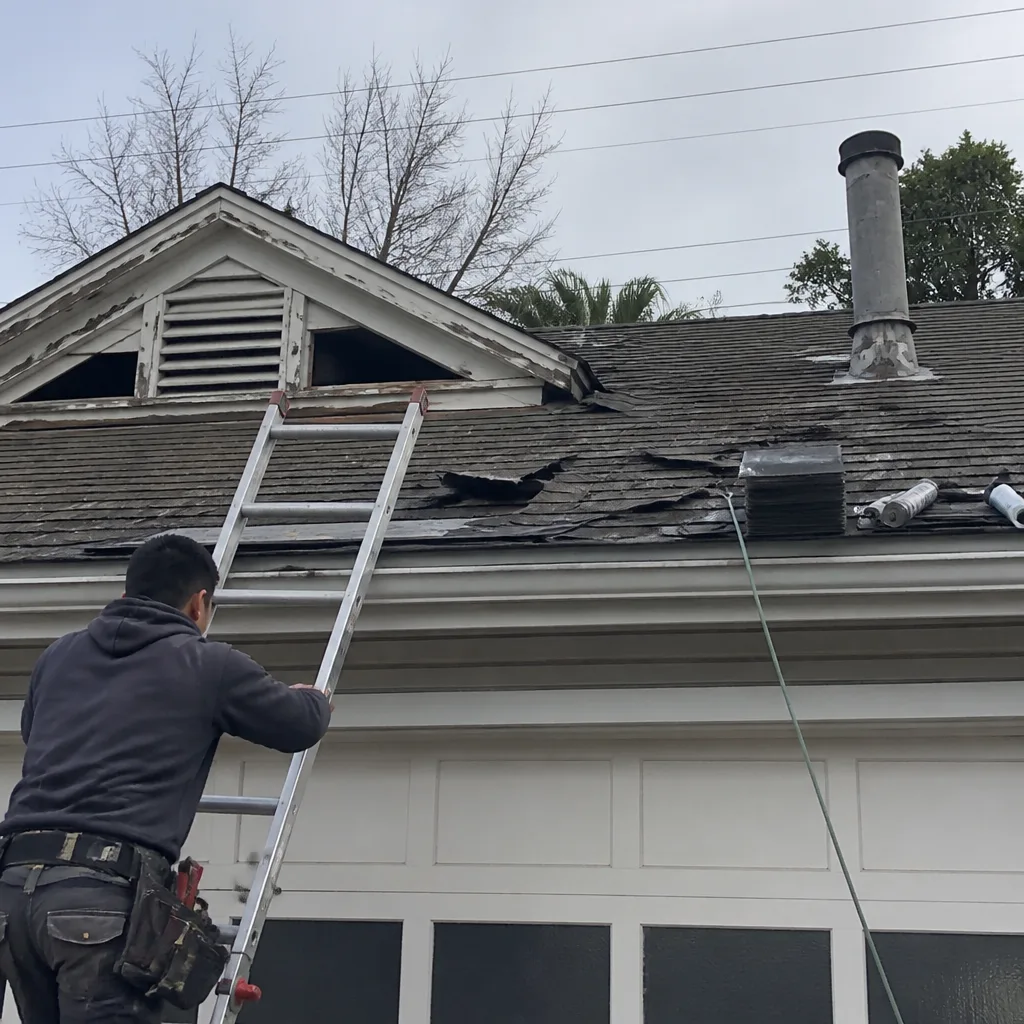 Before
 After
AfterWhen to Call a Professional
Call a professional if the repair involves a flat roof membrane, a chimney flashing, a parapet wall, any structural decking, or any roof that is more than one story off the ground without safe access. Call a professional if you have already attempted a repair and the leak persists or returns. Call a professional if you are not sure whether the work requires a permit, because in San Francisco the answer is usually yes. If you need help choosing, read our How to Hire a Roofing Contractor in San Francisco: A Step-by-Step Guide. And call a professional if the roof is simply at the end of its service life: patching a 25-year-old roof is spending money to delay the inevitable. Brennan Roofing Co San Francisco offers free estimates throughout San Francisco, with a written price before any work begins. Call (831) 318-8819 to schedule yours.
Frequently Asked Questions
Yes, California law permits homeowners to work on their own primary residence without a contractor’s license, but San Francisco’s DBI requires a building permit for most roofing work beyond minor repairs, and a permit can only be pulled on work that will be performed to code. In practice, a homeowner can replace a few shingles or caulk a small penetration without a permit, but anything larger triggers a permit requirement, and at that point you are working under inspection.
A residential roofing permit in San Francisco typically costs between $400 and $1,200 depending on the project valuation, with flat roof re-covers and full tear-offs landing at the higher end. The permit fee includes at least one inspection. Call (831) 318-8819 if you want a clear picture of what a specific project will cost, including the permit, before you commit to anything.
You pay for the damage. Your homeowners insurance likely will not cover water damage caused by unpermitted, unlicensed work, and the repair itself carries no warranty. If the failure is discovered during a future permit inspection or a home sale, you may be required to tear off the work and have it redone by a licensed contractor. The upside of a professional repair is that the contractor’s warranty covers workmanship, and the contractor’s insurance covers liability.
Three reasons: access, regulation, and labor. San Francisco’s housing stock consists largely of attached row houses and three-story Victorians on steep lots, which means staging, fall protection, and careful material handling add hundreds of dollars to every job. The DBI’s permit and inspection requirements add cost and time. And San Francisco’s construction labor rates run 30-40% above the national average because the cost of living here is what it is. The price is not arbitrary; it reflects the physical and regulatory reality of roofing in this city.
A written price before any work starts is the first screen. If the number is not on paper, the roofer can change it at the door, and that is exactly the experience too many San Francisco homeowners have had. Beyond that: verify the license is active with the California State License Board, ask whether technicians are background-checked, and confirm what the warranty covers and for how long. The Garrison Standard is our answer to these questions: a written price, background-checked uniformed technicians, and a 365-day written guarantee on every job.
Yes. Brennan Roofing Co San Francisco provides free estimates throughout the city, including the Mission, the Sunset, the Richmond, Noe Valley, Bernal Heights, and every neighborhood between. Call (831) 318-8819 and a live person will answer, day or night, and we will schedule a time for a technician to assess your roof and put the price in writing before any work begins.
The Bottom Line
The DIY vs professional roofing question in San Francisco answers itself once you know three things. First, the city’s permit requirements push most meaningful roofing work into licensed professional territory, and the inspection system has teeth. Second, the cost gap between DIY and professional closes significantly when you account for permits, disposal, tool rental, and the cost of a failed inspection. Third, the access constraints of San Francisco’s housing stock, steep lots, attached row houses, and three-story Victorians, make DIY work physically dangerous in ways that national guides never address. Small shingle repairs on accessible roofs are a legitimate homeowner task. Everything else belongs with a licensed contractor who puts the price in writing and stands behind the work. For more guides & resources, visit our blog, or call Brennan Roofing Co San Francisco at (831) 318-8819 for a free estimate, and you will have a written price before any work begins.n number before any work begins.
Explore more from our team: our comprehensive Roofing Company in San Francisco page covers the full scope of what we install and repair, while our Roof Repair in San Francisco guide breaks down common repair scopes and pricing. If you are unsure what condition your roof is in, our Roof Inspection in San Francisco page explains what a professional inspection covers. And if you are new to us, start at the Brennan Roofing Co San Francisco home page to see how we work.
Written by Travis Oakley, Owner at Brennan Roofing Co San Francisco, serving San Francisco since 2000.