
 Metal roofing
 Architectural shingles
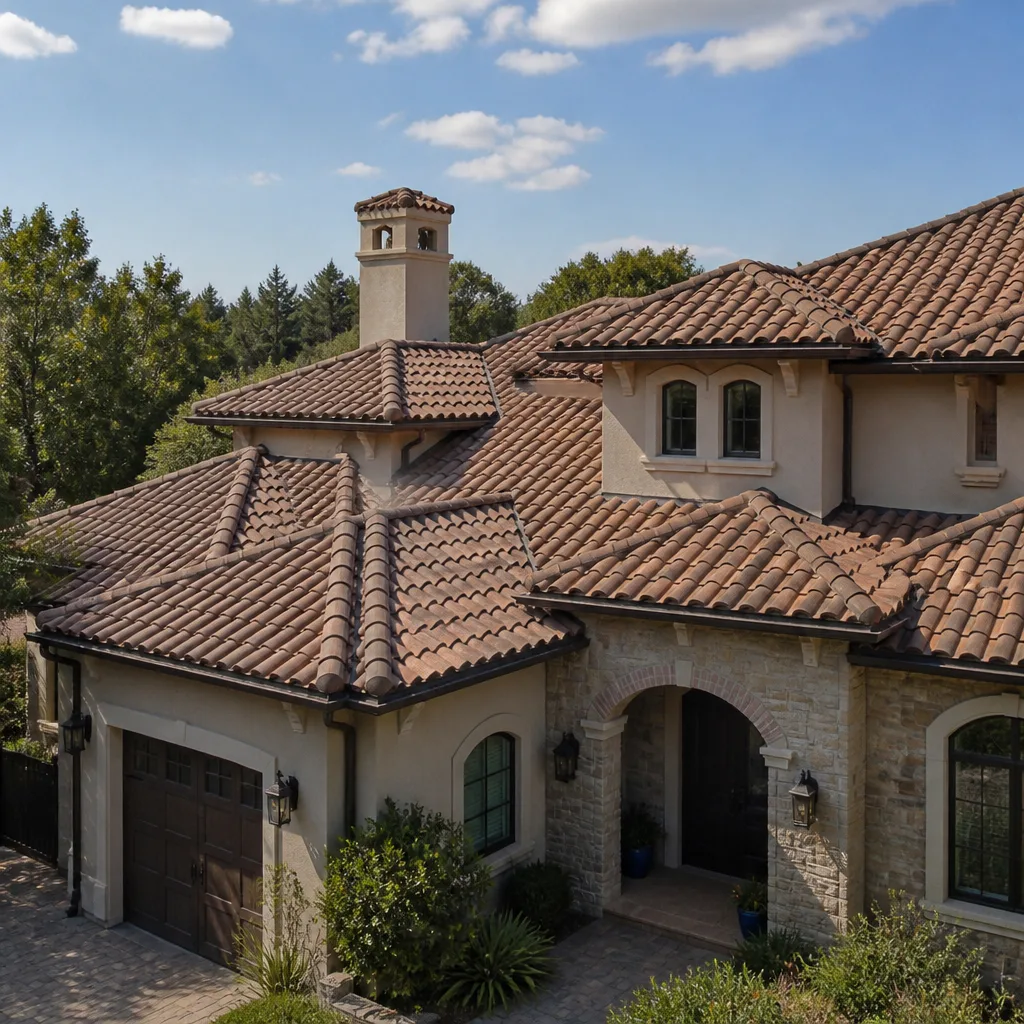 Tile roofing
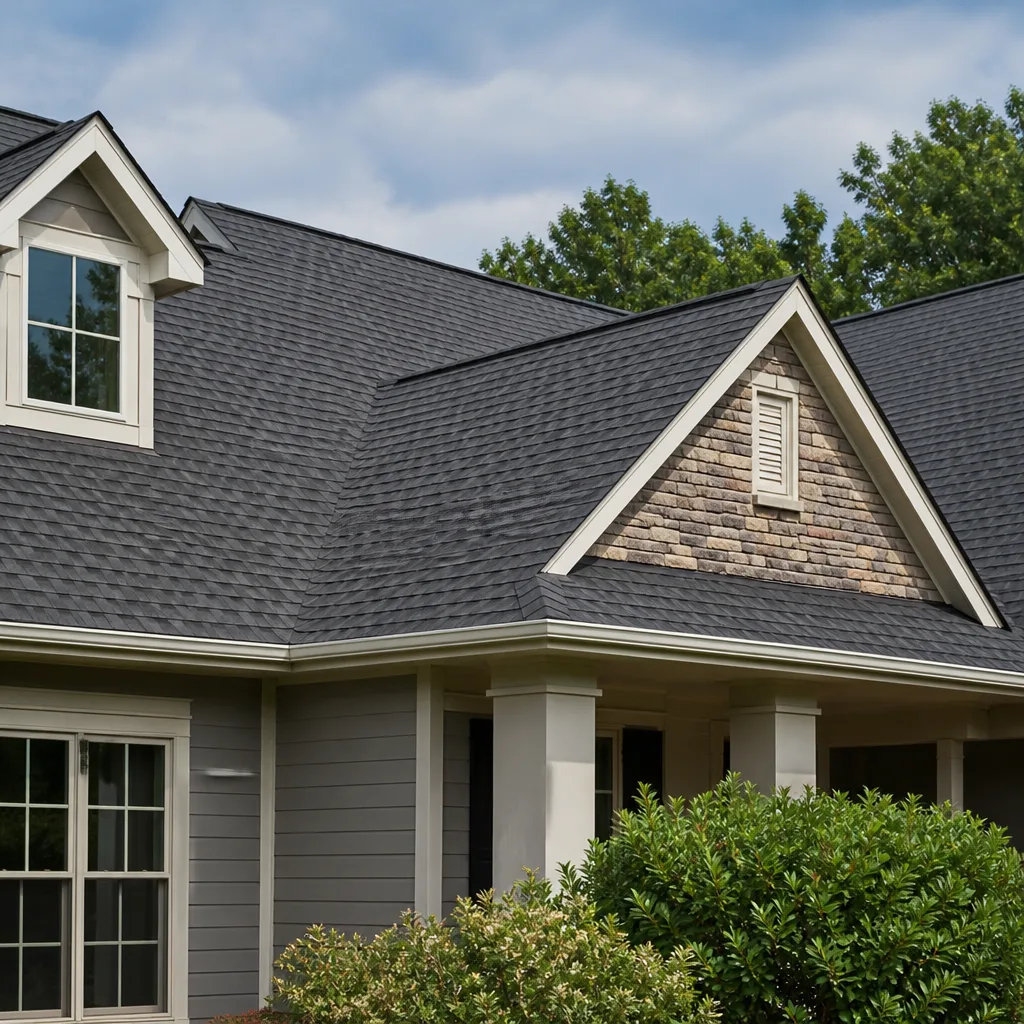 GAF
GAF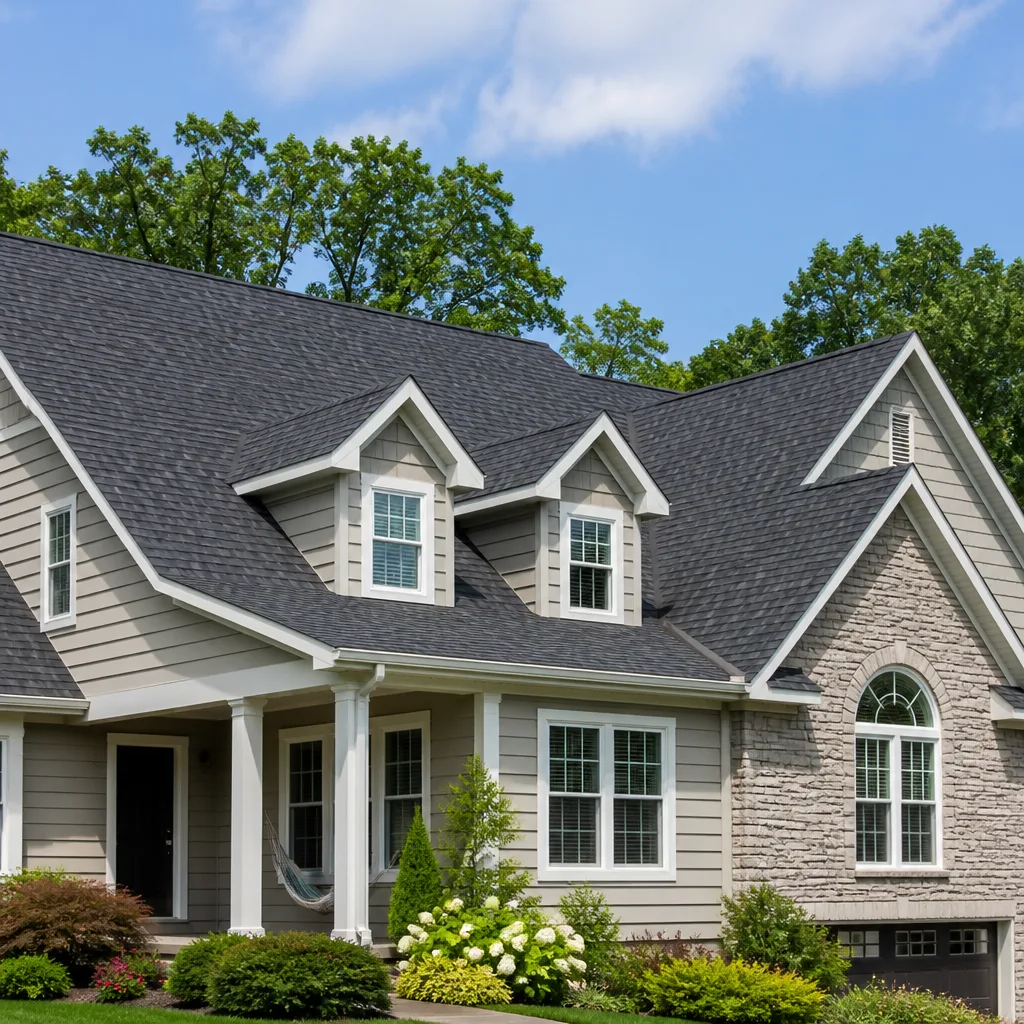 Owens Corning
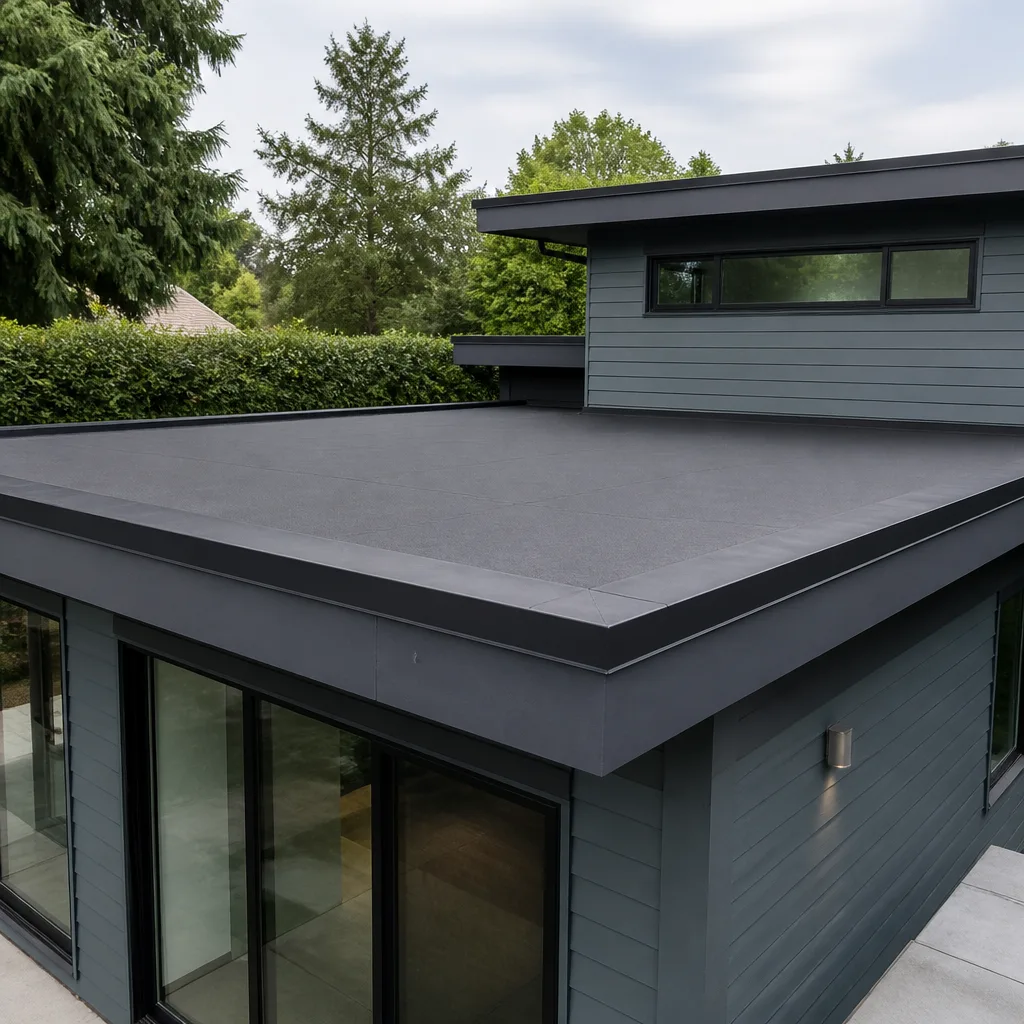 Flat & low-slope
Free roof inspection with deck photos before we talk money - GAF and Owens Corning certified installation
Fast, Reliable Roofing Company Across El Cerrito
El Cerrito homeowners need a roofing company that understands what these hills do to a roof. Salt air off the bay eats standard flashing within a decade, fog settles on north-facing slopes above San Pablo Avenue and feeds moss, and the steep lots in neighborhoods like Viewpoint and Hillside punish any crew that doesn’t respect pitch changes. Brennan Roofing Co San Francisco works in El Cerrito every week. We show up inside the promised window, put the price in writing before any work starts, and stand behind the job with a 365-Day Done Right Promise. Call (831) 318-8819 for a free estimate.
Key Takeaways:
- Written price before any work starts, always, no exceptions.
- 365-Day Done Right Promise in writing: we come back free if it fails within one year.
- Background-checked, uniformed technicians on every El Cerrito job.
- Metal roofing and residential replacement specialists who know the coastal and hillside failure modes here.
Why Brennan Roofing Co San Francisco Is El Cerrito’s Preferred Roofing Company Team
Our reputation in El Cerrito is built on showing up and doing what the paperwork says. Homeowners here have told us about roofers who quoted one number on the phone and another at the door. That doesn’t happen with us. The Garrison Standard governs every job: written price before any work starts, background-checked uniformed technicians, and a full-year written guarantee. Travis Oakley runs our crews to that standard on every single roof, whether it’s a small repair off Arlington Boulevard or a full replacement up in the Hillside neighborhood. We use materials from GAF, Owens Corning, and IKO because they perform under El Cerrito’s specific conditions: marine air, summer UV, and winter saturation.
When you call, a live person answers. No voicemail, no callback queue. That matters when water is coming through the ceiling on a January night. We coordinate dispatch from our San Francisco Bay Area office, and our crews know the streets from Cutting Boulevard to Moeser Lane well enough to get there without guesswork.
Styles & brands we work with
Metal Roof Installation in El Cerrito
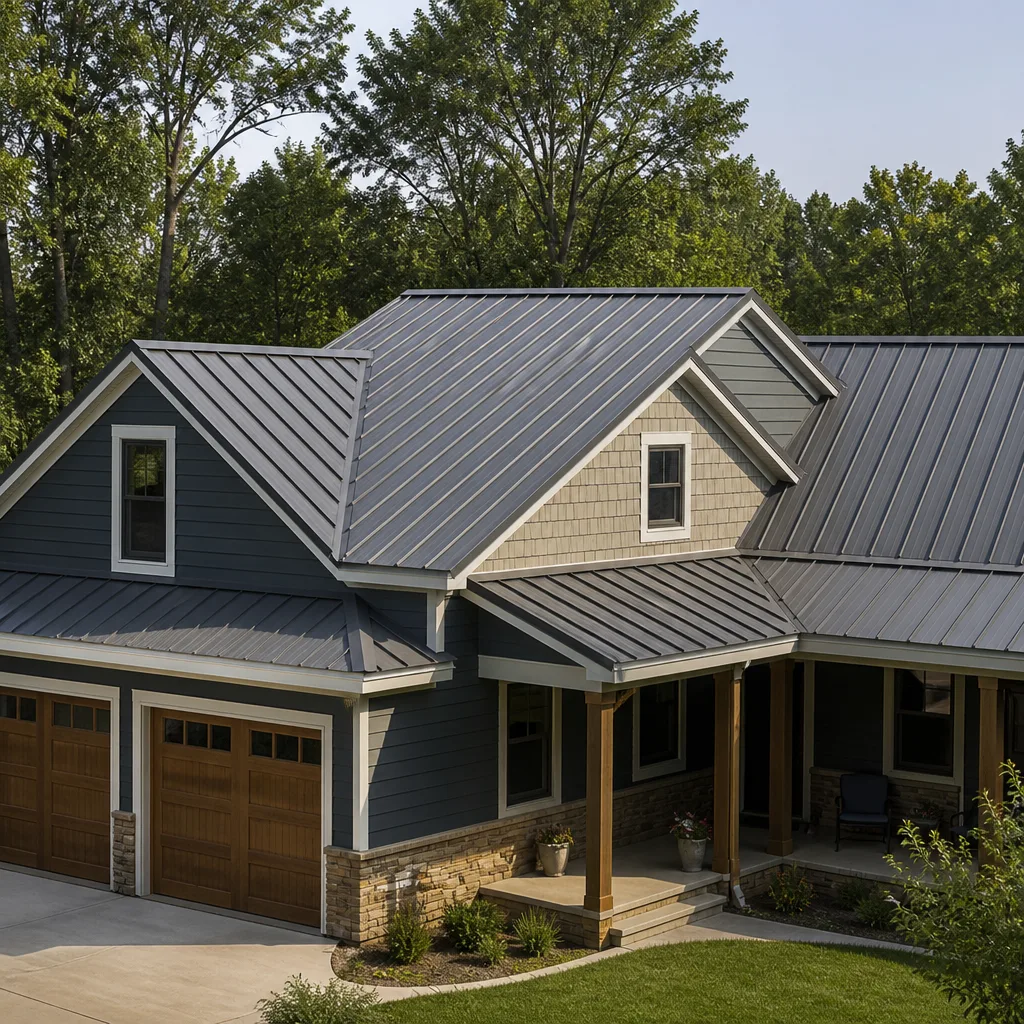
Metal roof installation in El Cerrito has to be specified for salt air, not for an inland suburb. Standard galvanized panels and fasteners fail here in five to eight years on slopes that face the bay. We specify stainless steel or hot-dip galvanized fasteners, marine-grade clips, and panel coatings rated for coastal exposure. A typical standing seam metal roof in El Cerrito runs $18,000 to $34,000 depending on square footage, tear-off, and whether we’re replacing decking. Corrugated or exposed-fastener metal runs less, around $12,000 to $19,000, but the fastener gaskets need replacement sooner in this air.
Coastal-Spec Materials
The difference between inland-spec and coastal-spec metal roofing is about $1.50 to $3.00 per square foot. The cheaper panel will be on the roof for six or seven years before rust shows at the cut edges. The coastal panel goes on and stays clean for twenty-plus years. We explain both prices on paper so you can choose with real numbers.
Standing Seam vs Exposed Fastener
Standing seam hides all fasteners under the panel ribs. Exposed-fastener metal has screws through the panel face, and in El Cerrito’s fog zone those screws are the first thing to corrode. If the budget allows, we recommend standing seam with hot-dip galvanized or stainless hardware for any roof within sight of the bay.
Residential Roofing in El Cerrito
Residential roofing in El Cerrito means working on homes built between the 1920s and the 1950s, with Spanish tile, wood shake, or old composition shingles. A full composition shingle replacement on a typical 1,400 square foot rancher runs $11,000 to $16,000 here. Tile replacement runs higher, $20,000 to $38,000, because the underlying decking and underlayment on these older homes is often rotted or powdery by the time we tear off. We inspect decking before we quote, so the price you sign is the price you pay.
Ranch and Spanish-Style Replacement
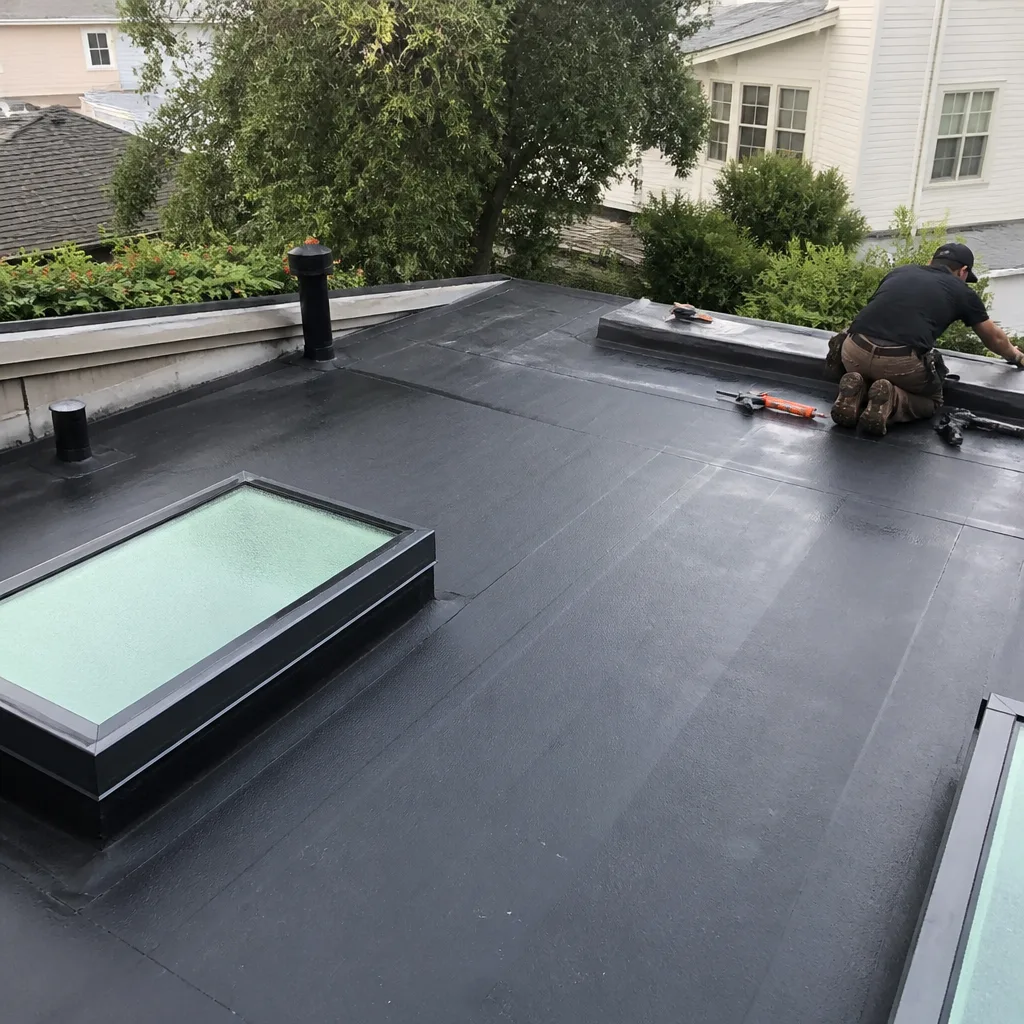
Mid-century ranch homes in El Cerrito often have low-slope sections that need modified bitumen or peel-and-stick underlayment. Spanish and Mediterranean styles need tile replacement or a transition to architectural shingles that won’t crack at the valleys. We walk each section of the roof and explain exactly what we found.
Underlayment and Decking Replacement
On hillside homes, north-facing slopes trap moisture under old underlayment and turn it brittle. We frequently tear off to the original redwood decking, re-nail it, and lay ice and water shield across the full roof plane before the new roof goes down. That step isn’t optional in the hills above San Pablo Avenue. It’s the difference between a roof that lasts twenty-five years and one that rots in ten.
Trusted Brands We Service in El Cerrito
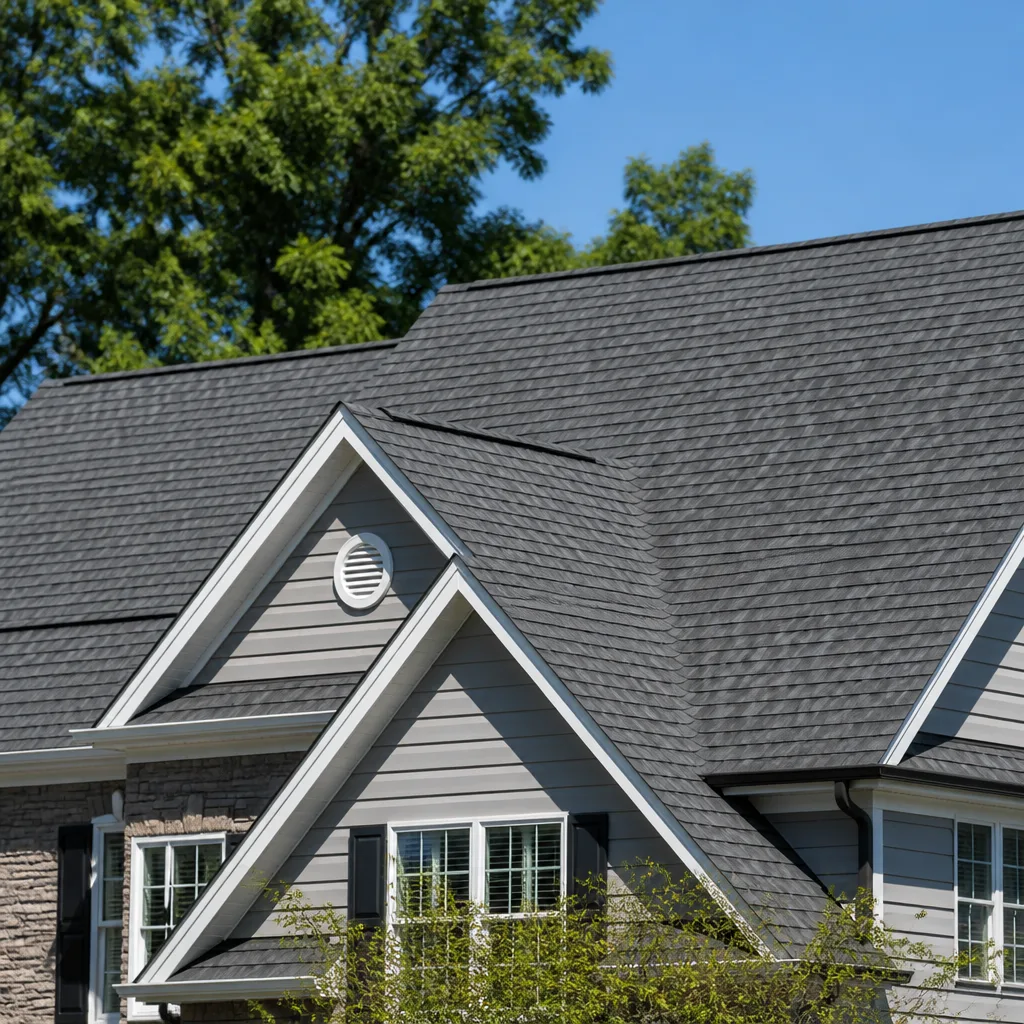
We install materials from manufacturer lines including GAF, Owens Corning, and IKO, and we stock common El Cerrito components locally so we don’t hold up a job waiting on a truck from out of state. If your home has an existing GAF or CertainTeed roof and you want to match the shingle profile, we source it. If you want Owens Corning Duration architectural shingles on a coastal-facing slope, we spec the right hardware to go with them. We don’t push one brand. We explain the performance difference for your specific roof and let you decide with real numbers in front of you.
Common Roofing Company Problems We See in El Cerrito Homes
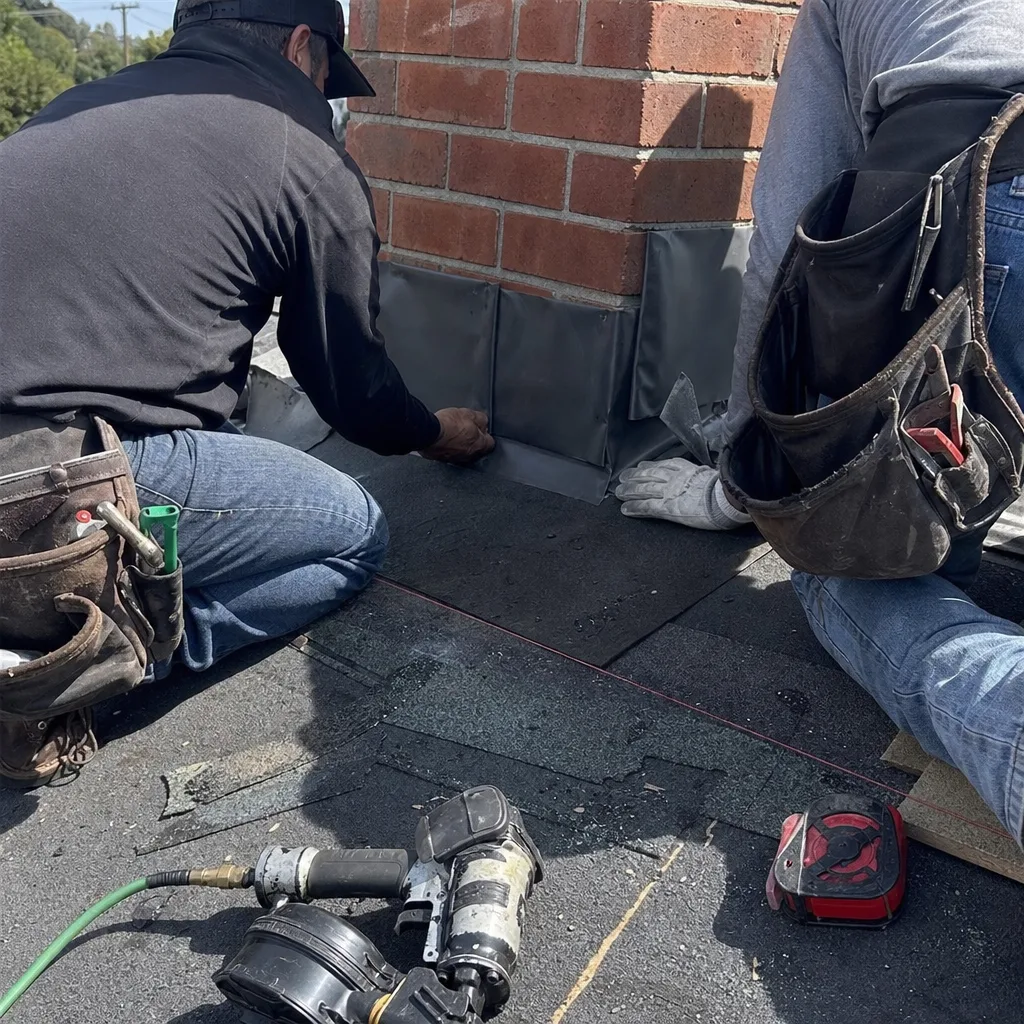
- Rusted flashing at coastal-facing eaves. Standard galvanized flashing corrodes in five to eight years when salt air off the bay hits it daily. We replace it with hot-dip galvanized or stainless steel and paint the fascia to match.
- Moss on north-facing slopes above the fog line. Homes in Viewpoint and the Hillside get persistent moisture that lifts shingles and traps water against the decking. We clean the slope, treat it, and often add zinc strip at the ridge to slow regrowth.
- Ponding water at dormer and skylight pitch changes. Older hillside roofs without crickets make water sit at the low transition. We build crickets to divert water around the structure, which protects the flashing and underlayment.
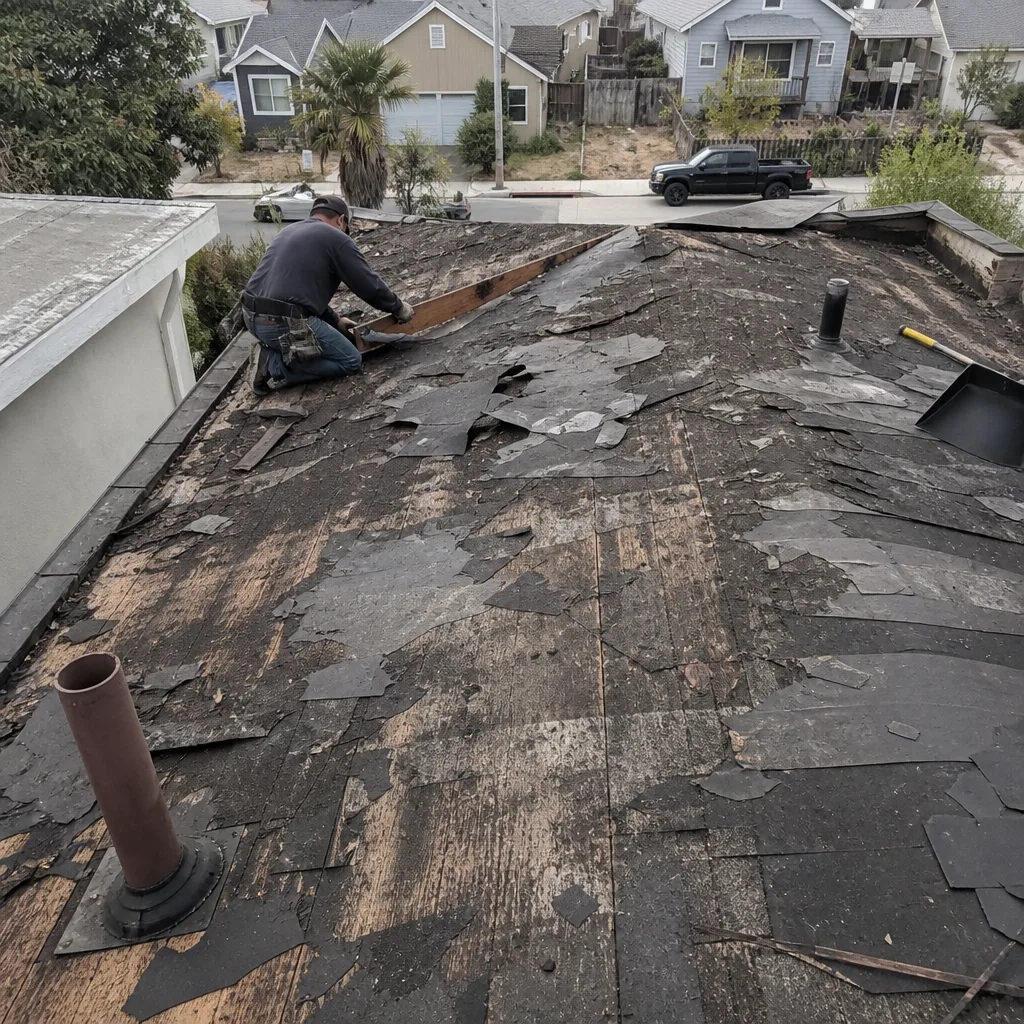
- Powdered underlayment under cracked tile. Original clay tile from the 1920s and 1930s cracks at valleys, and the building paper underneath turns to dust from trapped moisture. Full tear-off and re-deck is the only honest fix.
See the difference
 Before
 After
After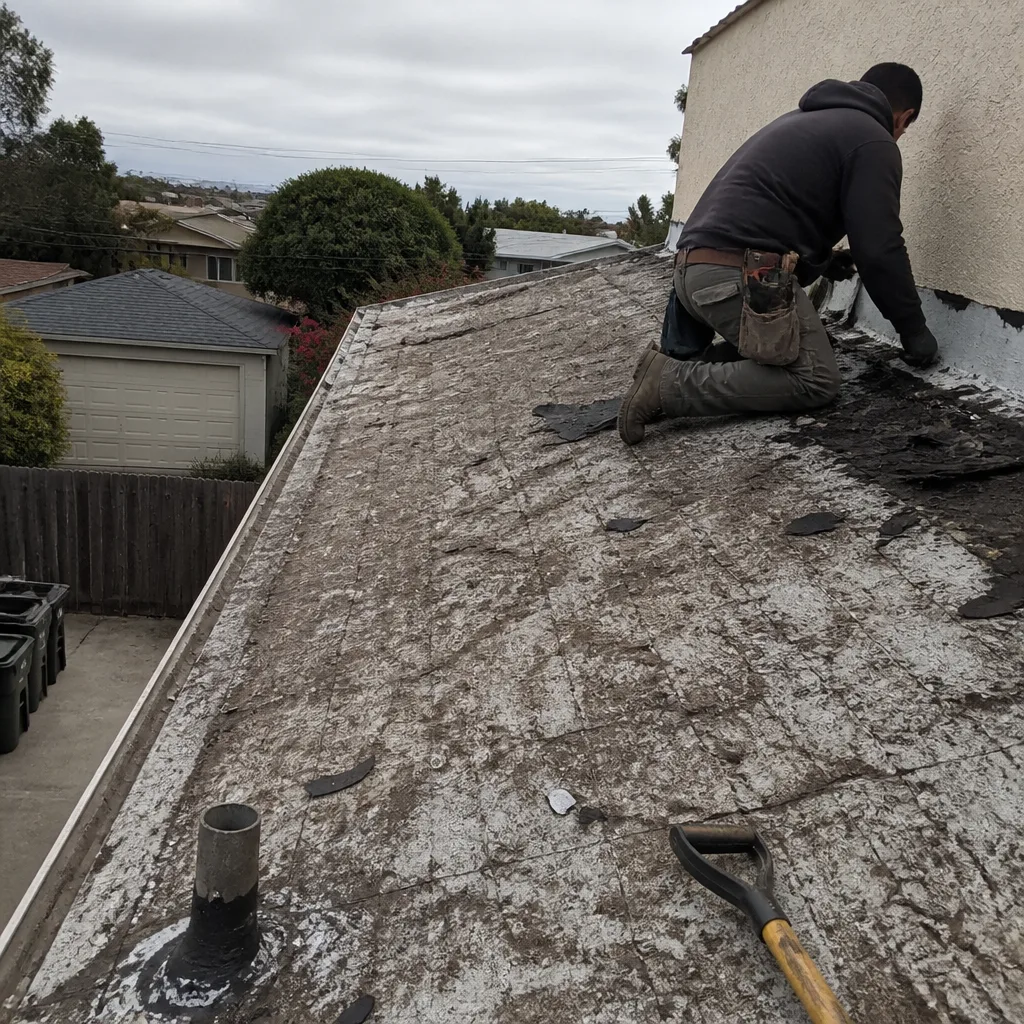 Before
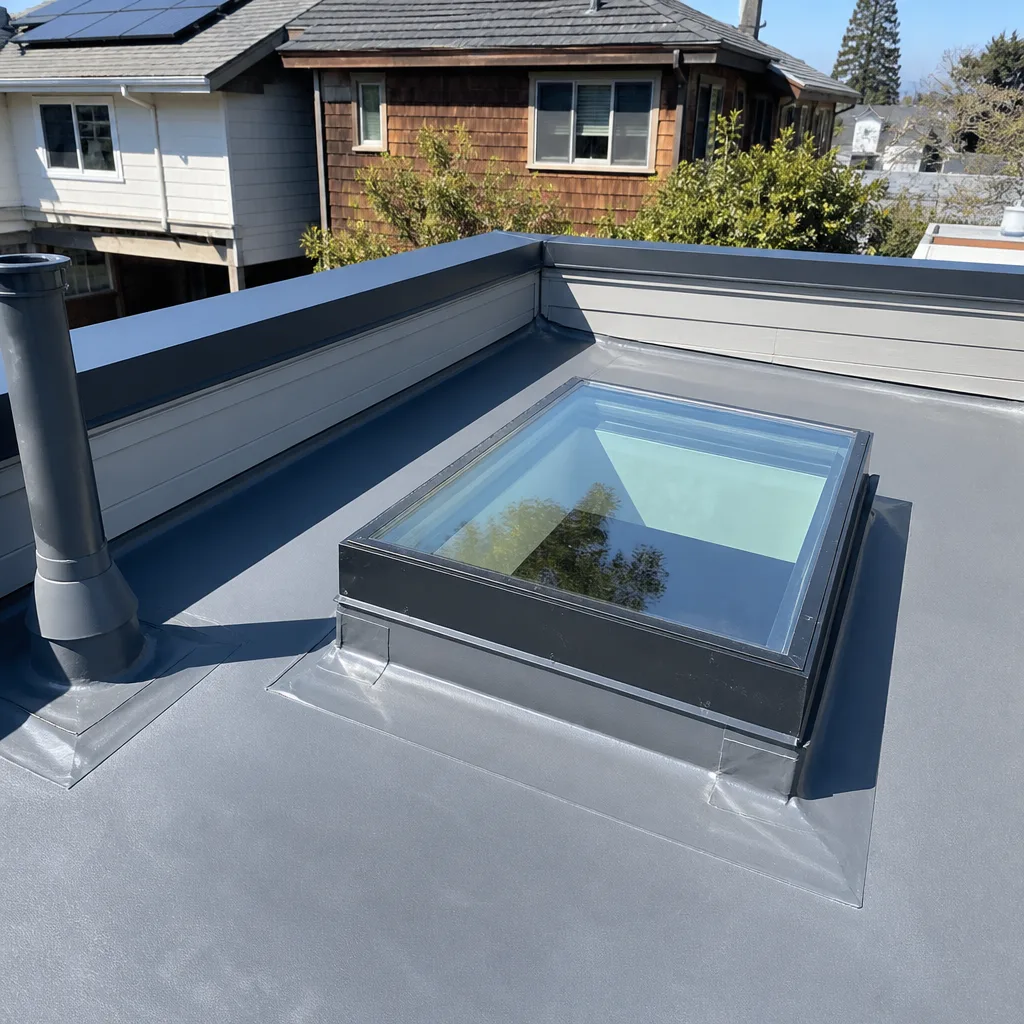 After
After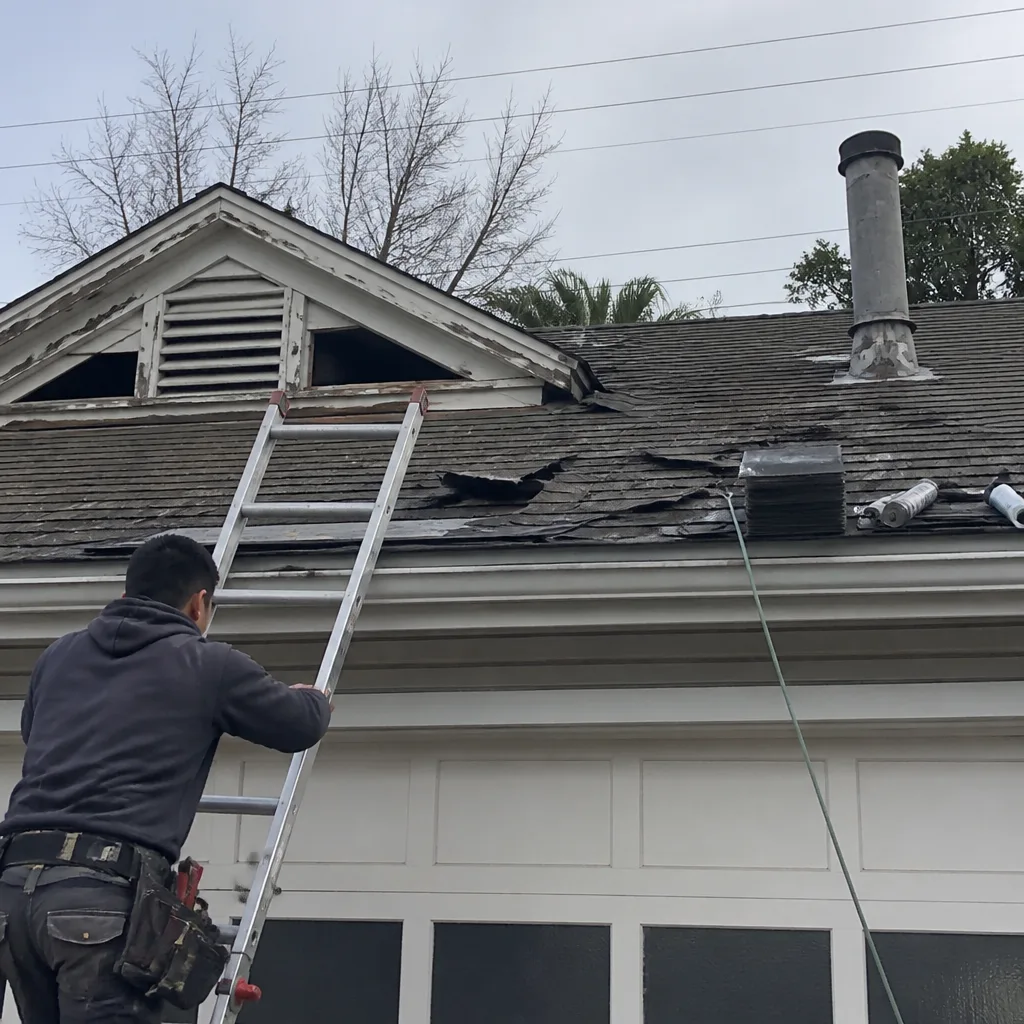 Before
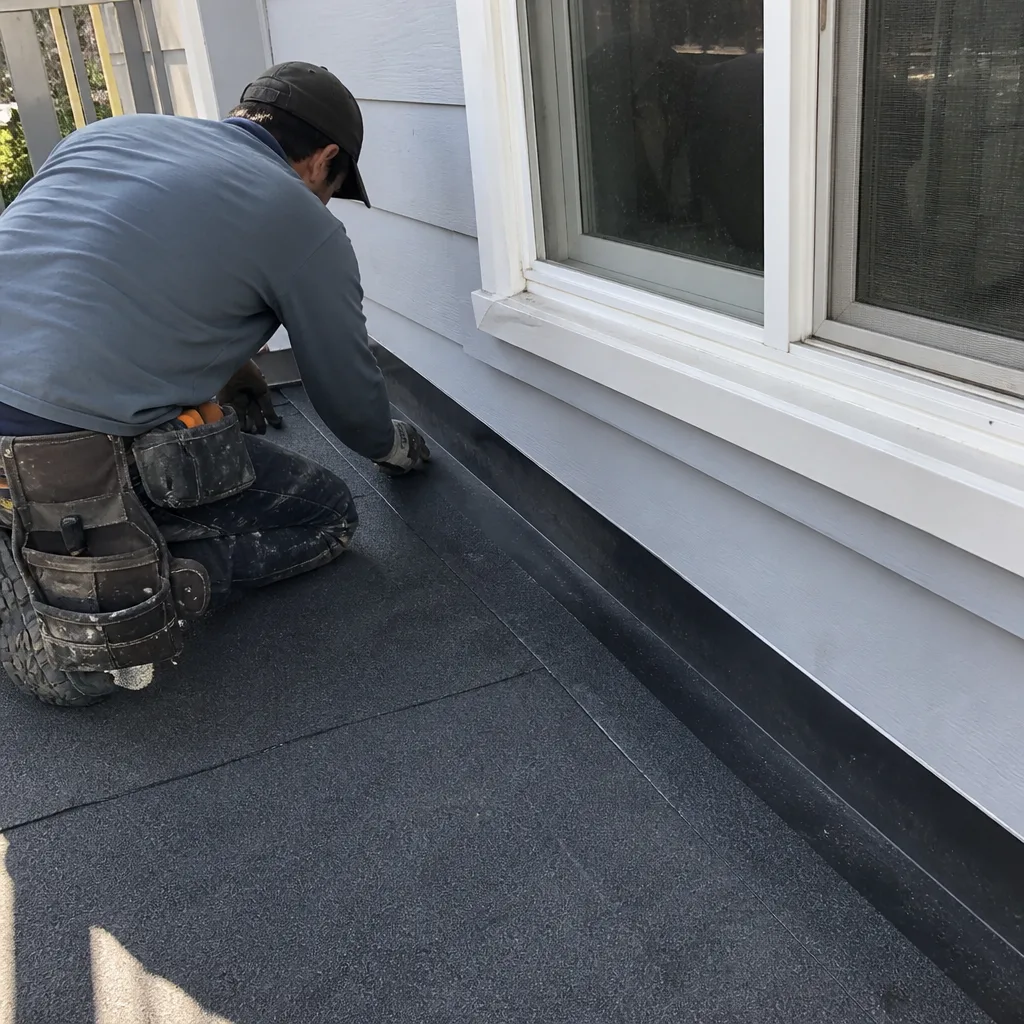 After
AfterPricing for Roofing Company in El Cerrito, CA
A composition shingle replacement in El Cerrito runs $11,000 to $16,000 for a typical 1,400 square foot single-family home. Metal roofing runs $18,000 to $34,000 for standing seam and $12,000 to $19,000 for exposed fastener. Tile runs $20,000 to $38,000. What moves the number: square footage, tear-off layers, decking condition, slope, and whether you need crickets built or flashing upgraded to stainless. We give you a written, line-item price before any work starts. It doesn’t move at the door. Call (831) 318-8819 to schedule a free estimate.
We Also Serve Cities Near El Cerrito
Our Roofing Company in El Cerrito crews also serve Albany, Berkeley, Hercules, and Orinda. If you’re in one of those cities and need a roofer who understands East Bay hillside and bay-facing conditions, we’re close by. Dispatch is coordinated from our San Francisco Bay Area office, and the same Garrison Standard applies on every job, in every city.
Serving El Cerrito, CA - Our Local Coverage Area
We’re based in the El Cerrito area and know this community well. Use the map below to see our service coverage - if you’re nearby, we can almost certainly help.
FAQs About Roofing Company in El Cerrito
Standard galvanized flashing fails in five to eight years on slopes that face the bay. El Cerrito’s salt air accelerates rust at the cut edges and the fastener holes. Hot-dip galvanized or stainless steel flashing costs roughly $2 to $4 more per linear foot installed, and it lasts decades instead of years. The cheaper flashing costs more within a decade because you pay for the flashing twice, plus the labor to tear off and re-fit it, plus the water damage behind it. If your roof is within sight of the water, we recommend coastal-spec flashing. Call (831) 318-8819 and we’ll put the exact price difference on paper.
Coastal-spec metal roofing uses panel coatings rated for marine exposure and fasteners made of stainless steel or hot-dip galvanized steel. Inland-spec uses standard galvanized hardware and standard panel finishes. The coastal-spec version costs about $1.50 to $3.00 more per square foot. On a 2,000 square foot roof, that’s roughly $3,000 to $6,000 extra. The inland-spec roof will show rust at the fasteners and panel edges within six or seven years in El Cerrito. The coastal-spec roof should go twenty-plus years without significant corrosion. Call (831) 318-8819 for a written quote on your specific roof.
The fix is to build crickets, also called saddles, to divert water around the dormer and skylight instead of letting it pond at the pitch change. Many El Cerrito hillside homes were built without crickets, and the standing water rots the flashing and underlayment at those transitions. We build the cricket out of framing lumber, re-flash the entire transition, and lay new underlayment across the full area. The job typically costs $1,200 to $2,800 depending on the size and the decking condition underneath. Call (831) 318-8819 and we’ll inspect it and give you a written price.
El Cerrito’s hills sit above the fog line that settles over flatland Albany and Richmond, so north-facing slopes stay damp for long stretches of the year. Moss spores land and hold water, and the shade slows evaporation. Cleaning alone doesn’t fix the environment. We clean the slope, treat it to kill root structures, and install zinc strip at the ridge so rain washes zinc particles down the roof and inhibits regrowth. We also check the decking underneath, because moss that’s been growing for years often means the underlayment is wet and the decking is starting to rot. Call (831) 318-8819 to schedule an inspection.
For fire safety in El Cerrito’s wildfire hazard zone, the best replacement is a Class A assembly. That means either standing seam metal, tile, or a composition shingle system with a fire-rated underlayment. Wood shake is combustible and no longer meets the city’s wildfire safety code for new roofs. For wind resistance on exposed slopes, architectural composition shingles like Owens Corning Duration installed with the full manufacturer’s nail pattern handle the gusts that come up the hills. A tile or metal system has less wind resistance than a well-nailed shingle system unless the weight and clip spacing are correct for your specific slope. Call (831) 318-8819 and we’ll walk the roof with you and explain the options with real numbers.
The Salt Air Problem Most Roofers Won’t Mention
Here’s what we see on El Cerrito roofs that a generic roofing page never covers. Salt air off San Francisco Bay doesn’t just sit on the cars. It lands on standard galvanized flashing and fasteners and turns them into rust within five to eight years on slopes that face the water. The same hardware on an inland roof lasts fifteen-plus years. So a roofer who specs the same flashing on a home near Moeser Lane as he would in Orinda is selling a roof that will fail early. We don’t do that. We use hot-dip galvanized or stainless steel flashing on bay-facing slopes, and we charge the difference on paper so you can see it. The cheap spec costs less on day one and more within a decade, because you pay for the flashing twice, plus the labor, plus whatever water got behind the rust before you caught it.
Then there’s the fog. El Cerrito’s location in the East Bay hills, above the fog line that settles over flatland Albany and Richmond, means north-facing roofs in the hills above San Pablo Avenue get persistent moisture and moss growth that flatland homes never see. South-facing slopes get intense UV that bakes cheaper underlayment into brittleness within a decade. Same house, two different failure modes, two different specs depending on which side of the ridge you’re on. In the Viewpoint and Hillside neighborhoods, it’s common to see roofs with multiple pitch changes and crickets to divert water around skylights and dormers. When the crickets are missing or undersized, water ponds at those transitions, rots the flashing, and leaks into the ceiling. That’s a detail that affects flashing longevity and leak points in a way flatland roofers never have to think about.
We replaced a 1948 Spanish-style roof on a home in the Viewpoint neighborhood where the original clay tile had cracked at the valleys and the building paper underneath had turned to powder from decades of moisture trapped under moss on the north-facing slope. Our crew tore off down to the original redwood decking, re-nailed the sheathing, and laid down an ice and water shield across the full roof plane with stainless steel drip edge at every eave before installing Owens Corning Duration architectural shingles with closed-cut valleys. The homeowner chose hot-dip galvanized flashing and painted fascia, and we built two new crickets to divert water around the dormer and skylight, so water no longer ponds at those pitch changes. That’s the coastal-spec and hillside-spec difference, on one roof, done the way it should have been the first time.
Written by Travis Oakley, Owner at Brennan Roofing Co San Francisco, serving El Cerrito with The Garrison Standard.